Diuretics: 5-Class Guide To Managing Fluid Balance
Comprehensive overview of diuretics: types, uses, how they work, and key safety tips for better health management.

Diuretics, often called water pills, play a crucial role in medical treatment by helping the body eliminate excess sodium and water through urine. This action reduces fluid buildup, eases swelling, and lowers blood pressure, making them vital for conditions like heart failure and hypertension.
What Are Diuretics and Why Do We Need Them?
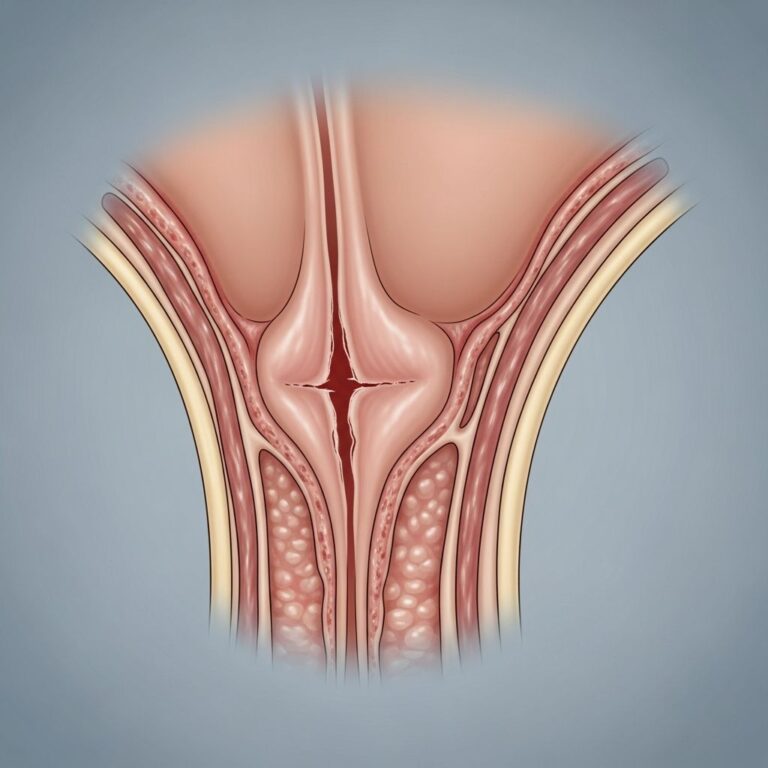
The kidneys filter blood to maintain fluid and electrolyte balance. Normally, they reabsorb most sodium and water, excreting only small amounts. When this process falters due to illness, excess fluid accumulates, leading to edema or increased cardiac workload. Diuretics intervene by targeting specific kidney segments to boost sodium excretion, which drags water along, promoting diuresis.
Common triggers for diuretic use include congestive heart failure, where fluid overload strains the heart; liver cirrhosis causing ascites; and kidney disorders. They also form a cornerstone of hypertension therapy, as reduced blood volume eases vascular pressure.
How Kidneys Process Fluids: A Quick Overview
Each kidney contains millions of nephrons, the functional units with segments like the proximal tubule, loop of Henle, distal convoluted tubule (DCT), and collecting duct. Filtrate from glomeruli loses sodium progressively: 65% in the proximal tubule, 25% in the thick ascending limb (TAL), 5% in DCT, and 1-2% in collecting ducts. Water follows sodium osmotically, except in water-impermeable areas like TAL.
Hormones regulate this: aldosterone boosts sodium reabsorption in exchange for potassium in collecting ducts; antidiuretic hormone (ADH) enhances water permeability there.
Main Classes of Diuretics and Their Targets
Diuretics are classified by nephron site of action, potency, and mechanism. Here’s a breakdown:
- Loop Diuretics: Potent agents targeting TAL’s Na-K-2Cl co-transporter, blocking 25% sodium reabsorption. Examples: furosemide, bumetanide. They cause substantial diuresis and natriuresis, also increasing renal prostaglandins for better blood flow.
- Thiazide Diuretics: Act on DCT’s Na-Cl co-transporter (5% sodium). Most prescribed for hypertension; examples: hydrochlorothiazide, chlorthalidone. Effective for mild fluid issues, reliant on prostaglandins.
- Potassium-Sparing Diuretics: Weak but valuable for distal tubule/collecting duct. Block aldosterone effects or sodium channels, retaining potassium. Examples: spironolactone, amiloride. Often combined to counter hypokalemia.
- Osmotic Diuretics: Like mannitol, increase tubular osmolarity without reabsorption, pulling water into urine. Used IV for acute settings like cerebral edema.
- Carbonic Anhydrase Inhibitors: Weakest class; inhibit proximal tubule enzyme, mildly increasing bicarbonate excretion. Example: acetazolamide, for glaucoma or altitude sickness.
Mechanisms in Detail: How Each Type Works
Loop Diuretics disrupt TAL’s co-transporter, preventing sodium, potassium, chloride reabsorption. This dilutes interstitium, impairs collecting duct water uptake, yielding high urine volume. They also promote calcium/magnesium excretion.
Thiazides block DCT Na-Cl symporter, enhancing sodium/water loss. They paradoxically increase calcium reabsorption, beneficial for stones.
| Diuretic Class | Nephron Site | Sodium Reabsorbed Normally | Key Effects |
|---|---|---|---|
| Loop | Thick Ascending Limb | 25% | Strong diuresis, hypokalemia |
| Thiazide | Distal Convoluted Tubule | 5% | BP control, hypercalcemia |
| Potassium-Sparing | Collecting Duct | 1-2% | K+ retention, weak diuresis |
| Osmotic | Proximal Tubule/Loop | Varies | Expands plasma volume acutely |
Potassium-sparing types antagonize aldosterone or epithelial sodium channels (ENaC), reducing Na+ uptake without K+ loss.
Related Stories



Primary Uses and Therapeutic Benefits
Diuretics shine in cardiovascular care: reducing preload in heart failure via lower venous pressure and blood volume, per Frank-Starling law. For hypertension, they lower arterial pressure by decreasing cardiac output.
Other applications: edema from nephrotic syndrome, pulmonary congestion, or hyperaldosteronism (spironolactone). Osmotics aid acute glaucoma or drug overdoses by alkalinizing urine.
Potential Side Effects and Risks
- Electrolyte Imbalances: Hypokalemia (loop/thiazides), hyponatremia, hypomagnesemia.
- Metabolic Changes: Hyperglycemia, hyperuricemia (gout risk), hyperlipidemia.
- Other: Dehydration, hypotension, ototoxicity (high-dose loops), gynecomastia (spironolactone).
Monitoring blood electrolytes, renal function, and blood pressure is essential, especially in elderly or comorbid patients.
Dosage, Administration, and Combinations
Oral forms suit chronic use; IV for acute needs. Start low to avoid hypotension. Combinations like thiazide + potassium-sparer (e.g., HCTZ + triamterene) balance electrolytes.
Timing: Morning doses prevent nocturia. Food enhances thiazide absorption; loops act faster.
Special Considerations for Patient Groups
Pregnancy: Some thiazides used cautiously (Category B); loops avoided. Diabetics: Watch glucose rises. Gout patients: Prefer losartan over thiazides.
Lifestyle Tips Alongside Diuretic Therapy
- Reduce salt intake to amplify effects.
- Hydrate adequately but monitor weight daily.
- Potassium-rich foods/diet for non-sparing types.
- Avoid NSAIDs, which blunt diuretic action.
Frequently Asked Questions (FAQs)
What do diuretics do to your body?
They increase urine production by blocking kidney sodium reabsorption, reducing fluid retention and blood pressure.
Are diuretics safe for long-term use?
Yes, with monitoring; regular blood tests prevent complications like low potassium.
Can diuretics cause weight loss?
Temporary water weight loss, not fat; misused by athletes for this.
Which diuretic is best for high blood pressure?
Thiazides like chlorthalidone are first-line per guidelines.
Do diuretics affect kidneys?
They protect by reducing workload but can worsen function if dehydrated.
Conclusion: Empowering Better Health Outcomes
Diuretics transform management of fluid-related disorders when used judiciously. Consult healthcare providers for personalized regimens balancing efficacy and safety.
References
- Diuretics – CV Pharmacology — CVPharmacology.com. Accessed 2026. https://cvpharmacology.com/diuretic/diuretics
- Thiazide Diuretics’ Mechanism of Action — GoodRx. 2023-10-15. https://www.goodrx.com/classes/thiazide-diuretics/thiazide-diuretics-mechanism-of-action
- Diuretic — Wikipedia. 2026-02-20. https://en.wikipedia.org/wiki/Diuretic
- Pharmacology – Diuretics — YouTube (Osmosis). 2019-05-01. https://www.youtube.com/watch?v=NzdvoGZquIk
- Overview of Diuretics — DynaMed. 2025-11-12. https://www.dynamed.com/drug-review/overview-of-diuretics
- Diuretics: a contemporary pharmacological classification? — PMC (NCBI). 2022-04-20. https://pmc.ncbi.nlm.nih.gov/articles/PMC9072265/
Similar Articles








Read full bio of Sneha Tete