Diuretics (Water Pills): Types, Uses & Side Effects
Understanding diuretics: How water pills work to manage blood pressure, heart failure, and fluid retention.
What Are Diuretics?
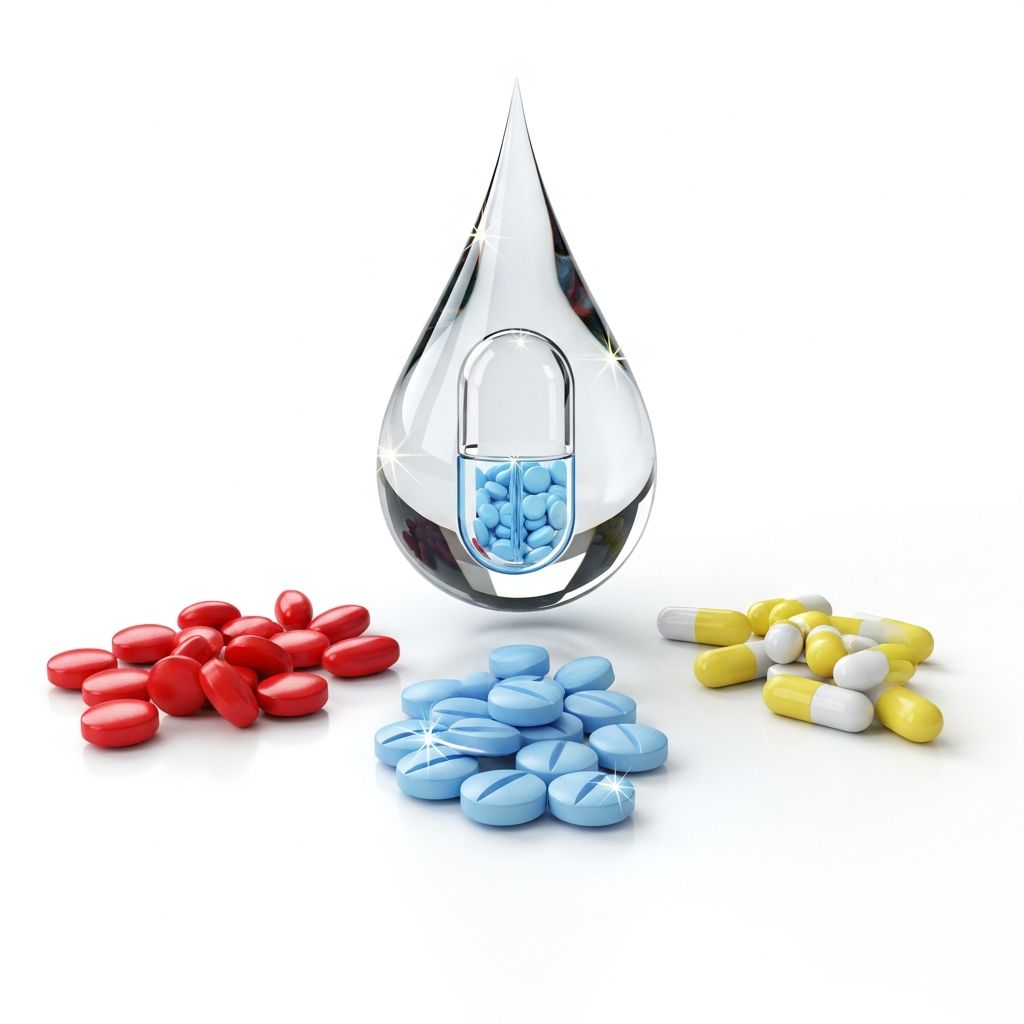
Diuretics, commonly known as water pills, are medications that help your kidneys remove extra salt and water from your body by increasing urine production. These drugs work by signaling your kidneys to transport additional sodium and water into your urine, effectively clearing excess fluid from your system. By reducing the amount of fluid in your bloodstream, diuretics decrease the workload on your heart and lower blood pressure, making them valuable medications for managing various health conditions.
The mechanism of action for diuretics is straightforward yet effective: they prevent your kidneys from reabsorbing sodium and water, allowing these substances to be excreted through urine instead. This process helps restore the balance of fluids in your body and reduces the pressure within blood vessels. When fluid accumulation occurs due to heart failure, kidney dysfunction, liver disease, or other medical conditions, diuretics provide relief by promoting fluid elimination.
How Diuretics Work
Diuretics operate by interfering with the kidney’s normal processes of salt and water reabsorption. Your kidneys naturally filter waste products and excess water from your blood to form urine. However, they also reabsorb certain amounts of salt and water back into the bloodstream to maintain proper fluid balance. Diuretics interrupt this reabsorption process at various points along the nephron, the functional unit of the kidney.
By blocking reabsorption in different sections of the kidney tubules, different diuretic classes achieve varying levels of sodium and water excretion. The more sodium and water excreted, the more urine is produced, and the more fluid is removed from your body. This reduction in blood volume subsequently decreases the pressure your heart must work against, ultimately lowering blood pressure and reducing strain on the cardiovascular system.
Types of Diuretics
Several classes of diuretics exist, each working through different mechanisms and suited to different medical situations. Understanding these categories helps explain why doctors may choose one type over another based on individual patient needs and medical conditions.
Loop Diuretics
Loop diuretics are among the most potent diuretic medications available and are often considered the cornerstone of acute decompensated heart failure management. These drugs work by blocking sodium and chloride reabsorption in the loop of Henle, a portion of the kidney tubule. The most commonly prescribed loop diuretics include furosemide, torsemide, and bumetanide. Torsemide and bumetanide demonstrate superior bioavailability compared to furosemide, with torsemide showing potential advantages in improving cardiac outcomes and mitigating cardiac fibrosis. Loop diuretics are particularly effective for patients with acute fluid overload and are typically administered intravenously in hospital settings for rapid symptom relief.
Thiazide Diuretics
Thiazide diuretics represent the most commonly used diuretics among Americans for treating high blood pressure. These medications work in the distal convoluted tubule of the kidney by blocking sodium chloride reabsorption. Hydrochlorothiazide (HCTZ) is the most frequently prescribed thiazide diuretic and serves as a first-line therapy for hypertension management. Thiazides are particularly useful for chronic management of high blood pressure and mild to moderate fluid retention. They are generally well-tolerated and can be taken orally at home, making them convenient for long-term treatment.
Potassium-Sparing Diuretics
Potassium-sparing diuretics work by blocking sodium channels in the collecting duct of the kidney, preventing sodium reabsorption while preserving potassium. Common potassium-sparing diuretics include spironolactone, amiloride, and triamterene. These medications are particularly valuable for patients who take other medications that cause potassium loss or for those prone to hypokalemia. Spironolactone also acts as an aldosterone antagonist, providing additional benefits in heart failure management by blocking the hormone that promotes sodium retention and potassium loss.
Related Stories



Carbonic Anhydrase Inhibitors
Acetazolamide, a carbonic anhydrase inhibitor, represents a specialized diuretic class. While not particularly potent as a standalone diuretic, acetazolamide augments the effects of loop diuretics by decreasing sodium bicarbonate reabsorption in the proximal tubules. This action allows more sodium delivery to the loop of Henle, enhancing overall diuretic efficacy. Acetazolamide also possesses intrinsic renal vasodilatory properties and blocks the pendrin system of chloride-bicarbonate exchange in the distal nephron, offering additional therapeutic benefits in select patients.
Common Uses of Diuretics
Diuretic medications serve multiple important functions in modern medicine, addressing various conditions related to fluid balance and cardiovascular health.
High Blood Pressure Management
Thiazide diuretics serve as an excellent first-line therapy for hypertension, helping to lower blood pressure by reducing blood volume and decreasing peripheral resistance. By promoting sodium and water excretion, these medications reduce the amount of fluid circulating through your blood vessels, thereby decreasing pressure on vessel walls. Many patients achieve significant blood pressure reduction with diuretic therapy alone, though combination therapy with other antihypertensive medications is often employed for optimal control.
Heart Failure Treatment
For patients with acute decompensated heart failure, diuretics play a crucial role in symptom management and disease progression control. Loop diuretics are particularly important in acute settings, where rapid fluid removal is necessary to alleviate congestion and improve breathing. In chronic heart failure, diuretics help manage persistent fluid overload and reduce the strain on the weakened heart muscle. The initial diuretic regimen should maximize intravenous loop diuretics based on urine output or spot urine sodium concentration, with combination therapy employed when diuretic resistance occurs.
Edema and Swelling
Diuretics effectively reduce swelling caused by various conditions, including kidney disease, liver cirrhosis, and lymphatic obstruction. When the kidneys aren’t functioning properly or when liver disease impairs albumin production, fluid accumulates in tissues, causing painful swelling. Diuretics help mobilize this excess fluid and promote its elimination through urine, providing relief and improving mobility and comfort.
Kidney and Liver Disease
In patients with kidney disease, diuretics help manage fluid overload and reduce stress on the compromised kidneys. Similarly, in liver cirrhosis, diuretics play a critical role in managing ascites (fluid accumulation in the abdomen) and other complications of portal hypertension. These medications must be used carefully in these populations, with close monitoring of kidney function and electrolytes.
Side Effects and Considerations
While diuretics are generally well-tolerated, they can cause several side effects that require monitoring and management. The most common side effects include increased urination frequency, electrolyte imbalances, and potential dehydration. Specific side effects vary depending on the diuretic class used.
Electrolyte Imbalances
Loop and thiazide diuretics can cause potassium loss, potentially leading to hypokalemia, which may cause muscle weakness, cramping, and cardiac arrhythmias. Conversely, potassium-sparing diuretics can cause hyperkalemia, potentially dangerous elevated potassium levels that can affect heart rhythm. Regular monitoring of electrolytes through blood tests is essential for patients on chronic diuretic therapy.
Dehydration and Hypotension
Excessive diuresis can lead to dehydration and low blood pressure, particularly if diuretics are not carefully dosed or if patients don’t maintain adequate fluid intake. Symptoms include dizziness, weakness, and increased thirst. Dose adjustments may be necessary to balance fluid removal with maintaining adequate hydration.
Metabolic Effects
Thiazide diuretics can affect glucose metabolism and lipid profiles, potentially worsening blood sugar control in diabetic patients or increasing cholesterol levels. Loop diuretics may increase uric acid levels, potentially triggering gout attacks in susceptible individuals.
Ototoxicity
High doses of loop diuretics, particularly when administered rapidly or in patients with renal impairment, can cause hearing loss. This complication is reversible in most cases if recognized and the medication adjusted or discontinued.
Natural Diuretics vs. Medication
While certain foods and beverages possess mild diuretic properties, they do not provide the same reliable and potent effects as prescription diuretic medications. Natural options like coffee, tea, and certain foods containing caffeine or potassium do increase urine production temporarily. However, their effects are modest and short-lived compared to pharmaceutical diuretics. Additionally, natural diuretics can interact with medications and may not be suitable for all patients, particularly those with certain medical conditions.
Prescription diuretics offer several advantages over natural options: they provide predictable, dose-dependent effects; they are formulated for consistent absorption and action; and they are studied extensively for safety and efficacy. For managing serious conditions like hypertension, heart failure, and significant edema, prescription diuretics provide more reliable results than natural alternatives, though lifestyle modifications including dietary sodium reduction often complement pharmaceutical therapy.
Combination Therapy and Resistance
In some cases, single-agent diuretic therapy may not achieve adequate fluid removal, a phenomenon known as diuretic resistance. When this occurs, combination therapy involving two or more diuretic classes working through different mechanisms can enhance overall diuresis. For example, combining loop diuretics with acetazolamide or thiazides can provide synergistic effects. Sodium-glucose cotransporter 2 (SGLT2) inhibitors represent newer additions to the diuretic armamentarium, decreasing proximal sodium absorption with strong evidence supporting significant diuresis and renoprotection.
Hypertonic saline represents another innovative approach to augmenting diuresis, improving renal perfusion through osmotic effects and enhancing loop diuretic efficacy by improving sodium delivery to the loop of Henle. This strategy has demonstrated associations with reduced mortality rates, shorter hospital stays, and lower treatment costs compared to loop diuretics alone.
Dosing and Administration
Proper diuretic dosing is crucial for achieving therapeutic benefits while minimizing side effects. Loop diuretics demonstrate a steep dose-response curve with minimal natriuretic effect until an individualized threshold is reached, after which maximum natriuretic effect occurs once the ceiling dose is achieved. Dose increases beyond this ceiling extend the duration of natriuresis rather than increasing the rate.
The dose-response relationship follows a log-linear pattern, meaning doses should be adjusted logarithmically. For example, increasing from 20 mg to 40 mg represents a greater increase than from 220 mg to 240 mg. The DOSE trial demonstrated that aggressive intravenous loop diuretic dosing—approximately 2.5 times the total daily oral dose—achieved better symptom improvement than numerically equal doses. Additionally, defining true renal dysfunction during diuretic therapy as a doubling of creatinine or increase greater than 1 mg/dL (rather than the previously used threshold of 0.3 mg/dL) helps prevent premature cessation of beneficial diuretic therapy.
Frequently Asked Questions
Q: Are diuretics safe for long-term use?
A: Yes, diuretics are generally safe for long-term use when appropriately prescribed and monitored. Regular blood tests to check electrolyte and kidney function levels are important to ensure safety and effectiveness over time.
Q: Can I take diuretics over-the-counter?
A: Most effective diuretics require a prescription because they need proper medical supervision. Over-the-counter options have minimal diuretic effects and are not appropriate for treating serious conditions.
Q: Will diuretics affect my exercise routine?
A: Diuretics may require adjustments to hydration and electrolyte intake during exercise. Discuss your exercise routine with your healthcare provider to ensure proper management.
Q: How long does it take for diuretics to work?
A: Oral diuretics typically begin working within 1-2 hours, while intravenous diuretics work within minutes. The timeline varies depending on the specific medication and individual factors.
Q: Can diuretics interact with other medications?
A: Yes, diuretics can interact with many medications, including certain blood pressure medications, NSAIDs, and potassium supplements. Always inform your healthcare provider about all medications you take.
Q: What should I eat while taking diuretics?
A: Maintain a healthy diet low in sodium and discuss potassium intake with your healthcare provider. Some diuretics cause potassium loss, while others cause potassium retention, affecting dietary recommendations.
When to Contact Your Healthcare Provider
Contact your healthcare provider if you experience excessive dizziness, severe weakness, chest pain, rapid or irregular heartbeat, persistent headaches, or signs of dehydration. Also report any swelling that worsens despite taking diuretics, as this may indicate diuretic resistance requiring medication adjustment. Regular follow-up appointments allow your provider to monitor your response to therapy and adjust treatment as needed.
References
- How do we maximize diuresis in acute decompensated heart failure? — Cleveland Clinic Journal of Medicine. 2022. https://www.ccjm.org/content/89/10/561
- Decongesting heart failure with diuretics: Easier to prescribe than to fully understand — Cleveland Clinic Journal of Medicine. https://www.ccjm.org/content/89/10/545
- Diuretics (Water Pills): Types, Uses & Side Effects — Cleveland Clinic. https://my.clevelandclinic.org/health/treatments/21826-diuretics
- New Treatment Options for Outpatient Worsening Congestion in Heart Failure — Heart Failure Society of America. 2025-06-18.
- 6 Natural Diuretics: Foods and Actions to Take — Cleveland Clinic Health. https://health.clevelandclinic.org/natural-diuretics
Similar Articles








Read full bio of medha deb