Diverticular Disease: Causes, Symptoms & Treatment
Comprehensive guide to understanding diverticular disease, diverticulosis, and diverticulitis.
Understanding Diverticular Disease
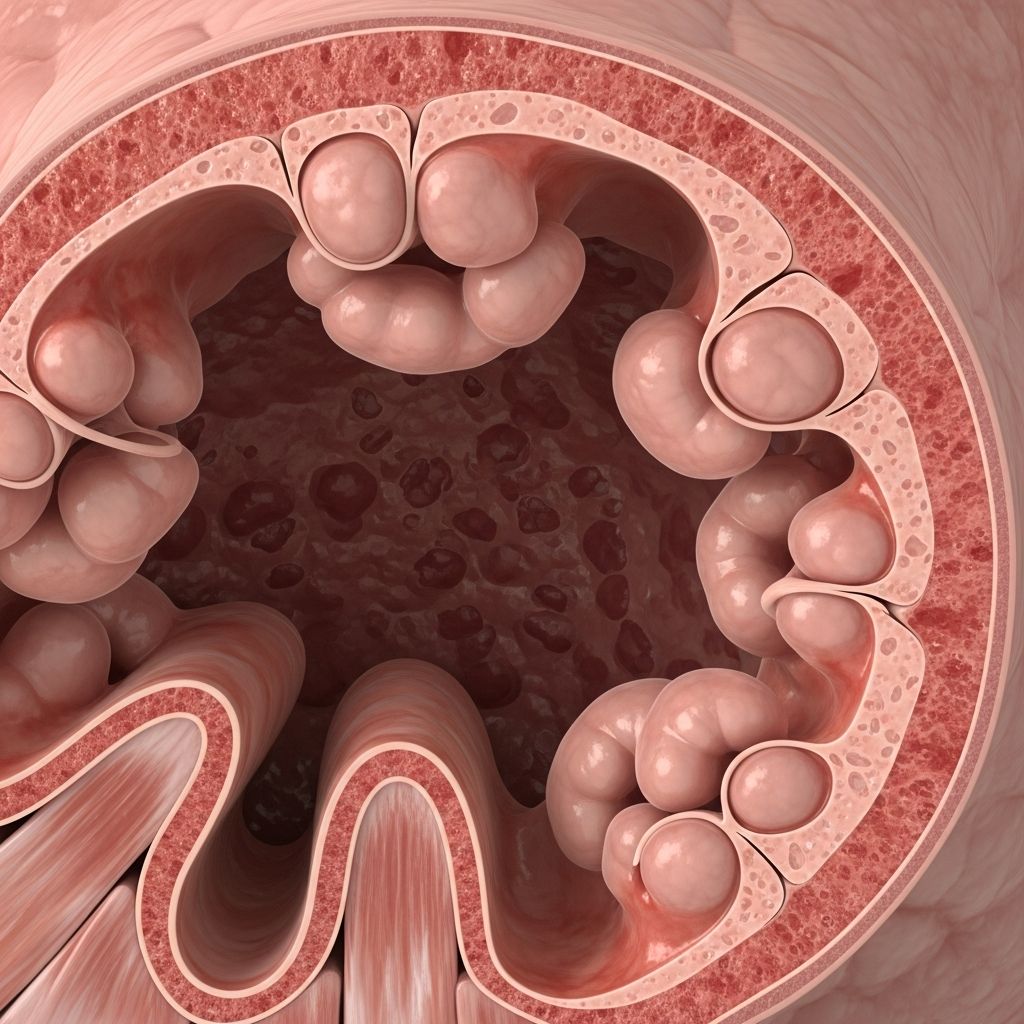
Diverticular disease encompasses a spectrum of conditions affecting the colon, including diverticulosis and diverticulitis. The condition develops when small pouches, called diverticula, form in the walls of the colon. While many people develop these pouches without experiencing any symptoms, others may face significant health challenges. Understanding this disease is essential for recognizing symptoms early and seeking appropriate medical care.
What Are Diverticula?
Diverticula are small, bulging pouches that can form anywhere along the large intestine, though they most commonly develop in the sigmoid colon, the lower portion of the large intestine. These pouches develop when weak spots in the muscular wall of the colon allow the inner lining to push through, creating small sacs. The condition of having these pouches without symptoms or inflammation is called diverticulosis.
Diverticulosis vs. Diverticulitis: Key Differences
It is crucial to understand the distinction between diverticulosis and diverticulitis, as they represent different stages of diverticular disease with different treatment approaches.
Diverticulosis
Diverticulosis refers to the presence of diverticula in the colon. Most people with diverticulosis experience no symptoms and may never know they have the condition. The pouches are simply present but not causing problems. Many individuals discover they have diverticulosis incidentally when undergoing imaging or endoscopic procedures for other reasons. In asymptomatic cases, no treatment is typically necessary, though a high-fiber diet may help prevent future complications.
Diverticulitis
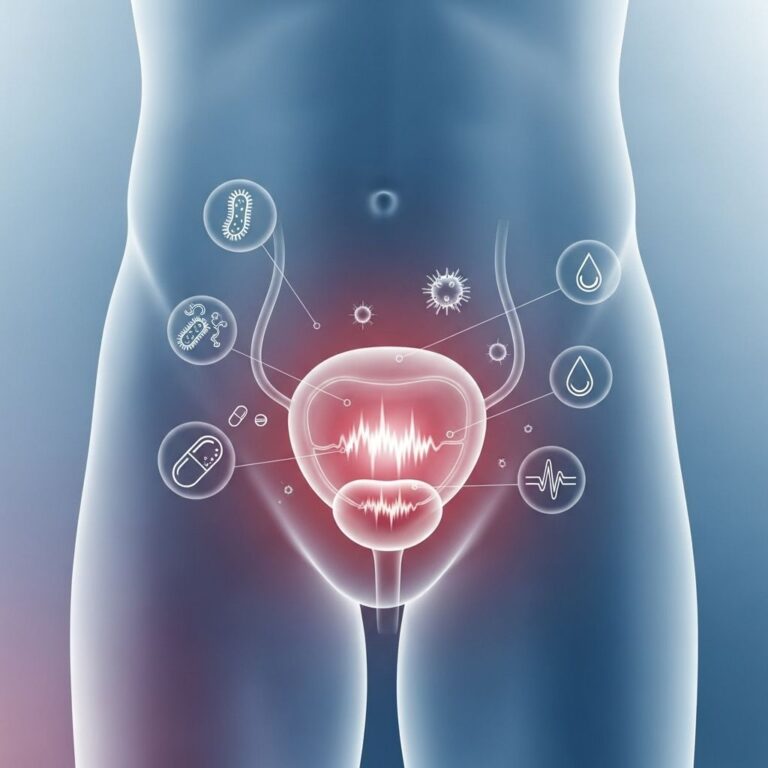
Diverticulitis occurs when one or more diverticula become inflamed or infected. Inflammation is the body’s immune system response that increases blood flow and delivers disease-fighting cells to the affected area. When bacteria or stool become trapped in these pouches, infection can develop, leading to the acute symptoms associated with diverticulitis. This condition requires medical attention and specific treatment to prevent serious complications.
Causes and Risk Factors
Understanding what causes diverticular disease can help individuals make informed lifestyle choices to reduce their risk.
Primary Causes
Researchers believe the leading cause of diverticulosis is the standard Western diet, which is characteristically low in plant fiber and high in processed starches. This dietary pattern contributes to dense food waste that moves slowly through the bowels. As waste becomes increasingly solid during its journey through the colon, it is most likely to cause diverticulosis in the sigmoid colon. The lack of adequate fiber means that the colon must work harder to move stool, creating increased pressure within the intestinal walls.
Risk Factors
Several factors have been identified that increase the likelihood of developing diverticular disease:
- Certain medications: Nonsteroidal anti-inflammatory drugs (NSAIDs) such as aspirin and steroids may increase risk
- Lack of exercise: Sedentary lifestyle contributes to digestive issues
- Obesity: Excess weight is associated with higher incidence
- Smoking: Tobacco use increases risk of complications
Symptoms of Diverticular Disease
The symptoms of diverticular disease vary significantly depending on whether a person has diverticulosis or diverticulitis.
Symptoms of Diverticulosis
Many people with diverticulosis experience no symptoms at all. However, some individuals may develop symptoms such as:
- Changes in bowel movement patterns
- Mild to moderate abdominal pain
- Bloating and gas
- Constipation or diarrhea
Related Stories



Symptoms of Diverticulitis
When diverticulitis develops, symptoms are typically more acute and severe. The characteristic symptom of diverticulitis is sudden and intense pain in the abdomen, most commonly in the lower left quadrant. However, the location of pain may vary depending on where the inflamed diverticulum is located.
Additional symptoms of diverticulitis include:
- Nausea and vomiting
- Fever: Often indicates infection
- Tenderness in the abdomen: Pain when the abdomen is touched
- Changes in stool habits: Sudden diarrhea or constipation
- Dysuria: Pain or difficulty with urination, sometimes called sympathetic cystitis
The pain associated with diverticulitis may be sudden and severe, or it may be mild and gradually worsen over time. The intensity may also fluctuate throughout the course of the illness. It is important to seek medical evaluation if these symptoms develop, as untreated diverticulitis can lead to serious complications.
Pathogenesis: How Diverticulitis Develops
Understanding how diverticulitis develops helps explain why prompt treatment is important. Diverticulitis is believed to develop as a result of a micro- or macro-perforation of a diverticulum. This perforation may be caused by erosion of the luminal wall due to increased intraluminal pressure or thickened fecal material in the neck of the diverticulum.
When a micro-perforation occurs, bacteria escape from the intestinal lumen into surrounding tissues. The body’s immune system typically contains this infection locally through the action of pericolonic fat, mesentery, or adjacent organs, creating a localized phlegmon. If the infection is not contained, it may progress to more serious complications such as abscess formation, perforation, or sepsis.
Diagnosis of Diverticular Disease
Accurate diagnosis is essential for developing an appropriate treatment plan.
Diagnostic Methods
Computed tomography (CT) imaging with intravenous and oral contrast is the preferred diagnostic modality for suspected diverticulitis. CT scans can effectively visualize the inflamed diverticula, assess the severity of inflammation, and identify potential complications such as abscess formation or perforation.
Other diagnostic approaches may include:
- Physical examination: Assessment of abdominal tenderness and pain
- Laboratory tests: Blood tests to check for signs of infection, including elevated white blood cell count (leukocytosis)
- Imaging studies: While endoscopy and contrast radiography are available, CT is preferred for acute diverticulitis
Treatment Options for Diverticular Disease
Treatment depends on the type and severity of diverticular disease. A comprehensive approach considers the patient’s symptoms, overall health, and disease severity.
Treatment of Asymptomatic Diverticulosis
For individuals with diverticulosis who have no symptoms, treatment focuses on prevention:
- High-fiber diet: Primary recommendation to prevent progression to symptomatic disease or diverticulitis
- Regular follow-up: Monitoring to ensure no complications develop
Treatment of Symptomatic Diverticulosis
When diverticulosis causes symptoms such as pain, bloating, or changes in bowel habits, treatment options include:
- High-fiber diet: Gradual increase in fiber intake to reduce symptoms
- Medications: Mesalamine (Asacol) taken daily or in cycles may help reduce symptoms; rifaxomicin (Xifaxan) may also provide symptom relief
- Bulk-forming laxatives: For constipation and diarrhea management
- Antispasmodics: Medicines to help with stomach cramps
- Pain management: Acetaminophen for pain relief
Treatment of Uncomplicated Diverticulitis
For patients with mild uncomplicated diverticulitis who are clinically stable, outpatient treatment is often appropriate:
- Oral antibiotics: Prescribed to cover anaerobic and gram-negative bacteria; typical options include metronidazole (Flagyl) combined with a quinolone, or amoxicillin-clavulanate (Augmentin)
- Clear liquid diet: Initially, with gradual advancement to regular diet over several days
- Rest: Allowing the body to focus on fighting infection
- Pain management: Acetaminophen; morphine should be avoided as it increases intraluminal pressure
Patients should improve within 48 to 72 hours of starting treatment. Antibiotic therapy should typically continue for 7 to 10 days. Close medical follow-up is essential, and hospitalization should be considered if symptoms worsen or the patient cannot tolerate fluids.
Treatment of Severe or Hospitalized Diverticulitis
Patients with severe diverticulitis, significant comorbidities, or inability to tolerate oral intake require hospitalization:
- Intravenous antibiotics: Broader spectrum coverage of anaerobic and gram-negative organisms
- Intravenous fluids: To maintain hydration and electrolyte balance
- Bowel rest: Nothing by mouth initially
- Nasogastric suction: Only if significant ileus is present
- Pain management: Meperidine (Demerol) is preferred over morphine due to its ability to decrease intraluminal pressure
Similar to outpatient management, hospitalized patients should improve within 48 to 72 hours, after which diet can be advanced and the patient discharged to complete a 7 to 10-day course of oral antibiotics.
Treatment of Complicated Diverticulitis
When diverticulitis leads to complications such as abscess formation, perforation, or sepsis, more aggressive intervention may be necessary:
- Percutaneous drainage: CT-guided drainage may be appropriate for smaller abscesses or to stabilize septic patients before surgery
- Surgical consultation: Essential for planning definitive treatment
- Surgical intervention: May be required if complications cannot be managed medically
Complications of Diverticular Disease
While uncomplicated diverticulitis typically heals well with appropriate treatment, complications can develop if the condition is not properly managed.
Possible Complications
- Abscess formation: Collections of infected fluid that may require drainage
- Perforation: Rupture of an inflamed diverticulum, allowing bacteria to spread to the peritoneal cavity
- Peritonitis: Inflammation of the membrane lining the abdominal cavity
- Sepsis: Systemic infection that can become life-threatening
- Fistula: Abnormal connection between the colon and adjacent organs
- Obstruction: Blockage of the intestinal tract
- Scarring: Result of chronic inflammation that may affect bowel function
Prevention of Diverticular Disease
While diverticulosis cannot always be prevented, certain lifestyle modifications may reduce the risk of developing symptoms or complications:
- Increase dietary fiber: Consume adequate amounts of fruits, vegetables, whole grains, and legumes
- Stay physically active: Regular exercise promotes healthy bowel function
- Maintain a healthy weight: Obesity is associated with increased risk
- Avoid NSAIDs when possible: Use alternative pain management strategies
- Quit smoking: If applicable, smoking increases complication risk
- Stay well-hydrated: Adequate water intake supports digestive health
Frequently Asked Questions
Q: Can diverticulosis turn into diverticulitis?
A: Yes, diverticulosis can progress to diverticulitis if bacteria or stool become trapped in the pouches, causing inflammation or infection. However, most people with diverticulosis never develop diverticulitis.
Q: Is diverticulitis contagious?
A: No, diverticulitis is not contagious. It develops due to internal factors such as bacteria trapped in diverticula, not from exposure to infected individuals.
Q: How long does it take to recover from diverticulitis?
A: Most cases of uncomplicated diverticulitis improve within 48 to 72 hours with appropriate treatment. Complete recovery with antibiotic therapy typically takes 7 to 10 days, though full return to normal diet and activity may take longer.
Q: Do I need surgery for diverticulitis?
A: Surgery is typically reserved for complicated cases, recurrent episodes, or severe diverticulitis that cannot be managed medically. Your healthcare provider will determine if surgical intervention is necessary.
Q: What dietary changes help prevent diverticular disease?
A: A high-fiber diet is recommended to prevent symptoms and complications. Gradually increase fiber intake through fruits, vegetables, whole grains, and legumes. Adequate hydration is also important.
Q: Are there medications to prevent diverticulitis?
A: While antibiotics are not routinely used to prevent diverticulitis, certain medications like mesalamine or rifaxomicin may help reduce symptoms in people with symptomatic diverticulosis.
References
- Diverticulitis — Symptoms and causes — Mayo Clinic. 2024. https://www.mayoclinic.org/diseases-conditions/diverticulitis/symptoms-causes/syc-20371758
- Diverticular Disease: Diagnosis and Treatment — American Family Physician. 2005. https://www.aafp.org/pubs/afp/issues/2005/1001/p1229.html
- Diverticular disease and diverticulitis — National Health Service (NHS). 2024. https://www.nhs.uk/conditions/diverticular-disease-and-diverticulitis/
- Diverticulitis — UCSF Department of Surgery. 2024. https://surgery.ucsf.edu/condition/diverticulitis
- Diverticulitis: Symptoms, Causes & Treatment — Cleveland Clinic. 2024. https://my.clevelandclinic.org/health/diseases/10352-diverticulitis
- Diverticulosis: What It Is, Symptoms, Causes & Treatment — Cleveland Clinic. 2024. https://my.clevelandclinic.org/health/diseases/24883-diverticulosis
- Diverticular Disease — American Society of Colon and Rectal Surgeons. 2024. https://fascrs.org/Web/Web/Patients/Diseases-and-Conditions/A-Z/Diverticular-Disease.aspx
Similar Articles








Read full bio of Sneha Tete