Diverticular Disease Of The Colon: Comprehensive Guide For 2025
Understanding diverticular disease: causes, symptoms, and treatment options for colon health.
Diverticular Disease of the Colon: A Comprehensive Guide
Diverticular disease is one of the most frequently encountered gastrointestinal conditions in modern medicine, affecting millions of individuals worldwide each year. The condition encompasses a spectrum of presentations, ranging from asymptomatic diverticulosis to acute diverticulitis with potentially serious complications. Understanding this disease, its risk factors, and available treatment options is essential for both patients and healthcare providers seeking to manage it effectively and prevent complications.
What Is Diverticular Disease?
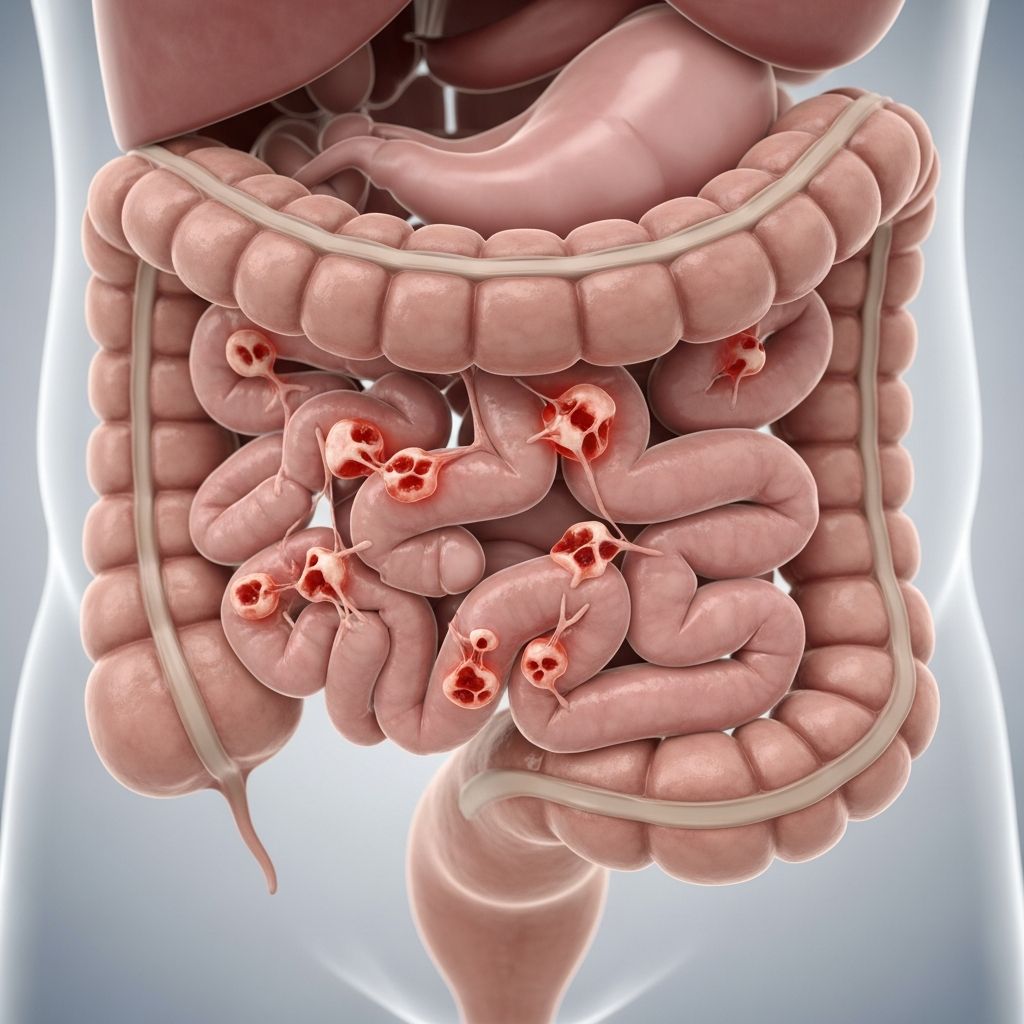
Diverticular disease refers to the presence of small pouches or sacs that develop in the colon wall. These pouches, called diverticula, form when the inner lining of the colon (mucosa and submucosa) herniates through weakened areas in the circular muscle layers of the colonic wall. This typically occurs at sites where blood vessels penetrate the colon wall, creating natural weak points susceptible to herniation.
The term “diverticulosis” describes the presence of these pouches without inflammation or infection, whereas “diverticulitis” refers to the inflammation or infection of these diverticula. It is important to distinguish between these two conditions, as they present different clinical pictures and require different management approaches.
Types of Diverticular Disease
Diverticular disease manifests in several distinct forms, each with different clinical characteristics and treatment considerations:
Acute Diverticulitis
Acute diverticulitis develops suddenly with severe symptoms but typically resolves quickly with appropriate treatment. This form is characterized by acute inflammation and possible infection of one or more diverticula. Patients may experience a single episode or multiple recurrent episodes over time.
Chronic Diverticulitis
Chronic diverticulitis involves recurring episodes of inflammation that may not completely resolve between attacks. This form can result from incomplete healing of previous episodes or underlying chronic colonic conditions. Over time, chronic inflammation may lead to bowel obstruction, strictures, or scarring.
Uncomplicated Diverticulitis
This is the most common form of diverticulitis, characterized by inflammation without significant complications. Uncomplicated diverticulitis typically responds well to conservative treatment measures and has a favorable prognosis.
Complicated Diverticulitis
Complicated diverticulitis occurs when inflammation leads to additional problems such as perforation of a diverticulum, abscess formation, peritonitis, or fistula development. This form requires more aggressive medical intervention and frequently necessitates surgical treatment.
Epidemiology and Prevalence
Diverticular disease has become increasingly common in developed nations, particularly in Western societies. The disease accounted for approximately 2.7 million outpatient visits and over 283,000 hospitalizations annually in the United States. Diverticulosis is frequently discovered incidentally during colonoscopy procedures for other indications, making it one of the most commonly detected conditions during routine screening.
However, it is important to note that while diverticulosis is common, the actual development of diverticulitis is relatively uncommon, affecting only about 4% of individuals with diverticulosis. Among those who experience one episode of diverticulitis, approximately 20% will have recurrent episodes.
Risk Factors and Causes
While the exact mechanisms triggering diverticular disease remain incompletely understood, several risk factors have been identified through epidemiological research:
Related Stories



Lifestyle and Dietary Factors
Low fiber intake has traditionally been associated with increased diverticulosis risk, though recent research has challenged this relationship. Conversely, fiber consumption may help prevent diverticulitis attacks once diverticulosis has developed. Obesity, physical inactivity, and smoking have been identified as significant risk factors for diverticulitis development.
Medications
Certain medications increase the risk of diverticulitis, including nonsteroidal anti-inflammatory drugs (NSAIDs), corticosteroids, and opioid medications. These substances may alter colonic function or increase susceptibility to infection.
Genetic Factors
Research suggests that genetic predisposition may play a role in determining who develops diverticular disease, though specific genetic markers have not been definitively identified. Family history may increase individual risk.
Dietary Patterns
High consumption of red meat and processed foods has been associated with increased diverticulitis risk, whereas a diet rich in vegetables and fruits appears protective. Additionally, adequate hydration supports normal colonic function and may reduce disease risk.
Clinical Presentation and Symptoms
Diverticulosis
Most individuals with diverticulosis remain completely asymptomatic and are unaware of the condition’s presence. The pouches are discovered incidentally during colonoscopy performed for other reasons. However, some patients may experience nonspecific abdominal discomfort, altered bowel habits, or mild cramping.
Diverticulitis
When diverticulitis develops, patients typically experience acute symptoms including:
– Abdominal pain, usually localized to the lower left quadrant (or lower right in Asian populations)- Fever and chills- Nausea and vomiting- Altered bowel habits (constipation or diarrhea)- Loss of appetite- Abdominal tenderness and guarding
In chronic diverticulitis, inflammation may persist between acute episodes, leading to progressive bowel narrowing, chronic pain, bloating, and constipation. Severe cases may result in bowel obstruction with marked abdominal distention, inability to pass stool, and severe pain.
Diagnosis and Evaluation
Healthcare providers employ several diagnostic modalities to identify and assess diverticular disease:
Imaging Studies
Computed tomography (CT) imaging is the gold standard for diagnosing acute diverticulitis, providing detailed visualization of inflammatory changes, abscess formation, and complications. Colonoscopy is used to identify diverticula and exclude other pathology such as malignancy or inflammatory bowel disease.
Laboratory Testing
Blood tests may reveal elevated white blood cell counts indicating infection or inflammation. Urinalysis can help identify urinary tract complications associated with fistula formation.
Physical Examination
Careful abdominal examination often reveals localized tenderness, guarding, and possible rebound tenderness in acute diverticulitis. The clinical presentation helps guide diagnostic and therapeutic decisions.
Complications of Diverticular Disease
While most cases of diverticular disease remain uncomplicated, serious complications can develop without appropriate treatment:
Perforation and Peritonitis
Rupture of an inflamed diverticulum can lead to perforation, releasing colonic contents into the abdominal cavity. This causes peritonitis, a potentially life-threatening infection of the peritoneal lining requiring immediate surgical intervention.
Abscess Formation
Localized collections of infected material may develop adjacent to inflamed diverticula. Smaller abscesses may respond to antibiotics and percutaneous drainage, while larger abscesses typically require surgical management.
Fistula Formation
Chronic inflammation can cause fistulas, abnormal connections between the colon and adjacent organs. Colovesical fistulas (connecting colon to bladder) are most common, potentially causing recurrent urinary tract infections and pneumaturia (gas in urine). Fistulas may also connect to the skin, vagina, or small intestine.
Stricture Formation
Scarring from recurrent inflammation can narrowing the colon, creating strictures that obstruct bowel passage. This may develop progressively, causing chronic constipation, thin stools, and abdominal pain.
Bowel Obstruction
Complete or partial obstruction may develop acutely from inflammation or gradually from stricture formation. Symptoms include constipation, abdominal bloating, cramping pain, and in severe cases, inability to pass stool or gas.
Bleeding
Though less common with diverticulitis specifically, bleeding from diverticula can occur, potentially requiring blood transfusion in severe cases.
Treatment Approaches
Management of Uncomplicated Diverticulitis
Recent evidence has substantially modified traditional treatment paradigms for uncomplicated diverticulitis. Mild to moderate uncomplicated cases may be managed successfully with supportive care alone, including bowel rest, clear liquid diet, and outpatient follow-up. Antibiotics, previously considered mandatory for all patients, are now recognized as potentially unnecessary in mild uncomplicated cases and are reserved for patients with systemic signs of infection, immunosuppression, or moderate to severe disease.
Patients with uncomplicated diverticulitis typically recover within several days to one week with conservative management. Follow-up colonoscopy within 6-8 weeks should be performed to exclude malignancy or inflammatory bowel disease.
Management of Complicated Diverticulitis
Complicated diverticulitis, characterized by perforation, large abscess, or peritonitis, requires more aggressive intervention. Intravenous antibiotics and hospital admission are typically necessary. Percutaneous drainage may be performed for accessible abscesses, often allowing resolution without immediate surgery. Emergency surgical intervention becomes necessary when perforation with peritonitis occurs or when conservative management fails.
Pharmacological Interventions
For uncomplicated diverticulitis with mild symptoms, mild analgesics such as acetaminophen are appropriate; NSAIDs should be avoided as they may increase inflammation. Severe pain typically requires stronger analgesics or parenteral medications. Antimotility agents should be avoided as they may increase perforation risk.
The role of prophylactic medications in preventing recurrent diverticulitis remains unclear. While 5-aminosalicylate products, antibiotics, and probiotics have been studied, evidence for their effectiveness in preventing recurrence is insufficient to support routine use.
Surgical Management
Surgery may be necessary for complicated diverticulitis or recurrent episodes. Two primary surgical approaches exist:
Primary Bowel Resection: The surgeon removes the diseased colonic segment and reconnects healthy portions, preserving normal bowel continuity and allowing normal bowel function postoperatively.
Bowel Resection with Colostomy: When severe inflammation prevents safe reconnection, a temporary or permanent colostomy may be created, directing waste into an external collection bag. Bowel continuity can often be restored in a second procedure after inflammation resolves.
Current evidence suggests that prophylactic surgery following uncomplicated diverticulitis is not universally necessary, as recurrence rates and risk of developing complicated disease are lower than previously believed. Surgical decisions should be individualized based on complication type, patient age, immunocompetence, and ability to access emergency care.
Prevention Strategies
While diverticulosis cannot be prevented once pouches have formed, progression to diverticulitis may be reduced through lifestyle modifications:
Dietary Modifications
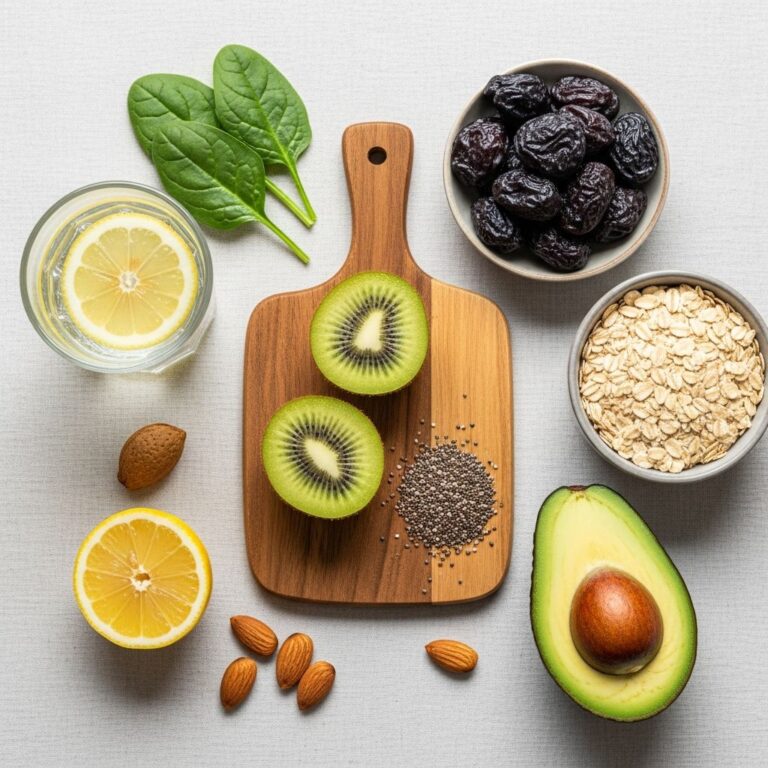
Increasing fiber intake gradually through whole grains, vegetables, legumes, and fruits supports normal colonic function. Fiber supplementation with psyllium or methylcellulose may be beneficial when dietary fiber is insufficient. Patients should avoid foods that trigger symptoms and maintain consistent dietary patterns.
Hydration
Adequate water intake (typically 8-10 glasses daily) supports normal bowel function and stool consistency, reducing constipation risk.
Physical Activity
Regular exercise, including both aerobic activity and strength training, promotes normal intestinal motility and overall health. Sedentary individuals should gradually increase activity levels.
Weight Management
Maintaining a healthy body weight reduces diverticulitis risk. Obese individuals should pursue gradual, sustainable weight loss through dietary modification and exercise.
Smoking Cessation
Smoking increases diverticulitis risk and should be discontinued. Multiple resources and pharmacological aids are available to support cessation efforts.
Medication Management
When possible, NSAID use should be minimized or replaced with acetaminophen for analgesia. Opioid medications should be used judiciously and at the lowest effective dose for the shortest necessary duration.
Frequently Asked Questions
Q: What is the difference between diverticulosis and diverticulitis?
A: Diverticulosis refers to the presence of small pouches (diverticula) in the colon wall without inflammation or infection. Most people with diverticulosis have no symptoms. Diverticulitis occurs when these pouches become inflamed or infected, causing pain, fever, and other symptoms requiring medical treatment.
Q: Is diverticular disease serious?
A: While most cases of diverticular disease are mild and manageable, complications can be serious. Approximately 4% of people with diverticulosis develop diverticulitis. Untreated complications such as perforation, peritonitis, or fistula formation can be life-threatening and require emergency surgery.
Q: Can diverticular disease be prevented?
A: While diverticulosis itself cannot be prevented once pouches have formed, progression to diverticulitis may be reduced through adequate fiber intake, regular exercise, maintaining healthy weight, staying hydrated, avoiding NSAIDs when possible, and not smoking.
Q: Will I need surgery for diverticulitis?
A: Most uncomplicated cases of diverticulitis can be managed with conservative treatment without surgery. Surgery becomes necessary for complicated cases with perforation, severe peritonitis, uncontrolled infection, or recurrent episodes, and should be individualized based on your specific situation.
Q: What should I eat if I have diverticular disease?
A: A high-fiber diet is generally recommended to support colon health and prevent diverticulitis. During acute diverticulitis, a clear liquid diet may be recommended temporarily. Once recovered, gradually increase fiber through whole grains, vegetables, legumes, and fruits while staying well-hydrated.
Q: How common is diverticular disease?
A: Diverticulosis is very common, affecting a significant portion of the population and frequently discovered incidentally during colonoscopy. However, diverticulitis, the inflammatory complication, occurs in only about 4% of those with diverticulosis.
Q: Can diverticulitis recur?
A: Yes, approximately 20% of patients who experience one episode of diverticulitis will have a recurrent episode. However, current evidence suggests that prophylactic surgery is not automatically necessary after the first episode, particularly if it was uncomplicated.
Q: When should I seek emergency care for diverticular disease?
A: Seek immediate medical attention if you experience severe abdominal pain, high fever (above 101.5°F), persistent vomiting, signs of peritonitis (rigid abdomen), inability to eat or drink, or signs of sepsis such as rapid heartbeat or confusion.
References
- Diverticulosis and Diverticulitis — Feuerstein JD, Falchuk KR. Mayo Clinic Proceedings. 2016-08. https://doi.org/10.1016/j.mayocp.2016.03.012
- Understanding Diverticulitis Basics: Symptoms, Causes, Diagnosis, Treatment, Surgery — WebMD. 2024. https://www.webmd.com/digestive-disorders/understanding-diverticulitis-basics
- Diverticular Disease of the Colon — Harvard Health Publishing. 2024. https://www.health.harvard.edu/diseases-and-conditions/diverticular-disease-of-the-colon
Similar Articles








Read full bio of medha deb