Diverticulitis Diet: 3-Phase Guide From Flares To Prevention
Learn the best foods to eat and avoid for managing diverticulitis flares and preventing recurrence with expert dietary guidance.
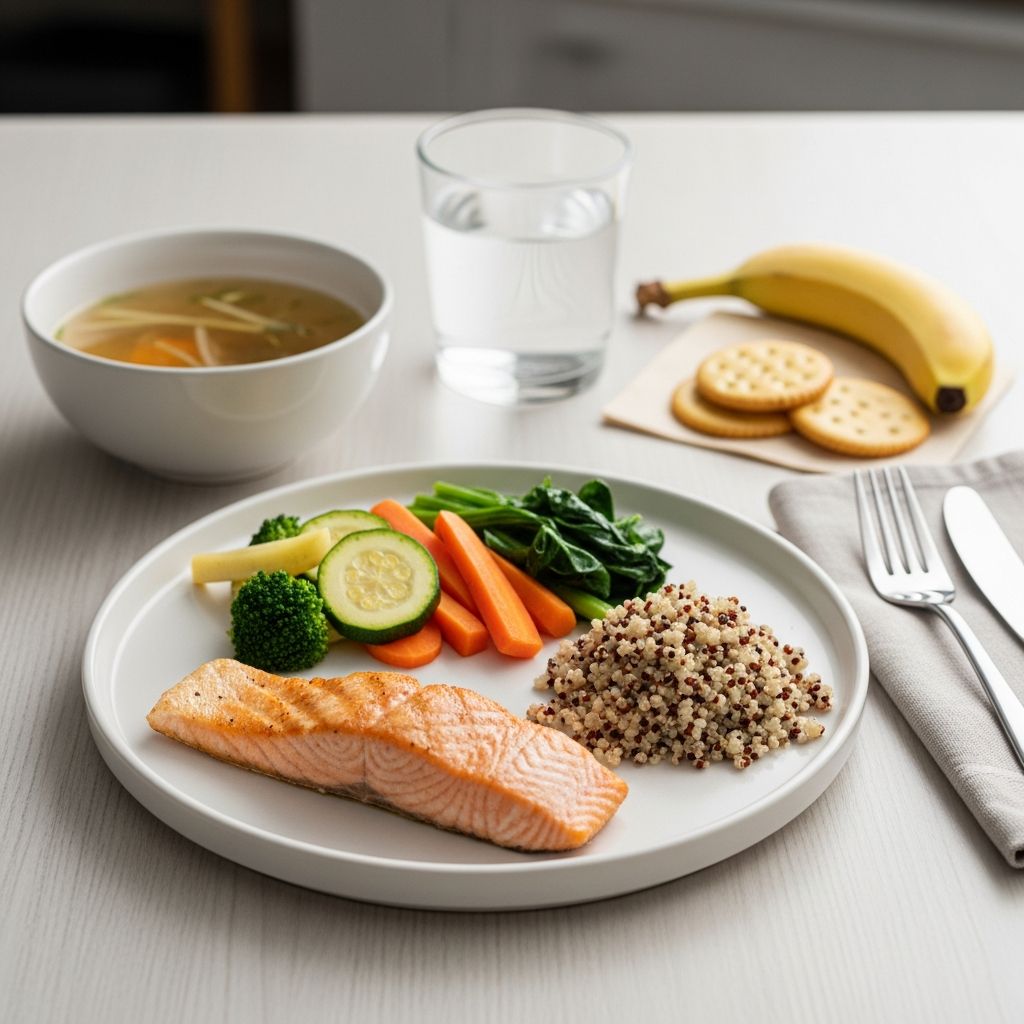
Diverticulitis occurs when small pouches called diverticula in the colon become inflamed or infected, causing abdominal pain, fever, nausea, and changes in bowel habits. While antibiotics and rest are often needed for acute flares, diet plays a crucial role in symptom management, recovery, and prevention of future episodes. A tailored diverticulitis diet progresses through phases: clear liquids during active flares, low-fiber foods for recovery, and high-fiber intake for long-term colon health. Research shows low-fiber diets increase diverticulitis risk by hardening stool and raising colon pressure, while high-fiber eating patterns reduce recurrence by promoting softer stools and regular bowel movements.
What Is Diverticulitis?
Diverticulosis refers to the presence of diverticula—tiny, bulging pouches that form in weakened areas of the colon wall, often due to low-fiber diets, aging, obesity, smoking, or lack of exercise. Most people with diverticulosis remain asymptomatic, but when these pouches get blocked by stool or bacteria, inflammation (diverticulitis) develops. Acute diverticulitis ranges from mild (managed at home) to severe (requiring hospitalization). Symptomatic uncomplicated diverticular disease (SUDD) is common, featuring bloating, pain, and irregular bowels without infection. Segmental colitis associated with diverticulosis (SCAD) mimics inflammatory bowel disease. Diet influences all stages: low fiber and high red meat intake heighten risks, while fiber-rich diets support prevention.
Diverticulitis Diet Phases
The diverticulitis diet evolves with your condition. During flares, rest the gut with minimal residue; gradually reintroduce fiber as symptoms subside to avoid constipation and promote healing. Always consult a doctor or dietitian before changes, as needs vary by severity.
Clear Liquid Diet (Acute Flare-Up)
For severe pain, fever, or nausea, start with clear liquids for 1-2 days or until symptoms ease. This phase minimizes bowel activity, reducing pressure on inflamed diverticula. Aim for 64 ounces of fluids daily to prevent dehydration. Allowed items include:
- Water, herbal tea, clear broth (chicken, beef, vegetable)
- Clear juices (apple, white grape, cranberry—no pulp)
- Gelatin (plain or fruit-flavored, no fruit pieces)
- Sports drinks or oral rehydration solutions for electrolytes
- Ice pops (no dairy or pulp)
Avoid alcohol, caffeine, dairy, and anything colored red/purple (mimics blood). Transition when tolerating liquids without nausea.
Low-Residue/Low-Fiber Diet (Recovery Phase, 2-6 Weeks)
Once pain subsides (typically 2-3 days post-flare), advance to low-fiber foods (10-15g fiber/day). This eases digestion while providing nutrition. Limit to well-cooked, peeled, seedless options. Continue 2-6 weeks or until fully recovered, monitoring symptoms.
| Category | Foods to Eat | Portion Tips |
|---|---|---|
| Grains | White bread, rice, pasta, refined cereals (Cornflakes, Rice Krispies) | 1/2 cup cooked |
| Proteins | Tender poultry, fish, eggs, smooth peanut butter | 3-4 oz |
| Dairy | Low-fat milk, yogurt, cheese (if tolerated) | 1 cup |
| Fruits/Veggies | Canned fruits (peeled applesauce), cooked/canned veggies without skin/seeds (carrots, potatoes) | 1/2 cup |
Foods to avoid: whole grains, raw produce, nuts/seeds, tough meats.
High-Fiber Diet (Maintenance/Prevention)
For diverticulosis or post-recovery, aim for 25-35g fiber/day gradually (increase 5g/week to avoid gas/bloating). High fiber softens stool, lowers colon pressure, and cuts recurrence risk. Research links low fiber to higher diverticulitis odds; diets rich in veggies, fruits, and whole grains are protective.
- Soluble fiber (oatmeal, apples, carrots): Forms gel to ease digestion.
- Insoluble fiber (whole wheat, veggies): Adds bulk for regularity.
Hydrate with 8-10 cups water daily. Benefits include reduced inflammation risk via better nutrient intake (calcium, magnesium, zinc).
Foods to Eat With Diverticulitis
During Flare (Low-Fiber)
Related Stories



- Broth-based soups
- White rice/pasta
- Boiled potatoes (no skin)
- Bananas, applesauce, canned peaches
- Scrambled eggs, tofu
- Low-fat cottage cheese
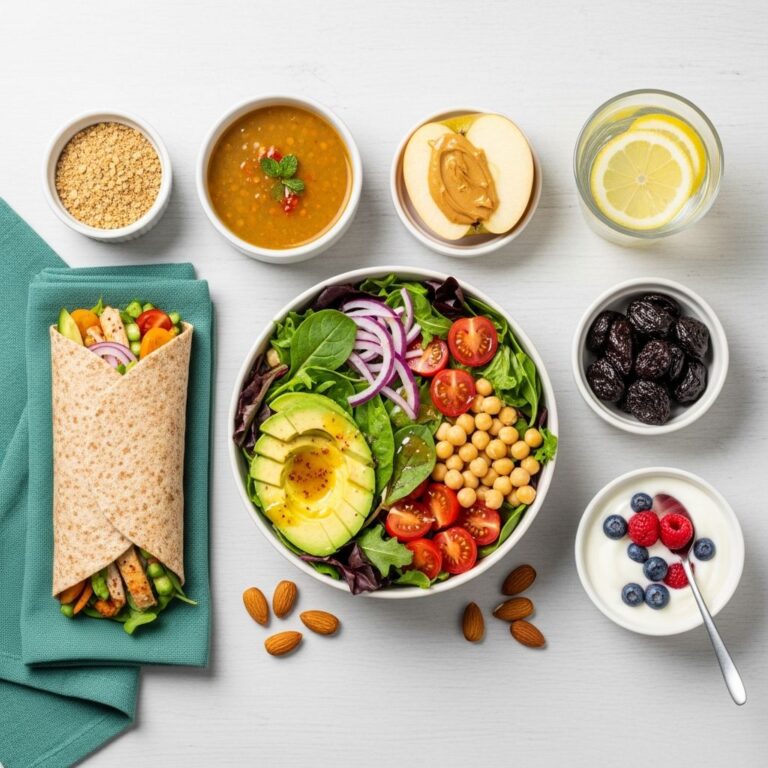
For Prevention (High-Fiber)
- Whole grains: oats, quinoa, brown rice
- Fruits: berries, pears, prunes (with skin when tolerated)
- Veggies: broccoli, spinach, sweet potatoes
- Legumes: lentils, chickpeas (cooked well)
- Nuts/seeds: almonds, popcorn (contrary to old myths; no increased risk)
Anti-inflammatory additions: fatty fish (omega-3s), yogurt (probiotics for gut health).
Foods to Avoid With Diverticulitis
Triggers vary; track personal tolerances. During flares, skip high-fiber/residue foods. Long-term, limit pro-inflammatory items like red meat.
| Phase | Foods to Avoid | Reason |
|---|---|---|
| Flare | Raw veggies, whole grains, nuts/seeds, popcorn, dried fruits, corn, skins/seeds | Hard to digest, irritate gut |
| Recovery | Legumes, cruciferous veggies (broccoli raw), tough meats, fried foods | Cause gas/bloating |
| Always Limit | Red meat, processed foods, high-fat dairy, sugary items | Increase inflammation risk |
High-FODMAPs (onions, garlic, beans during sensitivity) and trans fats worsen symptoms.
Sample Menus
Clear Liquid Day
- Breakfast: Herbal tea, apple juice
- Lunch: Clear broth, gelatin
- Dinner: Cranberry juice, ice pops
- Snacks: Water, electrolyte drink
Low-Fiber Day (Recovery)
- Breakfast: White toast with smooth peanut butter, low-fat yogurt
- Lunch: White rice, boiled chicken, carrots
- Dinner: Baked fish, mashed potatoes, applesauce
- Snacks: Canned peaches, saltine crackers
High-Fiber Prevention Day
- Breakfast: Oatmeal with banana, low-fat milk
- Lunch: Quinoa salad with spinach, chickpeas, olive oil
- Dinner: Grilled salmon, brown rice, broccoli
- Snacks: Apple with skin, handful almonds, yogurt
Total fiber ~30g. Adjust portions; aim for balanced macros: 45-65% carbs, 20-35% fats, 10-20% protein.
Other Lifestyle Tips
- Exercise: 30 min daily walking reduces pressure.
- Hydration: 8+ cups water.
- Weight management: Obesity raises risk.
- Quit smoking: Impairs healing.
- Probiotics: May support gut flora post-antibiotics.
Track symptoms in a food diary. If flares recur, seek colonoscopy or specialist care.
Frequently Asked Questions (FAQs)
Can I eat nuts and seeds with diverticulitis?
Yes, current evidence shows no increased risk; old advice debunked. Introduce gradually in prevention phase.
How much fiber for prevention?
25-35g/day for adults, from diverse sources. Increase slowly.
Is red meat bad for diverticulitis?
High intake links to higher risk via low fiber and inflammation. Limit to <18 oz/week.
When to resume normal diet?
After 4-6 weeks low-fiber if symptoms gone; transition to high-fiber under guidance.
Does dairy worsen diverticulitis?
If lactose intolerant, yes during flares. Choose low-fat, lactose-free options.
References
- Managing diverticula: dietary changes for a more comfortable life — PMC/NCBI. 2024. https://pmc.ncbi.nlm.nih.gov/articles/PMC11966515/
- Diverticulitis Diet: What Foods to Eat & Avoid by Phase — Season Health. 2023. https://www.seasonhealth.com/blog/what-foods-to-eat-with-diverticulitis
- Diverticulitis Diet: 7 Foods to Avoid for Digestive Health — UCF Health. 2023. https://ucfhealth.com/our-services/primary-care/diverticulitis-diet-foods-to-avoid/
Similar Articles








Read full bio of Sneha Tete