Diverticulosis: Understanding Causes, Symptoms & Treatment
Comprehensive guide to diverticulosis: Learn about this common colon condition and how to manage it.
What Is Diverticulosis?
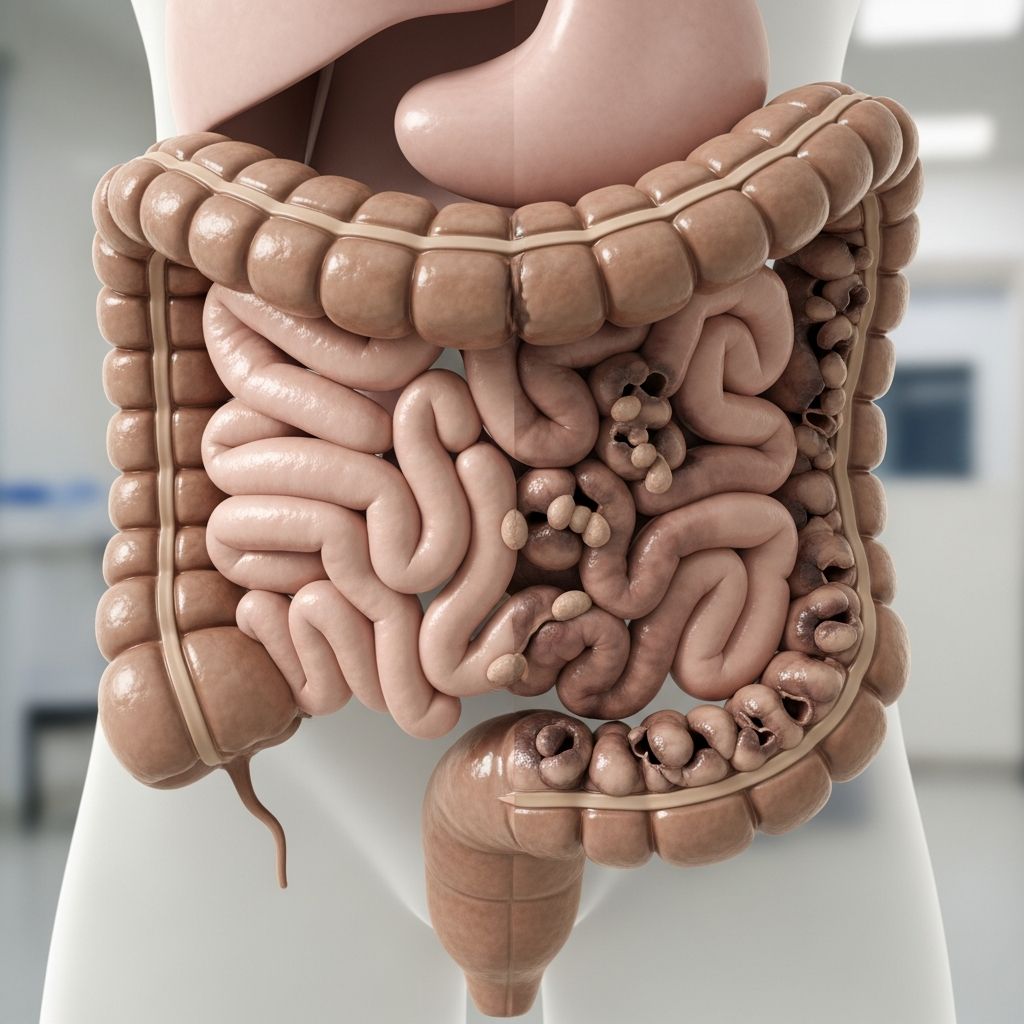
Diverticulosis is a common condition in which small pockets or pouches, called diverticula, develop on the inside of your colon. These small pouches form when the inner lining of your colon pushes through weak spots in the muscular wall. In most cases, diverticulosis causes no symptoms and many people don’t even realize they have the condition. However, diverticulosis can sometimes lead to complications, including diverticulitis, which occurs when one or more of these pouches become infected or inflamed.
The condition is increasingly common as people age. Studies show that diverticulosis is seen in the vast majority of patients after reaching a certain age, particularly those over 60 years old. While diverticulosis itself is typically harmless, understanding the condition and knowing when to seek medical care is important for maintaining digestive health.
How Common Is Diverticulosis?
Diverticulosis is extremely prevalent in developed countries. The condition affects a significant portion of the population, with rates increasing with age. By age 80, approximately 50% to 60% of people have some degree of diverticulosis. The condition is less common in younger individuals but can develop at any age. African Americans and people of certain ethnic backgrounds may develop diverticulosis at younger ages compared to other populations.
Despite its high prevalence, most people with diverticulosis never experience symptoms or complications. It is often discovered incidentally when people undergo colonoscopies for other reasons, such as cancer screening or evaluation of gastrointestinal symptoms.
Understanding the Anatomy
To understand diverticulosis, it’s helpful to know how your colon is structured. Your colon, also called the large intestine, is a muscular tube that absorbs water and electrolytes from food waste before it exits your body as stool. The colon has natural weak points where blood vessels penetrate the muscular wall. Over time, pressure within the colon can cause the inner lining to push through these weak spots, creating small pouches called diverticula.
The sigmoid colon, located in the lower left portion of your abdomen, is the most common location for diverticula to develop. This is because the sigmoid colon has the smallest diameter and generates the highest pressures during normal bowel function.
Risk Factors for Developing Diverticulosis
Several factors increase your risk of developing diverticulosis:
- Age: Risk increases significantly after age 40, with most cases occurring in people over 60
- Low-fiber diet: A diet lacking in fiber can increase pressure in the colon and contribute to pouch formation
- Obesity: Excess weight may increase intra-colonic pressure
- Sedentary lifestyle: Lack of physical activity is associated with increased risk
- Certain medications: Long-term use of NSAIDs or corticosteroids may increase risk
- Genetic factors: Family history of diverticulosis increases your likelihood of developing the condition
- Connective tissue disorders: Conditions that affect collagen may weaken the colon wall
Symptoms of Diverticulosis
Related Stories



Most people with diverticulosis experience no symptoms whatsoever. The condition is often discovered incidentally during screening colonoscopies or imaging tests performed for other reasons. When symptoms do occur, they may be mild and intermittent, including:
- Mild abdominal pain or cramping, usually in the lower left portion of the abdomen
- Bloating and gas
- Constipation or diarrhea
- Rectal bleeding or blood in the stool
It’s important to note that not everyone experiences these symptoms, and many people live their entire lives with diverticulosis without ever knowing they have it. Symptoms may come and go, and they are often attributed to other digestive issues like irritable bowel syndrome.
Diverticulosis vs. Diverticulitis
An important distinction exists between diverticulosis and diverticulitis. Diverticulosis is simply the presence of diverticula in your colon without any inflammation or infection. Diverticulitis occurs when one or more of these pouches become infected or inflamed. This is a more serious condition that typically requires medical treatment.
The difference is significant: diverticulosis alone usually requires no treatment and causes no complications, while diverticulitis can cause severe symptoms and potentially serious complications if left untreated. Understanding this distinction helps patients and healthcare providers determine the appropriate course of action.
Diagnosis of Diverticulosis
Since diverticulosis often causes no symptoms, it’s frequently discovered during routine screening or investigations for other conditions. Your healthcare provider may use several methods to confirm diverticulosis:
Colonoscopy: This procedure allows your doctor to visualize the inside of your colon using a thin, flexible camera. This is the gold standard for confirming the presence of diverticula and is commonly used during routine cancer screening.
CT Scan: Computed tomography is a quick and effective imaging test that can show the extent of diverticula in your colon. It can also identify any complications associated with diverticulosis.
Barium Enema: In this test, barium dye is introduced into your colon through an enema, and X-rays are taken to visualize the colon’s structure. While less commonly used today, it can still effectively show diverticula.
Blood Tests: If your doctor suspects diverticulitis or complications, blood tests may be ordered to check for signs of infection or inflammation.
Treatment Options for Diverticulosis
Conservative Management
Most people with uncomplicated diverticulosis require no specific treatment. Your healthcare provider will focus on preventing complications and managing any symptoms that develop. This typically involves lifestyle modifications and dietary changes.
Dietary Modifications
One of the most important aspects of managing diverticulosis is maintaining a high-fiber diet. Adequate fiber intake helps regulate bowel movements, reduces pressure in the colon, and may prevent the development of additional diverticula. Most adults should aim for 25 to 35 grams of fiber daily from sources such as:
- Whole grains and cereals
- Fruits and vegetables
- Legumes and beans
- Nuts and seeds
It’s important to increase fiber intake gradually and drink plenty of water, as sudden increases in fiber without adequate hydration can cause bloating and gas.
Lifestyle Changes
Regular physical activity, maintaining a healthy weight, and staying well-hydrated all contribute to colon health. These lifestyle modifications can help prevent diverticulitis and reduce symptoms associated with diverticulosis.
When to Seek Medical Care
While diverticulosis alone typically doesn’t require urgent treatment, you should contact your healthcare provider if you experience:
- Severe abdominal pain
- Persistent fever
- Significant rectal bleeding
- Changes in bowel habits that persist for more than a few days
- Signs of diverticulitis, including acute pain in the lower left abdomen, fever, and chills
Prevention Strategies
While you cannot completely prevent diverticulosis development, especially if you have genetic predisposition or are aging, you can reduce your risk and help prevent complications through several strategies:
- Eat a high-fiber diet rich in whole grains, fruits, and vegetables
- Drink adequate water and stay well-hydrated
- Exercise regularly and maintain physical activity
- Avoid prolonged use of NSAIDs if possible
- Maintain a healthy body weight
- Respond promptly to the urge to have a bowel movement
Complications of Diverticulosis
Although rare, diverticulosis can lead to serious complications if one or more pouches become infected or inflamed. Diverticulitis is the most common complication. In severe cases, diverticulitis can lead to perforation of the colon, abscess formation, fistulas, or bowel obstruction. Only a small percentage of people with diverticulosis will develop these complications, and when they do occur, they typically resolve quickly with appropriate treatment.
Prognosis and Life Expectancy
Diverticulosis should not affect your overall life expectancy. Most people with the condition live normal, healthy lives without experiencing any complications. Even when complications develop, modern medical treatment is highly effective at managing them. Only in rare cases involving bowel perforation or ruptured abscesses would you be at risk of life-threatening complications, and even these are treatable with prompt medical intervention.
Frequently Asked Questions About Diverticulosis
Q: Can diverticulosis be cured?
A: Diverticulosis itself cannot be reversed or cured, as the pouches that form are permanent. However, the condition can be effectively managed through diet and lifestyle modifications to prevent complications and maintain digestive health.
Q: Will I definitely develop diverticulitis if I have diverticulosis?
A: No. Most people with diverticulosis never develop diverticulitis. While the risk exists, the majority of people with diverticula live their entire lives without experiencing inflammation or infection of these pouches.
Q: Can I eat normally with diverticulosis?
A: Yes. Most people with diverticulosis can eat a normal, varied diet. In fact, a high-fiber diet is recommended to help prevent complications. Specific dietary restrictions are typically only necessary during a diverticulitis flare-up.
Q: How often should I be screened if I have diverticulosis?
A: Screening recommendations depend on your age and individual risk factors. Follow your healthcare provider’s recommendations for routine colonoscopy screening, typically every 10 years for average-risk adults without symptoms.
Q: Is surgery necessary for diverticulosis?
A: Surgery is rarely necessary for uncomplicated diverticulosis. It is typically reserved for cases of recurrent diverticulitis or complicated disease. Your healthcare provider can discuss whether surgery may benefit you based on your specific situation.
Q: Does stress cause diverticulosis?
A: While stress doesn’t directly cause diverticulosis, it may exacerbate digestive symptoms in some people. Managing stress through exercise, meditation, and relaxation techniques can support overall digestive health.
References
- Diverticulosis: What It Is, Symptoms, Causes & Treatment — Cleveland Clinic. 2024. https://my.clevelandclinic.org/health/diseases/24883-diverticulosis
- Diverticulitis: Symptoms, Causes & Treatment — Cleveland Clinic. 2024. https://my.clevelandclinic.org/health/diseases/10352-diverticulitis
- Diverticulitis Surgery: Options, Recovery & What To Expect — Cleveland Clinic. 2024. https://my.clevelandclinic.org/health/procedures/diverticulitis-surgery
- Recognizing and managing acute diverticulitis for the internist — Cleveland Clinic Journal of Medicine, Vol. 72, No. 7. 2005. https://www.ccjm.org/content/ccjom/72/7/620.full.pdf
- Diverticular Disease — Cleveland Clinic Abu Dhabi. 2024. https://www.clevelandclinicabudhabi.ae/en/health-hub/health-resource/diseases-and-conditions/diverticular-disease
Similar Articles








Read full bio of medha deb