DIY Don’ts: Why At-Home Mole Removal Is a Bad Idea
Discover the serious health risks of DIY mole removal and why professional dermatological care is essential for safety and accurate diagnosis.
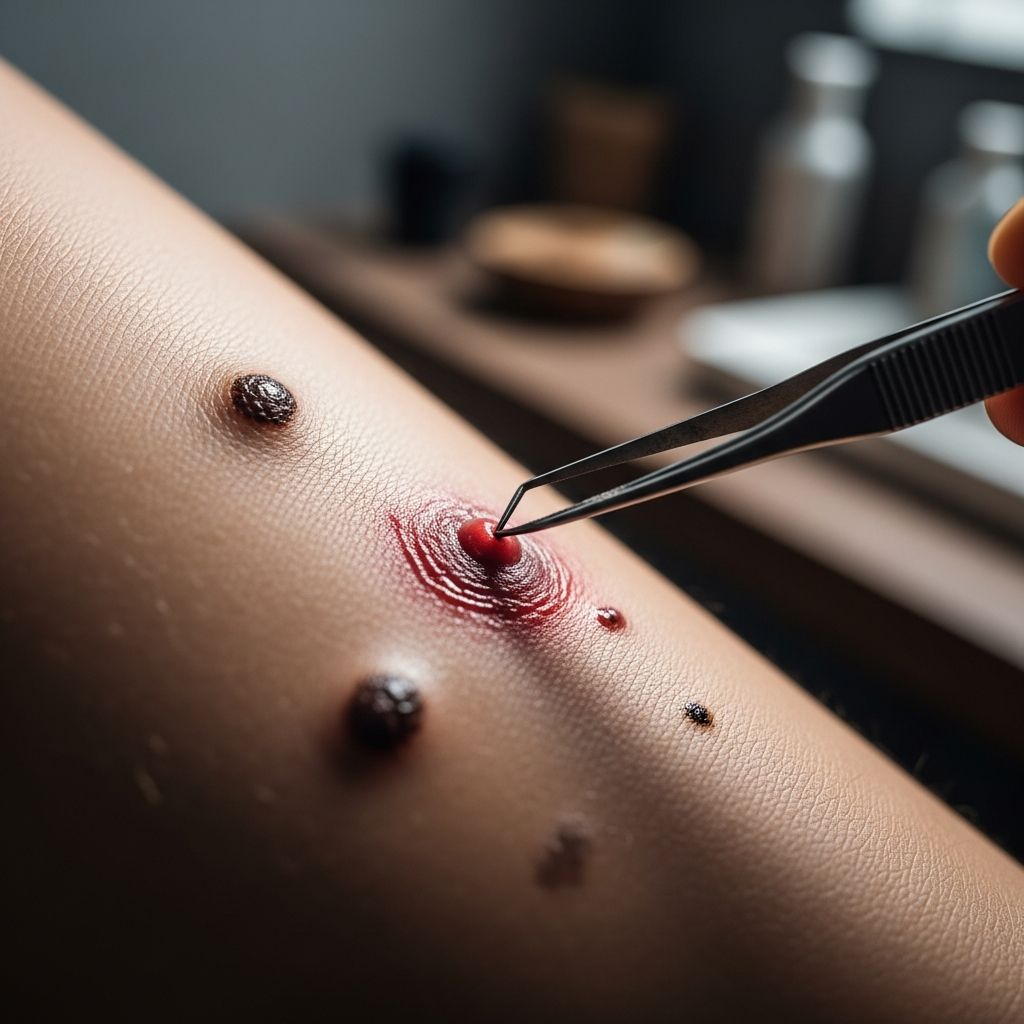
Attempting to remove moles at home using DIY methods is extremely risky and strongly discouraged by medical professionals. Between cosmetic complications, incomplete removal, infection risks, and the potential to overlook or spread skin cancer like melanoma, self-removal can have life-threatening consequences.
“This isn’t like giving yourself a haircut,” warns Dr. Marc Avram, former president of the American Society for Dermatologic Surgery. “There are very serious risks associated with trying to remove a mole yourself.”
Missing Melanoma: The Deadliest Risk
The most critical danger of at-home mole removal is the possibility of severing a melanoma without realizing it. Melanoma, an aggressive form of skin cancer, can rapidly metastasize to other organs if not detected early. If you cut off what appears to be a bothersome mole, cancerous cells may remain in the skin and enter the bloodstream, spreading undetected.
Board-certified dermatologists always perform a biopsy on removed tissue to confirm if it’s benign or malignant. Without this step, you forgo diagnosis and necessary follow-up treatments, such as wider excision surgery to remove remaining cancer cells.
“You may chop off a mole you don’t like, thinking you’re saving money by not going to the doctor, but you might actually be chopping off a melanoma,” explains Dr. Sarnoff. Early professional intervention is key, as melanoma survival rates drop dramatically in later stages.
- Asymmetry: One half doesn’t match the other.
- Border irregularity: Edges are ragged or blurred.
- Color variation: Multiple shades of brown, black, or red.
- Diameter: Larger than 6mm (pencil eraser size).
- Evolving: Changes in size, shape, or symptoms like itching or bleeding (ABCDE rule for suspicious moles).
Any mole exhibiting these traits warrants immediate dermatologist evaluation, not home experimentation.
Infection: A Common and Preventable Complication
Home procedures rarely meet sterile medical standards. Without proper sanitation of tools, skin preparation, or post-op care, infections are highly likely. Even minor infections delay healing, cause pain, and heighten scarring risks.
Dermatologists use sterilized equipment, antibiotics if needed, and precise techniques to minimize this. At home, bacteria thrive in non-sterile environments, potentially leading to abscesses or systemic infections requiring hospitalization.
| Risk Factor | At-Home Removal | Professional Removal |
|---|---|---|
| Sterilization | Inadequate (kitchen tools) | Medical-grade sterile |
| Skin Prep | Improper cleaning | Antiseptic protocols |
| Aftercare | Unmonitored | Guided with follow-ups |
| Infection Rate | High | Low (<1%) |
Data from clinical practices show professional removals have infection rates under 1%, versus significantly higher DIY incidents.
Scarring: Counterproductive Cosmetic Outcomes
People often seek mole removal for aesthetics, yet DIY attempts frequently worsen appearance. Improper cutting leads to hypertrophic (raised, bumpy) or atrophic (pitted, chickenpox-like) scars.
Professionals employ techniques like shave excision, punch biopsy, or surgical excision with precise suturing to minimize visible scarring. They also consider skin type, location, and healing potential for optimal results.
Related Stories



At-home methods lack depth control, often leaving irregular wounds that heal poorly. Infection or tension on the site exacerbates keloid or contracture scars, defeating the cosmetic goal.
Incomplete Removal: Setting Up Future Problems
DIY tools rarely excise the entire mole, shaving off only the surface. Remaining deeper cells cause regrowth, often irregular and suspicious-looking, complicating future professional assessments.
Lasers or acids marketed online alter tissue in ways that mimic cancer histologically, leading to false positives, unnecessary biopsies, or misdiagnosis.
Partial removal of a potentially cancerous mole leaves viable cells behind, allowing progression. Regrown moles may appear asymmetrical or multicolored, prompting alarm.
- Regrowth: Mole returns altered.
- Altered Appearance: Mimics malignancy.
- Diagnostic Interference: Biopsy inconclusive.
Why Professional Removal Is Safe and Effective
Dermatologists tailor procedures to the mole’s characteristics:
- Shave Excision: For raised, benign moles; quick healing.
- Punch Excision: Deep moles; full removal with biopsy.
- Surgical Excision: Suspicious moles; margins checked for cancer.
Post-procedure care includes wound cleaning, ointments, and sun protection to optimize healing. Risks like scarring exist but are minimized.
Removing benign moles doesn’t cause cancer; it prevents overlooking transformations. Suspicious moles require histopathology for confirmation.
When to See a Dermatologist
Consult a professional for:
- New or changing moles.
- ABCDE irregularities.
- Itching, bleeding, or pain.
- Cosmetic concerns in visible areas.
- Family history of skin cancer.
Early detection saves lives; self-treatment delays it.
Frequently Asked Questions (FAQs)
Can removing a mole cause cancer?
No, professional removal doesn’t cause cancer. It may reveal pre-existing melanoma via biopsy. DIY can spread undiagnosed cancer.
Is at-home mole removal safe?
No, due to infection, scarring, incomplete excision, and cancer risks. Always seek dermatologists.
What happens if I cut off a cancerous mole at home?
Cells remain, potentially metastasizing without biopsy or treatment.
How do dermatologists minimize scarring?
Using precise techniques, suturing, and aftercare tailored to skin type.
Should I remove all my moles?
No, only suspicious or bothersome ones after evaluation. Routine removal unnecessary.
Final Advice from Experts
“I would never recommend at-home mole or skin tag removal,” states Dr. Sarnoff. “Call a dermatologist, and don’t take no for an answer if you’re concerned about something new, changing or unusual on your skin.”
Prioritize skin health over convenience. Regular checks and professional care prevent tragedies.
References
- Why You Shouldn’t Do DIY Mole Removal at Home — Dr. Leo Lapuerta. 2023. https://lookyounger.net/blog/why-home-mole-removal-dangerous/
- Should I Get Moles Removed — Manningham Skin Cancer Clinic. 2024. https://www.manninghamskincancer.com.au/should-i-get-moles-removed/
- Is it harmful to have moles removed? — Prof. Dr. Sezai Aydın. 2023. https://www.drsezaiaydin.com/en/blog/is-it-harmful-to-have-moles-removed
- Can removing a mole cause cancer? — Spot Check Clinic. 2024. https://spotcheck.clinic/faq/removing-mole-cause-cancer/
- DIY Don’ts: Why At-Home Mole Removal Is a Bad Idea — Skin Cancer Foundation. 2023-10-12. https://www.skincancer.org/blog/diy-donts-why-at-home-mole-removal-is-a-bad-idea/
- When to Consider Mole Removal: Signs, Risks, and Cosmetic Considerations — Hernandez Skin Cancer. 2024. https://www.hernandezskincancer.com/blog/1118866-when-to-consider-mole-removal-signs-risks-and-cosmetic-considerations/
Similar Articles








Read full bio of medha deb