Dizziness Causes: Symptoms, Treatments, And Expert Insights
Explore the most common causes of dizziness, from inner ear issues to circulation problems and medication side effects.
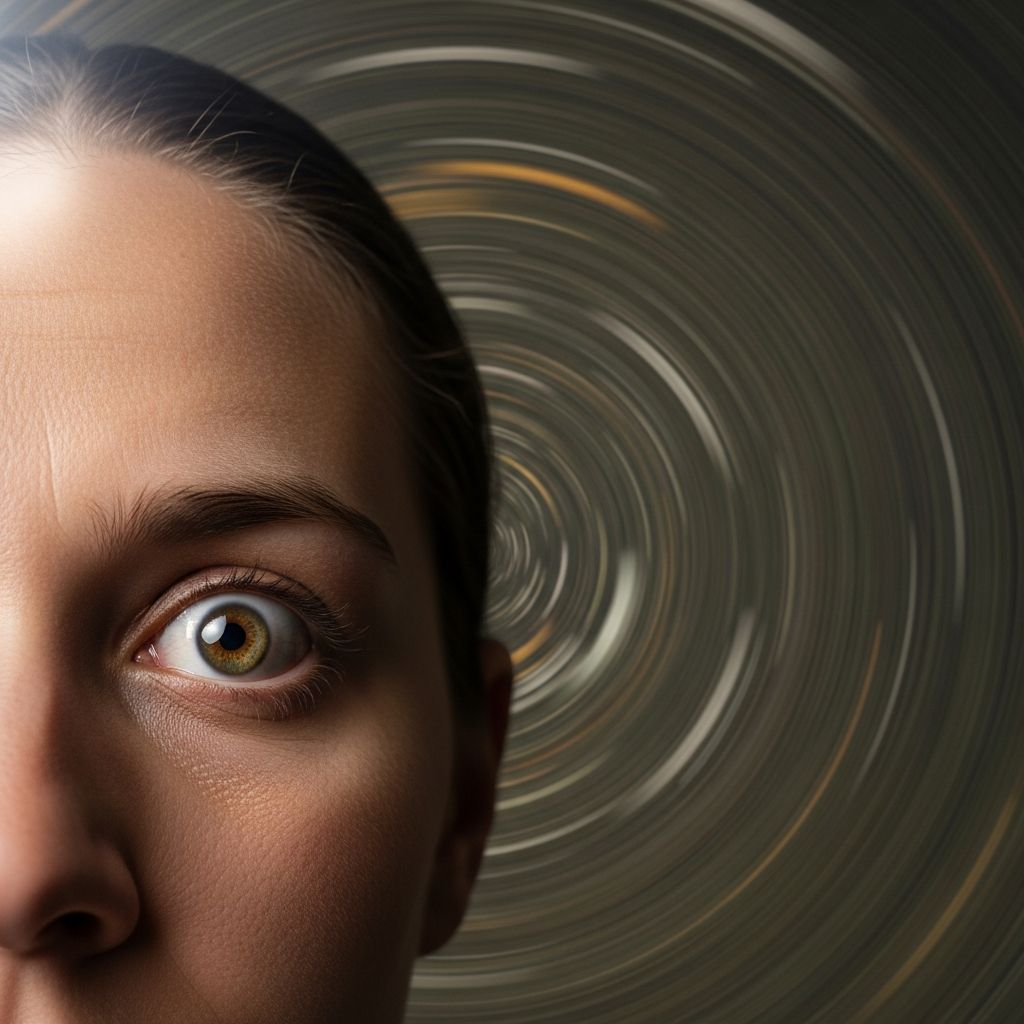
Dizziness is a common sensation that can feel like lightheadedness, imbalance, or the false sense that you or your surroundings are spinning, known as vertigo. It affects millions worldwide and can range from mild and fleeting to severe and debilitating. While often benign, persistent dizziness warrants medical evaluation to rule out serious underlying conditions.
The sensation arises from disruptions in the body’s balance system, which relies on input from the eyes, sensory nerves, and inner ear. Triggers vary widely, including head movements, medications, or changes in blood pressure. This article breaks down the primary causes, symptoms, and expert insights to help you identify potential reasons for your dizziness.
What Does Dizziness Feel Like?
Dizziness isn’t a disease but a symptom with distinct sensations:
- Lightheadedness: Feeling faint or woozy, often due to reduced blood flow to the brain.
- Vertigo: A spinning sensation where the room seems to rotate, typically linked to inner ear problems.
- Presyncope: Near-fainting with blurred vision, sweating, or nausea.
- Imbalance or disequilibrium: Unsteadiness, like walking on a boat.
Duration and triggers provide clues: brief episodes from position changes suggest BPPV, while prolonged spinning may indicate infection or Meniere’s disease.
Inner Ear Conditions That Cause Dizziness Due to Vertigo
The inner ear, or vestibular system, is crucial for balance, detecting motion and gravity. Disruptions here often cause true vertigo. Common conditions include:
Benign Paroxysmal Positional Vertigo (BPPV)
**BPPV** is the most frequent vertigo cause, affecting up to 2.4% of people at some point. It occurs when tiny calcium particles (otoconia) dislodge in the inner ear’s semicircular canals, triggering false spinning signals during head movements like rolling over in bed or looking up.
Symptoms: Intense, short-lived vertigo (under 60 seconds) with nystagmus (eye jerking). No hearing loss or headache typically. It’s benign but disruptive, often resolving with Epley maneuvers—simple head repositioning exercises performed by clinicians.
Vestibular Neuritis and Labyrinthitis
These stem from viral infections inflaming the vestibular nerve (neuritis) or inner ear structures (labyrinthitis). Symptoms hit suddenly: severe, constant vertigo lasting days, nausea, vomiting, and imbalance. Hearing loss accompanies labyrinthitis.
Recovery takes weeks with vestibular rehab therapy; steroids may reduce inflammation if caught early. Bacterial causes are rarer but more serious, potentially linked to meningitis.
Meniere’s Disease
A chronic disorder from excess fluid (endolymph) in the inner ear, causing episodic vertigo attacks lasting 20 minutes to hours, plus fluctuating hearing loss, tinnitus, and ear fullness. Affects 0.2% lifetime prevalence, often one ear.
Treatment: Low-salt diet, diuretics, anti-nausea meds; severe cases may need injections or surgery.
Related Stories



Vestibular Migraine
Even without headache, migraines can provoke vertigo bouts lasting minutes to days, with sensitivity to light/sound. It’s the top cause of spontaneous vertigo attacks, prevalence ~1%. Triggers: stress, foods, hormones. Managed with migraine preventives like beta-blockers.
Circulation Problems That Cause Dizziness
Insufficient blood to the brain leads to lightheadedness or fainting:
- Orthostatic Hypotension: Blood pressure drops upon standing, common in dehydration, aging, or meds. Symptoms: brief dizziness post-position change.
- Cardiac Issues: Arrhythmias, heart failure, or clots reduce brain perfusion. Accompanied by chest pain, palpitations.
- Poor Blood Flow: Transient ischemic attacks (mini-strokes) or cardiomyopathy mimic vertigo but signal urgency.
Other Causes of Dizziness
Beyond ears and circulation:
Medications
Common culprits: antihypertensives, antidepressants, sedatives, anti-seizure drugs. They lower BP excessively or affect balance nerves. Always review meds with your doctor.
Nervous System Conditions
Parkinson’s, multiple sclerosis, or strokes progressively impair balance. Central vertigo from brainstem lesions differs: less intense, with neurological signs like double vision.
Overheating and Dehydration
Hot weather or exertion without fluids causes orthostatic symptoms, worsened by diuretics.
Carbon Monoxide Poisoning
Flu-like with headache, dizziness; requires immediate ventilation.
Other Factors
- Anxiety disorders (phobic vertigo).
- Head injuries.
- Autoimmune issues or toxins.
When to See a Doctor for Dizziness
Seek immediate care if:
- Sudden vertigo with headache, speech issues, weakness (stroke risk).
- Persistent symptoms >1 week.
- With chest pain, vision loss, or falls.
Diagnosis involves history, physical exams (Dix-Hallpike for BPPV), audiometry, or imaging.
Treatment Options
| Condition | Treatments |
|---|---|
| BPPV | Epley maneuver, rehab |
| Vestibular Neuritis | Steroids, antiemetics, therapy |
| Meniere’s | Diet, diuretics, surgery |
| Migraine | Preventives, lifestyle |
| Circulatory | BP management, cardiology eval |
Frequently Asked Questions (FAQs)
What is the most common cause of dizziness?
BPPV tops the list, triggered by head position changes due to inner ear crystals.
Can stress cause dizziness?
Yes, via vestibular migraine or anxiety-induced hyperventilation.
How long does vertigo from BPPV last?
Typically 30-60 seconds per episode.
Is dizziness a sign of stroke?
Possibly, especially with sudden onset and neuro symptoms—call emergency services.
Can medications cause chronic dizziness?
Yes; consult your doctor to adjust or switch.
References
- Dizziness – Symptoms and causes — Mayo Clinic. 2023-10-12. https://www.mayoclinic.org/diseases-conditions/dizziness/symptoms-causes/syc-20371787
- What Causes Vertigo and Dizziness? — Grady Health. 2024-05-15. https://www.gradyhealth.org/blog/what-causes-vertigo-and-dizziness/
- Diagnosis and Treatment of Vertigo and Dizziness — PMC (NCBI). 2009-03-13. https://pmc.ncbi.nlm.nih.gov/articles/PMC2696792/
- Vertigo: Why the Room Is Spinning and What it Means — Bayfront Health. 2023-08-20. https://www.bayfronthealth.com/content-hub/vertigo-why-the-room-is-spinning-and-what-it-means/
Similar Articles








Read full bio of medha deb