DMSO and MSM for Osteoarthritis Treatment
Exploring the evidence and safety of DMSO and MSM supplements for osteoarthritis relief.
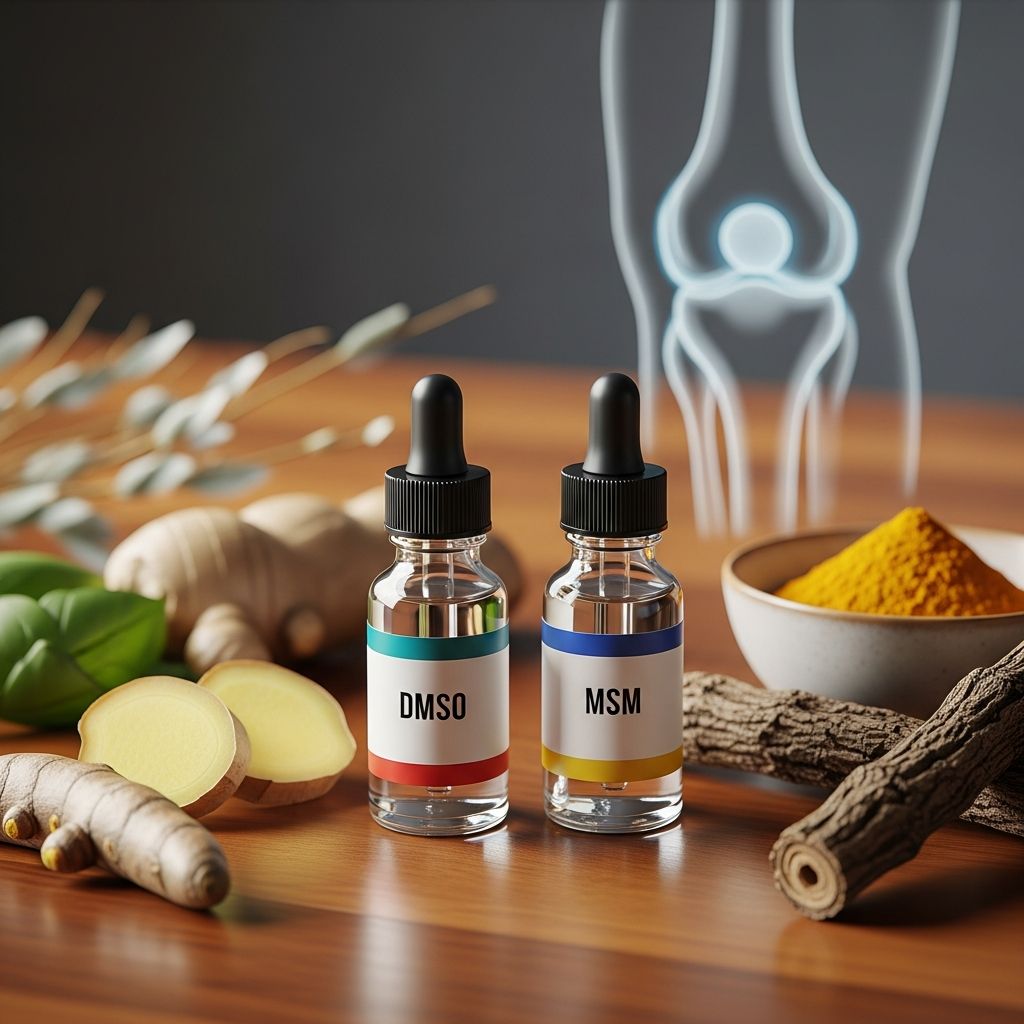
Understanding Dimethyl Sulfoxide (DMSO) and Methylsulfonylmethane (MSM)
Dimethyl sulfoxide (DMSO) and methylsulfonylmethane (MSM) are two chemically related substances that have attracted significant attention in the complementary and alternative medicine community as potential treatments for osteoarthritis. These substances represent a category of natural compounds that individuals suffering from chronic joint pain often explore when seeking relief from symptoms. Understanding their chemical composition, how they are administered, and what the current scientific evidence reveals is essential for anyone considering these options.
DMSO is a colorless liquid that is applied topically to the skin, while MSM is sold as a dietary supplement in various formulations, often either as a standalone product or combined with other ingredients such as glucosamine and chondroitin. Both compounds contain sulfur, which proponents believe plays a role in maintaining healthy connective tissue and reducing inflammation within affected joints.
What is Osteoarthritis?
Osteoarthritis (OA) represents one of the most prevalent forms of arthritis worldwide, affecting millions of individuals across different age groups and demographics. This chronic degenerative disease is characterized by complex disorders affecting the entire synovial joint, including structural defects of hyaline articular cartilage, loss of intact subchondral bone, tissue hypertrophy, and instability of tendons and ligaments. The worldwide prevalence of hip and knee osteoarthritis is estimated to affect approximately 300 million people, making it a significant public health concern.
The pathogenesis of osteoarthritis involves multiple complex mechanisms, with one of the primary factors being a disturbed cytokine balance that favors proinflammatory cytokines. This imbalance initiates a vicious cycle leading to progressive damage of cartilage and other intra-articular structures. As the disease progresses, individuals experience pain, stiffness, reduced mobility, and diminished quality of life. Conventional treatment approaches using non-steroidal anti-inflammatory drugs (NSAIDs) are often associated with serious gastrointestinal side effects, prompting the search for safer alternative treatment options.
How DMSO Works
Dimethyl sulfoxide functions as a topical agent that is typically diluted for therapeutic use, with concentrations ranging from 25 percent to 90 percent depending on the preparation and clinical application. DMSO is believed to work through several mechanisms including anti-inflammatory action, analgesic properties, and potential tissue penetration that may enhance the delivery of therapeutic compounds to affected joints.
The mechanism of action involves DMSO’s ability to reduce inflammation by potentially inhibiting inflammatory mediators and pathways within the joint tissue. Additionally, DMSO is thought to act as a carrier molecule that can penetrate the skin and deliver other therapeutic compounds deeper into joint tissues, potentially enhancing treatment efficacy when combined with other agents.
How MSM Works
Methylsulfonylmethane is a supplement containing organic sulfur that has been reported to slow anatomical joint progressivity in osteoarthritis through exerting anti-inflammatory properties. The mechanism of action for MSM involves several pathways that may contribute to its potential therapeutic effects. In vitro studies have demonstrated that MSM inhibits the nuclear factor kappa-light chain-enhancer of activated B cells (NF-κB), resulting in the reduced expression of interleukin-1 (IL-1), interleukin-6 (IL-6), and tumor necrosis factor-alpha (TNF-α). These proinflammatory cytokines play crucial roles in the inflammatory cascade that damages joint tissues.
Several studies using MSM have reported decreased cartilage degeneration and an improvement in pain and physical function. The sulfur component in MSM is theorized to support the formation and maintenance of connective tissues, including cartilage, collagen, and other structural components essential for joint health.
Research Evidence for DMSO and MSM
Despite the widespread interest in DMSO and MSM for osteoarthritis treatment, the amount of rigorous research conducted on these substances remains limited. A systematic review examining the nutritional supplements DMSO and MSM evaluated randomized controlled trials for treating osteoarthritis. The review identified six studies focusing on osteoarthritis of the knee, with 297 patients receiving active DMSO treatment and 52 patients receiving active MSM treatment.
DMSO Trial Results
The findings from DMSO studies presented several methodological concerns. Two of the four DMSO trials reported significant improvement in pain outcomes in the treatment group compared to comparator treatments; however, these studies were characterized by poor methodology including possible unblinding, questionable treatment duration, and uncertain optimal dosage. The doses of DMSO used in trials were often below current therapeutic recommendations and administered for inadequate durations (less than three months). These limitations significantly impact the ability to draw definitive conclusions about DMSO’s efficacy.
MSM Trial Results
The data from MSM trials provide more positive but still not definitive evidence that MSM is superior to placebo in treating mild to moderate osteoarthritis of the knee. One notable study demonstrated that 12-week consumption of 2000 mg of MSM daily resulted in significantly improved health condition scores and lower Japanese Knee Osteoarthritis Measure (JKOM) scores compared to placebo. The participants in the MSM group experienced significantly lower health condition scores at 12 weeks compared to the placebo group (p = 0.027), with differences in total JKOM scores between groups of -0.5 (p = 0.032).
Four items of the JKOM questionnaire showed significant changes in the MSM group: morning pain, nocturnal pain, pain while standing, and overall health condition. However, study limitations included lack of appropriate markers to better assess the anti-inflammatory properties of MSM.
Meta-Analysis Findings
A meta-analysis that pooled data from DMSO and MSM trials together demonstrated a small effect in favor of DMSO/MSM when compared to placebo, with a pain reduction of 6.3 millimeters on the visual analog scale (95 percent confidence interval 2.41 to 10.27). However, this analysis was associated with significant heterogeneity, suggesting that the combined effect may not be entirely reliable due to variations between studies.
Dosage and Administration
The suggested oral dose for MSM is typically 4 to 6 grams per day, with some clinical trials administering 3 grams twice daily (6 grams total daily dose). The 12-week studies demonstrating positive results used 2000 mg (2 grams) of MSM daily, showing that lower doses may still provide measurable benefits for mild to moderate knee osteoarthritis.
For DMSO, topical preparations vary in concentration from 25 percent to 90 percent, depending on the specific formulation and therapeutic intent. However, it is important to note that many clinical trials have employed dosages and treatment durations that fall short of current therapeutic recommendations, complicating the establishment of evidence-based dosing guidelines.
Safety Profile and Side Effects
The safety of DMSO and MSM remains uncertain because very limited research has been conducted specifically examining their long-term safety profiles and potential adverse effects.
DMSO Side Effects
The known side effects of DMSO include digestive upset, skin irritation, and a distinctive garlic-like taste, breath, and body odor. These organoleptic effects, while not dangerous, can significantly impact user compliance and quality of life. Some individuals may find the persistent garlic-like smell objectionable enough to discontinue use. Additionally, digestive upset can range from mild discomfort to more significant gastrointestinal disturbances in sensitive individuals.
MSM Side Effects
The documented side effects of MSM include allergic reactions, digestive upsets, and skin rashes. While these side effects are generally considered mild to moderate in severity, they can still affect a portion of the population using the supplement. Allergic reactions may vary in severity from mild rashes to more significant hypersensitivity responses in susceptible individuals.
Research Limitations and Gaps
Several significant limitations characterize the current body of research on DMSO and MSM for osteoarthritis treatment. First, the overall amount of research is minimal compared to other osteoarthritis interventions. The quality of many DMSO studies has been questioned due to methodological issues including possible unblinding, inadequate treatment duration, and uncertain optimal dosages. Furthermore, concerns remain regarding the optimal dosage and treatment period for both compounds, as studies have used varying doses and durations that may not represent therapeutic equivalents.
The need for longer-term safety studies is particularly acute, as most available research focuses on relatively short treatment periods. Additionally, further definitive efficacy trials are required to establish whether these supplements offer genuine benefits beyond placebo effects or represent merely natural alternatives without scientific merit.
Current Scientific Consensus
The current scientific consensus from authoritative sources including the National Center for Complementary and Integrative Health (NCCIH) states that only a small amount of research has been conducted on DMSO or MSM for osteoarthritis, and no definitive conclusions can be reached about whether either of these substances is genuinely helpful. This cautious stance reflects the limitations in the existing evidence base and the need for more rigorous, well-designed clinical trials before definitive recommendations can be made.
Combining DMSO and MSM with Other Treatments
In many clinical trials, DMSO and MSM were assessed as alternatives rather than supplements to conventional osteoarthritis medications. This means that all other systemic and topical medications were stopped before trial commencement, which limits the ability to understand how these substances interact with or complement standard medical treatments. In clinical practice, individuals considering DMSO or MSM should not automatically discontinue conventional osteoarthritis medications without consulting their healthcare provider.
Key Considerations Before Using DMSO or MSM
Before considering DMSO or MSM for osteoarthritis treatment, several important factors should be evaluated. The limited evidence base means that individual responses may vary significantly, and what works for one person may not work for another. Additionally, the potential for side effects, though generally mild, should be carefully considered. It is particularly important to consult with a healthcare provider before starting these supplements, especially if you are taking other medications or have underlying health conditions that could interact with these substances.
Frequently Asked Questions (FAQs)
Q: Is DMSO approved by the FDA for osteoarthritis treatment?
A: DMSO has limited FDA approval and is primarily recognized for treating interstitial cystitis. Its use for osteoarthritis remains investigational and off-label, meaning the evidence supporting its efficacy for joint pain is not conclusive.
Q: Can I use DMSO and MSM together?
A: While some combination products exist, the safety and efficacy of using DMSO and MSM together have not been rigorously studied. Always consult your healthcare provider before combining supplements.
Q: How long does it take for MSM to work?
A: Studies examining MSM typically used 12-week treatment periods to assess efficacy. Some individuals may notice improvements within this timeframe, but individual responses vary considerably.
Q: Are DMSO and MSM safe for long-term use?
A: The long-term safety of both DMSO and MSM is uncertain due to limited research. Individuals considering long-term use should consult their healthcare provider regarding potential risks and monitoring.
Q: Can DMSO or MSM interact with my medications?
A: Yes, potential drug interactions are possible. DMSO in particular can affect the absorption and metabolism of certain medications. Always inform your healthcare provider about any supplements you are considering.
Q: What is the difference between prescription DMSO and over-the-counter DMSO products?
A: Prescription DMSO is FDA-approved for specific conditions and meets rigorous quality standards. Over-the-counter DMSO products sold as supplements may vary in purity and concentration and are not regulated with the same stringency.
Recommendations for Moving Forward
If you are considering DMSO or MSM for osteoarthritis, the most important step is to consult with your healthcare provider. Your healthcare team can help evaluate whether these substances are appropriate for your specific situation, considering your medical history, current medications, and individual risk factors. Additionally, discussing other evidence-based approaches to osteoarthritis management, such as physical therapy, weight management, and conventional medications, can help develop a comprehensive treatment strategy.
Further research is needed to definitively establish the efficacy and safety of these supplements. Participating in clinical trials investigating these substances can contribute to advancing our understanding while potentially providing access to investigational treatments under medical supervision.
References
- Systematic review of the nutritional supplements Dimethyl sulfoxide (DMSO) and Methylsulfonylmethane (MSM) in the treatment of osteoarthritis — Brien, S., Prescott, P., Bashir, N., Lewith, H. and Lewith, G. 2008-11. https://doi.org/10.1016/j.joca.2008.03.002
- MSM Supplementation Significantly Reduces Pain and Improves General Health in Healthy Subjects with Mild Knee Pain — Natural Health Research. 2024. https://naturalhealthresearch.org/msm-supplementation-significantly-reduces-pain-and-improves-general-health-in-healthy-subjects-with-mild-knee-pain/
- What is the evidence for dimethyl sulfoxide (DMSO) and methylsulfonylmethane (MSM) in the treatment of osteoarthritis of the knee? — MSK Medicine. 2024. https://mskmedicine.com/ebm-article/what-is-the-evidence-for-dimethyl-sulfoxide-dmso-and-methylsulfonylmethane-msm-in-the-treatment-of-osteoarthritis-of-the-knee-2/
- Dalle Carbonare L, Bertacco J, Marchetto G, et al. Methylsulfonylmethane enhances MSC chondrogenic commitment and promotes pre-osteoblasts formation — Stem Cell Research & Therapy. 2021-06-05. https://doi.org/10.1186/s13287-021-02396-5
- Dimethyl Sulfoxide (DMSO) and Methylsulfonylmethane (MSM) for Osteoarthritis — National Center for Complementary and Integrative Health (NCCIH). 2024. https://www.nccih.nih.gov/health/dimethyl-sulfoxide-dmso-and-methylsulfonylmethane-msm-for-osteoarthritis
Similar Articles








Read full bio of medha deb