Do Antibiotics Cause Constipation? 3 Relief Strategies
Uncover how antibiotics disrupt gut health, leading to constipation, and discover effective strategies to prevent and manage this common side effect.
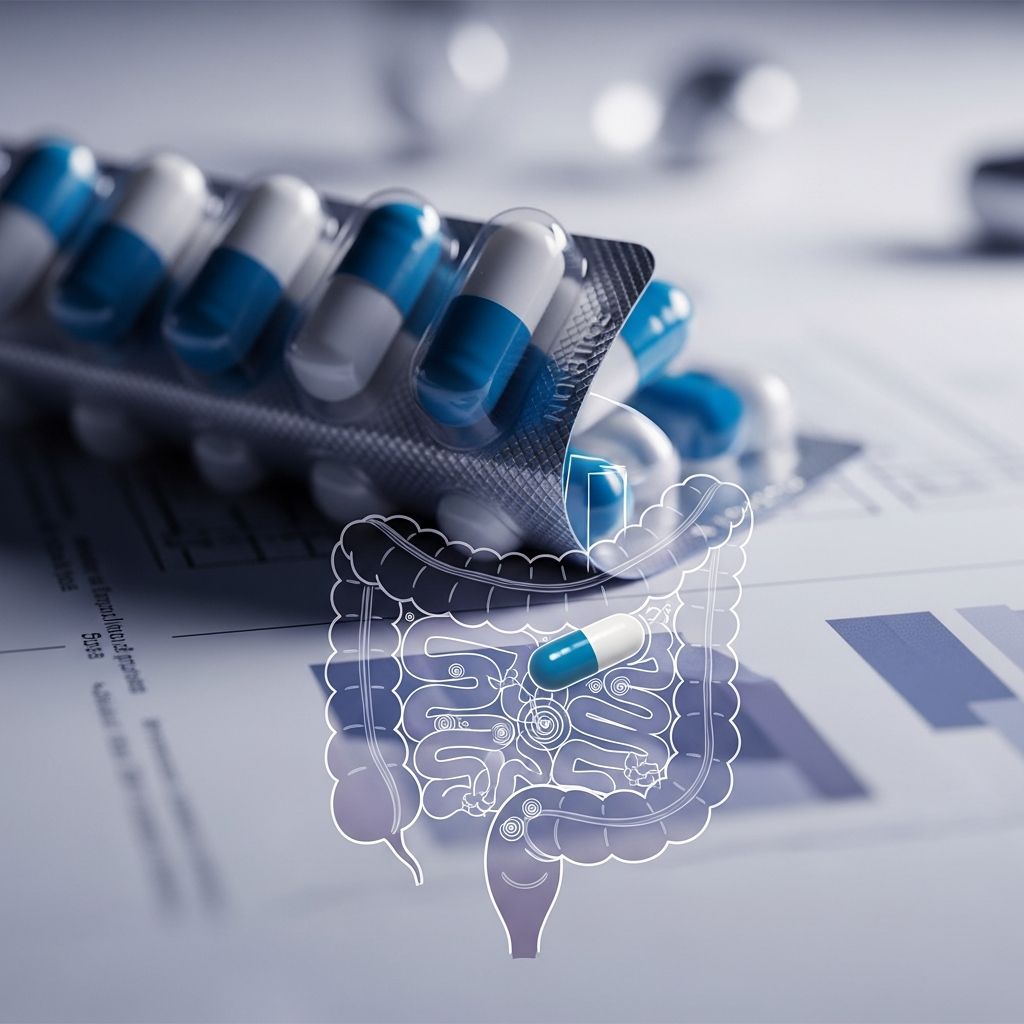
Antibiotics are essential for treating bacterial infections, but they can disrupt the gut microbiome, leading to side effects like
constipation
. This occurs because antibiotics kill both harmful and beneficial bacteria, altering digestion and bowel regularity.Why Do Antibiotics Cause Constipation?
The gut microbiome consists of trillions of bacteria that aid digestion, produce vitamins, and regulate bowel movements. Broad-spectrum antibiotics indiscriminately eliminate these microbes, reducing beneficial strains like Bifidobacteria and Lactobacilli that promote soft stools and motility.
This imbalance, known as dysbiosis, slows intestinal transit time, hardens stools, and causes constipation. A 2021 study highlights a bidirectional relationship where microbiome changes trigger constipation, which further disrupts bacteria. Children and adults alike may experience this, though antibiotics more commonly cause diarrhea; constipation is rarer but possible.
- Key Mechanism: Loss of short-chain fatty acid-producing bacteria reduces water retention in the colon.
- Risk Factors: Broad-spectrum drugs (e.g., amoxicillin, clindamycin), prolonged use, or pre-existing gut issues increase likelihood.
Which Antibiotics Are Most Likely to Cause Constipation?
Not all antibiotics equally affect the gut. Broad-spectrum ones pose higher risks by wiping out diverse bacteria. Specific drugs linked to gastrointestinal disruptions include:
| Antibiotic | Type | Gut Impact Risk |
|---|---|---|
| Amoxicillin | Penicillin | High (diarrhea common, constipation possible) |
| Clindamycin | Lincosamide | Very High (C. diff risk) |
| Cephalosporins | Beta-lactam | Moderate-High |
| Fluoroquinolones | Quinolone | Moderate (bloating, motility issues) |
| Ampicillin | Penicillin | High |
Data from clinical observations show clindamycin and cephalosporins elevate C. diff risk, which can paradoxically cause constipation alongside diarrhea. Narrow-spectrum antibiotics like rifaximin target gut bacteria selectively and may even treat constipation-predominant IBS (IBS-C).
Symptoms of Constipation After Antibiotics
Constipation from antibiotics typically emerges 3-7 days into treatment and may persist post-course due to lingering dysbiosis. Common symptoms mirror general constipation but often accompany other gut issues:
- Infrequent bowel movements (fewer than 3 per week)
- Hard, lumpy stools requiring straining
- Abdominal bloating, gas, or cramping
- Sensation of incomplete evacuation
- Reduced appetite or nausea
Severe cases may signal complications like C. diff, with added fever, bloody stools, or severe pain. Unlike transient side effects, persistent symptoms (beyond 2 weeks) could indicate post-infectious IBS.
Can Antibiotics Cause IBS?
Yes, antibiotic use correlates with increased IBS risk, particularly post-infectious IBS after gastroenteritis treatment. A 2023 study linked prior antibiotic exposure to higher IBS incidence, with symptoms like pain, bloating, and alternating constipation/diarrhea lasting months or years.
Antibiotics may exacerbate IBS-C by promoting small intestinal bacterial overgrowth (SIBO), fermented gases, and altered motility. However, rifaximin has shown efficacy in alleviating IBS-C symptoms by reducing bacterial overgrowth.
- IBS Symptoms Post-Antibiotics: Abdominal pain, bowel habit changes, fatigue, anxiety.
Other Gut Side Effects of Antibiotics
Beyond constipation, antibiotics disrupt digestion broadly:
- Diarrhea: Most common, due to osmotic effects from undigested carbs.
- Nausea/Vomiting: Direct irritation or microbiome shifts.
- Bloating/Gas: Fermentation by surviving bacteria.
- C. diff Infection: Overgrowth of toxin-producing bacteria, potentially fatal; symptoms include watery diarrhea, constipation, fever.
In children, side effects like cramping and nausea underscore the need for judicious prescribing.
Related Stories



How Long Does Constipation Last After Antibiotics?
Recovery varies: mild cases resolve within days of stopping antibiotics as the microbiome rebounds. Persistent dysbiosis can prolong symptoms for weeks or months, especially without intervention. Full gut recovery may take 1-6 months, per anecdotal and study reports.
Factors influencing duration:
- Antibiotic type/duration
- Individual microbiome resilience
- Diet and probiotic use
Prevention and Treatment: How to Relieve Constipation
Probiotics and Gut Recovery
Probiotics replenish beneficial bacteria, potentially shortening constipation duration. Strains like Saccharomyces boulardii or Lactobacillus rhamnosus reduce antibiotic-associated diarrhea by 50-60% in meta-analyses, with emerging evidence for constipation relief.
- Start probiotics on day 1 of antibiotics, continue 2-4 weeks after.
- Foods: Yogurt, kefir, sauerkraut.
- Consult a doctor; not all strains suit everyone.
Lifestyle and Dietary Remedies
Support recovery with:
- Hydration: 8-10 glasses of water daily to soften stools.
- Fiber: 25-30g/day from soluble sources (oats, psyllium) to bulk stools without gas.
- Exercise: 30 minutes daily walking stimulates motility.
- Avoid: Dairy, processed foods if intolerant.
Laxatives and Medical Options
Over-the-counter options like polyethylene glycol (MiraLAX) or stimulant laxatives provide relief but use short-term to avoid dependency. For severe cases, doctors may prescribe rifaximin or test for SIBO/C. diff.
When to See a Doctor
Seek immediate care if constipation accompanies:
- Severe pain, vomiting, blood in stool
- Fever >101°F or dehydration
- No bowel movement >3 days despite remedies
- Weight loss or persistent symptoms >2 weeks
These may indicate C. diff or IBS onset; prompt diagnosis prevents complications.
Frequently Asked Questions (FAQs)
Do antibiotics always cause constipation?
No, only some people experience it; risk depends on the drug, dosage, and individual factors.
Are probiotics safe with antibiotics?
Generally yes, but consult your doctor for strain and timing recommendations.
Can children get constipation from antibiotics?
Yes, though diarrhea is more common; probiotics may help prevent issues.
Does constipation from antibiotics lead to long-term gut problems?
Possibly IBS in susceptible individuals; early intervention reduces risk.
How can I prevent gut issues before starting antibiotics?
Discuss probiotics, maintain fiber/hydration, and query narrow-spectrum options.
References
- Can IBS Develop After Antibiotic Use? Causes and Symptoms — Healthline. 2023. https://www.healthline.com/health/ibs/ibs-after-antibiotic-use
- Can antibiotics cause constipation: What is the link? — Medical News Today. 2023. https://www.medicalnewstoday.com/articles/can-antibiotics-cause-constipation
- Antibiotics and Gut Health — Children’s Health. 2024. https://www.childrens.com/health-wellness/antibiotics-and-gut-health
- Antibiotics for the management of constipation predominant irritable bowel syndrome — PMC (NCBI). 2019-05-27. https://pmc.ncbi.nlm.nih.gov/articles/PMC6516964/
Similar Articles








Read full bio of medha deb