Do Carbs Make You Gain Weight? Essential Guide To Healthy Carbs
Unraveling the truth about carbohydrates and weight gain: It's not just about quantity, but quality and context.
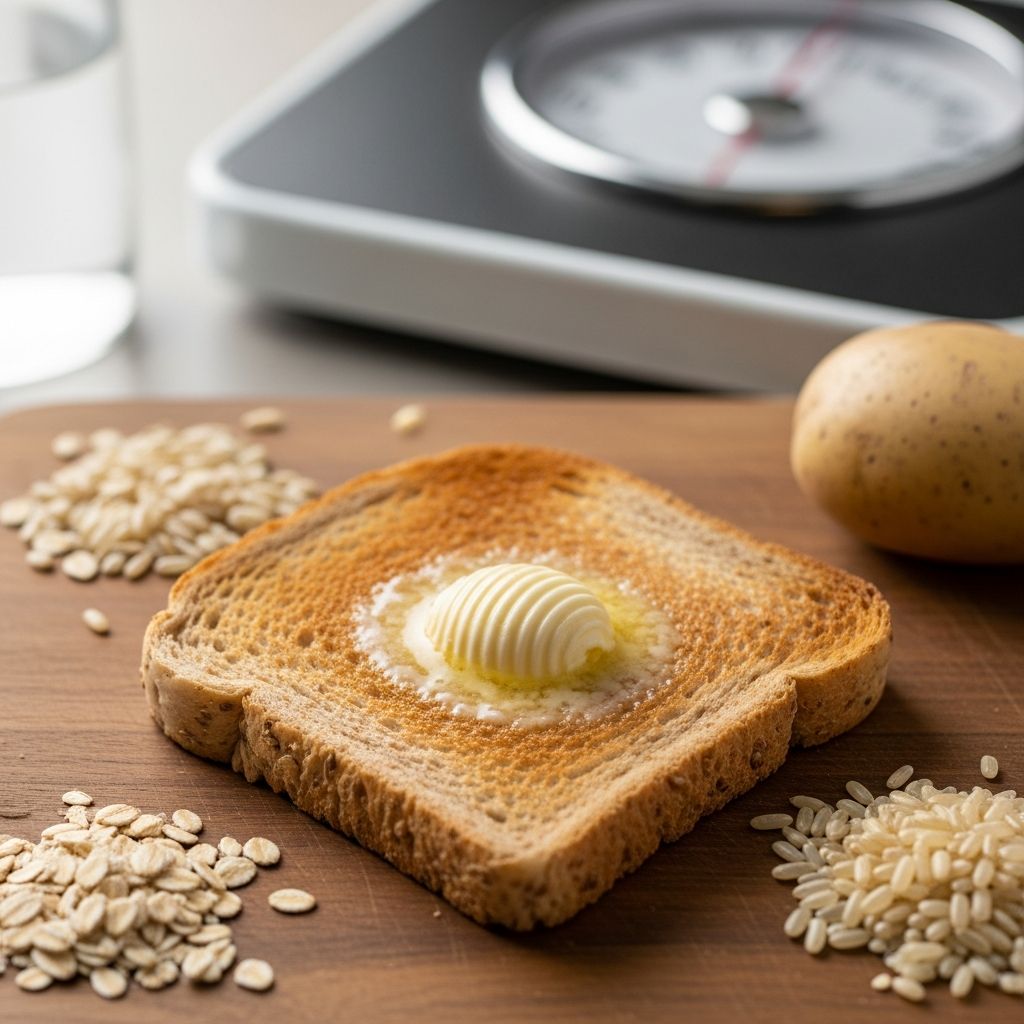
Carbohydrates have long been vilified in the weight loss world, often blamed for unwanted pounds. But the reality is more nuanced: not all carbs are created equal, and weight gain depends on factors like carb quality, overall calorie intake, and individual metabolism. Research shows that while excessive refined carbs can contribute to fat storage, whole food sources like vegetables and grains support healthy weight management when balanced properly.
What Are Carbohydrates?
Carbohydrates are one of the three macronutrients, alongside proteins and fats, providing the body’s primary energy source. They break down into glucose, fueling cells, brain function, and physical activity. Carbs are classified into simple (sugars) and complex (starches and fibers), with the latter digesting more slowly for sustained energy.
Common sources include fruits, vegetables, grains, legumes, and dairy. A standard recommendation is 45-65% of daily calories from carbs, but quality matters: whole carbs retain fiber, vitamins, and minerals, unlike refined ones stripped during processing.
Do All Carbs Lead to Weight Gain?
No, carbs themselves do not inherently cause weight gain. Weight gain occurs when calorie intake exceeds expenditure, regardless of macronutrient source. However, certain carbs—particularly refined and high-glycemic ones—can spike blood sugar and insulin, promoting fat storage if overconsumed.
Studies on mice lacking the SCD-1 gene in the liver demonstrate this: without it, high-carb diets do not lead to fat accumulation, as carbs are burned rather than converted to fat. In humans, similar mechanisms suggest excessive carbs trigger de novo lipogenesis (new fat creation) in the liver, especially on high-starch/sugar diets.
The Role of Carb Quality
Carb quality trumps quantity for weight control. Refined carbs (white bread, sugary cereals) have high glycemic index (GI), causing rapid blood sugar rises and crashes that increase hunger and overeating. Whole carbs (oats, quinoa, sweet potatoes) have lower GI, stabilizing energy and satiety.
- High-Quality Carbs: Promote fullness via fiber, support gut health, and minimize insulin spikes.
- Low-Quality Carbs: Linked to higher BMI; one study found daily glycemic index positively associated with body mass index (BMI).
Epidemiologic data confirms: increases in total carb intake, glycemic index, and glycemic load correlate with greater long-term weight gain.
Glycemic Index and Weight Gain
The glycemic index (GI) measures how quickly foods raise blood sugar. High-GI foods (e.g., corn flakes, GI 92) promote fat storage by boosting insulin, while low-GI options (e.g., Cheerios, GI 74) do not.
Research shows higher dietary GI independently links to elevated BMI, as it enhances insulin production and fat partitioning. Short-term studies support this: high-GI diets increase hunger and body fat. Over time, low-GI diets predict smaller waist circumferences.
Related Stories



| Food | Glycemic Index | Impact on Weight |
|---|---|---|
| White Bread | 75 | High: Promotes spikes |
| Oatmeal | 55 | Medium: Sustained energy |
| Lentils | 32 | Low: High satiety |
| Potato | 85 | High: Rapid absorption |
Substituting high-GI for low-GI foods can reduce BMI comparably to low-fat diets.
How Carbs Affect Metabolism and Fat Storage
Excess carbs, especially fructose-rich ones, activate liver genes like SCD-1, converting glucose to fatty acids for storage. Obese individuals often show elevated SCD activity, amplifying carb-to-fat conversion.
High-carb diets without fiber lead to insulin resistance, fatty liver, and visceral fat gain. Conversely, balanced intake supports muscle glycogen for exercise, preventing fat gain during activity.
Low-carb diets yield initial rapid loss (mostly water), but regain occurs upon reintroduction, highlighting it’s not carbs per se, but imbalance.
Genetics and Individual Responses
Not everyone responds identically. Genetic variations, like SCD-1 expression, influence carb tolerance. Liver-specific SCD-1 knockout mice resist high-carb weight gain but not high-fat, implicating the liver in carb-induced obesity.
Obese people may have higher SCD in liver and fat tissue, enhancing fat synthesis from carbs. Diet-gene interactions explain why some thrive on higher carbs while others gain easily.
Low-Carb Diets: Pros, Cons, and Sustainability
Low-carb diets (e.g., keto, Atkins) promise quick results via glycogen depletion and water loss. Short-term (6 months), they outperform high-carb for weight loss, but by 12 months, differences fade due to adherence issues.
- Pros: Rapid initial loss, appetite suppression from high protein/fat.
- Cons: Nutrient gaps (fiber, vitamins), unsustainable, potential rebound gain.
Evidence favors sustainable moderate-carb diets emphasizing quality over restriction.
Balanced Approach: Healthy Carb Choices
Focus on whole, fiber-rich carbs:
- Vegetables (broccoli, spinach): Low calorie, high volume.
- Whole grains (brown rice, barley): Steady energy.
- Legumes (beans, chickpeas): Protein-fiber combo.
- Fruits (berries, apples): Natural sugars with antioxidants.
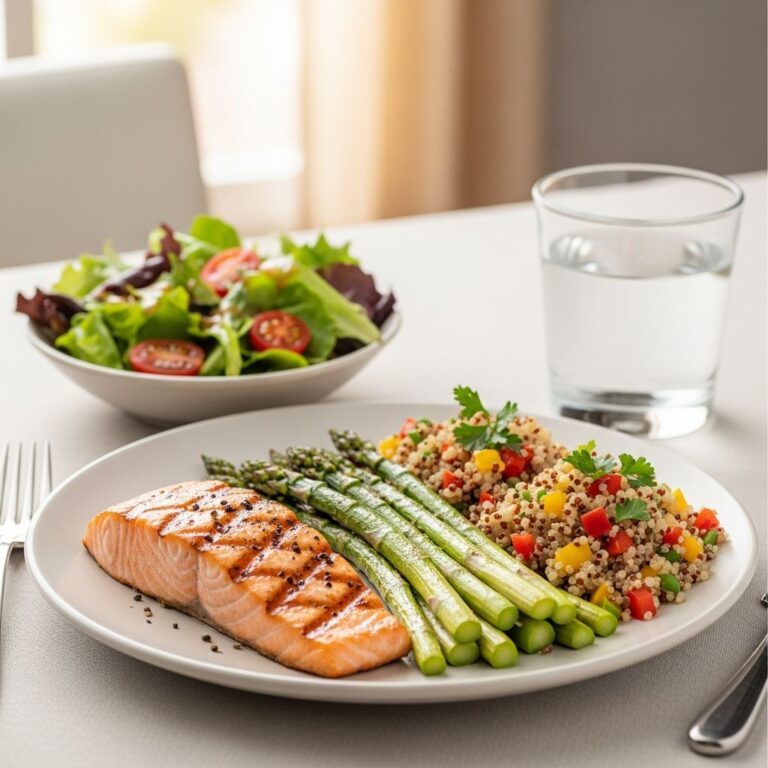
Aim for half your plate non-starchy veggies, quarter whole grains, quarter protein. Pair carbs with protein/fat to lower effective GI.
Practical Tips to Manage Carbs for Weight Control
- Read labels: Choose >3g fiber per 10g carbs.
- Portion control: Use hand measures (fist for grains).
- Time intake: Carbs around workouts for glycogen.
- Hydrate and move: Exercise enhances carb utilization.
- Monitor overall calories: Apps track balance.
Studies show low-fat dairy increases carb intake but not necessarily gain if quality-focused; protein-carb combos influence long-term weight.
Frequently Asked Questions (FAQs)
What happens if you eat too many carbs?
Excess leads to fat storage via insulin and lipogenesis, especially refined types. Fiber-rich carbs are less problematic.
Are carbs bad for weight loss?
No, quality carbs aid satiety and energy. Low-carb works short-term but sustainability matters more.
Can I eat carbs and still lose weight?
Yes, prioritize low-GI, whole sources within calorie needs. Many succeed on balanced 50% carb diets.
Do potatoes make you gain weight?
High-GI boiled potatoes can if overeaten, but cooled (resistant starch) or portioned, they’re fine.
Is fruit healthy despite sugar?
Yes, fiber slows absorption; whole fruit doesn’t spike like juice.
Conclusion
Carbs don’t automatically cause weight gain—refined, high-GI types do when excessive. Opt for quality, balance with protein/fat/fiber, and align with activity for optimal health. Genetics play a role, but lifestyle choices empower control.
References
- Waistline growth on high-carb diets linked to liver gene — University of Wisconsin-Madison News. 2007-12-01. https://news.wisc.edu/waistline-growth-on-high-carb-diets-linked-to-liver-gene/
- Association between Dietary Carbohydrates and Body Weight — PMC (PubMed Central). 2000-09-01. https://pmc.ncbi.nlm.nih.gov/articles/PMC1199523/
- Association between changes in carbohydrate intake and long term weight change — PMC (PubMed Central). 2023-10-01. https://pmc.ncbi.nlm.nih.gov/articles/PMC10523278/
- The Carbohydrate Controversy — UC Health. 2023-01-01. https://www.uchealth.com/en/media-room/articles/the-carbohydrate-controversy
- A New Way to Think About Carbs, Weight, and Obesity — Columbia Surgery. 2022-01-01. https://columbiasurgery.org/news/new-way-think-about-carbs-weight-and-obesity
- Choice of Protein- and Carbohydrate-Rich Foods May Have Big Effects on Long-Term Weight Gain — Tufts University Now. 2015-04-09. https://now.tufts.edu/2015/04/09/choice-protein-and-carbohydrate-rich-foods-may-have-big-effects-long-term-weight-gain
Similar Articles








Read full bio of Sneha Tete