Do Carrots Help Your Eyesight? Your Complete Eye Health Guide
Uncover the truth behind the carrot myth: They support eye health through key nutrients but won't sharpen vision like superhero powers.
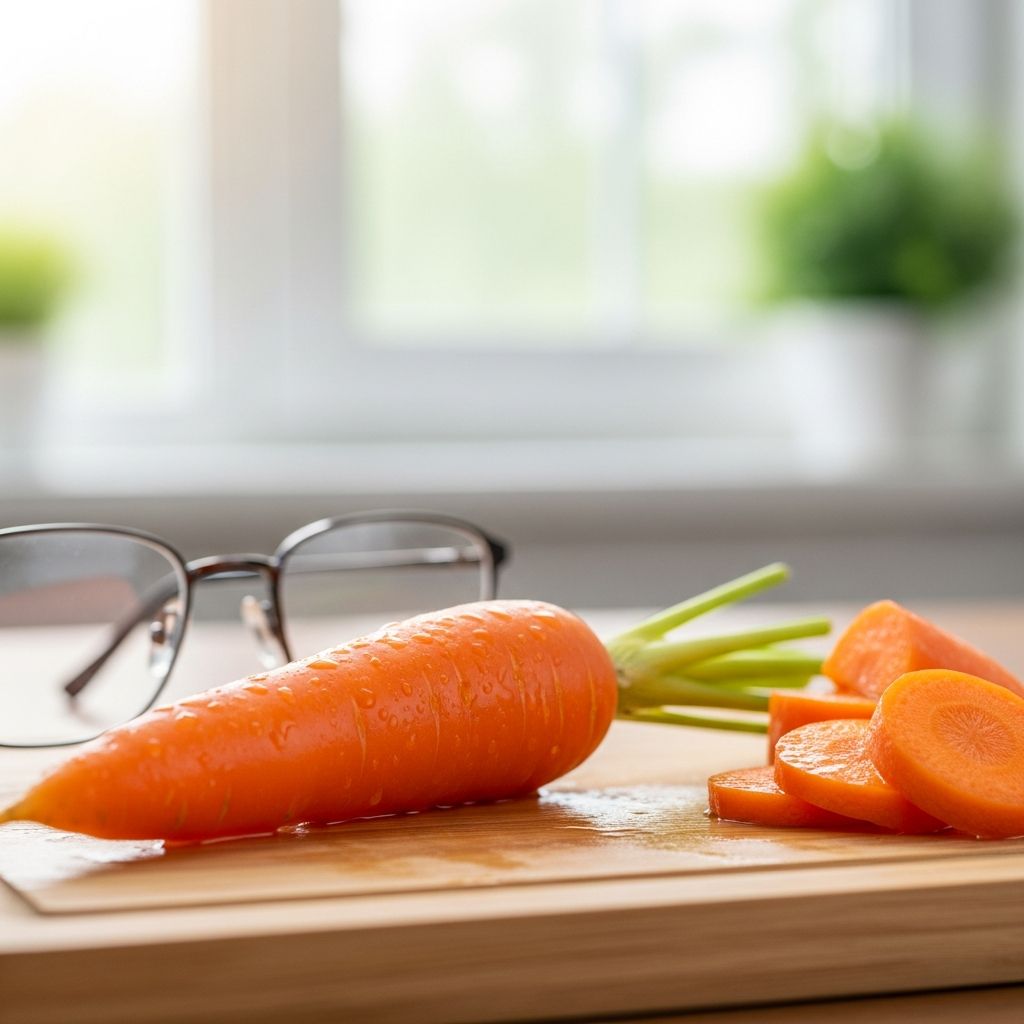
The notion that carrots dramatically improve eyesight, granting superhuman night vision, is a persistent myth rooted in World War II propaganda. While carrots won’t correct poor vision or restore 20/20 sight, they provide essential nutrients like beta-carotene and lutein that support overall
eye health
and may prevent certain vision problems.The Carrot Myth: Where It All Began
The story linking carrots to superior eyesight originated during World War II. British Royal Air Force pilots used radar technology for nighttime bombings, a secret the government concealed by crediting their exceptional night vision to eating carrots. This propaganda, spread via posters and media, convinced the public—and the enemy—that carrots were the key to sharp eyesight in the dark.
Though exaggerated, the myth has a kernel of truth. Carrots are packed with
beta-carotene
, a carotenoid the body converts to vitamin A, crucial for vision. Severe vitamin A deficiency, common in some regions, leads to night blindness (nyctalopia), where individuals struggle to see in low light. Consuming carrots can prevent this in deficient populations, but for those with adequate intake, extra carrots won’t enhance vision beyond normal levels.How Carrots Support Eye Health
Carrots contribute to eye health primarily through antioxidants that combat oxidative stress and free radical damage, which contribute to age-related eye diseases.
Beta-Carotene and Vitamin A: Guardians of Night Vision
Beta-carotene, abundant in orange carrots, converts to vitamin A (retinol) in the body. Vitamin A forms
rhodopsin
, a pigment in retinal rod cells essential for low-light vision. Deficiency impairs rhodopsin production, causing night blindness; supplementation or dietary carrots restores it.Your body absorbs beta-carotene better from cooked carrots paired with fats, like olive oil or butter. Yellow carrots offer even higher
lutein
levels.- Prevents xerophthalmia: Vitamin A deficiency dries the cornea, potentially leading to ulcers and blindness.
- Reduces cataract risk: Adequate vitamin A supports lens clarity.
- Protects against macular degeneration: Early stages benefit from consistent intake.
Lutein and Zeaxanthin: Macula Protectors
Carrots contain
lutein
, an antioxidant that accumulates in the macula, filtering harmful blue light and neutralizing free radicals. Higher macular pigment density lowersage-related macular degeneration (AMD)
risk, the leading cause of blindness in older adults.Studies show lutein-rich diets increase macular pigment, enhancing retinal protection. Combine carrots with leafy greens for synergistic effects.
Limitations: What Carrots Can’t Do
Despite benefits, carrots aren’t a cure-all. They won’t improve refractive errors like myopia or hyperopia, nor reverse genetic conditions or damage from diabetes.
| Myth | Reality |
|---|---|
| Eating carrots gives 20/20 vision | Only prevents deficiency-related issues; no acuity boost for normal eyes |
| Carrots grant X-ray or super night vision | WWII myth; supports normal adaptation only |
| Blindness cured by carrots | Prevents vitamin A deficiency blindness, not other causes |
Related Stories



Excess carrots cause harmless skin yellowing (carotenemia), but toxicity is rare from food sources.
Best Ways to Get Carrot Benefits
Maximize absorption:
- Cook them: Steaming boosts beta-carotene bioavailability by 2-3 times vs. raw.
- Add fat: Sauté with avocado oil or eat with nuts.
- Variety matters: Rotate orange, yellow, purple carrots for diverse carotenoids.
Daily serving: One medium carrot (61g) provides over 100% RDA for vitamin A precursors. Aim for 1-2 cups colorful veggies daily.
Beyond Carrots: A Complete Eye-Healthy Diet
Carrots are just one piece. Optimal eye health requires a nutrient symphony.
Key Nutrients and Sources
| Nutrient | Benefits | Top Food Sources |
|---|---|---|
| Vitamin A (beta-carotene) | Night vision, corneal health | Carrots, sweet potatoes, spinach |
| Lutein/Zeaxanthin | AMD protection, blue light filter | Kale, spinach, eggs, corn |
| Vitamin C | Antioxidant, cataract prevention | Citrus, bell peppers, broccoli |
| Vitamin E | Oxidative stress reduction | Almonds, sunflower seeds, spinach |
| Omega-3s | Retinal structure, dry eye relief | Salmon, flaxseeds, walnuts |
| Zinc | Vitamin A transport, retinal health | Oysters, beef, chickpeas |
Mediterranean-style diets—rich in fruits, veggies, fish, and whole grains—cut AMD risk by 25-40%, per studies.
Lifestyle Tips for Lifelong Vision
Diet alone isn’t enough. Protect eyes holistically:
- UV protection: Wear sunglasses blocking 100% UVA/UVB.
- Screen hygiene: Follow 20-20-20 rule: Every 20 min, view 20 ft away for 20 sec.
- Exercise: 150 min/week moderate activity improves circulation.
- No smoking: Doubles AMD/cataract risk; cessation halves it in years.
- Regular exams: Annual checks detect issues early.
Supplements like AREDS2 formula (vitamins C/E, zinc, copper, lutein, zeaxanthin) slow AMD progression in at-risk individuals, but consult doctors first.
Other Health Perks of Carrots
Eye benefits aside, carrots aid:
- Digestion: High fiber (3g/cup) promotes regularity, gut health.
- Heart health: Potassium and antioxidants lower blood pressure, cholesterol.
- Skin protection: Beta-carotene shields against UV damage.
- Weight management: Low-calorie (41 kcal/cup), satiating fiber curbs overeating.
Frequently Asked Questions (FAQs)
Q: Can eating carrots improve my eyesight if I wear glasses?
A: No, carrots won’t correct refractive errors like nearsightedness. They support health but don’t sharpen focus.
Q: How many carrots should I eat daily for eye health?
A: One medium carrot meets vitamin A needs. Diversify with other veggies for full benefits.
Q: Are raw or cooked carrots better for eyes?
A: Cooked with fat maximizes beta-carotene absorption; raw retains some fiber benefits.
Q: Do carrots prevent macular degeneration?
A: Lutein helps lower risk, especially with leafy greens, but no guarantee.
Q: Can too many carrots harm my eyes?
A: Excess causes temporary skin yellowing, not eye damage. Balance your diet.
Q: What’s the best diet for eye health?
A: Mediterranean-style: colorful veggies, fatty fish, nuts, limited processed foods.
In summary, embrace carrots as part of an eye-nourishing diet, but skip the superhero expectations. Consistent nutrition and healthy habits yield the clearest results.
References
- Do Carrots Actually Improve Eyesight? — Gailey Eye Clinic. Accessed 2026. https://gaileyeyeclinic.com/carrots-actually-improve-eyesight/
- Are Carrots Good for Your Eyes? — Healthline (Medically reviewed by Kim Rose-Francis). 2024-07-23. https://www.healthline.com/nutrition/are-carrots-good-for-your-eyes
- Carrots Aren’t Magic, But They Do Help Your Eyes — Vision Monday. Accessed 2026. https://www.visionmonday.com/scene-and-heard/todays-read/article/carrots-arent-magic-but-they-do-help-your-eyes/
- Carrots are good for improving your Vision, particularly Night Vision — UTMB.edu (Department of Pediatrics). 2025-04-25. https://www.utmb.edu/pedi/categories-tags/2025/04/25/carrots-are-good-for-improving-your-vision–particularly-night-vision
- It’s True – Carrots (and Other Vegetables) Can Help You See in the Dark — Health.mil. 2022-03-04. https://www.health.mil/News/Articles/2022/03/04/Its-True-Carrots-and-Other-Vegetables-Can-Help-You-See-in-the-Dark
Similar Articles








Read full bio of Sneha Tete