Do Hair Dyes Increase Cancer Risk?
Understanding the connection between hair dye use and cancer risk based on current research.
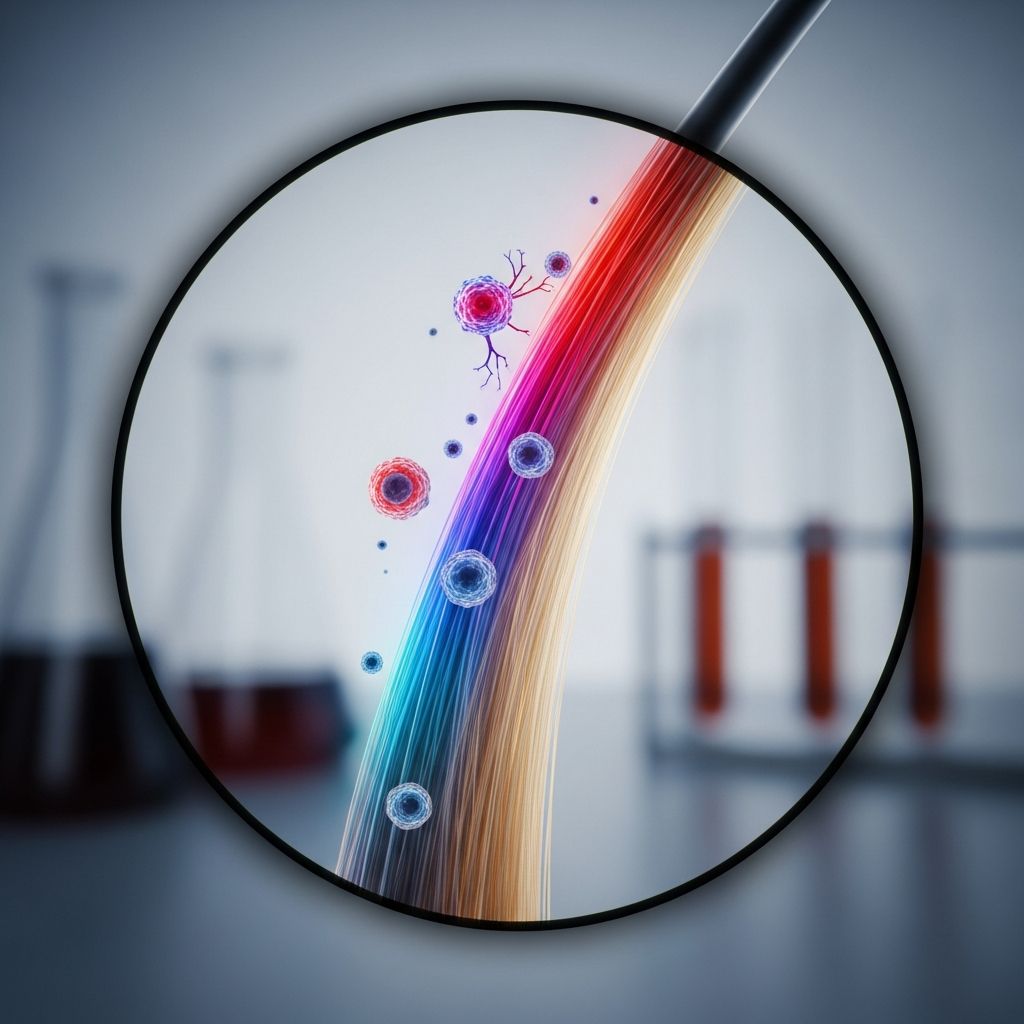
For decades, consumers have questioned whether the hair dyes they apply at home or in salons pose a cancer risk. The concern is understandable—hair dyes contain numerous chemical compounds, some of which have shown carcinogenic properties in laboratory settings. However, translating laboratory findings to real-world human health outcomes remains complex. The scientific community continues to investigate this important question, with research revealing nuanced findings that vary by cancer type, frequency of use, and demographic factors.
Understanding Hair Dye Composition
Hair dyes, particularly permanent and semi-permanent varieties, contain complex mixtures of chemicals designed to penetrate the hair shaft and create lasting color. Some of the primary chemical components include aromatic amines, which have been identified as potential carcinogens in laboratory studies. When applied to the scalp and hair, these products create a scenario where chemicals come into contact with skin and are partially absorbed through the skin barrier into the bloodstream.
The manufacturing and formulation of hair dyes have evolved significantly over the decades. Products manufactured before 1980 contained different chemical formulations than modern dyes, which has important implications for epidemiological research. Many early studies examining cancer risk used data from women who began dyeing their hair before safer formulations were introduced, potentially inflating risk estimates compared to modern products.
Laboratory Studies and Animal Research
Laboratory investigations have demonstrated that certain ingredients found in hair dyes can cause cancer in animal models, typically when animals received large cumulative doses over extended periods. These studies established that aromatic amines and other chemical components possess mutagenic properties—the ability to damage DNA and potentially trigger cancerous changes. However, researchers have identified critical gaps between animal studies and human applications.
While studies confirm that some dye applied to animal skin is absorbed into the bloodstream, the quantities used in laboratory experiments far exceed typical human exposure through hair dyeing. The doses, frequency, and duration of exposure in animal studies are generally much more intense than what occurs during personal hair dye use at home. This distinction is crucial when interpreting whether laboratory findings translate to meaningful human cancer risk.
Occupational Exposure and Professional Hairdressers
One of the most consistent findings in cancer epidemiology concerns occupational exposure among professional hairdressers and barbers. Numerous studies have documented an increased risk of bladder cancer in individuals who work with hair dyes professionally, exposed to these chemicals through inhalation and repeated skin contact over many years in the workplace.
The International Agency for Research on Cancer (IARC), part of the World Health Organization, has classified occupational exposure to hair dyes as “probably carcinogenic to humans” based primarily on the evidence for bladder cancer risk among professionals. However, this classification specifically refers to workplace exposure at the levels experienced by salon workers, not personal use of hair dyes at home. This distinction is important because occupational exposure involves much higher cumulative doses and frequency than typical consumer use.
Personal Hair Dye Use and Cancer Risk
Breast Cancer
Breast cancer has emerged as the primary cancer type of concern regarding personal hair dye use. Recent large-scale studies have found associations between regular hair dye use and increased breast cancer risk. A landmark study published in the International Journal of Cancer involving 46,709 women from the Sister Study found that women who regularly used permanent hair dye in the year prior to enrollment were approximately 9% more likely to develop breast cancer compared to non-users. However, the relationship is more complex when examining specific demographic groups.
Notably, African American women showed substantially higher risk associations with permanent hair dye use. Among African American women using permanent dyes every five to eight weeks or more frequently, the associated breast cancer risk increased by 60%, compared to only an 8% increased risk for white women using dyes at similar frequencies. This disparity raises important questions about product formulations, usage patterns, and potential genetic or biological differences in chemical metabolism among different populations.
Research examining temporary and semi-permanent dyes revealed little to no increase in breast cancer risk, suggesting that the chemical composition and penetration depth of permanent dyes may be relevant factors. Additionally, some studies indicate that women who apply permanent hair dye themselves at home may face higher breast cancer risk than those who have dyes applied professionally, though the reasons for this difference require further investigation.
Bladder Cancer
Bladder cancer risk associated with personal hair dye use presents a more mixed picture. Studies examining people who dye their own hair have not found consistent evidence of increased bladder cancer risk, contrasting sharply with the clear occupational exposure findings among hairdressers. A comprehensive 2014 analysis pooling data from 17 studies found no evidence of increased bladder cancer risk associated with personal hair dye use generally. However, when examining permanent hair dyes specifically, evidence remains mixed, with some studies detecting associations in particular subgroups while others found no association.
Blood Cancers: Leukemias and Lymphomas
Research examining blood-related cancers, including leukemia and non-Hodgkin lymphoma, has produced inconsistent results across studies. Some investigations found increased risk of certain non-Hodgkin lymphoma types, particularly in women who began using hair dyes before 1980 and those using darker dye colors. Women who began dyeing their hair before 1980, when formulations included more carcinogenic compounds subsequently removed, showed approximately 1.3 times the risk of developing non-Hodgkin lymphoma compared to never-users.
Conversely, a large prospective cohort study conducted in 2020 found no association between personal hair dye use and non-Hodgkin lymphoma risk. For leukemia, meta-analyses examining 20 studies found only small, statistically insignificant associations with hair dye use. This pattern of conflicting results across studies underscores the complexity of establishing causal relationships and the importance of considering study design, population characteristics, and changing product formulations.
Other Cancer Types
For cancers beyond those discussed above, insufficient research exists to draw firm conclusions. Although some individual studies have suggested associations between hair dye use and other cancer types, comprehensive meta-analyses and large cohort studies have not consistently supported these connections. Research suggests very slightly increased risks of basal cell carcinoma, particularly in women with naturally light hair, and ovarian cancer, but these associations remain modest and require further investigation.
Chemical Hair Straighteners and Breast Cancer
An emerging area of concern involves chemical hair straighteners, which differ from dyes in their chemical composition and mechanism of action. Recent research has identified an association between regular use of chemical hair straighteners and breast cancer risk. Women using hair straighteners at least every five to eight weeks were approximately 30% more likely to develop breast cancer. Notably, while this association was similar in magnitude between African American and white women, chemical hair straightener use was substantially more common among African American women, resulting in higher overall burden of potential risk in this population.
The mechanisms underlying this association remain unclear. Chemical straighteners contain various compounds designed to alter hair protein structure permanently, and some may share chemical similarities with dye components. However, researchers have cautioned that findings regarding chemical straighteners require replication in additional studies before firm conclusions can be established.
Key Factors Influencing Cancer Risk
Several factors appear to modify the relationship between hair product use and cancer risk:
Frequency of Use: Risk associations generally increase with more frequent product application. Women using products every five to eight weeks or more frequently show higher risk estimates than occasional users, suggesting a dose-response relationship.
Product Type: Permanent dyes demonstrate stronger associations with cancer risk compared to temporary or semi-permanent formulations, likely reflecting differences in chemical penetration and skin absorption.
Application Method: Some research suggests higher risks for self-application compared to professional application, potentially reflecting differences in exposure duration, ventilation, or product concentration.
Race and Ethnicity: Substantial differences exist between racial and ethnic groups, with African American women showing higher risk associations with permanent hair dyes and much more frequent use of chemical hair straighteners.
Product Formulation Era: Dyes manufactured before 1980 contained more carcinogenic compounds subsequently removed, explaining why studies of older cohorts show stronger associations than more recent investigations.
Current Scientific Consensus
The International Agency for Research on Cancer classifies personal hair dye use as “not classifiable as to its carcinogenicity to humans” based on inadequate evidence from human studies. This classification reflects the mixed and inconsistent findings across research investigations. While laboratory studies demonstrate that some hair dye components can cause cancer in animals, and occupational studies clearly show increased cancer risk among professional salon workers, translating these findings to personal hair dye use remains scientifically uncertain.
The American Cancer Society notes that most studies have not found a strong link between hair dye use and cancer, though more research is needed to clarify potential associations. Recent larger studies with longer follow-up periods and more detailed exposure characterization have suggested possible associations, particularly for breast cancer, but results remain inconsistent across populations and study designs.
Recommendations and Risk Reduction Strategies
Experts emphasize that while definitive recommendations cannot yet be firmly established, several strategies may reduce potential exposure to hair dye chemicals:
Reduce Frequency: Limiting how often you dye your hair reduces cumulative chemical exposure.
Choose Lighter Colors: Some evidence suggests darker dyes may carry higher risk, though more research is needed.
Select Temporary Options: Semi-permanent and temporary dyes show little to no cancer risk association and represent safer alternatives.
Professional Application: When possible, having dyes applied professionally rather than self-applying may reduce exposure.
Ventilation: Ensure adequate ventilation during application to minimize inhalation exposure.
Alternative Approaches: Embracing natural hair color, using highlights or lowlights instead of full-head coverage, or exploring plant-based dye options represent alternatives to traditional chemical dyes.
Weighing Individual Risk Factors
Health experts emphasize that breast cancer and other cancers result from multiple factors acting together, and no single factor typically determines individual risk. Family history of breast cancer, reproductive factors, alcohol consumption, obesity, and other well-established risk factors significantly influence cancer development. Hair dye use, even if causally related to increased cancer risk, represents one among many potential contributors to overall risk.
When considering whether to use hair dyes, individuals should weigh personal preferences and quality-of-life considerations against potential cancer risks. For some people, the psychological and social benefits of maintaining desired hair appearance outweigh theoretical cancer risks, while others may prefer to minimize any potential risk through alternative approaches.
Future Research Directions
Scientists continue investigating several important questions about hair dyes and cancer risk. Future research will likely focus on clarifying mechanisms of action, examining specific chemical components and their relative contributions to cancer risk, investigating why risk associations differ substantially across racial and ethnic groups, and determining whether modern, reformulated hair dyes pose different risks than earlier products. Additionally, research examining chemical hair straighteners and other hair care products will help clarify the full spectrum of potential exposures from commonly used personal care products.
Frequently Asked Questions (FAQs)
Q: Are hair dyes definitively proven to cause cancer?
A: No. While some laboratory studies show that hair dye chemicals can cause cancer in animals, and occupational exposure among salon workers is associated with bladder cancer risk, personal hair dye use has not been definitively proven to cause cancer. Results from human studies remain mixed and inconsistent.
Q: Which type of hair dye is safest?
A: Temporary and semi-permanent dyes show little to no associated cancer risk in research studies. If concerned about potential risks, these alternatives present safer options than permanent dyes.
Q: How often can I safely dye my hair?
A: Most experts recommend limiting frequency when possible, as risk associations tend to increase with more frequent use. If any risk exists, less frequent application would mean lower cumulative exposure.
Q: Are there particular racial or ethnic groups at higher risk?
A: Research indicates that African American women show higher risk associations with permanent hair dye use compared to white women. Additionally, African American women use chemical hair straighteners much more frequently, which recent studies associate with increased breast cancer risk.
Q: Should I stop dyeing my hair?
A: This is a personal decision. While potential risks exist based on recent research, they remain uncertain and must be weighed against other cancer risk factors and individual preferences. Consulting with healthcare providers about personal risk factors can help inform this decision.
Q: Are professional salon dyes safer than at-home products?
A: Research suggests that professional application may carry lower risk than self-application, possibly due to differences in application methods or product handling, though more research is needed to understand this relationship.
References
- Permanent Hair Dye and Straighteners May Increase Breast Cancer Risk — National Institute of Environmental Health Sciences (NIEHS), National Institutes of Health. December 4, 2019. https://www.niehs.nih.gov/newsreleases/permanent-hair-dye-and-straighteners-may-increase-breast-cancer-risk
- Hair Dyes and Cancer Risk — American Cancer Society. https://www.cancer.org/cancer/risk-prevention/chemicals/hair-dyes.html
- Hair Products and Cancer Risk — National Cancer Institute. https://www.cancer.gov/about-cancer/causes-prevention/risk/substances/hair-dyes-fact-sheet
Similar Articles








Read full bio of Sneha Tete