Do Men Have Hormonal Cycles? What You Need To Know
Unraveling the truth about male hormonal fluctuations, daily cycles, and the myth of male menopause.

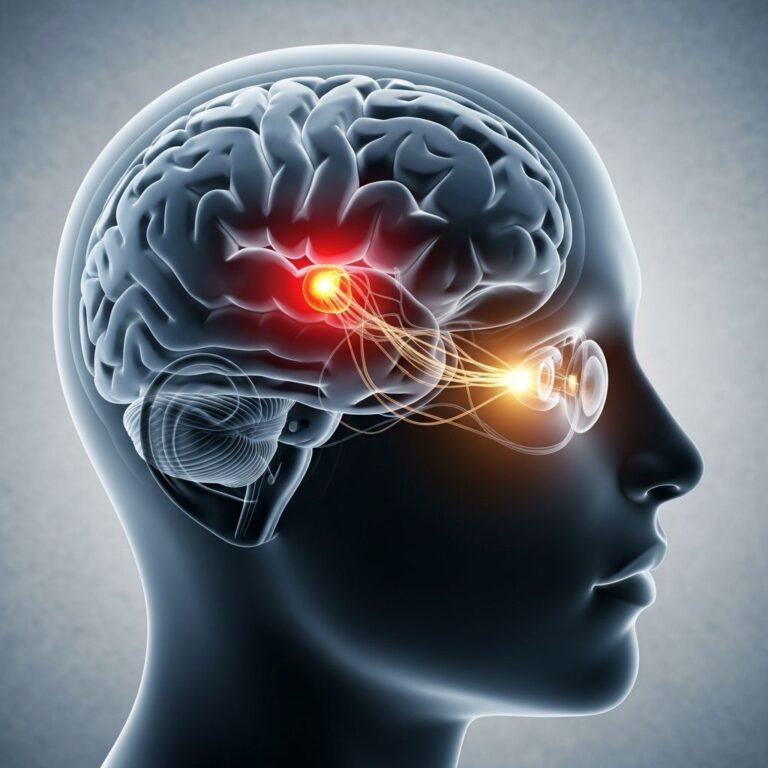
Men do experience hormonal cycles, primarily through daily fluctuations in testosterone levels that follow a circadian rhythm, peaking in the early morning and declining throughout the day, unlike the monthly cycles seen in women.
While women’s hormones fluctuate on a roughly 28-day menstrual cycle, influencing mood, energy, and reproduction, men’s hormonal patterns are more subtle and daily-driven. Testosterone, the key male sex hormone, rises overnight, reaching its highest levels upon waking, which supports morning vitality, focus, and libido. By evening, levels can drop by up to 30-40%, contributing to fatigue and reduced drive. This 24-hour cycle is well-documented and impacts everything from physical performance to emotional resilience.
What Hormones Do Men Have?
Men produce the same hormones as women, but in different proportions and with varying effects. Testosterone dominates, but estrogen, progesterone, cortisol, and others play crucial roles.
- Testosterone: Primary sex hormone produced in the testes, regulated by the hypothalamus and pituitary gland. It drives muscle mass, bone density, red blood cell production, voice deepening, facial hair, and sex drive.
- Estrogen: Present in smaller amounts but essential for libido, erectile function, sperm production, bone health, and brain function. Excess relative to testosterone, often from fat tissue converting testosterone via aromatase, leads to issues like gynecomastia and abdominal fat.
- Cortisol: The stress hormone that regulates metabolism, inflammation, and blood sugar. Chronic elevation suppresses testosterone.
- Progesterone and others: Support libido, sperm production, and emotional balance in trace amounts.
These hormones interact in a delicate balance, influencing energy, mood, skin health, muscle maintenance, and sexual well-being.
The Male Daily Hormone Cycle Explained
Men’s testosterone follows a circadian rhythm: peaking between 7-10 AM (often 20-30% higher than evening lows) and nadir in the late afternoon or evening. This pattern aligns with natural light-dark cycles, optimizing morning alertness and evening rest.
Research from the American Psychological Association notes daily, possible monthly, and seasonal variations, with peaks in fall (October) and lows in spring (April) in some studies. A PubMed study on prospective fathers found 28-day testosterone peaks syncing with partners’ cycles, suggesting social-behavioral influences.
| Time of Day | Testosterone Level | Effects on Wellbeing |
|---|---|---|
| Early Morning (6-10 AM) | Peak (highest) | High energy, focus, strength, libido |
| Midday (12-4 PM) | Declining | Stable productivity, moderate mood |
| Evening (6-10 PM) | Lowest | Fatigue, reduced drive, winding down |
Leveraging this cycle means scheduling demanding tasks (workouts, meetings) in the morning and recovery activities later.
Do Men Have Monthly or Seasonal Cycles?
Unlike women’s clear monthly cycle, men’s are less pronounced. Some evidence points to subtle monthly patterns in specific contexts, like prospective fathers showing 28-day testosterone peaks aligned with partners’ ovulation, indicating adaptive responses rather than innate cycles.
Seasonal fluctuations appear in studies: higher in autumn, lower in spring, possibly tied to vitamin D, light exposure, or evolutionary mating cues. However, these are not universal or as dramatic as female cycles, varying by genetics, stress (cortisol squelches testosterone), and age.
Age-Related Hormone Changes in Men
Starting around age 30-40, testosterone declines 1% annually, leading to less pronounced daily cycles and symptoms in some men. This gradual drop, termed late-onset hypogonadism or age-related low testosterone, differs from women’s abrupt menopause.
Not all men experience symptoms; factors like obesity amplify decline via increased aromatase activity.
Is ‘Male Menopause’ Real?
The term ‘male menopause’ or andropause is misleading, as there’s no sudden hormonal crash like in women. Mayo Clinic debunks it as a myth, emphasizing slow changes over decades, with symptoms often lifestyle-driven (stress, poor sleep, inactivity) rather than purely hormonal.
Late-onset hypogonadism is a real diagnosis for clinically low testosterone with symptoms like fatigue, low libido, erectile dysfunction, depression, irritability, weight gain, and muscle loss. It affects 2-6% of aging men, often linked to comorbidities like diabetes.
Related Stories



Symptoms of Male Hormonal Imbalance
Hormonal disruptions manifest as:
- Fatigue and low energy
- Mood swings, irritability, depression
- Low libido, erectile dysfunction
- Weight gain, especially abdominal
- Reduced muscle mass, strength
- Sleep issues, poor concentration
- Gynecomastia (breast tissue)
- Infertility or low sperm count
These overlap with aging or lifestyle but warrant checking if persistent.
Causes of Hormonal Imbalance in Men
Key disruptors include:
- Chronic stress: Elevates cortisol, blocking testosterone.
- Poor sleep: Impairs overnight testosterone production.
- Obesity: Visceral fat boosts aromatase, raising estrogen.
- Insulin resistance/diabetes: Lowers testosterone.
- Endocrine disruptors: Chemicals in plastics, pesticides mimicking estrogen.
- Aging and poor lifestyle: Alcohol, inactivity, bad diet.
How to Balance Male Hormones Naturally
Strategies to optimize hormones:
- Sleep 7-9 hours: Prioritize REM for testosterone regeneration.
- Exercise: Resistance training mornings; HIIT boosts levels.
- Diet: Healthy fats (avocados, nuts), zinc (oysters), vitamin D; limit sugar.
- Stress management: Meditation, nature walks to lower cortisol.
- Weight control: Reduce fat to balance estrogen-testosterone.
- Avoid toxins: Choose clean personal care, limit plastics.
Supplements like ashwagandha, fenugreek may help, but consult professionals.
When to See a Doctor
Seek medical advice if symptoms persist despite lifestyle changes, or for blood tests measuring total/free testosterone, ideally morning fasted. Treatments include lifestyle, TRT for confirmed hypogonadism.
Frequently Asked Questions (FAQs)
What is the male hormonal cycle?
Men’s primary cycle is daily: testosterone peaks mornings, drops evenings.
Do men have periods like women?
No monthly bleeding or cycle, but subtle fluctuations exist.
Is male menopause real?
Misleading term; gradual decline, not abrupt like women’s.
How can I boost testosterone naturally?
Sleep, exercise, diet, stress reduction.
At what age do men’s hormones decline?
Around 30-40, 1% yearly.
References
- Male Hormones, Hormonal Imbalance & the ‘Male Menopause’ — O&3. 2023. https://www.oand3.com/stories/do-men-have-hormonal-cycles-understanding-the-male-hormone-cycle-hormonal-imbalance-and-the-truth-about-male-menopause/
- Hormones & desire — American Psychological Association. 2011-03-01. https://www.apa.org/monitor/2011/03/hormones
- Men’s mental health: Targeting your hormones to improve wellbeing — MedAire. 2023. https://www.medaire.com/blog/mens-mental-health-targeting-your-hormones-to-improve-your-wellbeing
- Monthly patterns of testosterone and behavior in prospective fathers — PubMed/Elsevier. 2002-10-16. https://pubmed.ncbi.nlm.nih.gov/12367570/
- Male menopause: Myth or reality? — Mayo Clinic. 2023. https://www.mayoclinic.org/healthy-lifestyle/mens-health/in-depth/male-menopause/art-20048056
Similar Articles








Read full bio of Sneha Tete