Do Menopause Testing Kits Work? What You Need to Know
Explore the reliability and effectiveness of at-home menopause test kits for accurate diagnosis.
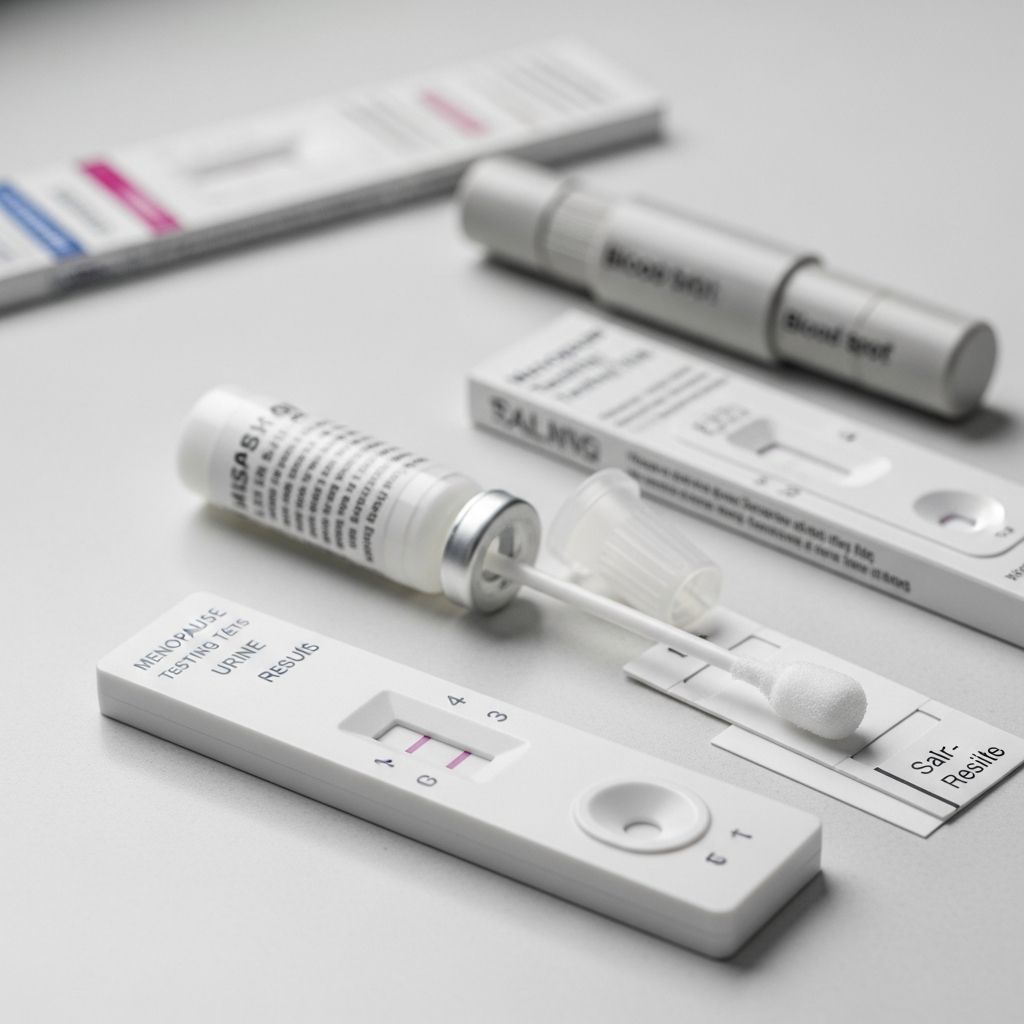
Do Menopause Testing Kits Work? Understanding At-Home Menopause Tests
Menopause is a significant life transition that affects millions of women worldwide. As women enter their late 40s and early 50s, many begin experiencing physical and emotional changes associated with declining estrogen levels. In recent years, over-the-counter menopause test kits have become increasingly available at pharmacies and online retailers, promising women a convenient way to determine whether they’ve reached menopause without visiting their doctor. These at-home tests typically cost around $20 and claim to measure hormone levels in urine to assess menopause status. However, medical experts raise important questions about their reliability and clinical usefulness.
What Are Menopause Testing Kits?
At-home menopause tests are over-the-counter diagnostic tools designed to measure specific hormones in a woman’s urine. These kits work by detecting follicle-stimulating hormone (FSH) levels, which naturally rise as estrogen levels decline during menopause. The test is relatively simple to perform—women collect a urine sample and follow the kit’s instructions to determine whether FSH levels indicate menopause has begun.
Manufacturers of these kits market them to women who are curious about their health status and want quick answers without scheduling a doctor’s appointment. The convenience factor appeals to many women, especially those juggling busy schedules or those hesitant about medical visits.
Understanding Menopause and Perimenopause
To understand why menopause testing kits may not be reliable, it’s essential to understand the menopause transition itself. On average, American women reach menopause at approximately age 51. However, the journey to menopause typically begins several years earlier during a phase called perimenopause.
Perimenopause is a transitional period lasting two to five years on average, during which a woman’s body undergoes significant hormonal changes. During this time, menstrual cycles become irregular—periods may arrive earlier or later than usual, or women may experience months without a period. Many women also begin experiencing symptoms such as hot flashes, night sweats, vaginal dryness, sleep disturbances, and mood changes.
Menopause is officially reached when a woman has gone 12 consecutive months without a menstrual period. At this point, her ovaries have stopped releasing eggs and estrogen production has decreased significantly. The key distinction is that menopause is not diagnosed based on hormone tests alone but rather confirmed through the absence of menstrual periods over a full year.
How FSH Testing Works and Its Limitations
At-home menopause tests measure follicle-stimulating hormone (FSH) levels because FSH naturally rises as estrogen declines. In menopause, FSH levels climb significantly while estradiol (a form of estrogen) drops to low levels. This relationship seems logical as a basis for testing, but there’s a critical problem with using FSH levels to diagnose menopause outside of a clinical setting.
FSH levels fluctuate naturally throughout a woman’s menstrual cycle, even during her reproductive years. This natural variation means that a single urine test capturing FSH at one moment in time cannot provide an accurate picture of a woman’s true menopausal status. A woman might have a high FSH reading one day due to normal hormonal fluctuations, leading to a false positive result suggesting she has reached menopause when she hasn’t.
According to reproductive endocrinologists, this hormonal variability is precisely why at-home tests cannot reliably determine menopause status. The tests measure a snapshot in time rather than the sustained hormonal patterns that actually characterize menopause.
The Clinical Diagnosis of Menopause
Medical professionals emphasize an important point: menopause is diagnosed clinically, not through laboratory tests. This means doctors don’t rely on blood or urine tests to make a definitive menopause diagnosis. Instead, they use the most reliable indicator—the absence of menstrual periods for 12 consecutive months.
During clinical visits, healthcare providers ask detailed questions about menstrual cycle patterns to help identify where a patient is in the menopausal transition. Experienced physicians can often predict when a woman may enter perimenopause and eventually reach menopause based on the timing and regularity of her periods. For example, if a woman in her late 40s is experiencing increasingly irregular cycles and has missed her period for several months, her doctor can reasonably predict that menopause will likely occur within one to three years based on the natural trajectory of hormonal changes.
This clinical approach considers the individual woman’s specific experience rather than relying on hormone measurements that may be unreliable or misinterpreted.
Special Considerations for Women Who Have Had Hysterectomies
One exception to the standard approach exists for women who have undergone hysterectomies while retaining their ovaries. These women won’t experience menstrual periods due to surgical removal of the uterus, even though their ovaries continue functioning. For this specific population, hormone testing may provide useful information to determine menopause status. However, even in these cases, clinicians typically order professional laboratory tests rather than recommending at-home test kits.
Why Seeing Your Doctor Is Superior to At-Home Testing
While at-home menopause tests might seem convenient and cost-effective, healthcare professionals strongly recommend clinical evaluation instead. Here are the key reasons why:
Symptom Management – Many women considering at-home tests are experiencing uncomfortable menopause symptoms like hot flashes, night sweats, vaginal dryness, painful intercourse, and recurrent urinary tract infections. A doctor can address these symptoms and provide relief through various treatment options. At-home tests offer no therapeutic benefit.
Individualized Care – Women experience perimenopause and menopause very differently. Some women pass through menopause with minimal symptoms, while others struggle significantly during the transition. Healthcare providers can tailor treatment approaches based on each woman’s unique experience and needs. A test result cannot capture this individual variation.
Comprehensive Health Evaluation – Visiting your OB-GYN provides an opportunity for comprehensive health assessment. Your doctor can rule out other conditions that might cause menopause-like symptoms, evaluate your overall health status, discuss lifestyle modifications, and address any concerns about bone health, cardiovascular risk, or other age-related issues.
Accurate Diagnosis – Clinical diagnosis based on menstrual history and physical examination is far more reliable than at-home hormone testing. Your doctor has the expertise to distinguish between perimenopause and menopause and can provide a definitive diagnosis.
What the Research Says About Accuracy
The scientific evidence regarding at-home menopause tests remains limited and concerning. Medical professionals question their reliability precisely because of the known fluctuations in FSH levels throughout the menstrual cycle. Unlike pregnancy tests, which detect a hormone that increases progressively and steadily once conception occurs, menopause hormone testing captures a single moment in a cyclical pattern. This fundamental difference explains why menopause tests cannot achieve the same accuracy as pregnancy tests.
Medical experts have expressed skepticism about whether women truly need these at-home kits, given that clinical diagnosis is straightforward and more reliable. The devices are often characterized as more marketing-driven than medically necessary.
The Bottom Line: Should You Use At-Home Menopause Tests?
If you’re experiencing symptoms you suspect are related to menopause or perimenopause, the best course of action is to schedule an appointment with your OB-GYN or primary care physician. Don’t rely on at-home menopause test kits to guide your health decisions. These tests may provide inaccurate results due to natural FSH fluctuations and cannot replace clinical diagnosis.
At-home menopause tests are not intended to replace medical care. If you’re concerned enough to consider purchasing an at-home test, you should instead consult a healthcare professional who can clarify what’s happening with your health and help manage your symptoms.
Alternatives to At-Home Testing
Rather than using at-home tests, consider these more reliable approaches:
Track Your Menstrual Periods – Keep a record of your menstrual cycles to identify patterns and changes. This information is valuable for your doctor and helps establish whether you’ve reached the 12-month marker that defines menopause.
Schedule a Clinical Appointment – Discuss your symptoms and concerns with your healthcare provider. Your doctor can perform a thorough evaluation and provide appropriate treatment.
Seek Professional Lab Tests if Needed – If your doctor determines that laboratory testing would be helpful—particularly for women with hysterectomies or unclear situations—they can order professional blood tests that provide more reliable results than at-home kits.
Lifestyle Modifications – Your doctor can recommend evidence-based lifestyle changes such as exercise, dietary adjustments, stress management, and sleep hygiene to help manage menopause symptoms.
Frequently Asked Questions About Menopause Testing
Q: Are at-home menopause tests FDA-approved?
A: While some at-home menopause tests may have FDA clearance, FDA approval doesn’t guarantee clinical accuracy or usefulness. Regulatory approval primarily addresses product safety rather than diagnostic reliability.
Q: Can I use an at-home test to confirm I’ve reached menopause?
A: No. The only reliable confirmation of menopause is 12 consecutive months without a menstrual period. At-home hormone tests cannot provide definitive confirmation due to normal FSH fluctuations.
Q: What if my at-home test shows high FSH levels?
A: A single high FSH reading doesn’t necessarily indicate menopause. Consult your doctor, who will consider your complete menstrual history and clinical symptoms rather than relying on one hormone measurement.
Q: Should I take an at-home menopause test if I have no symptoms?
A: No. If you have no symptoms and your periods are still occurring, there’s no medical reason to test. Once you’ve gone 12 months without a period, you’ve reached menopause regardless of test results.
Q: Can at-home tests detect perimenopause?
A: These tests cannot reliably detect perimenopause because hormone levels fluctuate significantly during this transition. Clinical evaluation based on symptom patterns and cycle changes is more useful.
Q: What should I do if I’m experiencing menopause symptoms?
A: Schedule an appointment with your OB-GYN or primary care doctor. They can confirm whether your symptoms are menopause-related and recommend appropriate treatment options tailored to your needs.
References
- Should You Take an At-Home Menopause Test? — Cedars-Sinai. 2024-05-09. https://www.cedars-sinai.org/blog/should-you-take-an-at-home-menopause-test.html
Similar Articles








Read full bio of medha deb