Do Pop-Tarts Raise Blood Sugar: How Much And Healthier Swaps
Unpacking the blood sugar impact of Pop-Tarts: nutrition facts, expert insights, and healthier alternatives for stable glucose levels.
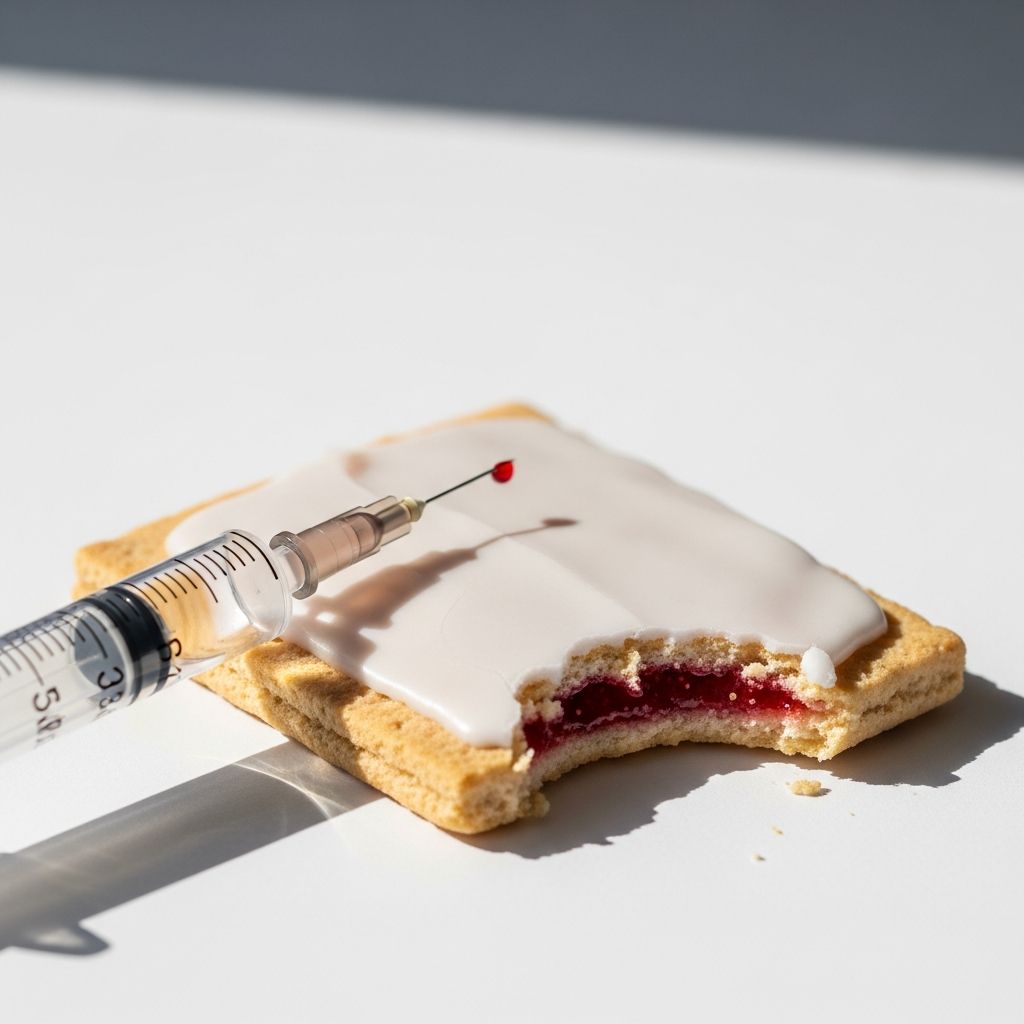
Pop-Tarts, the iconic toaster pastries from Kellogg’s, are beloved for their sweet flavors and convenience but pack a significant sugar load that can cause rapid blood sugar spikes. A typical serving of two frosted Pop-Tarts contains around 35-40 grams of added sugars and refined carbohydrates, leading to quick glucose elevation, especially in people with insulin resistance or diabetes.
These pastries trigger a sharp rise in blood glucose due to their high
glycemic index (GI)
from enriched flour and sugars, resulting in insulin surges and potential crashes. While occasional consumption may not harm metabolically healthy individuals, frequent intake links to risks like type 2 diabetes and weight gain.What Are Pop-Tarts Made Of?
Pop-Tarts consist primarily of enriched wheat flour, sugar, soybean oil, and fillings like fruit purees or chocolate. A standard frosted variety, such as S’mores or Strawberry, delivers about 200 calories per pastry, with two-pack servings totaling 400 calories, 70 grams of carbs (mostly simple), and minimal protein or fiber.
- **Key ingredients**: Enriched flour (refined carbs), high fructose corn syrup, dextrose, soybean and palm oil, artificial colors/flavors in some varieties.
- **Nutrition per two pastries**: 370-420 calories, 65-70g carbs, 35-40g sugars (added), 4-5g protein, 9-10g fat, <2g fiber.
- Whole grain versions exist but still carry high sugar loads, like Frosted Cinnamon with 30g added sugars.
This composition makes them calorically dense with little satiety, promoting overconsumption and blood sugar instability.
Do Pop-Tarts Raise Blood Sugar—and How Much?
Yes, Pop-Tarts substantially raise blood sugar due to their high content of simple carbs and sugars. Consuming two Pop-Tarts can spike glucose from a baseline of 85 mg/dL to 145 mg/dL within 60 minutes in untrained individuals, as shown in personal glucose monitoring experiments.
Refined carbs digest rapidly, flooding the bloodstream with glucose. For context, two Pop-Tarts equal 70g sugar—exceeding daily added sugar limits for many. Post-meal peaks of 140-150+ mg/dL indicate poor metabolic flexibility, improving to 122 mg/dL with training and better nutrition.
| Time Post-Consumption | Glucose Level (mg/dL) – Before Training | Glucose Level (mg/dL) – After Training |
|---|---|---|
| Baseline | 85 | 85 |
| 60 minutes | 145 | 122 |
Such spikes contribute to insulin resistance over time, per health authorities.
Understanding the Glycemic Index of Pop-Tarts
The
glycemic index (GI)
measures how foods raise blood sugar; Pop-Tarts score high (estimated 70-90) due to refined grains and sugars lacking fiber. High-GI foods like these cause rapid spikes, unlike low-GI options (e.g., oats, GI ~55).High-GI diets elevate blood lipids, hunger, and insulin, risking heart disease and diabetes. Pop-Tarts’ simple carbs form advanced glycation end products, stiffening vessels and promoting inflammation.
- High GI (>70): Quick spikes, crashes.
- Medium (56-69): Moderate rise.
- Low (<55): Steady glucose.
Related Stories



Pop-Tarts and Diabetes: What the Experts Say
Registered dietitians advise limiting Pop-Tarts for diabetes management. Their 30-40g added sugars per serving surpass American Diabetes Association recommendations (<25g/day for women, <36g for men). Excess promotes hyperglycemia, weight gain, and cardiovascular risks.
“High-sugar processed foods like Pop-Tarts cause pronounced blood sugar elevations, particularly risky for those with diabetes or prediabetes,” says a nutrition expert.
CSPI criticizes school sales of Pop-Tarts with 30g sugars, equating to seven teaspoons, urging reformulation.
Health Risks of Eating Pop-Tarts Regularly
Regular Pop-Tart consumption exceeds USDA guidelines (added sugars <10% calories; WHO <5%). On 2,000 calories, that’s <50g/day; two Pop-Tarts nearly max it.
- Increased type 2 diabetes risk from chronic spikes.
- Weight gain: Empty calories lack fullness.
- Heart disease: Elevated lipids, pressure, inflammation.
- Tooth decay and fatty liver from excess fructose.
Studies link >13% calories from added sugars to 39% higher cardiovascular mortality.
Are There Healthier Alternatives to Pop-Tarts?
Yes, opt for lower-GI, higher-protein/fiber options to minimize spikes:
- **Protein pastries**: Legendary Foods’ versions offer 20g protein, 5g net carbs, 2-5g sugar—keto/gluten-free, fewer crashes.
- **Homemade**: Oat-based with nut butter, fruit (GI ~50).
- **Greek yogurt parfait**: Yogurt, berries, nuts (protein/fiber balance).
- **Nut butter toast**: Whole grain + almond butter (steady energy).
- **Chia pudding**: Fiber-rich, low GI.
These sustain energy without extremes.
Can Pop-Tarts Ever Fit Into a Healthy Diet?
In moderation, yes—via “Pop-Tart periodization.” Use as occasional “distress nutrition” to test metabolic health. Train to improve tolerance: baseline spikes drop with fitness/nutrition (e.g., 145 to 122 mg/dL).
Pair with protein/fat/fiber (e.g., nuts, eggs) to blunt spikes. Best for athletes post-workout, not daily breakfast. Flexible dieting allows treats aligning with goals.
Who Should Avoid Pop-Tarts?
- People with diabetes/prediabetes: High risk of poor control.
- Those with insulin resistance or PCOS.
- Children: Schools criticized for sugary options disrupting learning/health.
- Weight loss seekers: Low satiety promotes excess calories.
Frequently Asked Questions (FAQs)
Do Pop-Tarts spike blood sugar?
Yes, significantly—two can raise levels 50-60+ mg/dL in an hour due to 70g carbs/sugars.
Are Legendary Pop-Tarts healthier?
Yes, with 20g protein, low sugar/net carbs, they cause milder rises than originals.
How much sugar in Pop-Tarts?
35-40g added per two frosted pastries.
Can diabetics eat Pop-Tarts?
Rarely, in small amounts with monitoring; prefer low-GI alternatives.
What’s Pop-Tart periodization?
Using Pop-Tarts to benchmark metabolic improvements via glucose tests over training.
References
- Dietary Guidelines for Americans, 2020-2025 — U.S. Department of Agriculture. 2020-12-30. https://www.dietaryguidelines.gov/sites/default/files/2020-12/Dietary_Guidelines_for_Americans_2020-2025.pdf
- Pop-Tart Periodization — Dr. Mike T. Nelson. 2023-05-15. https://miketnelson.com/pop-tart-periodization/
- Worried about the health effects of the sugar in your breakfast cereal — University of North Dakota. 2024-08-20. https://blogs.und.edu/cnpd/2024/08/worried-about-the-health-effects-of-the-sugar-in-your-breakfast-cereal-little-has-changed-since-the-days-of-unfrosted-the-pop-tarts-movie/
- Kellogg’s urged not to peddle dessert for breakfast to school children — Center for Science in the Public Interest. 2023-10-10. https://www.cspi.org/press-release/kelloggs-urged-not-peddle-dessert-breakfast-school-children
- Guideline: Sugars intake for adults and children — World Health Organization. 2015-03-04. https://www.who.int/publications/i/item/9789241549028
Similar Articles








Read full bio of Sneha Tete