Posture Correctors In 2025: Do They Really Work? Expert Guide
Experts explain if posture correctors can truly improve alignment, reduce pain, and what alternatives work best for long-term results.
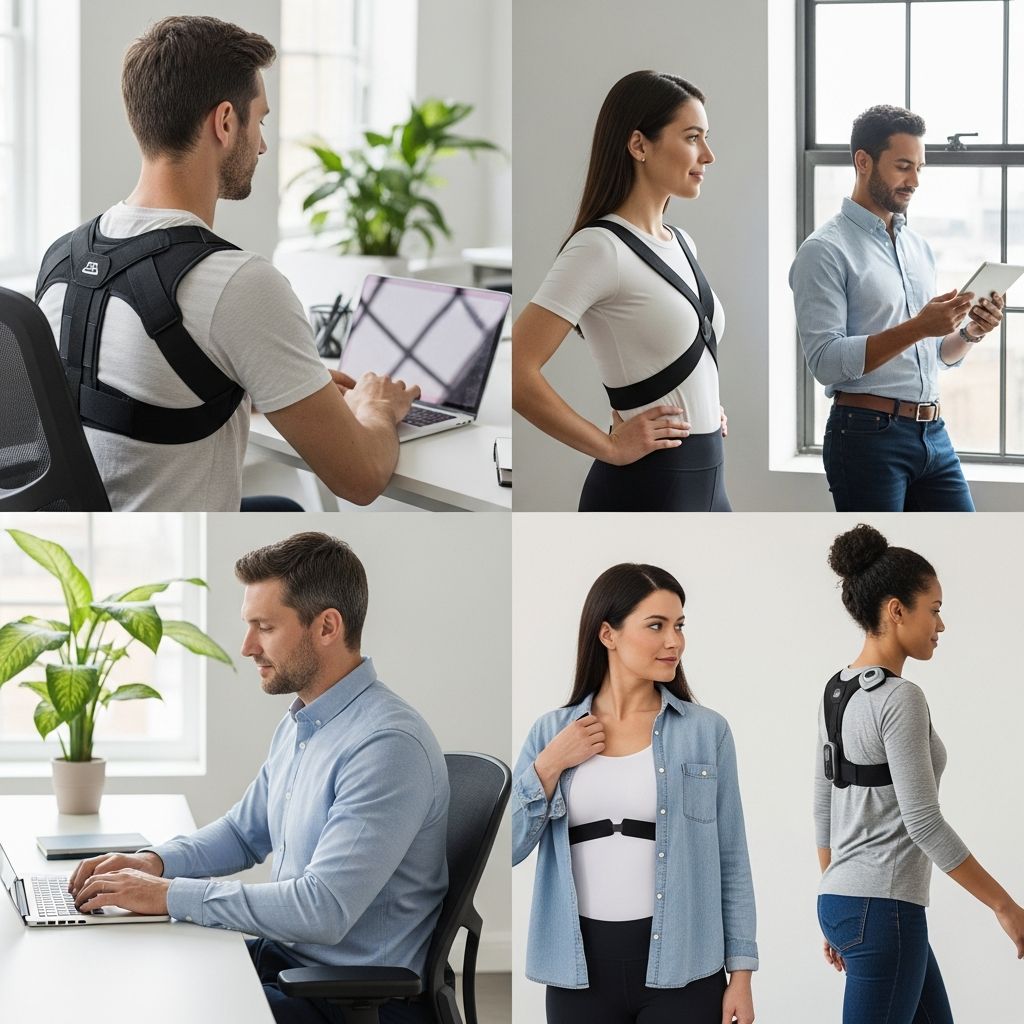
Posture correctors are wearable devices designed to combat slouching by pulling shoulders back and promoting spinal alignment, but evidence on their long-term effectiveness is mixed and often limited to short-term use alongside exercises.
Poor posture, often called “tech neck” or forward head posture from prolonged screen time, contributes to neck pain, back strain, and muscle imbalances, affecting millions who sit at desks daily.
What Is a Posture Corrector?
A
posture corrector
is an orthotic wearable that supports the upper body to encourage proper alignment. These devices target common issues like rounded shoulders, forward head posture, and excessive thoracic kyphosis by gently retracting the shoulders and stabilizing the spine.- Typically made from breathable fabrics, elastic straps, or rigid panels.
- Worn under or over clothing for 1-2 hours daily initially.
- Some use biofeedback vibrations to alert slouching in real-time.
They address muscle imbalances where chest muscles (pectorals) tighten while upper back muscles (rhomboids, middle trapezius) weaken from sedentary habits.
How Do Posture Correctors Work?
Posture correctors function by providing external support and proprioceptive feedback, helping users sense and correct alignment subconsciously.
Key mechanisms include:
- Shoulder retraction: Straps pull scapulae together, countering forward hunching.
- Spinal support: Lumbar or thoracic pads maintain natural curves.
- Muscle activation: Encourages underused back muscles to engage, building awareness.
- Biofeedback models: Vibrate or tense when slouching detected.
Physical therapist Christina Rodriguez, PT, DPT, notes: “Correctors activate weak muscles and guide positioning, enhancing proprioception so good posture becomes habitual.”
Do Posture Correctors Actually Work? What the Research Says
Research shows
mixed results
: Short-term benefits for pain relief and alignment exist, but long-term posture changes require exercises and ergonomics.| Study/Review | Findings | Date |
|---|---|---|
| 2025 Review | Braces improve spinal alignment, reduce forward head posture, and upper body pain with exercises. | 2025 |
| 2023 Study | Reduced trapezius activity (good for fatigue) but no change in neck alignment, pain, or fatigue. | 2023 |
| 2019 Review | Posture shirts ineffective long-term; only 6/137 studies high-quality. More research needed. | 2019 |
| HSS Expert Review | Helpful for awareness and muscle activation, best with strengthening routine. | 2021 |
AdventHealth experts conclude wearables offer reminders and reduce muscle effort short-term but warn against reliance, likening them to “training wheels” needing muscle strengthening.
A systematic review protocol on forward head posture (FHP) interventions, including correctors, suggests potential for mechanical neck pain relief via improved muscle balance and reduced loading.
Types of Posture Correctors
Posture correctors vary by design and target area. Choose based on your slouch type (e.g., shoulders vs. lower back).
- Shoulder braces: Straps cross over shoulders like a backpack; ideal for rounded shoulders.
- Full背 vests: Cover torso with rigid panels for comprehensive support.
- Posture shirts: Compression garments with sensory panels; subtle under clothes.
- Lumbar supports: Belts for lower back sway.
- Tech-enabled: Apps or vibrations for real-time cues.
Related Stories



No type outperforms others per data; fit and targeted support matter most.
Who Might Benefit From a Posture Corrector?
Ideal candidates include:
- Desk workers with prolonged sitting and slouching.
- Those with mild neck/upper back pain from FHP.
- Individuals seeking posture reminders during work.
- People starting posture rehab, paired with PT.
Not suitable for severe scoliosis, injuries, or respiratory issues without doctor approval.
Pros and Cons of Posture Correctors
| Pros | Cons |
|---|---|
| Quick alignment feedback and pain relief. | Mixed long-term evidence; may weaken muscles if over-relied on. |
| Improves awareness, reduces fatigue. | Discomfort, skin irritation, or breathing restriction if too tight. |
| Affordable, easy to use at home. | Not FDA-approved as medical devices; false claims possible. |
| Supports exercise programs. | Short-term only (20-60 min/day); dependency risk. |
Risks and Downsides of Posture Correctors
While generally safe, pitfalls include muscle weakening from over-dependence, poor fit causing chafing or joint strain, and unsuitability for hypermobility or injuries.
- Stop if pain, numbness, or breathing issues occur.
- Avoid all-day wear to prevent atrophy.
- Consult professionals for underlying conditions.
How to Use a Posture Corrector Properly
For best results:
- Start 20-30 minutes/day, build to 1-2 hours.
- Wear during activities; actively engage muscles.
- Combine with strengthening (rows, planks).
- Adjust for comfort; ensure adjustability.
- Wean off as posture improves.
Rodriguez advises: “Engage postural muscles while wearing it so your body learns independently.”
What to Look for When Buying a Posture Corrector
- Adjustability: Fits changing body positions.
- Breathable material: Cotton/neoprene blends.
- Targeted design: Matches your weak area (e.g., lumbar pad).
- Size guide: Measure chest/waist accurately.
- Return policy: Test fit comfort.
- Certifications: FDA-cleared if medical claim; beware fakes.
Better Alternatives to Posture Correctors
Experts prioritize sustainable habits over devices.
- Strengthening exercises: Rows, scapular squeezes, chin tucks.
- Ergonomics: Monitor at eye level, lumbar support chair.
- Stretching: Chest openers, thoracic extensions.
- Mindfulness: Posture checks hourly.
- Physical therapy: Customized plans for FHP and pain.
UCLA Health emphasizes posture prevents strain: “Good alignment reduces load on spine and muscles.”
When to See a Doctor or Physical Therapist
Seek help if:
- Pain persists >2 weeks or worsens.
- Numbness, tingling, or weakness.
- History of spine injury or scoliosis.
- Posture corrector causes discomfort.
Professionals assess root causes and tailor plans.
Frequently Asked Questions (FAQs)
Do posture correctors work long-term?
Short-term yes for awareness and pain; long-term no without exercises.
How long should you wear a posture corrector?
20-120 minutes/day max; gradually reduce.
Can posture correctors cause harm?
Possible muscle weakening, irritation if misused.
Are posture correctors FDA-approved?
Some cleared as Class I devices; check labels, avoid false claims.
What’s better than a posture corrector?
Exercises, ergonomics, and PT for lasting results.
References
- Posture correctors: Effectiveness, types, and when to see a doctor — Medical News Today. 2025. https://www.medicalnewstoday.com/articles/do-posture-correctors-work
- Posture-Correcting Devices – Hype or Benefit? — AdventHealth. Recent. https://www.adventhealth.com/news/posture-correcting-devices-hype-or-benefit
- Do Posture Correctors Work? Expert Advice from a PT — Hospital for Special Surgery (HSS). 2021-03-08. https://www.hss.edu/health-library/move-better/do-posture-correctors-work
- Effectiveness of posture-correction interventions for mechanical neck pain and posture among people with forward head posture: protocol for a systematic review — PMC (PubMed Central). 2022. https://pmc.ncbi.nlm.nih.gov/articles/PMC8915312/
- Why good posture matters — UCLA Health. Recent. https://www.uclahealth.org/news/article/why-good-posture-matters
Similar Articles








Read full bio of medha deb