Probiotics For Bloating: Best Strains, Foods, And Tips
Discover if probiotics can ease bloating, how they work, best strains, foods, and when to see a doctor for gut relief.
Probiotics, live beneficial microbes found in supplements and fermented foods, may help reduce bloating in some people by restoring gut microbiome balance, particularly those with irritable bowel syndrome (IBS). However, results vary by strain, individual factors, and underlying causes, with moderate evidence supporting specific probiotics for bloating relief in IBS patients.
What Causes Bloating?
Bloating occurs when excess gas builds up in the digestive tract or when the gut feels uncomfortably full and distended, often due to diet, gut dysbiosis, or conditions like IBS. Common triggers include high-fiber foods, carbonated drinks, swallowing air, constipation, and imbalances in gut bacteria where harmful microbes outnumber beneficial ones, leading to inefficient digestion and fermentation.
In IBS, altered gut motility and sensitivity amplify bloating, affecting up to 90% of patients. Other causes encompass small intestinal bacterial overgrowth (SIBO), food intolerances like lactose or FODMAPs, and hormonal fluctuations.
What Are Probiotics?
**Probiotics** are live microorganisms, primarily bacteria and yeasts like *Lactobacillus* and *Bifidobacterium*, that confer health benefits when consumed in adequate amounts, strengthening the gut microbiome. They combat dysbiosis—an imbalance of beneficial microbes—by populating the gut, producing short-chain fatty acids, and inhibiting pathogens.
Unlike prebiotics (fibers that feed existing good bacteria), probiotics introduce new live cultures. They support digestion, immunity, inflammation reduction, and bowel regularity by aiding food breakdown and gas regulation.
Do Probiotics Help With Bloating?
Specific probiotics show promise for bloating relief, with moderate evidence from expert consensus indicating reductions in bloating and distension for some IBS patients. Strains like *Bifidobacterium infantis* improve abdominal pain, bloating, and bowel habits by normalizing gas production and gut motility.
A healthy gut microbiome efficiently digests food, minimizing fermentation gases; probiotics restore this by outcompeting harmful bacteria. However, not all probiotics work universally—benefits depend on strain specificity, dosage, and individual microbiome. Short-term use may initially increase gas as new microbes adjust, but symptoms often improve within days.
How Do Probiotics Work for Bloating?
Probiotics populate the gut, producing enzymes for better carbohydrate breakdown, reducing undigested food fermentation that causes gas. They generate short-chain fatty acids that nourish gut cells, enhance barrier function, and modulate inflammation linked to bloating.
In IBS, they regulate motility, decrease visceral hypersensitivity, and lower pathogenic overgrowth. Byproducts like bacteriocins inhibit gas-producing bacteria, while improved microbial diversity stabilizes digestion.
Best Probiotics for Bloating
Strain-specific selection matters; evidence supports:
- Bifidobacterium infantis 35624: Reduces IBS bloating, pain, and distension.
- Lactobacillus plantarum 299v: Alleviates gas and abdominal discomfort.
- Bifidobacterium lactis BB-12: Improves bowel regularity and bloating.
- Lactobacillus rhamnosus GG: Eases post-antibiotic bloating.
- Saccharomyces boulardii: Yeast probiotic for diarrhea-related bloating.
Related Stories



Look for products with 1–10 billion CFUs, refrigerated if live cultures required, listing strains explicitly.
Probiotic Foods for Bloating
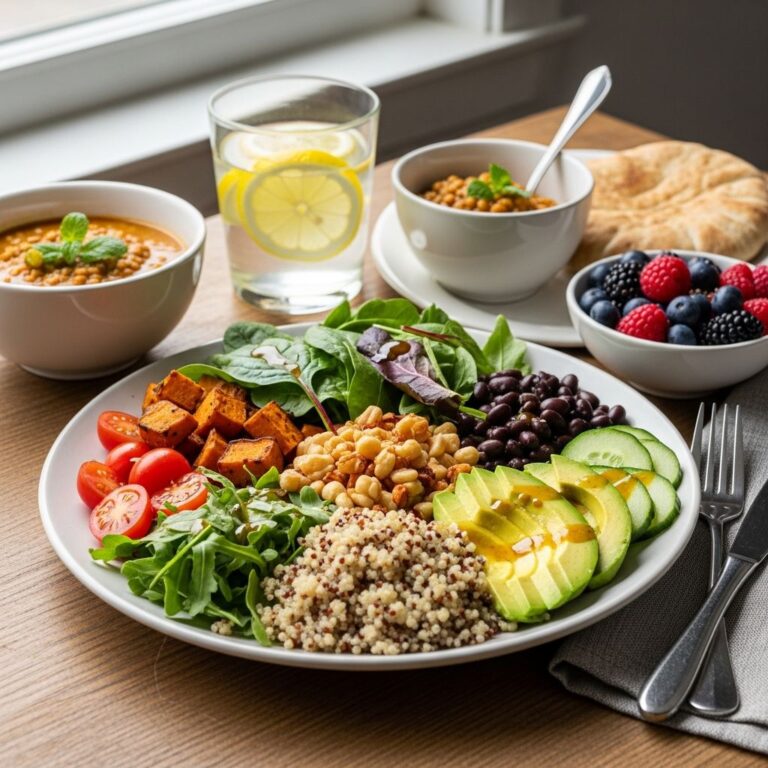
Fermented foods deliver natural probiotics and prebiotics for broader microbiome support:
- Yogurt with live cultures (Greek yogurt for higher protein).
- Kefir (fermented milk with diverse strains).
- Sauerkraut, kimchi (unpasteurized for live bacteria).
- Kombucha, kvass (low-sugar versions).
- Miso, tempeh (in moderation).
These provide lower doses than supplements but enhance overall gut diversity; pair with prebiotic foods like garlic, onions, bananas.
Probiotic Supplements for Bloating
Supplements offer targeted, high-dose delivery (5–50 billion CFUs) for therapeutic use. Choose multi-strain formulas for IBS bloating, taken daily with/without food per label. Start low to minimize initial gas.
| Supplement Type | Best For | CFU Range | Notes |
|---|---|---|---|
| Single-strain | Specific symptoms (e.g., B. infantis for IBS) | 1–10 billion | Evidence-based for bloating. |
| Multi-strain | General gut health | 10–50 billion | Broader support. |
| Soil-based | Resilient spores | 1–5 billion | Travel-friendly, less refrigeration. |
Who Should Take Probiotics for Bloating?
Ideal for IBS sufferers, post-antibiotic recovery, recurrent bloating from dysbiosis, or those with irregular bowels. Pregnant individuals, athletes, or high-stress people may benefit for microbiome maintenance.
Who Should Avoid Probiotics?
Immunocompromised patients risk infections from live microbes; consult doctors. Those with SIBO may worsen symptoms initially. Avoid if allergic to strains or experiencing acute pancreatitis.
Probiotics Side Effects and Risks
Common mild effects: temporary gas, bloating, diarrhea as microbiome adjusts (resolves in 1–2 weeks). Rare serious risks in vulnerable groups: infections. High doses may cause constipation; quality varies—choose third-party tested.
How Long Do Probiotics Take to Work for Bloating?
Noticeable relief in 1–4 weeks with consistent use; IBS improvements in 4–8 weeks. Track symptoms; discontinue if no benefit after 1 month.
Tips for Choosing Probiotics for Bloating
- Verify live cultures, CFU count, strains on label.
- Prefer refrigerated multi-strain with prebiotics.
- Third-party tested (USP, NSF).
- Match to symptoms (e.g., Bifidobacterium for IBS).
- Store properly to maintain viability.
Other Ways to Reduce Bloating
- Diet: Low-FODMAP, smaller meals, chew slowly.
- Exercise: 30 min daily walking aids motility.
- Hydration: 8+ glasses water.
- Stress management: Yoga, meditation.
- Enzymes: Beano for beans, lactase for dairy.
When to See a Doctor for Bloating
Seek care for persistent bloating >2 weeks, weight loss, blood in stool, severe pain, vomiting, or fever—may signal celiac, IBD, cancer. Doctors may test for intolerances, SIBO, or recommend prescription probiotics.
Frequently Asked Questions (FAQs)
Can probiotics cause bloating?
Yes, initially in sensitive guts due to gas byproducts, but this subsides in days.
What’s the best probiotic strain for bloating?
*Bifidobacterium infantis* shows strongest evidence for IBS bloating.
How much probiotics for bloating daily?
1–10 billion CFUs; follow label or doctor advice.
Do probiotic drinks help bloating?
Kefir, kombucha can, via diverse strains, but check sugar content.
Are probiotics safe long-term?
Generally yes for healthy adults; cycle or consult doctor.
References
- Probiotics: What They Are, Benefits & Side Effects — Cleveland Clinic. 2023-10-12. https://my.clevelandclinic.org/health/treatments/14598-probiotics
- Systematic review: probiotics in the management of lower gastrointestinal symptoms in IBS — National Institutes of Health (PMC). 2018-04-11. https://pmc.ncbi.nlm.nih.gov/articles/PMC5900870/
Similar Articles








Read full bio of medha deb