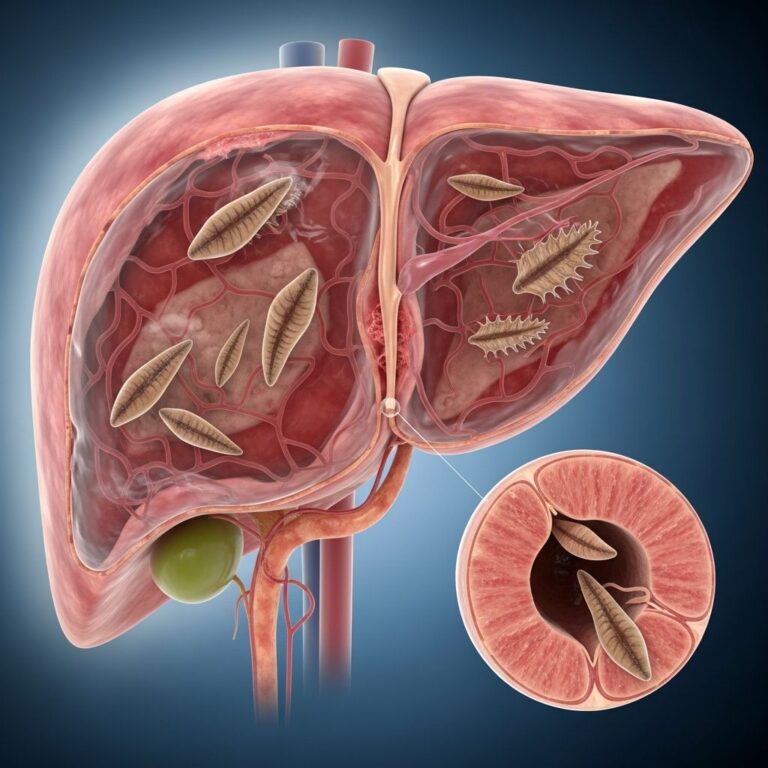
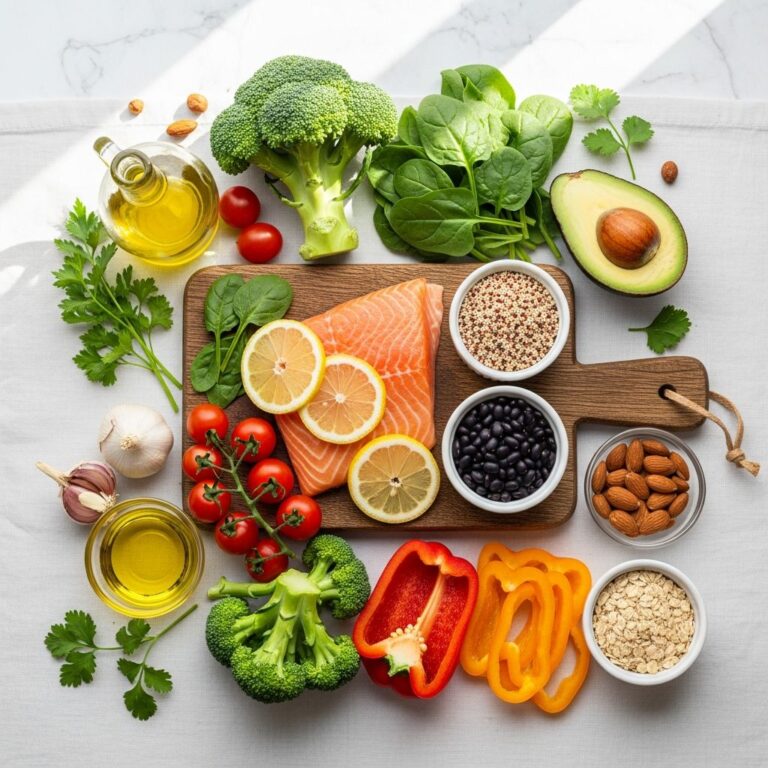
Probiotics For Weight Loss: Evidence-Based Guide For 2025
Explore the science behind probiotics and weight loss: what experts say about gut health and metabolism.

Do Probiotics Help You Lose Weight?
Before the rise of GLP-1 medications, probiotics were gaining attention as a potential weight loss tool. These microscopic living organisms are marketed for improving digestion, heart health, and immunity—but do they actually help you shed pounds? The answer is more nuanced than a simple yes or no, requiring an understanding of how your gut microbiome influences metabolism and body weight.
Understanding What Probiotics Are
Probiotics are live microorganisms that support the beneficial bacteria living throughout your body, particularly in your intestines. According to obesity medicine experts, good bacteria play a crucial role in maintaining overall health by helping your body digest food, produce essential vitamins, break down and absorb medications, and prevent the overgrowth of harmful bacteria that can cause illness.
Your gut microbiome is uniquely yours, composed of trillions of microbes that inhabit your digestive system. Research has shown that individuals carrying extra weight often have different gut bacteria compared to those at a healthy weight, suggesting a connection between microbial composition and body weight management.
How Probiotics Might Support Weight Loss
Several mechanisms explain how probiotics could theoretically support weight loss efforts:
- Improved Digestion: When you eat, your body breaks down food during digestion, and gut microbes absorb nutrients while creating compounds that stabilize blood sugar and trigger fullness signals. This directly affects appetite and food cravings.
- Reduced Inflammation: Probiotics may help reduce bloating and inflammation, which can contribute to weight gain and metabolic dysfunction.
- Blood Sugar Regulation: Balanced gut bacteria help regulate blood sugar levels, preventing the spikes and crashes that lead to increased hunger and cravings.
- Enhanced Energy Metabolism: Probiotics can improve how your body uses and stores energy, potentially supporting more efficient calorie processing.
- Fat Absorption: Some research suggests that certain probiotic strains may reduce the amount of dietary fat your body absorbs.
When your gut microbiome is in balance with a healthy ratio of good-to-bad bacteria, these processes work more efficiently. Functional nutrition experts note that probiotics “can make weight loss easier by improving the environment inside your body that controls how your body processes and makes energy from food, hormones, and overall metabolic regulation,” though they emphasize this is not a quick fix.
What Research Actually Shows
While the theory behind probiotics and weight loss is compelling, the scientific evidence remains limited and mixed. A critical distinction exists between theoretical benefits and proven results in clinical studies.
Mixed Research Findings: A 2024 review examining six studies on probiotics for treating excess weight and obesity found that specific bacterial strains—particularly Bifidobacterium and Lactobacillus—significantly reduced body weight, body mass index, waist circumference, and total body fat mass even in the absence of dieting. However, experts caution that more extensive research is needed to confirm these findings.
A broader literature review analyzing 105 studies on overweight individuals revealed that probiotics do improve weight loss markers. Specifically, consuming a probiotic containing three or more strains over an 8-week period resulted in slight decreases in body weight, body fat mass, and waist circumference in overweight individuals.
Limited Evidence for Supplements: Despite some positive findings, there is currently no strong quality evidence showing that taking a probiotic supplement alone will help with weight loss. A recent analysis of probiotic supplement studies concluded they don’t work for weight loss on their own, though researchers note that more rigorous clinical trials are needed. Many existing studies don’t meet the standards of well-conducted clinical trials, which limits the reliability of their conclusions.
Related Stories



The Causation Question: An important consideration is whether a healthy gut creates weight loss or whether weight loss creates a healthier gut. Research suggests it may be the latter—that people who eat healthily develop healthier guts, rather than the reverse. This chicken-and-egg scenario highlights why probiotics alone are unlikely to produce weight loss without accompanying dietary and lifestyle changes.
Which Probiotic Strains Matter Most?
Not all probiotics are created equal, and there is currently no universal consensus on which strains work best for weight loss. However, research has identified several promising candidates:
- Akkermansia muciniphila: This probiotic species has demonstrated the ability to regulate metabolism and improve insulin sensitivity in a 2021 review of studies.
- Lactobacillus gasseri: Among the most researched strains for weight management, this bacterium shows promise in supporting metabolic health.
- Lactobacillus rhamnosus: Another well-studied strain often included in broad-spectrum probiotics for supporting weight loss efforts.
- Bifidobacterium: Research indicates this genus may contribute to reduced body weight and improved metabolic markers.
Experts recommend choosing a broad-strain probiotic containing multiple researched strains rather than relying on a single-strain supplement. A diverse probiotic profile that includes several of these established strains can help create a healthier and more diverse microbiome, which better supports weight loss and overall health.
For individuals with type 2 diabetes, regular probiotic consumption improved blood sugar levels and resulted in decreased body weight and inflammation commonly seen in metabolic disease. However, interestingly, probiotics did not improve insulin resistance in patients with fatty liver disease, though they did reduce body weight and waist circumference.
Probiotic Supplements vs. Probiotic Foods
Experts recommend prioritizing probiotic-rich foods before turning to supplements, though supplements can fill nutritional gaps more conveniently.
Food-Based Probiotics: Fermented foods containing trillions of microbes can help increase gut diversity and create an environment where beneficial bacteria thrive, naturally pushing out harmful bacteria. Additionally, eating probiotic foods such as yogurt is linked to changes in microbiomes and reduced belly fat.
Probiotic Supplements: While often easier to take than maintaining a diet rich in fermented foods, many commercial probiotic products contain microbes selected primarily because they’re easy to grow rather than for their specific health benefits. The convenience factor makes supplements appealing, but their effectiveness for weight loss specifically remains questionable compared to whole-food sources.
Combining Approaches: For optimal results, integrate probiotics into a balanced diet and healthy lifestyle rather than relying on them as a standalone solution. Coupling probiotic consumption with prebiotics—plant-based foods high in fiber—encourages beneficial microbes to flourish and persist in your gut.
Risks and Safety Considerations
While probiotics are generally safe for most people, there are important considerations to keep in mind:
- Digestive Upset: Taking probiotics could temporarily throw off the bacterial balance in your gut, potentially leading to digestive issues such as gas, bloating, or an upset stomach, particularly when first starting supplementation.
- Immune Compromise: Anyone with a compromised immune system should consult their healthcare provider before taking probiotics.
- Existing Digestive Conditions: Those with conditions like Crohn’s disease, ulcerative colitis, or small intestinal bacterial overgrowth (SIBO) may experience adverse effects and should avoid probiotics without medical supervision.
- Antibiotic Interactions: If you’re taking antibiotics, some may prevent probiotics from working effectively, reducing any potential benefits.
Before starting any probiotic supplement, especially if you have underlying health conditions or are taking medications, consult with your healthcare provider to determine whether probiotics are appropriate for your situation.
The Bottom Line on Probiotics and Weight Loss
The relationship between probiotics and weight loss remains promising but unproven at present. Here’s what we know:
- Probiotics may support weight loss indirectly by improving gut health and metabolic function
- Research shows some potential, particularly for multi-strain probiotics, but evidence isn’t conclusive enough to recommend them as a primary weight loss strategy
- Probiotic-rich foods appear more beneficial than supplements alone
- Probiotics work best when combined with a balanced diet, regular exercise, and healthy lifestyle habits
- Individual results vary significantly based on existing microbiome composition and overall health status
While it won’t hurt to try probiotics if weight loss is your goal, treating them as a miracle solution would be unrealistic. Instead, view them as one component of a comprehensive approach to health and weight management that prioritizes whole foods, physical activity, and sustainable lifestyle changes.
Frequently Asked Questions
Q: Can probiotics alone help me lose weight without diet changes?
A: No. While probiotics may support weight loss, they work best when combined with a balanced diet and healthy lifestyle. Research suggests that healthy eating habits create a healthier gut, rather than the reverse, making dietary changes essential for meaningful weight loss results.
Q: How long do I need to take probiotics to see weight loss results?
A: According to research, multi-strain probiotics taken consistently for at least 8 weeks showed measurable improvements in weight loss markers, body fat, and waist circumference. Individual results vary, and consistency is more important than expecting immediate changes.
Q: Are probiotic supplements better than probiotic foods for weight loss?
A: Probiotic foods like yogurt, kefir, and fermented vegetables appear more beneficial than supplements because they contain more diverse microbes. Supplements can help fill gaps, but food sources should be your primary focus.
Q: Which probiotic strains are most effective for weight loss?
A: Look for probiotics containing multiple strains, particularly Lactobacillus gasseri, Lactobacillus rhamnosus, Bifidobacterium, and Akkermansia muciniphila, which have shown the most promise in research for supporting metabolic health and weight management.
Q: Are probiotics safe for everyone?
A: Probiotics are generally safe for most people but may cause temporary digestive issues. However, those with compromised immune systems, Crohn’s disease, ulcerative colitis, SIBO, or those taking antibiotics should consult their healthcare provider before starting probiotics.
Q: Can probiotics help with weight loss if I have type 2 diabetes?
A: Yes. Research shows that regular probiotic consumption improved blood sugar levels and resulted in decreased body weight and inflammation in individuals with type 2 diabetes. However, they should complement, not replace, your diabetes management plan.
References
- What To Know About Probiotics For Weight Loss, Per Experts — Women’s Health Magazine. 2024. https://www.womenshealthmag.com/weight-loss/a69207616/probiotics-for-weight-loss/
- Probiotics could help treat metabolic disease patients — Gut Microbiota for Health. 2024. https://www.gutmicrobiotaforhealth.com/probiotics-could-help-treat-metabolic-disease-patients/
- Probiotics and Weight Loss: How and Why They Work — ZOE. 2025-11-17. https://zoe.com/learn/probiotics-and-weight-loss
- Use of probiotics in preventing and treating excess weight and obesity — PubMed Central. 2024. https://pmc.ncbi.nlm.nih.gov/articles/PMC11187407/
- Probiotics and prebiotics: What you should know — Mayo Clinic. 2024. https://www.mayoclinic.org/healthy-lifestyle/nutrition-and-healthy-eating/expert-answers/probiotics/faq-20058065
Similar Articles








Read full bio of Sneha Tete