Do Probiotics Make You Poop? Evidence, Best Strains, Timeline
Discover if probiotics can help regulate bowel movements, ease constipation, and improve gut health effectively.
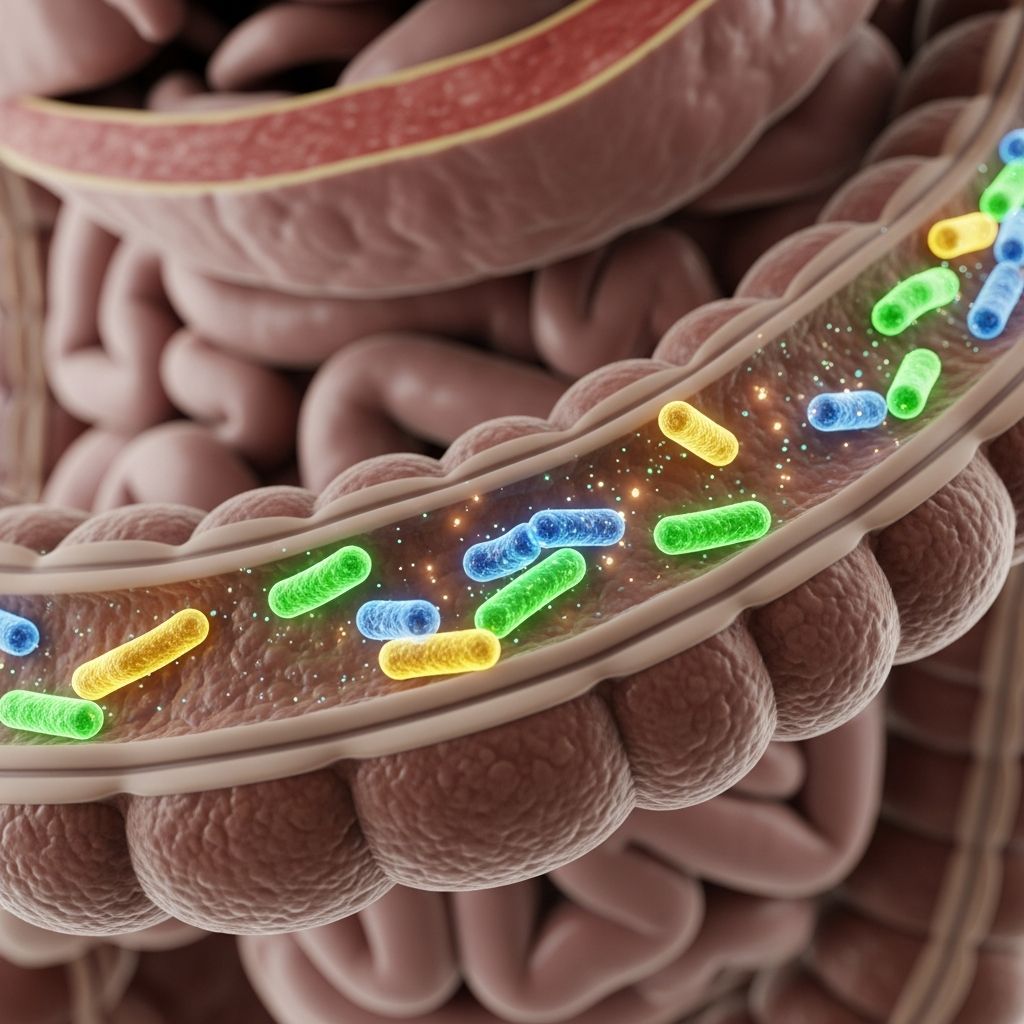
Probiotics, often called “good bacteria,” can influence bowel movements by restoring gut microbiome balance, potentially helping with constipation and promoting regularity.
These live microorganisms, found in supplements and fermented foods, support digestive health by competing with harmful bacteria and aiding food breakdown. While not a universal fix, evidence shows certain strains increase stool frequency and ease passage.
What Are Probiotics?
Probiotics are beneficial bacteria and yeasts naturally residing in the gut, helping maintain a healthy microbial environment. Common strains include Lactobacillus acidophilus, Bifidobacterium, and Saccharomyces boulardii, each targeting issues like diarrhea, constipation, and irritable bowel syndrome (IBS).
- Lactobacillus acidophilus: Supports overall gut balance and may alleviate IBS symptoms.
- Bifidobacterium: Particularly effective for constipation, softening stools and boosting bowel frequency.
- Saccharomyces boulardii: A yeast that combats diarrhea, especially antibiotic-related cases.
The gut hosts trillions of microbes influencing digestion, immunity, and even mood. Disruptions from diet, antibiotics, or stress can lead to imbalances, causing irregular poops. Probiotics replenish these good microbes, fostering a diverse microbiome essential for smooth bowel function.
Do Probiotics Help With Constipation?
Yes, probiotics often help relieve constipation by enhancing gut motility and stool consistency. A meta-analysis of 21 randomized controlled trials involving 2,656 constipated adults found supplements with Lactobacillus or Bifidobacterium increased weekly stool frequency by 0.83 bowel movements (95% CI 0.53-1.14, P<0.001) and reduced intestinal transit time (ITT) by a standardized mean difference of 0.65 (P<0.001).
Earlier studies reported even higher gains, like 1.3 additional bowel movements per week and 12.4 fewer hours of transit time, with stools becoming softer and easier to pass. Products combining both genera showed the strongest effects (mean difference 1.14).
| Probiotic Type | Weekly Stool Increase | 95% CI | P-value |
|---|---|---|---|
| Lactobacillus + Bifidobacterium | 1.14 | 0.42-1.86 | P<0.01 |
| Bifidobacterium only | 0.93 | 0.44-1.43 | P<0.001 |
| Lactobacillus only | 0.42 | -0.22-1.07 | P=0.19 |
Effects were more pronounced in trials using Rome II or III criteria for functional constipation diagnosis, highlighting the importance of standardized assessments. However, results show heterogeneity, so benefits vary by individual factors like diet and underlying conditions.
How Long Does It Take for Probiotics to Make You Poop?
Most people notice changes in bowel habits within 1-2 weeks of consistent probiotic use, though it can take up to 4 weeks for optimal effects. Initial adjustments might cause temporary irregularities as the gut adapts to new bacteria.
Short-chain fatty acids produced by probiotics stimulate colon contractions, speeding transit. Regular intake sustains these benefits, but stopping may revert habits if diet doesn’t support microbiome health.
Side Effects of Probiotics
Probiotics are generally safe, but side effects occur as the gut adjusts, typically resolving in days. Common issues include digestive upset from increased bacterial activity.
- Gas and bloating: From gas-producing byproducts.
- Cramps or changes in bowel movements: Temporary diarrhea or constipation shifts.
- Feeling full: Due to enhanced fermentation.
- Headaches or thirst: Less common, possibly hydration-related.
- Skin reactions: Rare allergic responses like rashes or itching.
Related Stories



High doses or sensitive guts amplify these. People with weakened immunity risk infections, and those with SIBO may worsen symptoms. Always consult a doctor, especially if immunocompromised.
Who Should Not Take Probiotics?
Not everyone needs probiotics; a balanced diet often suffices. Avoid or use cautiously if:
- You have a weakened immune system (e.g., chemotherapy patients).
- You suffer from pancreatitis or severe acute conditions.
- You have SIBO or histamine intolerance.
- You’re pregnant or breastfeeding without medical advice.
Probiotics aren’t FDA-regulated as drugs, so quality varies. Check for allergens and third-party testing.
Probiotic Foods vs. Supplements
Food sources provide probiotics alongside nutrients, often preferable for mild needs. Supplements offer higher, targeted doses for specific issues like constipation.
| Source Type | Examples | Benefits |
|---|---|---|
| Foods | Yogurt, kefir, kimchi, sauerkraut | Natural strains, prebiotics, fiber |
| Supplements | Capsules with Bifidobacterium | Precise dosing, convenience |
Incorporate fermented foods daily: yogurt with live cultures, kombucha, miso. Prebiotics in onions, garlic, and bananas feed existing probiotics.
Best Probiotics for Constipation
Bifidobacterium lactis and Bifidobacterium longum excel for constipation, per meta-analyses. Multi-strain formulas with Lactobacillus enhance efficacy. Look for 10-20 billion CFUs daily, refrigerated if live cultures required.
- Bifidobacterium animalis subsp. lactis: Softens stools effectively.
- Lactobacillus reuteri: Improves frequency in IBS.
- Combination products: Best overall results.
Choose based on needs; consult professionals for personalized picks.
Probiotics and Diarrhea
Beyond constipation, probiotics prevent and treat diarrhea, especially antibiotic-associated. Saccharomyces boulardii reduces risk by 50-60% in some studies. They restore balance post-infection.
Frequently Asked Questions (FAQs)
Do probiotics make you poop right away?
No, effects typically emerge in 1-2 weeks as gut flora adjusts.
Can probiotics cause diarrhea?
Temporarily yes, from short-chain fatty acids or gas, but it resolves quickly.
Are probiotics safe daily?
For most healthy adults, yes. Monitor for side effects and consult doctors for risks.
Do I need probiotics if I eat yogurt?
Yogurt helps, but supplements provide higher potency for constipation.
Which probiotic is best for pooping?
Bifidobacterium strains, backed by meta-analyses showing stool frequency gains.
When to See a Doctor About Bowel Changes
Seek help if probiotics don’t improve constipation after 4 weeks, or if you experience blood in stool, unexplained weight loss, or severe pain. Persistent issues may signal IBS, thyroid problems, or medications.
Lifestyle tweaks like hydration, fiber (25-30g daily), and exercise amplify probiotic benefits.
References
- Do Probiotics Make You Poop — eMedicineHealth. 2023. https://www.emedicinehealth.com/do_probiotics_make_you_poop/article_em.htm
- Effects of probiotic-containing products on stool frequency and intestinal transit in constipated adults: systematic review and meta-analysis — PMC/NIH. 2017-10-06. https://pmc.ncbi.nlm.nih.gov/articles/PMC5670282/
- Probiotics: What They Are, Benefits & Side Effects — Cleveland Clinic. 2023-11-16. https://my.clevelandclinic.org/health/treatments/14598-probiotics
Similar Articles








Read full bio of medha deb