Do Raisins Make You Poop? 4 Easy Constipation Relief Tips
Discover if raisins can relieve constipation and boost digestion with their fiber, sorbitol, and tartaric acid content.
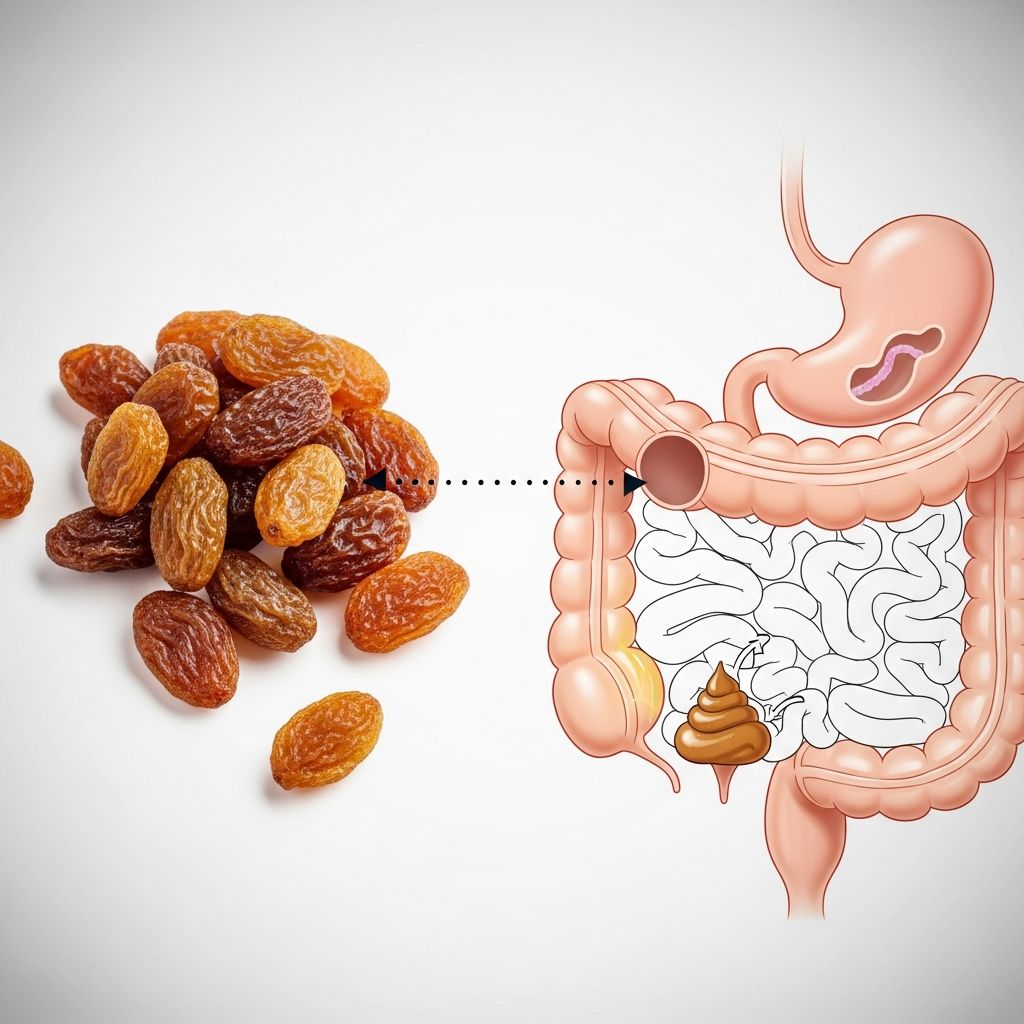
Raisins can promote bowel movements and help relieve constipation due to their high content of dietary fiber, sorbitol, and tartaric acid, which soften stool, add bulk, and improve gut motility.
These sun-dried grapes offer a natural, gentle laxative effect supported by research showing faster colonic transit time and reduced colon cancer risk factors with regular consumption of 2-4 servings daily. While effective for many, individual results vary based on diet, hydration, and health conditions.
What Are the Laxative Effects of Raisins?
Raisins act as a natural laxative primarily through three mechanisms: soluble and insoluble fiber, sorbitol (a sugar alcohol), and tartaric acid.
- Dietary Fiber: One ounce (28g) of raisins provides about 1.5-3g of fiber, including both soluble (which absorbs water to soften stool) and insoluble types (which adds bulk and speeds transit).
- Sorbitol: This natural sugar alcohol draws water into the intestines, softening stool and easing passage, similar to prunes.
- Tartaric Acid: Found uniquely in raisins, it stimulates digestion, reduces colonic alkalinity (lowering pH), and promotes healthier gut function, correlating with reduced colon cancer risk.
Studies, including one by Dr. Spiller, demonstrate that 2 servings of sun-dried raisins daily increase fecal weight, accelerate transit time, and lower pH—key factors in preventing constipation, hemorrhoids, and toxin exposure in the colon.
Nutritional Profile of Raisins: Why They Support Digestion
A 1/4 cup (40g) serving of raisins delivers approximately:
| Nutrient | Amount | % Daily Value* |
|---|---|---|
| Dietary Fiber | 3g | 11% |
| Sugars (incl. sorbitol) | 26g | – |
| Potassium | 320mg | 7% |
| Iron | 1.1mg | 6% |
| Antioxidants (polyphenols) | High | – |
Beyond laxative effects, fiber in raisins acts as a prebiotic, fostering beneficial gut bacteria for improved nutrient absorption and reduced inflammation. Potassium supports muscle function in the intestines, while antioxidants like flavonoids protect digestive cells from oxidative damage.
Research-Backed Evidence: Do Raisins Improve Bowel Function?
Clinical research confirms raisins’ digestive benefits:
- A study on sun-dried raisins (2-4 servings/day) showed increased fecal weight, faster transit time, and lowered colonic pH, reducing constipation and cancer risk factors.
- Raisins’ soluble fiber reduces stomach issues and balances gut bacteria; tartaric acid may lower colorectal cancer risk.
- Gut microbiota research indicates raisins promote short-chain fatty acid (SCFA) production via fiber fermentation, linked to better bowel function and metabolic health.
- Phytochemicals in raisins exhibit antimicrobial effects, indirectly supporting gut health by curbing harmful bacteria.
While one study found limited direct changes to gut microbiota composition, overall intake correlates with improved bowel habits and reduced bile acids. Human trials emphasize moderate intake for optimal results without side effects.
How to Use Raisins for Constipation Relief
Incorporate raisins strategically for digestive support:
- Soaked Raisins: Soak 1/4 cup overnight in water; consume on an empty stomach in the morning. Softens fiber for easier digestion and enhanced laxative effect.
- Daily Snacks: Eat 1/4-1/2 cup plain or mixed with nuts/yogurt. Aim for 2 servings (1/2 cup total) daily per research.
Recipes:
- Oatmeal Boost: Add 2 tbsp chopped raisins to oats with milk for fiber synergy.
- Raisin Water: Boil 10-15 raisins in 1 cup water; drink warm twice daily.
- Trail Mix: Combine with almonds and seeds for portable gut-friendly snack.
- Pairing Tips: Combine with probiotics (yogurt) or hydrating foods; drink plenty of water to maximize fiber benefits.
Related Stories



Start with small amounts to assess tolerance, especially if new to high-fiber foods.
Potential Side Effects and Who Should Be Cautious
Raisins are safe for most but may cause issues in some cases:
- Gas/Bloating: High fiber and sorbitol can ferment, producing gas—introduce gradually.
- Calorie Density: 120 calories per 1/4 cup; moderation prevents weight gain.
- Sulfites: Some raisins contain preservatives triggering allergies/asthma.
- Diabetes: High natural sugars (GI ~64); monitor blood sugar.
Consult a doctor if pregnant, on medications, or with conditions like IBS/GERD. Children under 4 should avoid whole raisins due to choking risk.
Comparing Raisins to Other Natural Laxatives
| Food | Fiber (per 1/4 cup) | Key Laxative Compound | Best For |
|---|---|---|---|
| Raisins | 3g | Sorbitol + Tartaric Acid | Gentle daily use, gut health |
| Prunes | 3g | Sorbitol + Phenolics | Severe constipation |
| Figs | 5g | Fiber + Magnesium | Quick relief |
| Apples | 2g | Pectin + Sorbitol | Mild cases |
Raisins excel in tartaric acid for long-term colon health, outperforming others in pH reduction and transit speed.
Expert Insights from Dietitians and Researchers
“Raisins’ combination of fiber, sorbitol, and tartaric acid makes them a top natural remedy for constipation. Two servings daily yield moderate but significant improvements in bowel function.” — Dr. Gene Spiller, Nutrition Researcher
WebMD notes raisins’ soluble fiber and tartaric acid aid digestion and may reduce colorectal cancer risk. Dietitians recommend them as a tasty alternative to supplements for fiber intake.
Frequently Asked Questions (FAQs)
Q: How many raisins should I eat for constipation relief?
A: Start with 1/4 cup (about a handful) daily, increasing to 1/2 cup (2 servings) as tolerated. Combine with water for best results.
Q: Do soaked raisins work better than dry ones?
A: Yes, soaking softens fiber and enhances digestibility, making them gentler and more effective first thing in the morning.
Q: Can raisins cause diarrhea?
A: In excess (over 1 cup/day), sorbitol may loosen stools. Stick to recommended amounts.
Q: Are raisins good for gut bacteria?
A: Their prebiotic fiber promotes beneficial bacteria and SCFA production, supporting microbiome health.
Q: How quickly do raisins work as a laxative?
A: Effects often appear within 12-24 hours, faster with soaking or warm water.
Q: Are all raisins equally effective?
A: Sun-dried varieties retain more tartaric acid and fiber; choose unsweetened, unsulfited options.
References
- California Raisins: Health and Nutrition Research — California Raisin Marketing Board. Accessed 2026. https://calraisins.org/raisin-nutrition/health-and-nutrition-research/
- Raisins: Are They Good for You? — WebMD. Updated 2023. https://www.webmd.com/diet/raisins-good-for-you
- Dietary raisin intake has limited effect on gut microbiota composition — PMC (NIH). 2019-02-27. https://pmc.ncbi.nlm.nih.gov/articles/PMC6404294/
- Raisins for constipation: Benefits and when to take them — Medical News Today. Updated 2023. https://www.medicalnewstoday.com/articles/raisins-for-constipation
- Raisins: Are They Good for You? 5 Surprising Benefits — DrAxe.com (functional medicine review). Updated 2024. https://draxe.com/nutrition/raisins-nutrition/
Similar Articles








Read full bio of medha deb