Do Retinoids Really Reduce Wrinkles? A Science-Based Guide
Discover the science behind retinoids and their proven effectiveness in reducing wrinkles and aging skin.
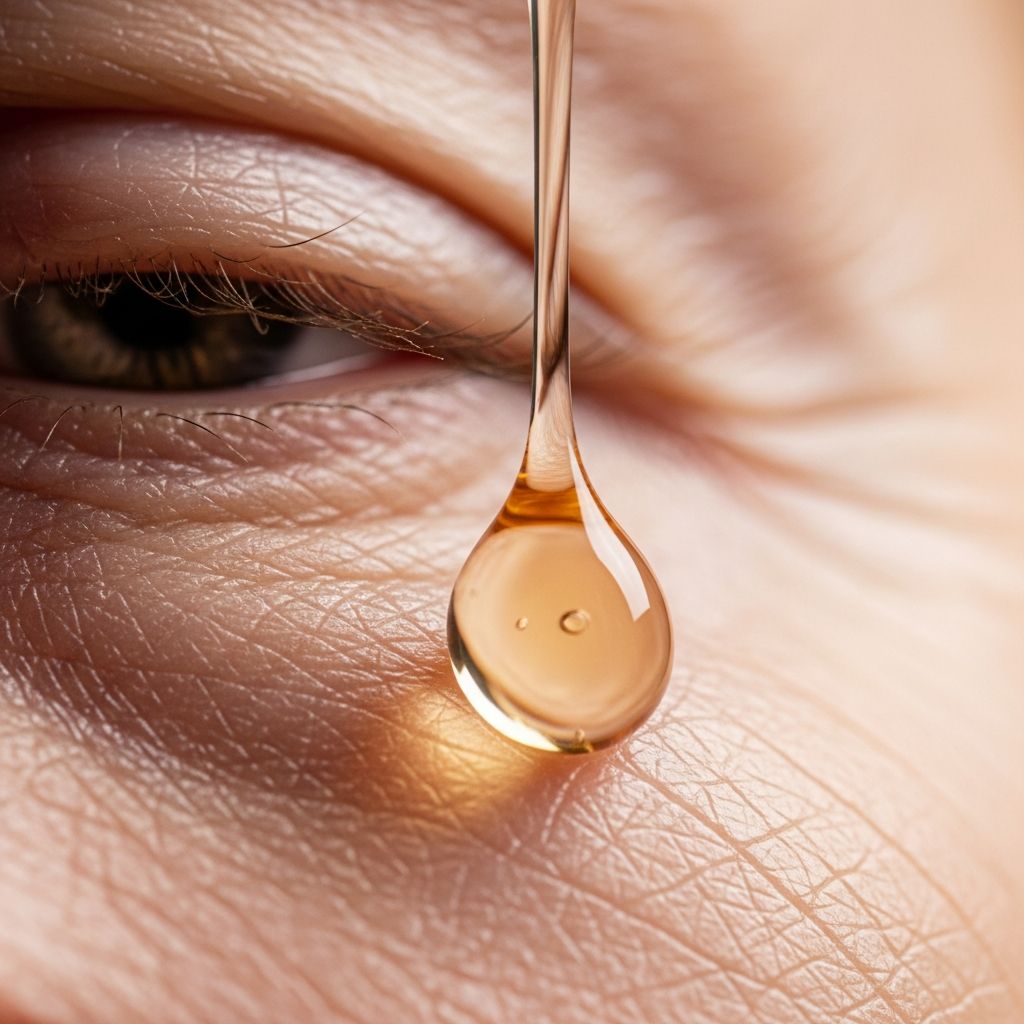
In the quest for youthful, radiant skin, few ingredients have garnered as much scientific attention and dermatological endorsement as retinoids. These powerful vitamin A derivatives have become synonymous with anti-aging skincare, promising to diminish wrinkles, restore elasticity, and reverse visible signs of aging. But do they truly deliver on these claims? The answer is a resounding yes—backed by decades of clinical research and the overwhelming support of dermatologists worldwide. This comprehensive guide explores the science behind retinoids, their proven effectiveness, potential side effects, and how to use them safely for optimal results.
Understanding Retinoids and Vitamin A Derivatives
Retinoids are chemical derivatives of vitamin A, a vital nutrient essential for numerous bodily functions, particularly skin health and cellular renewal. The term “retinoid” is an umbrella category that encompasses several related compounds, each with varying degrees of potency and effectiveness. Understanding the distinctions between these forms is crucial for selecting the right product for your skin.
Retinoids vs. Retinol: What’s the Difference?
While often used interchangeably, retinoids and retinols are not exactly the same thing, though both are derivatives of vitamin A. Prescription-strength retinoids, such as tretinoin (Retin-A) and adapalene, are the most potent forms available and deliver the fastest, most dramatic results. These pharmaceutical-grade compounds work directly on skin cells without requiring metabolic conversion.
Retinol, in contrast, is a weaker over-the-counter formulation that requires your skin to convert it into retinoic acid before it can become active. This conversion process means retinols take longer to produce visible results, typically requiring weeks to months of consistent use. However, they remain highly effective for reducing fine wrinkles, treating acne, and addressing hyperpigmentation, while causing fewer side effects than their prescription counterparts. For individuals new to retinoids or those with sensitive skin, retinol represents an excellent starting point before potentially advancing to stronger formulations.
The Science Behind Wrinkle Reduction
The effectiveness of retinoids in reducing wrinkles stems from their profound ability to influence how skin cells function and regenerate. Understanding this mechanism reveals why dermatologists consider them among the most evidence-based anti-aging ingredients available.
How Retinoids Combat Aging Skin
Retinoids work through multiple complementary pathways to address the fundamental causes of wrinkles and visible aging:
Accelerating Cell Turnover: Retinoids increase the rate at which skin cells divide and regenerate, encouraging the epidermis—the skin’s outermost protective layer—to thicken and strengthen. This accelerated cell turnover helps slough away damaged surface cells while promoting the growth of healthier, more resilient skin.
Stimulating Collagen Production: As we age, natural collagen and elastin production declines, leading to loss of skin firmness and the formation of wrinkles. Retinoids actively stimulate fibroblasts in the dermis layer to produce more collagen while simultaneously inhibiting the breakdown of existing collagen fibers. This dual action helps restore skin’s structural integrity and elasticity, diminishing the appearance of fine lines and deep wrinkles.
Enhancing Hydration: Retinoids increase production of natural hydrating compounds, such as hyaluronic acid, within the skin itself. Proper hydration plumps the skin, making fine lines less visible and creating a more youthful appearance.
Reducing Inflammation: These compounds block multiple inflammatory pathways that contribute to skin damage and accelerated aging. By reducing chronic inflammation, retinoids help protect skin from further deterioration while supporting its natural repair processes.
Related Stories



The Timeline for Results
The speed at which you’ll see results depends on the retinoid strength and your skin’s adjustment period. Prescription-strength retinoids can produce noticeable improvements in wrinkles within 8-12 weeks of consistent use, with continued improvement over several months. Over-the-counter retinols, being weaker formulations, typically require 6-12 weeks minimum before visible changes appear, with optimal results often taking 3-6 months or longer.
Proven Benefits Beyond Wrinkle Reduction
While wrinkle reduction stands as the primary concern for many users, retinoids offer a comprehensive array of skin benefits that make them valuable for various skin concerns:
Sun Damage Reversal: Retinoids help fade age spots, sun spots, and other photodamage accumulated from years of UV exposure.
Improved Skin Texture: By promoting cell renewal, retinoids create smoother, more refined skin texture and minimize the appearance of large pores.
Acne Treatment: Their ability to regulate sebum production, unclog pores, and reduce bacterial growth makes retinoids highly effective for treating both comedonal and inflammatory acne.
Enhanced Skin Radiance: Increased cell turnover reveals fresher, brighter skin beneath the surface, contributing to a more vibrant complexion.
Psoriasis and Other Conditions: Prescription retinoids can help manage psoriasis and other dermatological conditions by normalizing skin cell proliferation and reducing inflammation.
Understanding Side Effects and Irritation
While retinoids are remarkably effective, they do come with potential side effects, particularly during the adjustment phase. The good news is that these effects are typically temporary and manageable with proper usage strategies.
Common Side Effects
The most frequently reported side effects include redness, dryness, scaling, and itching or burning sensations, particularly in the first 2-4 weeks of use. These effects reflect your skin’s adjustment to increased cell turnover and are usually mild to moderate in intensity. More severe cases, especially in individuals with naturally dry skin, can occasionally experience nosebleeds or cracking at the corners of the mouth.
Additionally, retinoids initially increase skin sensitivity to ultraviolet light. However, this sensitivity typically diminishes after several months of consistent use, making daily sunscreen application the primary protective measure needed.
Minimizing Irritation: Proven Strategies
Dermatologists recommend several evidence-based approaches to reduce retinoid-related irritation:
Start Low and Go Slow: Begin with the lowest concentration and least frequent application—typically once or twice weekly—gradually increasing frequency as your skin adapts. This measured approach allows your skin barrier to strengthen while your tolerance increases.
Buffer with Moisturizer: Apply retinoids over a moisturizer containing hyaluronic acid or dimethicone rather than directly to bare skin. This buffering technique reduces irritation while maintaining efficacy, and peeling effects typically disappear within weeks while beneficial results persist.
Support with Complementary Products: Dermatologists recommend incorporating rich moisturizers, hyaluronic acid serums, and even occlusive agents like Vaseline to support skin barrier function during the adjustment phase.
Avoid Problematic Combinations: Certain ingredients can either inactivate retinoids or exacerbate irritation. Avoid combining retinoids with benzoyl peroxide, alpha hydroxy acids, or astringents like ethyl alcohol or witch hazel, as these can reduce effectiveness or increase dryness and redness.
Prioritize Sun Protection: Daily broad-spectrum SPF 30 or higher is non-negotiable when using retinoids, particularly during the first few months of treatment.
Choosing Between Retinol and Prescription Retinoids
Selecting the appropriate retinoid form depends on your skin type, specific concerns, and tolerance level. This comparison table provides guidance for different scenarios:
| Factor | Over-the-Counter Retinol | Prescription Retinoids |
|---|---|---|
| Strength | Weaker; requires skin conversion | Potent; directly active on skin |
| Time to Results | 6 weeks to 6+ months | 8-12 weeks typically |
| Side Effects | Generally mild and infrequent | More pronounced initially; temporary |
| Cost | Affordable; no prescription needed | Higher cost; requires prescription |
| Best For | Beginners; sensitive skin; mild concerns | Severe wrinkles; significant sun damage; fast results |
| Dryness Profile | Less drying overall | More drying; requires careful management |
People with sensitive skin types should generally begin with retinol formulations, using them 2-3 times weekly and gradually increasing frequency to daily use over approximately one month. Once your skin tolerates a gentle product, you can progressively work toward stronger formulations by alternating them into your routine over time.
Creating Your Retinoid Routine
Success with retinoids depends not just on the product itself, but on how you incorporate it into your overall skincare regimen. A comprehensive routine should support skin barrier health while maximizing anti-aging benefits.
Essential Components
Cleanser: Use a gentle, non-stripping cleanser appropriate for your skin type. Avoid harsh exfoliants or astringent products that could further irritate skin.
Hydrating Serum: Apply a hydrating serum containing hyaluronic acid or glycerin before your retinoid to boost skin hydration and buffer potential irritation.
Retinoid Product: Apply as directed, whether that’s buffered with moisturizer or directly to skin, depending on your formulation and tolerance.
Moisturizer: Layer a rich, nourishing moisturizer to support skin barrier function and prevent excessive dryness.
Sunscreen: Daily broad-spectrum SPF 30+ is mandatory, even on cloudy days, to protect against UV-induced damage and prevent photosensitivity reactions.
Optional Nighttime Treatments: Consider incorporating additional supportive ingredients like niacinamide, peptides, or ceramides to strengthen skin barrier resilience.
Who Should Use Retinoids?
Retinoids benefit most individuals concerned with aging skin, but certain populations should exercise caution or avoid them entirely. Pregnant women should not use retinoids, as vitamin A can affect fetal development. Breastfeeding mothers should consult healthcare providers before use. Individuals with certain skin conditions, such as severe rosacea or eczema, may need to avoid retinoids or use them under professional supervision. Those taking medications that increase photosensitivity should discuss retinoid use with their healthcare provider.
Frequently Asked Questions
Q: How long before I see results from retinoids?
A: Results vary by retinoid strength and individual factors. Over-the-counter retinols typically require 6-12 weeks minimum, while prescription retinoids may show improvement in 8-12 weeks. Maximum results often take 3-6 months or longer.
Q: Can I use retinoids during the day?
A: While retinoids are traditionally applied at night, some formulations are designed for daytime use. However, increased sun sensitivity makes nighttime application and religious daytime sunscreen use the safest approach.
Q: Can I combine retinoids with other active ingredients?
A: Many ingredients work well with retinoids, including hydrating compounds and niacinamide. However, avoid combining with benzoyl peroxide, alpha hydroxy acids, or astringents, as these can reduce effectiveness or increase irritation.
Q: What if I experience severe irritation?
A: If irritation becomes intolerable, reduce frequency immediately—potentially to once weekly—and increase buffering with moisturizer. Consult a dermatologist if symptoms persist or worsen.
Q: Are retinoids safe for long-term use?
A: Yes, retinoids are safe for long-term use when applied as directed. Many dermatologists maintain personal retinoid regimens year-round for sustained anti-aging benefits.
Q: Do I need a prescription for retinoids?
A: Over-the-counter retinols are widely available without prescription. Stronger retinoids like tretinoin require a prescription from a dermatologist or healthcare provider.
The Bottom Line
Retinoids represent one of the most scientifically validated and dermatologist-endorsed tools for reducing wrinkles and reversing visible signs of aging. Their multi-mechanism approach—stimulating collagen production, accelerating cell turnover, enhancing hydration, and reducing inflammation—addresses aging at its fundamental level. While side effects do occur during the adjustment phase, they are temporary and manageable through strategic application techniques and supportive skincare practices.
Whether you choose gentle over-the-counter retinols or more potent prescription formulations, the key to success lies in starting slowly, being patient with results, and maintaining consistent use. The science is clear: retinoids really do reduce wrinkles, and when used properly, they can transform your skin and restore a more youthful, radiant appearance.
References
- Does retinol deserve the hype? A Stanford dermatologist weighs in — Stanford Medicine. 2020-08-15. https://med.stanford.edu/news/insights/2020/08/does-retinol-deserve-the-hype-a-stanford-dermatologist-weighs-in.html
- Retinoids vs. Retinol: How They Differ and When to Use Them — Healthline Media. 2024. https://www.healthline.com/health/beauty-skin-care/retinoid-vs-retinol
- Harvard Medical School Research Shows Retinol’s Hidden Eye Risks — Eyes Are The Story. 2024. https://eyesarethestory.com/blogs/the-tome/harvard-research-shows-retinols-hidden-eye-risks-%F0%9F%91%80
Similar Articles








Read full bio of medha deb