Do Sleep Trackers Really Work? Accuracy and Effectiveness
Exploring the science behind sleep tracking devices and their real-world effectiveness.
Do Sleep Trackers Really Work? Understanding the Science and Effectiveness
Sleep trackers have become increasingly popular as consumers seek ways to monitor and improve their sleep quality. These wearable devices promise to track sleep duration, identify sleep stages, and provide insights into sleep patterns. However, the question remains: do they actually work? While sleep trackers can provide useful information, their accuracy and effectiveness vary significantly depending on the device, technology used, and individual factors.
How Sleep Trackers Work
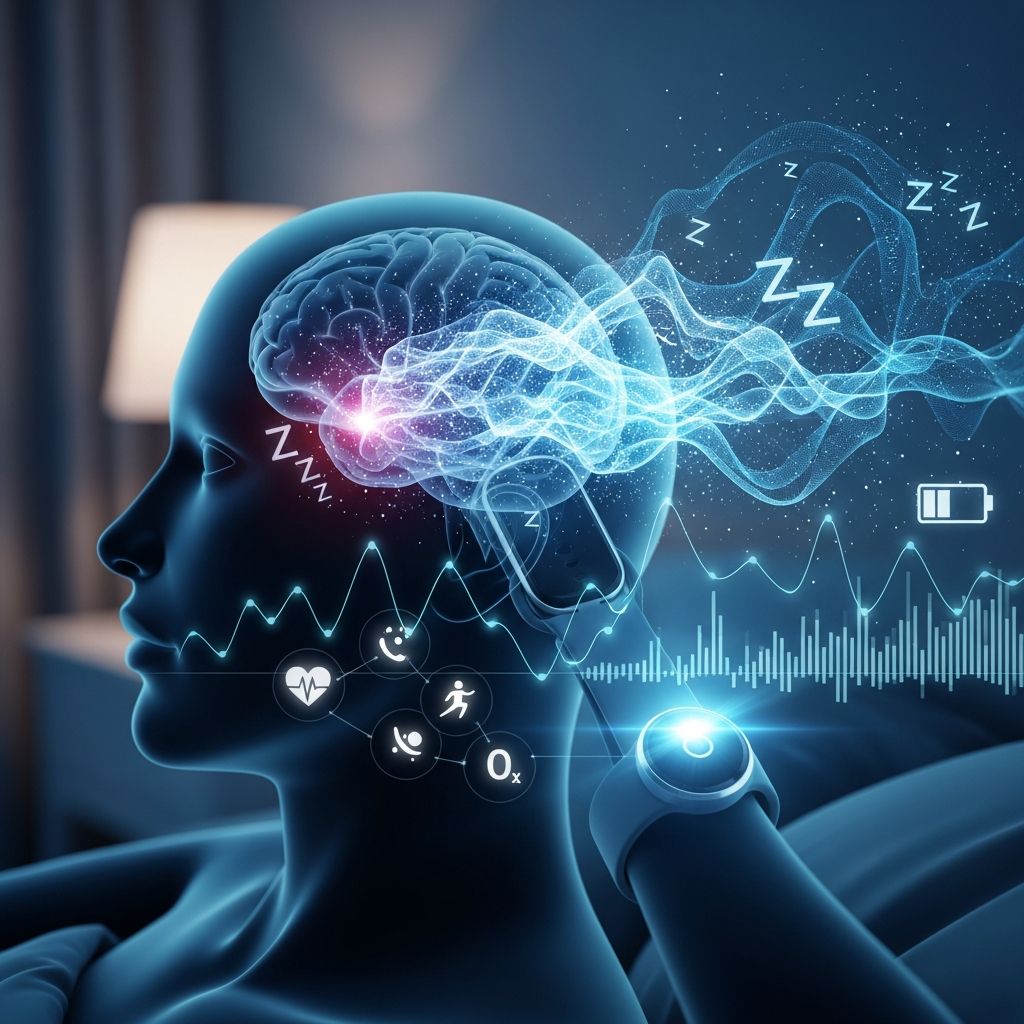
Sleep trackers use various technologies to monitor sleep, with accelerometers being the most common. These sensors detect body movements throughout the night. Some advanced models also incorporate heart rate monitors, oxygen saturation sensors, and other biometric measurements. The devices analyze this data to estimate sleep stages—including light sleep, deep sleep, and REM sleep—and calculate total sleep time.
Most consumer sleep trackers work by measuring movement patterns and heart rate variability. When your body is still for extended periods, the device assumes you’re sleeping. When movement increases, it may indicate wakefulness. However, this approach has significant limitations, as people can remain still while awake, and movement doesn’t always indicate sleep disruption.
Accuracy Concerns and Study Findings
Research examining consumer sleep tracking devices has revealed important limitations. A comprehensive review of six representative sleep tracking devices found critical gaps in supporting evidence. The study revealed that five out of six devices provided no information about their sensor accuracy, and four out of six devices offered no data on output metrics accuracy.
Wake detection accuracy proved to be particularly problematic among consumer devices. Testing showed highly variable results: BodyMedia devices achieved 49.9±3.6% accuracy, Fitbit devices showed 19.8% accuracy, while Zeo devices ranged from 78.9% to 83.5%. These wide variations demonstrate that some trackers perform significantly better than others, but even the best consumer devices may not reliably detect when you’re actually awake versus sleeping.
The lack of standardized testing and FDA clearance for most consumer sleep trackers means that manufacturers are not required to validate their devices against clinical-grade sleep monitoring equipment like polysomnography, which remains the gold standard for sleep analysis.
What Sleep Trackers Can and Cannot Do
What They Can Measure
Sleep trackers excel at certain measurements. They can provide reasonably accurate data about:
- Total sleep duration (approximate time spent in bed and asleep)
- Sleep consistency (how regularly you sleep at similar times)
- General sleep patterns (trends over weeks or months)
- Physical activity during sleep periods
- Heart rate during sleep (on devices with heart rate sensors)
What They Cannot Reliably Measure
Sleep trackers have significant limitations when attempting to determine:
- Specific sleep stages (light, deep, and REM sleep) with clinical accuracy
- True wake time versus movement during sleep
- Sleep quality or whether you feel rested
- Diagnosis of sleep disorders
- Precise sleep efficiency calculations
Related Stories



The Role of Wearable Technology in Health Monitoring
While sleep tracking specifically has limitations, wearable devices have demonstrated value in other health applications. Recent research from Johns Hopkins University shows that wearable activity trackers can provide accurate data about physical activity levels and cardiovascular health metrics that support clinical care. The study found that accelerometer data was 30% more accurate than smoking status and 40% better than medical history in assessing five-year mortality risk in older adults.
This suggests that while sleep tracking may have accuracy concerns, wearables generally can provide clinically relevant health information. The key difference is that activity and heart rate monitoring involve more straightforward measurements compared to the complex task of remotely determining sleep stages.
FDA Clearance and Validation Standards
One significant issue with consumer sleep trackers is the lack of FDA clearance. The FDA review process requires manufacturers to demonstrate that their devices are safe and effective for their intended use. Most consumer sleep trackers on the market have not undergone this rigorous validation process.
Of the six representative sleep tracking devices examined in the Johns Hopkins study, only three had related peer-reviewed articles supporting their claims. The absence of peer-reviewed validation means that many popular sleep trackers lack scientific evidence demonstrating their effectiveness in practical use.
Additionally, researchers found no supporting evidence showing how well tracking devices actually help people mitigate sleep loss or manage sleep disturbances in real-life situations. While devices may provide data, this doesn’t necessarily translate into actionable insights that improve sleep quality.
Comparing Sleep Trackers to Clinical Sleep Studies
| Feature | Consumer Sleep Trackers | Polysomnography (PSG) |
|---|---|---|
| Sleep stage detection | Estimated from movement/heart rate | Measured via EEG, EMG, EOG |
| Accuracy for wake detection | 19.8% to 83.5% depending on device | 95%+ accuracy standard |
| Cost | $50-$300 | $1,000-$3,000 |
| Setting | Home use | Sleep laboratory |
| Clinical application | Trend monitoring | Diagnostic standard |
How to Use Sleep Trackers Effectively
If you choose to use a sleep tracker, understanding its limitations will help you interpret the data appropriately. Consider these guidelines:
- Focus on trends rather than absolute numbers: Look for patterns over weeks or months rather than trusting individual night readings.
- Compare tracker data with how you feel: If your tracker says you slept eight hours but you feel exhausted, trust your subjective experience.
- Use it as a motivational tool: Seeing sleep data can encourage better sleep habits, even if the precise measurements aren’t clinical-grade.
- Don’t diagnose sleep disorders: If you suspect a sleep disorder, consult a healthcare provider for proper evaluation.
- Avoid obsessive tracking: Constantly checking sleep data can increase anxiety and actually worsen sleep quality.
- Combine with other health metrics: Use sleep tracking alongside activity tracking, heart rate monitoring, and subjective sleep quality assessments.
When to Seek Professional Sleep Evaluation
Sleep trackers should not replace professional sleep medicine evaluation. You should consult a sleep specialist if you experience:
- Chronic insomnia lasting more than a few weeks
- Daytime sleepiness despite adequate sleep time
- Loud snoring or witnessed breathing pauses
- Restless leg sensations or periodic leg movements
- Difficulty falling or staying asleep
- Morning headaches or jaw pain
A formal sleep study (polysomnography) conducted in a sleep laboratory remains the gold standard for diagnosing sleep disorders. This test provides precise measurements of brain activity, eye movement, muscle activity, heart rate, and breathing patterns that consumer devices cannot replicate.
The Future of Sleep Tracking Technology
Sleep tracking technology continues to evolve. Newer devices incorporating multiple sensors, artificial intelligence, and machine learning algorithms show promise for improved accuracy. However, these devices still require validation against clinical standards before their effectiveness can be confirmed.
Research ongoing at institutions like Johns Hopkins is exploring how wearable devices can support clinical care for various conditions. While the focus has been primarily on activity tracking for now, similar approaches may eventually improve sleep tracking reliability.
As wearable technology becomes more sophisticated, the potential exists for these devices to provide more clinically relevant insights. However, current consumer sleep trackers should be viewed as general wellness tools rather than medical devices for sleep diagnosis or treatment.
Key Takeaways About Sleep Trackers
Sleep trackers have become ubiquitous in the wellness market, but their actual effectiveness remains limited. While they can provide useful general information about sleep patterns and encourage better sleep habits, they should not be relied upon for precise sleep measurements or sleep disorder diagnosis. Most consumer devices lack rigorous scientific validation, and their accuracy in detecting sleep stages and wake time varies significantly.
The best approach involves using sleep trackers as one tool among many for monitoring general health trends, while maintaining realistic expectations about their limitations. If you have concerns about your sleep quality or suspect a sleep disorder, professional evaluation remains essential. For healthy individuals seeking to optimize sleep habits, trackers can serve as motivational tools to encourage consistency and awareness, but they work best when combined with evidence-based sleep hygiene practices and subjective sleep quality assessment.
Frequently Asked Questions
Q: Can sleep trackers diagnose sleep disorders?
A: No. Sleep trackers cannot diagnose sleep disorders. Only clinical sleep studies conducted by sleep specialists can properly diagnose conditions like sleep apnea, restless leg syndrome, or narcolepsy. If you suspect a sleep disorder, consult a healthcare provider.
Q: How accurate are sleep stage measurements from consumer trackers?
A: Consumer sleep trackers estimate sleep stages based on movement and heart rate patterns, but these estimates are not clinically validated. They should not be considered accurate representations of your actual sleep architecture.
Q: Should I rely on my sleep tracker’s sleep score?
A: Sleep scores are proprietary algorithms that vary by manufacturer and lack standardized validation. Use them as general guides for trends, but don’t obsess over specific numbers. Your subjective feeling of being rested is equally important.
Q: Which sleep trackers are most accurate?
A: Research shows significant variation in accuracy between devices. Devices with more sensors (including heart rate monitors) generally perform better than accelerometer-only devices, but none achieve clinical-grade accuracy for sleep stage detection.
Q: Can sleep trackers help me sleep better?
A: Yes, they can serve as motivational tools. By making you aware of your sleep patterns and trends, trackers may encourage better sleep habits. However, the tracker itself doesn’t improve sleep—your behavioral changes do.
Q: Is it normal for my sleep tracker to disagree with how I feel?
A: Yes. Sleep quality involves subjective factors that trackers cannot measure. You might sleep for eight hours but feel unrested due to poor sleep quality, or sleep six hours but feel well-rested. Trust your subjective experience alongside tracker data.
References
- Consumer Sleep Tracking Devices: A Critical Review — Lee, J., & Finkelstein, J., Johns Hopkins University School of Medicine. 2015-05-27. https://pubmed.ncbi.nlm.nih.gov/25991187/
- Consumer Sleep Tracking Devices: A Critical Review (Publication Record) — Johns Hopkins University. 2015-01-01. https://pure.johnshopkins.edu/en/publications/consumer-sleep-tracking-devices-a-critical-review-3
- Fitness Trackers: Useful in Sleep Medicine? — MDEdge Neurology Reviews. 2024. https://mdedge.com/neurologyreviews/article/259195/sleep-medicine/fitness-trackers-useful-sleep-medicine
- Wearables Prove Reliable in Determining Mortality Risk in Adults — Urbanek, J., Johns Hopkins University School of Medicine. 2019. https://www.healthcareitnews.com/news/wearables-prove-reliable-determining-mortality-risk-adults-study-shows
- Wearable Activity Trackers Can Be Used to Determine Health Metrics That Could Support Clinical Care — Xu, Z., Johns Hopkins University Institute for Nanobiotechnology. 2024-11-09. https://inbt.jhu.edu/wearable-activity-trackers-can-be-used-to-determine-health-metrics-that-could-support-clinical-care/
Similar Articles








Read full bio of Sneha Tete