Do Products That Claim to Stop Snoring Actually Work?
Discover which anti-snoring products are effective and which ones are just marketing hype.
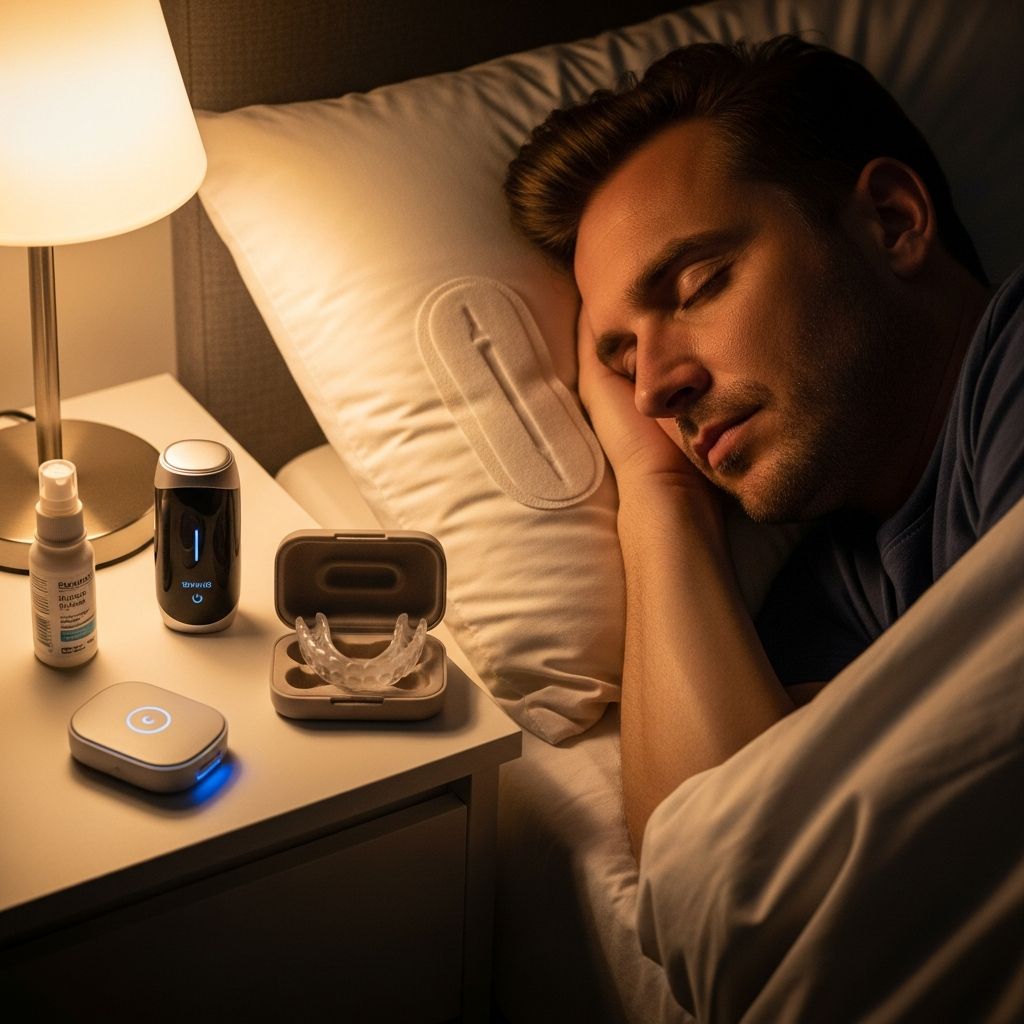
Snoring affects millions of people worldwide, disrupting not only their own sleep but also that of their partners. The frustration of chronic snoring has led to a thriving market of anti-snoring products, each claiming to offer the solution. From specialized pillows to throat sprays, nasal strips to chin straps, consumers are bombarded with options. But the critical question remains: do these products actually work? The answer is more nuanced than a simple yes or no, as effectiveness varies significantly depending on the type of product, the underlying cause of snoring, and individual factors.
Understanding Snoring: The Basics
Before evaluating anti-snoring products, it’s essential to understand what causes snoring in the first place. Snoring occurs when the tissues at the back of your throat near your airways vibrate as you breathe during sleep. When you sleep, the muscles in your throat naturally relax. If these muscles relax excessively, they can partially block your airway, causing the characteristic sound of snoring. Various factors contribute to snoring, including sleeping position, nasal congestion, being overweight, alcohol consumption, and smoking.
It’s important to note that snoring can sometimes indicate a more serious condition called obstructive sleep apnea (OSA). This condition occurs when the airway becomes severely blocked during sleep, causing breathing interruptions. If you experience daytime sleepiness, pauses in breathing, or other concerning symptoms, professional medical evaluation is essential rather than relying solely on over-the-counter products.
Types of Anti-Snoring Products: A Comprehensive Overview
The market offers numerous categories of anti-snoring products, each operating on different principles and with varying levels of scientific support. Understanding these different types helps consumers make informed decisions about which solutions might work best for their specific situation.
Oral Appliances and Mouth Guards
Among the most researched and effective anti-snoring solutions are oral appliances, also known as mouth guards. These devices work by repositioning the jaw or stabilizing the tongue to keep the airway open during sleep. There are two main types of oral appliances:
Mandibular Advancement Devices (MADs): These fit over your teeth and gently push the lower jaw forward. By advancing the mandible, these devices increase the space in the airway, similar to how a nasal dilator works mechanically. Research indicates that MADs reduce snoring intensity and frequency in approximately 70-80% of users with mild to moderate snoring, although individual results vary. The key to their effectiveness lies in proper fitting and adjustability.
Tongue-Stabilizing Devices (TSDs): These hold the tongue forward using gentle suction, preventing it from falling back and blocking the airway. These are particularly beneficial for individuals with larger tongues or those whose snoring is primarily caused by tongue blockage. Both device types share the common goal of improving airflow by reducing airway obstruction and lowering the vibrations that cause snoring sounds.
Nasal Strips
Nasal strips are adhesive products that stick across the bridge of the nose to help widen the nasal airways. By increasing airflow through the nose, these strips can reduce snoring in some individuals. They are inexpensive, non-invasive, and readily available at most pharmacies. However, their effectiveness is limited to snoring caused by nasal congestion or obstruction. For individuals whose snoring stems from throat tissue relaxation or other causes, nasal strips may provide minimal benefit.
Related Stories



CPAP Machines
For more severe snoring or snoring related to obstructive sleep apnea, a Continuous Positive Airway Pressure (CPAP) machine is often recommended. This device delivers a continuous stream of air through a mask worn over the mouth and nose while sleeping, keeping the airways open. CPAP machines are highly effective for treating sleep apnea and severe snoring, with clinical success rates exceeding 90%. However, they require consistent nightly use and can be cumbersome for some users.
Lifestyle Modifications
Many anti-snoring solutions involve simple lifestyle changes that address the root causes of snoring. These modifications often prove surprisingly effective for light, infrequent snoring:
Sleep Position: Sleeping on your back can worsen snoring because gravity causes throat tissues to relax and obstruct the airway. Switching to side-sleeping can significantly reduce or eliminate snoring for many people.
Head Elevation: Raising your head a few inches with pillows or an adjustable bed helps keep airways clear by changing the angle of the throat.
Weight Management: People who are overweight or obese are more likely to snore. Maintaining a healthy weight can help reduce snoring risk.
Avoiding Alcohol: Alcohol relaxes throat muscles and can increase snoring risk. Avoiding alcohol before bedtime can reduce snoring episodes.
Smoking Cessation: Smoking irritates throat tissues and causes inflammation, leading to snoring. Studies show that smokers are more than twice as likely to snore than non-smokers.
Allergy Treatment: Allergies narrow airways and increase snoring risk. Using allergy medication, humidifiers, or reducing airborne allergens can help.
Evaluating Effectiveness: What the Research Shows
The effectiveness of anti-snoring products depends heavily on the underlying cause of snoring and the severity of the condition. Products that claim to stop snoring entirely often overstate their capabilities. The reality is that most products reduce snoring rather than eliminate it completely.
Proven Effectiveness: Oral appliances, particularly custom-fitted MADs, have the strongest scientific evidence supporting their effectiveness. Studies consistently show they reduce snoring in 70-80% of users with mild to moderate snoring. CPAP machines are the gold standard for treating obstructive sleep apnea, with effectiveness rates exceeding 90%.
Moderate Effectiveness: Nasal strips, humidifiers, and positional therapy show modest effectiveness for certain types of snoring. Their success depends on whether the snoring is caused by nasal obstruction or positional factors.
Limited or Unproven Effectiveness: Many over-the-counter products lack robust scientific evidence. Throat sprays, special pillows, and various herbal remedies often lack peer-reviewed research supporting their claims. While some users report subjective improvements, these may be attributable to placebo effects or coincidental changes in other factors.
Considerations When Choosing Anti-Snoring Products
Advantages of Oral Appliances
Oral appliances offer several significant advantages:
Non-Invasive and Drug-Free: No surgery, medication, or drug-related side effects are involved. This makes them attractive for many people seeking natural solutions.
Portable and Convenient: Unlike CPAP machines, oral appliances are easy to pack for travel and use away from home.
Relatively Affordable: Generally less expensive than CPAP machines or surgical options, making them accessible to more people.
Improved Sleep Quality: Many users report quieter nights, less daytime fatigue, and improved partner satisfaction.
Simple to Use: No complex setup is required, with straightforward fitting and maintenance.
Potential Drawbacks
However, oral appliances also come with some considerations:
Adjustment Period: Some users experience jaw soreness, discomfort, or increased salivation initially. This typically improves within days or weeks.
Not Suitable for Severe Sleep Apnea: These devices are less effective for severe obstructive sleep apnea, where other treatments are required.
Consistency Needed: Benefits depend on nightly use. Skipping nights reduces effectiveness.
Maintenance Required: Daily cleaning is necessary to avoid bacteria buildup and prolong device life.
Potential Dental Issues: Long-term use may cause bite alignment changes or tooth discomfort if devices are ill-fitting. Regular dental monitoring and professional fitting reduce these risks.
Cost Analysis: What to Expect
When evaluating anti-snoring products, cost is often a significant factor. Over-the-counter nasal strips typically cost $10-30 for a package. Generic oral appliances available without professional fitting range from $30-200. Custom-fitted oral appliances from dental professionals cost $300-1,500. CPAP machines typically range from $500-3,000, though insurance may cover much of this cost. While custom-fitted solutions cost more upfront, their higher effectiveness rates often make them more cost-effective in the long term when considering improved sleep quality and partner satisfaction.
Professional Guidance: The Importance of Evaluation
Dr. Lisa Wong, a sleep specialist, advises: “While mouth guards are a valuable first-line option for many with snoring, individualized airway assessment and monitoring ensure the best outcomes.” This expert perspective highlights why seeking professional guidance is crucial. A healthcare provider or sleep specialist can determine the underlying cause of your snoring, assess whether you might have sleep apnea, and recommend the most appropriate solution for your specific situation.
Professional evaluation is especially important because snoring can indicate serious health conditions. A proper diagnosis ensures you receive appropriate treatment rather than masking symptoms with ineffective products.
Frequently Asked Questions
Q: Can a mouth guard completely stop snoring?
A: Mouth guards often significantly reduce snoring but may not fully eliminate it, especially if underlying medical conditions exist. Most users experience substantial reduction rather than complete elimination of snoring sounds.
Q: Is it safe to use a mouth guard every night?
A: For most healthy adults, nightly use is safe with proper fit and maintenance. Custom-fitted devices and regular dental checkups reduce risks. However, individuals should monitor for any changes in bite alignment or persistent discomfort.
Q: How soon will I notice results?
A: Many users observe reduced snoring within a few nights, but full adaptation can take up to two weeks. This adjustment period allows both the device and your body to reach optimal comfort and effectiveness.
Q: Can mouth guards help with sleep apnea?
A: They may benefit mild to moderate obstructive sleep apnea but are not appropriate for severe cases without specialized evaluation and treatment. CPAP machines are typically recommended for moderate to severe sleep apnea.
Q: Where can I buy anti-snoring products?
A: Anti-snoring products are widely available online, at pharmacies, and through specialty retailers. For best fit and advice, consulting sleep specialists and dental professionals is recommended.
Q: Are there serious side effects from using anti-snoring devices?
A: Serious side effects are rare. Most users experience minor, temporary discomfort like jaw soreness or increased salivation. Professional fitting and regular dental monitoring minimize potential issues.
Conclusion
The answer to whether anti-snoring products actually work is: it depends. Products vary dramatically in their effectiveness, from highly effective oral appliances with 70-80% success rates to unproven solutions with minimal scientific support. The most effective approach involves identifying the specific cause of your snoring and selecting an appropriate solution. While some people find relief through simple lifestyle modifications, others benefit from professional-grade oral appliances or CPAP machines.
Rather than being swayed by marketing claims, consumers should seek professional evaluation to understand their snoring’s underlying cause. A healthcare provider or sleep specialist can recommend evidence-based solutions tailored to your situation. For many people, oral appliances represent an effective, affordable, non-invasive option that significantly improves both personal sleep quality and partner satisfaction. Ultimately, the best anti-snoring product is one selected based on professional guidance and scientific evidence rather than marketing hype.
References
- Mouth Guard to Prevent Snoring: Costs, Fit, and Results — Sleep and Sinus Centers. 2024. https://www.sleepandsinuscenters.com/blog/mouth-guard-to-prevent-snoring-costs-fit-results
- Remedies for Snoring – Sleep Apnea — WebMD. 2024. https://www.webmd.com/sleep-disorders/sleep-apnea/remedies-snoring
Similar Articles








Read full bio of medha deb