Supplements For Depression: 11 Evidence-Backed Options To Try
Exploring the evidence on whether nutritional supplements like omega-3, folate and St John's wort can help treat depression symptoms.
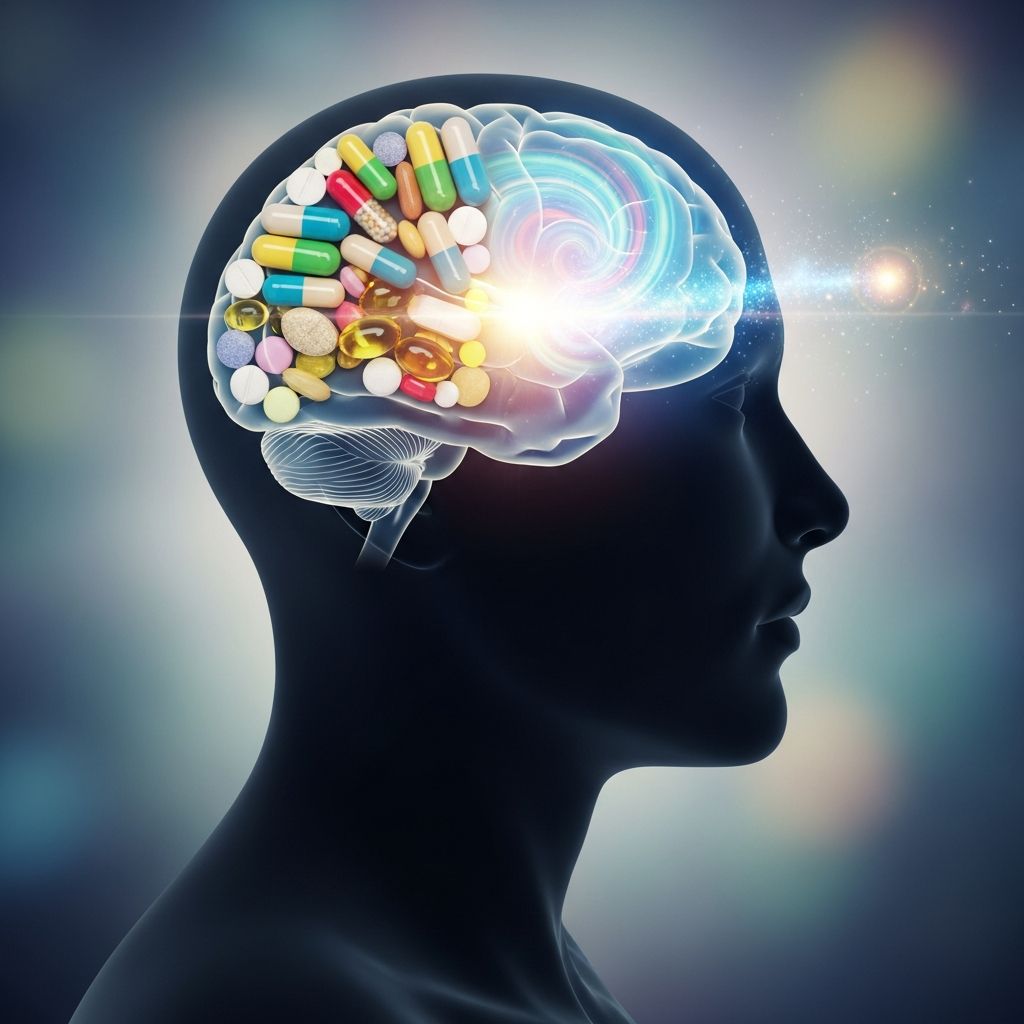
Depression affects millions worldwide, prompting many to seek alternatives or complements to traditional antidepressants. Nutritional supplements such as omega-3 fatty acids, folate, vitamin D, and herbal remedies like St John’s wort have gained popularity for potentially alleviating symptoms. But do they actually work? This article reviews the scientific evidence, highlighting promising options, mixed results, and important safety considerations based on clinical studies and expert analyses.
What does the research say about supplements for depression?
Clinical research on supplements for depression shows varied results, with some nutrients demonstrating potential benefits, particularly as adjuncts to antidepressants. A comprehensive review of 63 studies identified polyunsaturated fatty acids (PUFAs like EPA and DHA in omega-3s), vitamin D, and probiotics as the most commonly studied, with PUFA combinations appearing in 27% of trials. Omega-3 supplements showed the strongest evidence for reducing depressive symptoms across multiple meta-analyses.
However, results are not uniform. Folate, especially in its active methylfolate form, may enhance antidepressant efficacy, particularly in those with deficiencies. Zinc and magnesium supplementation also improved mood in randomized trials, especially when blood levels were low. Herbal options like St John’s wort performed comparably to standard antidepressants in large reviews but with fewer side effects. Despite these findings, many studies note limitations like small sample sizes, short durations, and confounding factors such as diet or baseline nutrient status.
Overall, supplements appear most effective for individuals with confirmed deficiencies or as add-ons to therapy, not as standalone treatments. The NIH emphasizes consulting healthcare providers, as interactions with medications are common.
Omega-3 fatty acids (fish oils)
Omega-3 fatty acids, particularly EPA and DHA from fish oil, stand out as one of the most researched supplements for depression. A review of 10 clinical trials found that supplementation for 4+ weeks reduced symptoms more effectively than placebo in people with depression and bipolar disorder. Observational data from over 255,000 individuals linked higher dietary omega-3 intake (around 1.8g/day) to lower depression risk.
In clinical settings, doses of 1,000-2,000mg EPA/DHA daily showed benefits, often boosting antidepressant response. Table 1 summarizes key PUFA studies:
| Author/Year | Dosage | Duration | Result |
|---|---|---|---|
| Jamilian et al., 2018 | 1000mg PUFA + Vit E | 12 weeks | Decreased BDI score by 13.33% |
| Multiple RCTs | 1200 IU EPA/DHA | Varies | Boosted antidepressant efficacy |
Omega-3s support brain biochemistry by reducing inflammation and aiding neurotransmitter function. Side effects are minimal, though high doses may thin blood.
Folate (including folic acid and methylfolate)
Folate, a B vitamin crucial for homocysteine metabolism and SAMe production (a natural antidepressant), shows promise when added to SSRIs. Standalone folate has little effect, but 7.5-15mg L-methylfolate daily significantly improved symptoms in a 554-patient study. Another trial of 199 participants linked B12/folate deficiencies to elevated homocysteine and depression.
Methylfolate bypasses genetic issues (e.g., MTHFR mutations) affecting folate conversion, making it superior for treatment-resistant depression. Benefits include better mood and cognitive function, with low risk at recommended doses.
Related Stories



St John’s wort
This herbal remedy has been used for centuries for mood disorders. A large review of 35 studies involving nearly 7,000 patients with mild-to-moderate depression found St John’s wort superior to placebo and comparable to antidepressants like sertraline, with fewer side effects. A 2008 Cochrane Review confirmed its efficacy in major depression.
Doses of 300-900mg standardized extract (0.3% hypericin) daily are typical. However, it induces liver enzymes, risking interactions with dozens of drugs including birth control and blood thinners. Not recommended without medical supervision.
Vitamin D
Low vitamin D levels correlate with depression, especially in obese or historically depressed individuals. A study of 12,594 patients found higher levels linked to reduced risk. Supplementation (e.g., 2,000-4,000 IU daily) improved symptoms in deficient patients, particularly when combined with antidepressants.
Results are mixed: some trials showed no benefit in non-deficient groups. Testing levels first is advised, as excess can cause toxicity.
Zinc
Zinc, vital for neurological function, is often low in depressed patients. A meta-analysis of 17 studies (1,643 depressed subjects) confirmed lower blood zinc. Adding 25mg daily to SSRIs significantly reduced symptoms vs. placebo. Doses of 8-11mg meet daily needs, but 25-30mg therapeutically boosts BDNF levels.
Magnesium
Magnesium supports over 300 brain reactions. Studies spanning decades confirm supplementation eases depressive symptoms, with glycinate forms preferred for bioavailability and minimal GI upset. Doses of 120-400mg elemental magnesium daily are effective.
Other supplements
- Vitamin B complex: Improves depression, anxiety, and stress in deficient or at-risk groups; a 60-day trial with B-complex outperformed placebo.
- Rhodiola rosea: Better tolerated than sertraline for mild depression; combinations enhance efficacy.
- Probiotics/SAMe/Curcumin: Emerging evidence for gut-brain axis and anti-inflammatory effects.
Pros and cons of supplements for depression
| Pros | Cons |
|---|---|
| Potentially fewer side effects than meds | Drug interactions (e.g., St John’s wort) |
| Address deficiencies boosting therapy | Mixed/inconsistent evidence |
| Accessible, low-cost options | Quality varies; regulation lax |
| Support overall health (e.g., omega-3 heart benefits) | Overdose risks (fat-soluble vitamins) |
Supplements offer accessible support but lack FDA approval for depression treatment.
Safety and who should avoid supplements
Pregnant individuals, those on medications, or with conditions like bipolar should avoid self-treatment. St John’s wort is contraindicated with many drugs. Always test nutrient levels and consult professionals. Mayo Clinic stresses more research needed on long-term effects.
What should I do next?
Speak to your doctor or pharmacist before starting. Blood tests can identify deficiencies. Lifestyle factors—exercise, diet, sleep—remain foundational. Supplements best as part of holistic care.
Frequently Asked Questions (FAQs)
Can omega-3 supplements replace antidepressants?
No, but they may enhance them. Evidence supports adjunct use for better symptom relief.
Is St John’s wort safe with SSRIs?
No—risk of serotonin syndrome. Consult a doctor.
How much vitamin D for depression?
2,000-4,000 IU if deficient; test first to avoid toxicity.
Do all depressed people need supplements?
Not necessarily—only if deficient. Prioritize therapy and lifestyle.
What’s the best supplement for depression?
Omega-3s have strongest evidence, but individual needs vary.
References
- Dietary Supplementations and Depression — PMC – NIH. 2022-05-10. https://pmc.ncbi.nlm.nih.gov/articles/PMC9123934/
- Evidence-based Guide to Supplements for Depression — Dr. Bojana. 2023-01-15. https://drbojana.com/evidence-based-guide-to-supplements-for-depression/
- Top 9 Supplements for Depression — Cooper Complete. 2024-06-20. https://coopercomplete.com/blog/top-9-supplements-for-depression/
- Do supplements work for depression? — Patient.info. 2023-11-05. https://patient.info/features/mental-health/do-supplements-work-for-depression
- St John’s Wort — Patient.info. 2024-02-12. https://patient.info/doctor/drug-therapy/st-johns-wort
Similar Articles








Read full bio of Sneha Tete