Do Tomatoes Cause Inflammation? Dietitian’s Guide
A registered dietitian breaks down the science on tomatoes, nightshades, and inflammation to help you make informed dietary choices.
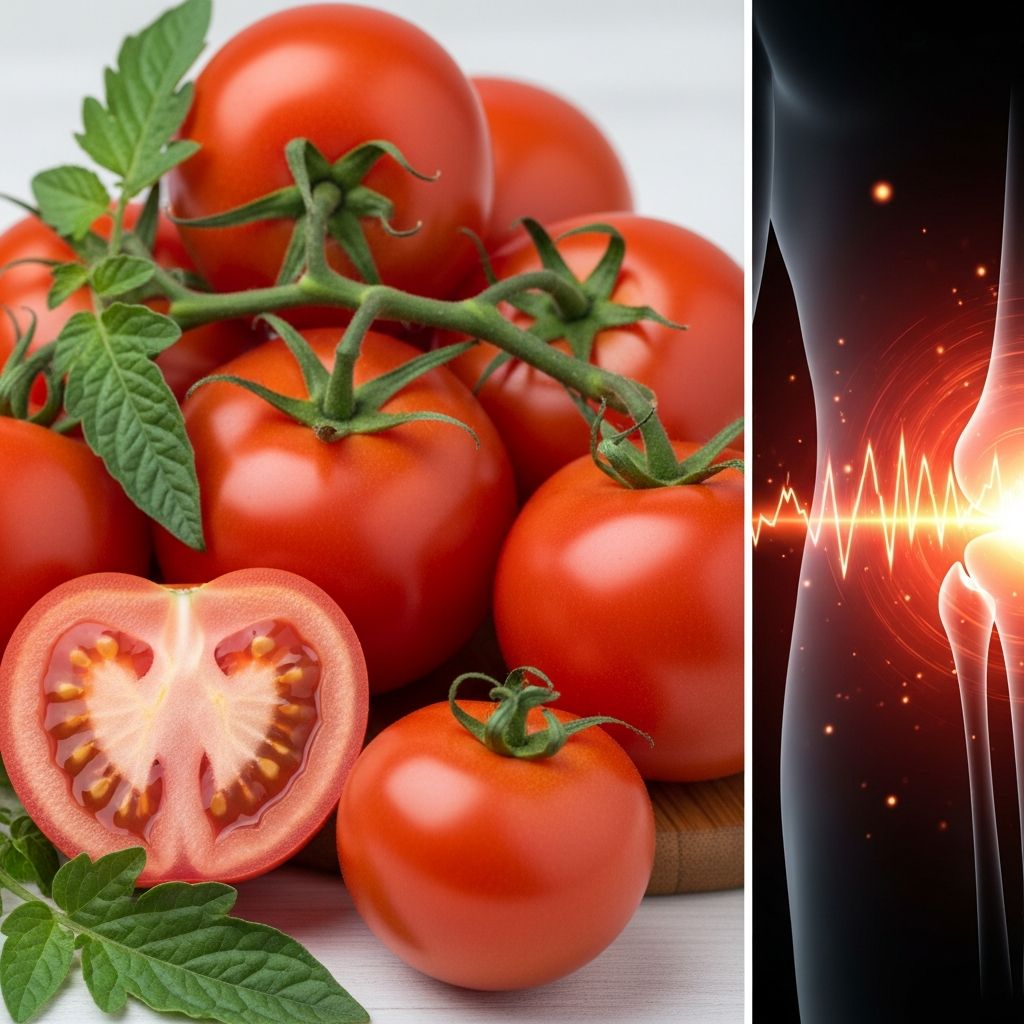
Tomatoes are a staple in kitchens worldwide, prized for their versatility, vibrant color, and flavor. But for many people dealing with joint pain, arthritis, or chronic inflammation, tomatoes—and their nightshade family relatives—often end up on the “avoid” list. Social media buzz and anecdotal reports claim that these veggies trigger flare-ups, leading to questions like: Do tomatoes really cause inflammation? As a registered dietitian with years of experience counseling clients on anti-inflammatory diets, I’ve seen this concern repeatedly. The good news? Science largely debunks the myth. In this comprehensive guide, we’ll dive into the evidence, explore why the misconception persists, and uncover tomatoes’ true role in health.
Why Do People Think Tomatoes Cause Inflammation?
The belief that tomatoes inflame the body stems from their classification as nightshade vegetables, which include potatoes, eggplants, peppers, and goji berries. Nightshades contain alkaloids like solanine, a compound present in higher amounts in unripe or green parts of plants. Folklore and some alternative health circles link solanine to toxicity, suggesting it worsens arthritis symptoms or systemic inflammation. This idea gained traction in the 1970s through books like “The Nightshade-Free Diet,” which anecdotally tied nightshades to pain relief upon elimination.
However, modern research paints a different picture. Solanine levels in ripe, edible tomatoes are negligible—far too low to cause harm in humans. A review from Arthritis UK explicitly states there’s no link between solanine-rich nightshades and inflammation. Similarly, UCLA Health notes that while some theorize nightshades might aggravate existing inflammation in sensitive individuals, numerous studies fail to find evidence of them causing it. The myth persists due to confirmation bias: People eliminate tomatoes during symptom flares, feel better (possibly from overall diet changes), and attribute relief to avoidance.
The Science on Tomatoes and Inflammatory Markers
Clinical evidence consistently shows tomatoes do not promote inflammation—and may even combat it. A 2022 systematic review and meta-analysis of randomized controlled trials (RCTs) analyzed tomato intake’s effects on key markers: C-reactive protein (CRP), interleukin-6 (IL-6), and tumor necrosis factor-alpha (TNF-α). Results? No significant impact on CRP (WMD: 0.13 mg/dL, 95% CI: -0.09 to 0.36; P=0.23) or IL-6 (Hedges’ g = -0.12; 95% CI -0.36 to 0.13; P=0.34), but a significant reduction in TNF-α (Hedges’ g = -0.45; 95% CI -0.76 to -0.13; P=0.005). This suggests tomatoes help dial down at least one pro-inflammatory cytokine.
A 2023 narrative review in Nutrition Research Reviews examined tomatoes, tomato products, and lycopene (tomatoes’ star antioxidant) in metabolic inflammation linked to cardiometabolic diseases. Animal and in vitro studies strongly support anti-inflammatory effects, particularly from tomato powder. Human observational data shows inverse associations between plasma lycopene and inflammation markers, though pure lycopene supplements yield mixed results. Whole tomatoes and processed forms (like sauce) appear more beneficial due to synergistic compounds.
Even specific trials, like one on tomato ketchup, demonstrate anti-inflammatory potential in human endothelial cells, hinting at cardiovascular benefits. Overall, meta-analyses affirm tomatoes’ neutral-to-positive role, calling for more long-term, diverse-population studies.
Tomatoes’ Anti-Inflammatory Superpowers: Lycopene and Beyond
Tomatoes’ red hue comes from lycopene, a potent carotenoid with well-documented anti-inflammatory properties. Unlike many nutrients, lycopene is better absorbed from cooked or processed tomatoes (e.g., sauce, paste) due to broken cell walls. Beyond reducing TNF-α, lycopene quenches free radicals, modulates immune pathways, and inhibits NF-κB activation—a master regulator of inflammation.
A comprehensive review in Preventive Nutrition and Food Science highlights tomatoes’ broader impacts: anticancer effects via anti-angiogenesis, reduced insulin-like growth factor (IGF), and gut microbiome modulation lowering inflammatory bowel disease risk. For instance, lycopene oxidation products induce apoptosis in cancer cells and block angiogenesis pathways like MMP-2/uPA via VEGFR2 signaling. Tomatoes also boost vitamin C, ferulic acid, and fiber, all contributing to lower oxidative stress and improved lipid profiles—reducing LDL oxidation and platelet aggregation.
Related Stories



- Lycopene: Reduces TNF-α, inhibits cancer pathways, protects against LDL oxidation.
- Vitamin C and Phenolics: Antioxidant synergy enhances immune modulation.
- Fiber: Supports gut health, potentially curbing systemic inflammation.
Tomatoes and Arthritis: Myth vs. Reality
Arthritis sufferers often pinpoint tomatoes as culprits, but evidence disagrees. No RCTs link tomato consumption to worsened rheumatoid arthritis (RA) or osteoarthritis symptoms. The solanine theory falls flat, as ripe tomatoes contain trace amounts (less than 0.01 mg/100g), insufficient for toxicity. A small Ohio State study on pigs (human gut analogs) found 10% tomato powder diets increased beneficial gut microbes, promoting diversity—a marker of reduced inflammation.
Human data echoes this: Prospective studies show higher tomato product intake correlates with lower prostate cancer risk (a lycopene win), and no arthritis flares. If symptoms persist, it may signal sensitivities to other components like histamine or lectins, not inherent pro-inflammatory effects. Elimination diets can help identify triggers, but blanket nightshade avoidance lacks support.
Tomatoes’ Surprising Gut Health Benefits
Emerging research spotlights tomatoes’ prebiotic potential. The pig study mentioned earlier showed two weeks of tomato powder boosted short-chain fatty acid producers and microbial diversity, hallmarks of gut health. This matters because gut dysbiosis fuels chronic inflammation via leaky gut and cytokine storms.
A PMC review details how tomatoes reduce liver inflammation and IBD risk by fostering beneficial bacteria. Polyphenols like ferulic acid suppress TNF-α and IL-1β in macrophages, while fiber feeds anti-inflammatory species. For those with IBS or IBD, tomatoes’ acidity might irritate, but their net effect leans protective.
Cardiovascular and Other Health Wins
Tomatoes shine for heart health. Trials show tomato juice lowers LDL cholesterol and boosts vitamin E, enhancing oxidation resistance. Water-soluble tomato concentrates (WSTC) inhibit platelet aggregation, potentially preventing clots—effects traced to seed jelly compounds, not just lycopene. A double-blind RCT confirmed reduced ADP/collagen-induced aggregation in adults.
Exercise enthusiasts benefit too: Tomatoes aid recovery by curbing muscle damage and modulating immunity. Prostate cancer risk drops with regular intake of sauce, tomatoes, or pizza (but not juice).
| Benefit | Key Compound | Evidence Level |
|———|—————|—————-|
| ↓ TNF-α | Lycopene | Meta-analysis of RCTs |
| ↑ Gut Diversity | Fiber/Polyphenols | Animal study |
| ↓ Platelet Aggregation | WSTC | Human RCT |
| ↓ Cancer Risk | Lycopene | Prospective cohorts |
Who Might Want to Limit Tomatoes?
Most thrive on tomatoes, but exceptions exist:
- Gout: Moderate purines; limit if flares occur.
- Acid Reflux/GERD: Acidity can trigger symptoms.
- Nightshade Sensitivity: Rare; test via elimination-reintroduction.
- Kidney Stones: High oxalate in some varieties.
Opt for cooked forms to maximize lycopene and minimize irritants. Aim for ½–1 cup daily in a varied diet.
Frequently Asked Questions (FAQs)
Do tomatoes cause inflammation?
No, research shows no significant effect on CRP or IL-6, and they reduce TNF-α.
Are nightshades bad for arthritis?
No evidence supports this; solanine levels are too low.
Is lycopene from supplements as good as whole tomatoes?
Whole tomatoes offer synergistic benefits; supplements show mixed results.
Can tomatoes help gut health?
Yes, they boost beneficial microbes in preliminary studies.
How much tomato should I eat daily?
1–2 servings (e.g., sauce, fresh) for optimal benefits without excess.
Bottom Line: Enjoy Tomatoes Guilt-Free
Tomatoes are anti-inflammatory allies, not enemies. Packed with lycopene and nutrients, they support heart, gut, and joint health. Ditch the fear—add them to salads, sauces, and soups. Consult a dietitian for personalized advice, especially with conditions.
References
- Effect of tomato consumption on inflammatory markers in health and disease status: A systematic review and meta-analysis of clinical trials — Clin Nutr ESPEN. 2022-08. https://pubmed.ncbi.nlm.nih.gov/35871957/
- Effect of tomato, tomato-derived products and lycopene on metabolic inflammation: from epidemiological data to molecular mechanisms — Nutrition Research Reviews (Cambridge University Press). 2023-12-18. https://www.cambridge.org/core/journals/nutrition-research-reviews/article/effect-of-tomato-tomatoderived-products-and-lycopene-on-metabolic-inflammation-from-epidemiological-data-to-molecular-mechanisms/2DF4AD06030FD4B2E59D774EE284E22E
- New study indicates tomatoes help with gut health — UCLA Health. https://www.uclahealth.org/news/article/new-study-indicates-tomatoes-help-with-gut-health
- Tomatoes: An Extensive Review of the Associated Health Impacts of Tomatoes and Their Organoleptic and Nutritive Importance in the Human Diet — Preventive Nutrition and Food Science (PMC). 2022. https://pmc.ncbi.nlm.nih.gov/articles/PMC8869745/
- Are tomatoes bad for arthritis? — Arthritis UK. 2021-08. https://www.arthritis-uk.org/news/2021/august/are-tomatoes-bad-for-arthritis/
- The Effect of Tomato Ketchup on Inflammation — ClinicalTrials.gov. https://www.clinicaltrials.gov/study/NCT01462825
Similar Articles








Read full bio of Sneha Tete