Do Vitamins Expire? Safety, Storage, and What You Need to Know
Learn whether expired vitamins are safe to take and how to store them properly.
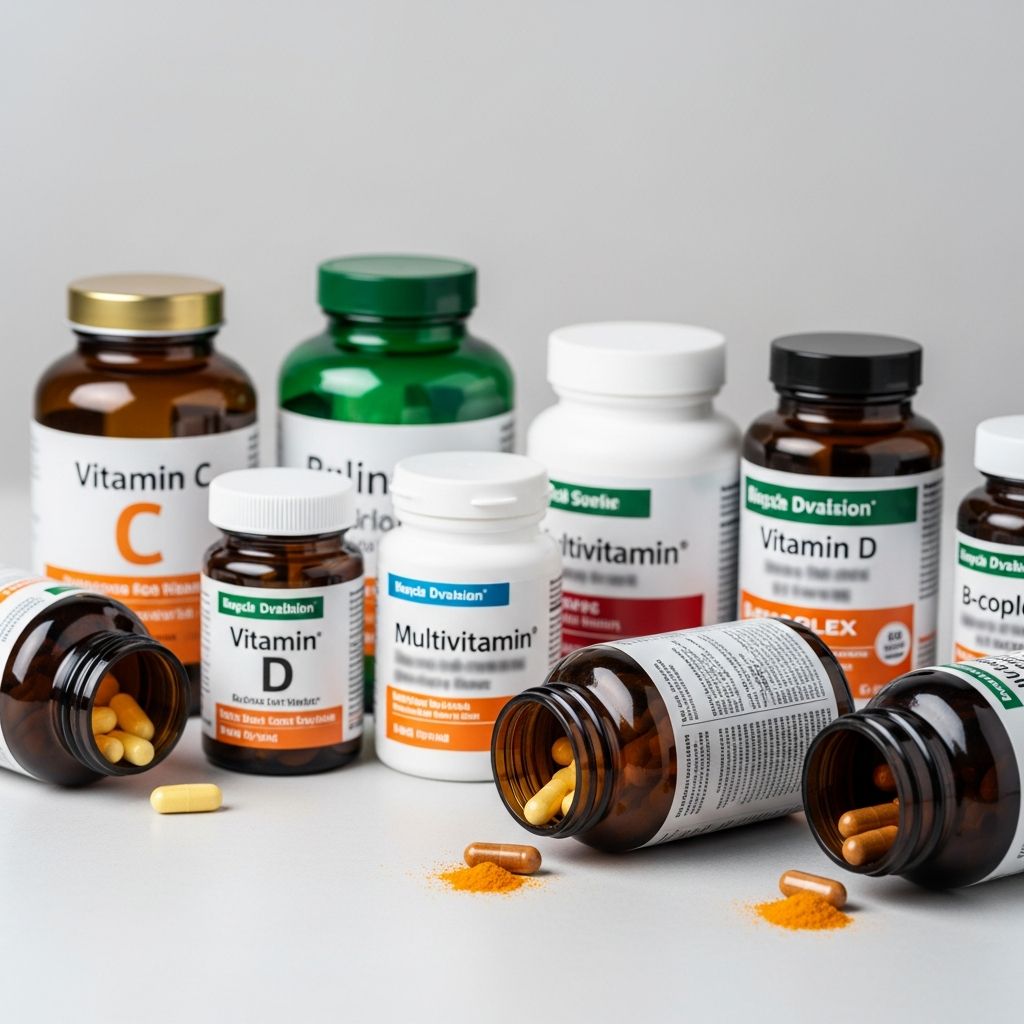
Vitamins are a cornerstone of many people’s health routines, but questions about their shelf life and safety often arise. If you’ve discovered an old bottle of vitamins in your medicine cabinet, you may wonder: do vitamins actually expire? The answer is more nuanced than a simple yes or no. Understanding vitamin expiration, potency loss, and proper storage can help you make informed decisions about your supplement regimen.
Do Vitamins Actually Expire?
Technically, vitamins don’t expire the way food does. Unlike milk or fresh produce, expired vitamins won’t spoil, become toxic, or cause food poisoning. However, the active ingredients in vitamins degrade over time, losing their potency and effectiveness. According to research, the rate at which vitamins lose potency depends on several factors, including the form of the supplement, storage methods, and manufacturing date.
It’s important to distinguish between an expiration date and a “best by” or “use by” date. Unlike prescription medications, the U.S. Food and Drug Administration (FDA) does not require vitamin and dietary supplement manufacturers to include expiration dates on packaging. Many companies voluntarily include these dates to ensure consumers receive products at peak potency.
Is It Safe to Take Expired Vitamins?
The short answer is yes—taking an expired vitamin is unlikely to cause harm. Research indicates that expired vitamins are typically safe to consume, and there have been no documented cases of illness or death resulting from expired vitamins. Expiration dates on vitamin supplements are deliberately conservative, designed to guarantee that consumers receive products with maximum potency rather than to indicate when a product becomes unsafe.
However, safety doesn’t necessarily mean efficacy. While expired vitamins won’t poison you, they may not deliver the nutritional benefits you’re seeking. This distinction is crucial, particularly if you rely on specific vitamins for health maintenance.
You should avoid taking vitamins that show:
- Visible signs of mold or moisture
- Unusual or off odors
- Changes in color or texture
- Any other signs of contamination
If your vitamins display any of these warning signs, dispose of them immediately and purchase a fresh supply.
Understanding Vitamin Shelf Life
The typical shelf life for vitamins is approximately two years, though this can vary significantly depending on the type of vitamin and storage conditions. When stored correctly, vitamins in tablet form often retain their potency for several years, while other forms degrade more quickly.
Several factors influence how long vitamins maintain their potency:
- Form of the vitamin: Chewable vitamins and gummies absorb moisture more readily than tablets or capsules, causing faster degradation.
- Temperature: Extreme heat or cold accelerates ingredient breakdown.
- Light exposure: Vitamins stored in clear containers or sunny locations lose potency faster.
- Oxygen exposure: Opened containers allow oxidation, which degrades ingredients.
- Humidity levels: High moisture environments, particularly problematic for vitamin C, cause rapid potency loss.
- pH levels: The acidity or alkalinity of the storage environment affects stability.
How Different Vitamin Types Compare
Not all vitamins degrade at the same rate. Understanding the shelf life of specific vitamins can help you manage your supplements more effectively.
Related Stories



| Vitamin Type | Form | Typical Shelf Life | Degradation Notes |
|---|---|---|---|
| Vitamin C | Tablet/Powder | 1-2 years | Highly susceptible to moisture; absorbs humidity from air (deliquescence) |
| Vitamin B12 | Tablet/Capsule | 2-3 years | More stable; less affected by moisture |
| Multivitamins | Tablet/Capsule | 2-3 years | Depends on ingredient composition; mixed stability |
| Gummy Vitamins | Gummy | 1-2 years | Absorb moisture rapidly; degrade faster than tablets |
| Omega-3/Fish Oil | Softgel | 1-2 years | Susceptible to oxidation; store in cool, dark location |
Storage Tips to Extend Vitamin Potency
Proper storage is essential for maintaining vitamin effectiveness. By following these storage guidelines, you can extend the potency of your supplements:
- Keep vitamins in original containers: Manufacturer packaging is designed to protect against light, moisture, and oxygen exposure.
- Store in a cool, dry place: A temperature between 50-70°F is ideal. Avoid bathroom medicine cabinets, which experience humidity fluctuations.
- Keep away from direct sunlight: Store in a dark cupboard or drawer rather than on a countertop or window sill.
- Maintain a dry environment: Never store vitamins in the kitchen near the stove or in humid areas.
- Keep containers sealed: Unopened vitamins are more likely to retain potency because moisture, light, and oxygen exposure are minimized.
- Avoid contamination: Use clean hands when handling vitamins, and avoid leaving containers open longer than necessary.
- Use desiccants when appropriate: Some vitamin bottles include silica gel packets; don’t remove these, as they help absorb moisture.
Potential Risks of Taking Expired Vitamins
While expired vitamins are generally safe, there are scenarios where taking expired supplements could negatively impact your health.
Nutritional deficiency: If you believe you’re consuming adequate amounts of a vitamin but are actually ingesting a degraded, less-potent product, you may inadvertently develop a deficiency. For example, someone on a vegan diet relying on vitamin B12 supplements may not receive sufficient amounts from expired supplements, potentially leading to complications such as shortness of breath, depression, and neurological symptoms.
Pregnancy concerns: Folic acid supplementation during pregnancy is critical for fetal development. Expired folic acid supplements may not deliver sufficient folate to support the parent and developing fetus, potentially increasing the risk of birth defects.
Waste of resources: Taking expired vitamins that have lost potency means you’re not receiving the health benefits you expect, making the expense inefficient.
Checking for Quality and Third-Party Testing
To ensure you’re purchasing high-quality vitamins with reliable shelf lives, look for products that have undergone independent third-party testing. These products typically display verification labels such as:
- USP Verified: The United States Pharmacopeia certification ensures quality, purity, and potency.
- NSF Certified: NSF International verifies product contents match label claims.
- ConsumerLab.com Approved: This independent testing service verifies supplement quality.
When purchasing vitamins, prioritize products with clear expiration or “best by” dates and third-party testing verification.
How to Properly Dispose of Expired Vitamins
Never simply throw expired vitamins in the trash or flush them down the toilet. Improper disposal can endanger children, pets, and water supplies. The FDA recommends the following disposal method:
- Mix expired vitamins with unappetizing substances like used coffee grounds or cat litter.
- Place the mixture in a sealed plastic bag or container.
- Dispose of the sealed container in household trash.
Alternatively, search for hazardous waste drop-off centers or medication disposal programs in your area. Many pharmacies offer free disposal services for expired medications and supplements.
Frequently Asked Questions About Vitamin Expiration
Q: Can expired vitamins make you sick?
A: No. Unlike food, expired vitamins don’t become toxic or poisonous. There are no documented cases of illness or death from expired vitamins. However, they may be less effective.
Q: How much less potent do vitamins become after expiration?
A: The degree of potency loss varies depending on the vitamin type and storage conditions. Some vitamins may retain 80-90% potency shortly after expiration, while others may be significantly degraded. This is why monitoring storage conditions is important.
Q: Do gummy vitamins expire faster than tablets?
A: Yes. Gummy vitamins are more susceptible to moisture and typically degrade faster than tablets or capsules. They generally have a shorter shelf life of 1-2 years compared to 2-3 years for tablets.
Q: Should I store vitamins in the refrigerator?
A: Generally, no. The humidity in refrigerators can accelerate vitamin degradation. A cool, dry pantry or cupboard is preferable. Only refrigerate vitamins if the label specifically recommends it.
Q: Can I take expired vitamins if I take a higher dose?
A: While you could theoretically compensate with a higher dose, this isn’t recommended. You don’t know the exact potency loss, making proper dosing impossible. It’s better to purchase fresh vitamins and maintain consistent dosing.
Q: What does “best by” mean for vitamins?
A: “Best by” or “use by” dates indicate when the manufacturer guarantees the product contains the full potency listed on the label. After this date, potency may have diminished, but the product isn’t unsafe.
References
- Do Vitamins Expire? Safety, Side Effects, and Storage — Medical News Today. 2019. https://www.medicalnewstoday.com/articles/do-vitamins-expire
- Do Vitamins Expire? Supplement Guidelines, Risks, and More — Healthline, reviewed by Alan Carter, Pharm.D. 2023. https://www.healthline.com/health/food-nutrition/do-vitamins-expire
Similar Articles








Read full bio of Sneha Tete