Weight Loss Shakes: 6 Evidence-Based Tips That Work
Discover if meal replacement shakes deliver on weight loss promises, backed by science, expert insights, and practical tips for success.
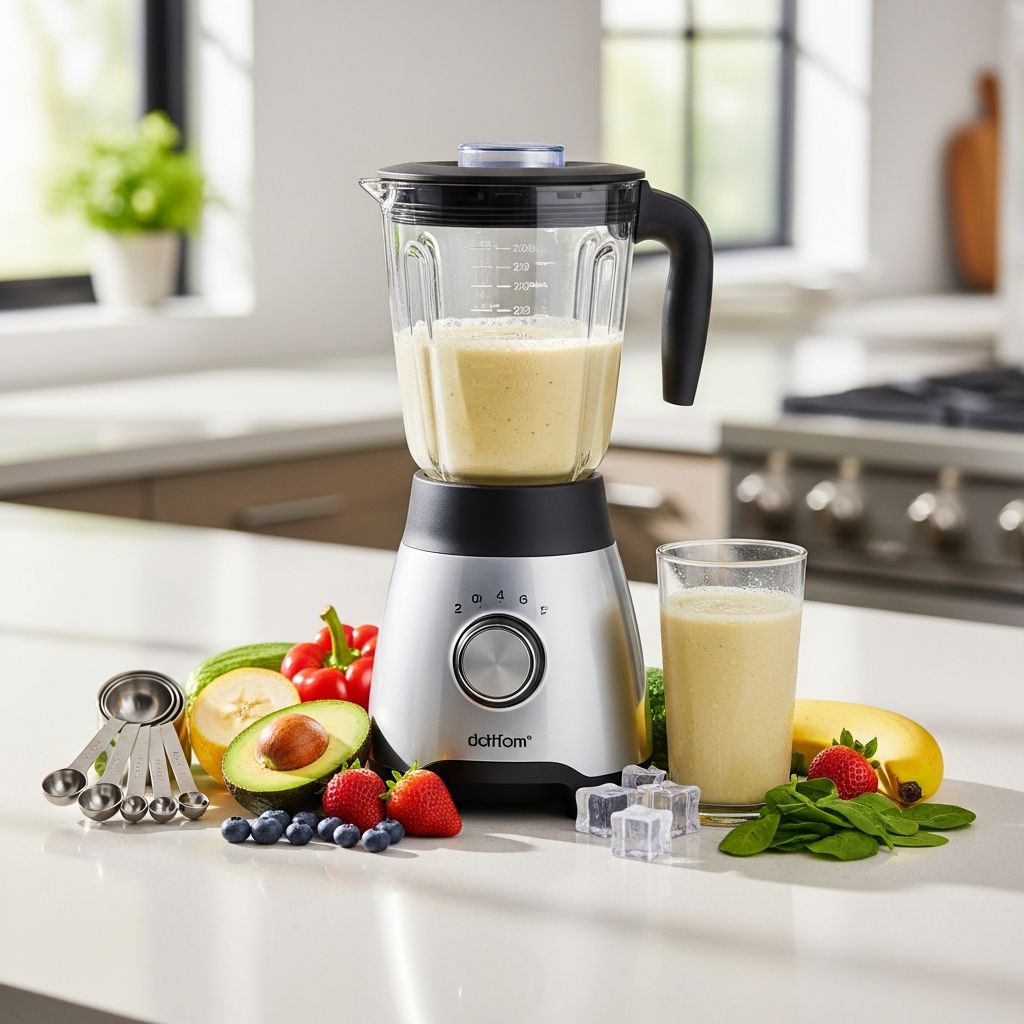
Weight loss shakes, often marketed as meal replacements, promise quick and convenient results for shedding pounds. These products typically contain protein, fiber, vitamins, and controlled calories to replace one or more daily meals. But do they deliver sustainable weight loss, or are they just another fad? Clinical evidence suggests they can be effective when used strategically as part of a balanced diet, helping users achieve greater reductions in body weight and fat compared to traditional calorie-restricted diets alone.
What Are Weight Loss Shakes?
Weight loss shakes, also known as meal replacement shakes or protein shakes designed for dieting, are formulated beverages that provide a complete nutritional profile in a low-calorie package. Unlike simple protein supplements, these shakes aim to substitute full meals, delivering around
150-300 calories
per serving while packing15-30 grams of protein
, added fiber, and essential micronutrients.Common ingredients include whey or plant-based proteins, soluble fibers like inulin or psyllium, artificial or natural sweeteners, and fortification with vitamins and minerals to mimic the nutrient density of whole foods. Brands vary widely, from ready-to-drink options to powders mixed with water or milk. The key appeal lies in their convenience: no cooking required, portion-controlled, and engineered for satiety to curb hunger during calorie deficits.
- Protein sources: Whey, casein, soy, pea, or rice protein for muscle preservation.
- Fiber boost: 5-10g per shake to promote fullness and digestive health.
- Low glycemic index: Helps stabilize blood sugar, reducing cravings.
- Calorie range: Typically 150-250 kcal, far less than a standard meal’s 500-800 kcal.
Research confirms these shakes address common dieting pitfalls like hunger and nutrient gaps. A WebMD review notes their high protein and fiber content directly combats hunger, a major barrier to adherence in weight loss programs.
How Do Weight Loss Shakes Help with Weight Loss?
The mechanism is straightforward:
calorie reduction without starvation
. By replacing higher-calorie meals, shakes create a deficit—essential for fat loss—while their macronutrient profile enhances satiety. Protein increases thermogenesis (calorie burn during digestion) and preserves lean muscle, ensuring more of the weight lost comes from fat.Studies quantify this edge. In a 90-day randomized controlled trial, the meal replacement group lost
7.38 kg
(8.87% body weight), compared to4.08 kg
in the diet control group and just0.97 kg
in the normal diet group. Body fat percentage dropped3.67%
in the shake group versus1.52%
in controls, with no adverse metabolic effects like changes in blood pressure, lipids, or glucose.| Group | Weight Loss (90 days) | Body Fat % Drop | BMI Reduction |
|---|---|---|---|
| Meal Replacement | 7.38 ± 3.24 kg | 3.67 ± 2.62% | Significant (p<0.001) |
| Diet Control | 4.08 ± 2.94 kg | 1.52 ± 1.79% | Moderate |
| Normal Diet | 0.97 ± 2.02 kg | 0.53 ± 0.93% | Minimal |
Another study echoed these results: participants using high-protein, high-fiber shakes twice daily saw superior weight management and metabolic improvements. Mayo Clinic experts affirm that higher protein intake from shakes can lower body fat, maintain muscle, and promote fullness, though not as a ‘magic bullet’.
Longer-term data from a systematic review of 23 trials showed meal replacement users lost significantly more weight after one year than those on standard plans. A post-hoc analysis in overweight Chinese adults reported
4.3% body weight loss
,5.3% fat mass reduction
, and waist circumference drops after 12 weeks with modest energy restriction.Related Stories



Pros and Cons of Weight Loss Shakes
Pros
- Proven efficacy: Up to 7.8% body weight loss in 3 months vs. 1.5% without shakes.
- Satiety and convenience: Fiber and protein keep you full longer; ideal for busy lifestyles.
- Muscle preservation: High protein supports lean mass during deficits, improving body composition.
- Metabolic safety: No negative impacts on blood sugar, lipids, or liver enzymes.
- Structured eating: Removes guesswork from portions, boosting adherence.
Cons
- Low calorie risk: 150-200 kcal shakes may lead to under-eating if not balanced, risking nutrient deficiencies or metabolic slowdown.
- Whole food gaps: Miss phytochemicals, antioxidants, and chewing satisfaction from produce and grains.
- Weight regain potential: Transitioning back to solids requires smart habits, or pounds return.
- Cost and variety: Daily use adds expense; monotony can derail motivation.
- Not for everyone: Those with digestive issues may experience bloating from fibers or proteins.
What the Experts Say
Registered dietitians and physicians view shakes as tools, not miracles. Mayo Clinic states: ‘Protein shakes aren’t a magic way to lose weight,’ but higher protein aids fat loss and fullness when replacing meals judiciously. Nuffield Department of Primary Care Health Sciences debunks myths, confirming shakes outperform standard diets in 23 trials.
In clinical guidelines, total diet replacement (TDR) shakes achieved
43.7%
of users hitting ≥10% weight loss vs. 21.7% on food-based diets. Experts recommend shakes for short-term kickstarts (e.g., 12-16 weeks) combined with exercise and behavioral changes for sustainability.How to Use Weight Loss Shakes Effectively
- Replace wisely: Swap 1-2 meals daily (e.g., breakfast and lunch), keeping dinner as a balanced whole-food meal with veggies, lean protein, and healthy fats.
- Calorie balance: Aim for 1,200-1,800 total daily calories based on needs; don’t drop below basal metabolic rate.
- Add volume: Blend with spinach, berries, or almond milk to boost nutrients and satisfaction without excess calories.
- Pair with activity: Strength training preserves muscle; cardio amplifies deficits.
- Monitor progress: Track weight weekly, adjust if plateauing, and consult a doctor for personalized plans.
- Transition out: Gradually reintroduce solids over 2-4 weeks to avoid rebound.
For best results, choose shakes with >20g protein, >5g fiber, minimal sugar (<10g), and third-party testing for quality.
Potential Downsides and Who Should Avoid Them
While safe for most, shakes aren’t ideal for everyone. Those with kidney issues should limit protein; GI-sensitive individuals may need low-FODMAP options. Pregnant/nursing women, children, and underweight people should avoid restrictive use. Over-reliance skips whole foods’ benefits, per Mayo Clinic.
Recent 2024-2025 studies confirm no metabolic harm, but long-term data (>1 year) is limited. Always prioritize sustainable habits over shakes alone.
Frequently Asked Questions (FAQs)
Are weight loss shakes healthy for long-term use?
Short-term (3-6 months): yes, with balance. Long-term: supplement, don’t replace all meals to ensure whole-food nutrients.
Can I lose weight with just shakes?
No—total calorie deficit matters. Shakes aid control, but combine with diet and exercise for best outcomes.
Do shakes build muscle while dieting?
Yes, high protein preserves lean mass, as shown in trials with fat-specific losses.
How many shakes per day for weight loss?
1-2 max, replacing highest-calorie meals. Studies used 1-2 daily for 7-8% loss.
Are homemade shakes better?
They can be, controlling ingredients, but commercial ones offer proven formulations and convenience.
Final Thoughts
Weight loss shakes work by enabling consistent calorie control, satiety, and nutrient support, with evidence from RCTs showing superior results to standard diets. Success hinges on integration into a holistic plan: pair with whole foods, movement, and habits. Consult professionals for tailored advice, especially with health conditions.
References
- What to Know About Meal Replacement Shakes — WebMD. 2023. https://www.webmd.com/diet/what-to-know-about-meal-replacement-shakes
- Efficacy of Meal Replacement Products on Weight and Glycolipid Metabolism — PMC (NCBI). 2024-10-15. https://pmc.ncbi.nlm.nih.gov/articles/PMC11479124/
- Protein shakes: Good for weight loss? — Mayo Clinic. 2024. https://www.mayoclinic.org/healthy-lifestyle/weight-loss/expert-answers/protein-shakes/faq-20058335
- Greater weight loss and positive changes in metabolic outcomes achieved with regular consumption of high-protein high-fiber shakes — American Society for Nutrition. 2023. https://nutrition.org/greater-weight-loss-and-positive-changes-in-metabolic-outcomes-achieved-with-regular-consumption-of-high-protein-high-fiber-shakes/
- Effects of a Meal Replacement on Body Composition and Metabolic Parameters — PMC (NCBI). 2019-01-24. https://pmc.ncbi.nlm.nih.gov/articles/PMC6327254/
- Eight myths about meal-replacement diets debunked — University of Oxford PHC. 2023. https://www.phc.ox.ac.uk/blog/eight-myths-about-meal-replacement-diets-debunked
Similar Articles








Read full bio of medha deb