Multivitamin: 5 Key Groups Who May Benefit From One
Experts weigh in on whether daily multivitamins are necessary for optimal health and filling nutrient gaps in modern diets.

Multivitamin/mineral supplements (MVMs) are among the most popular dietary supplements in the United States, with about one in three adults using them regularly in hopes of boosting health or preventing disease. But do they deliver on these promises? Recent large-scale studies, including analyses from the NIH, show mixed results: while MVMs can help fill nutrient gaps from diet alone, they do not reduce overall mortality risk and may even slightly increase it in some cases. This article breaks down the science, expert opinions, and practical advice to help you decide if a multivitamin is right for you.
What Are Multivitamins?
Multivitamins, or MVMs, are products containing three or more vitamins and at least one mineral, often providing 100% or more of the Daily Value (DV) for key nutrients like vitamins A, C, D, E, B vitamins, and minerals such as zinc, magnesium, and selenium. They come in various forms, including standard daily tablets, gummy versions, packs with multiple pills, or specialized formulas for energy, immunity, eye health, or athletic performance that may include extras like coenzyme Q10, probiotics, or glucosamine.
Manufacturers design MVMs to mimic the nutrient profile of a balanced diet, but formulations vary widely. Studies emphasize that results from one MVM cannot be generalized to all due to differences in nutrient combinations and dosages. For instance, most provide full DVs for vitamin D but limited calcium, potassium, and no fiber, as high amounts would make pills too large or cause interactions.
Who Might Benefit from Taking a Multivitamin?
Not everyone needs a multivitamin, but certain groups may benefit from filling common dietary shortfalls. The USDA Dietary Guidelines highlight nutrients of public health concern like vitamins D and A, calcium, magnesium, potassium, and fiber, where many Americans fall short.
- Pregnant or breastfeeding women: Need extra folic acid, iron, and others to support fetal development.
- Older adults: Often have reduced absorption of B12 and vitamin D due to age-related changes.
- People with restrictive diets: Vegans may lack B12, iron, and zinc; those with malabsorption issues like celiac disease benefit from supplementation.
- Children and teens: Studies show supplements reduce inadequate intakes from food alone.
- Those with poor diets: If you rarely eat fruits, vegetables, or whole grains, an MVM can boost adequacy for vitamins A, E, and zinc.
One NHANES analysis found MVM use raised nutrient adequacy from 72-76% to 83-84% for 17 key nutrients in men and women. However, users often already have better diets, suggesting supplements complement rather than replace healthy eating.
Do Multivitamins Improve Health Outcomes?
The evidence is nuanced. MVMs reliably increase nutrient intakes but show limited benefits for preventing chronic diseases.
Nutrient Intakes and Deficiencies
MVMs help meet recommended amounts when diets fall short. In one study, they improved adequacy for vitamins A, E, and zinc most dramatically, though some users exceeded safe levels for niacin (48-61%), vitamin A, iron, and zinc (10-15%). The Dietary Guidelines note shortfalls in calcium, vitamin D, potassium, and fiber persist even with supplements, requiring food sources like dairy, beans, fruits, and greens.
Cancer Prevention
Results are inconsistent. A study of over 390,000 women found 30% lower breast cancer mortality among MVM users. However, a large cohort analysis showed no mortality benefit. The USPSTF found insufficient evidence for cancer prevention.
Related Stories



Heart Disease and Stroke
A meta-analysis of 16 cohorts and two RCTs found no association between MVM use and reduced risk of coronary heart disease or stroke. Some studies report neutral or slightly adverse links in older women.
Mortality Risk
Recent data from three major US cohorts (over 390,000 participants, 164,000 deaths) linked daily MVM use to a 4% higher all-cause mortality risk (HR 1.04, 95% CI 1.02-1.07) in initial follow-up, though not sustained long-term. An NIH analysis confirmed no lower death risk from any cause, cancer, or heart disease.
Experts stress MVMs are not a panacea. The USPSTF advises against routine use for disease prevention in healthy adults due to insufficient evidence.
Potential Risks and Downsides of Multivitamins
While generally safe at 100% DV, excesses pose risks. High vitamin A, iron, and zinc intakes occurred in 10-15% of users. Fat-soluble vitamins (A, D, E, K) can accumulate, and interactions with medications are possible, especially for blood thinners or antibiotics.
Low-quality products may contain contaminants or inaccurate labeling. A JAMA study highlighted how even long-term use (24-27 years) doesn’t lower mortality. Overreliance may discourage dietary improvements.
How to Choose the Right Multivitamin
Select based on needs, not hype. Look for third-party testing (USP, NSF) for purity.
| Feature | Ideal Choice | Why It Matters |
|---|---|---|
| Daily Values | 100% DV for most vitamins/minerals | Meets needs without excess |
| Key Nutrients | Includes B vitamins, D3, zinc, selenium | Supports energy, immunity, bones |
| Form | Tablet, gummy, or pack matching lifestyle | Ensures adherence |
| Specialized | Targeted for age, gender, condition | Addresses specific gaps |
| Avoid | Mega-doses (>200% DV unless deficient) | Risk of toxicity |
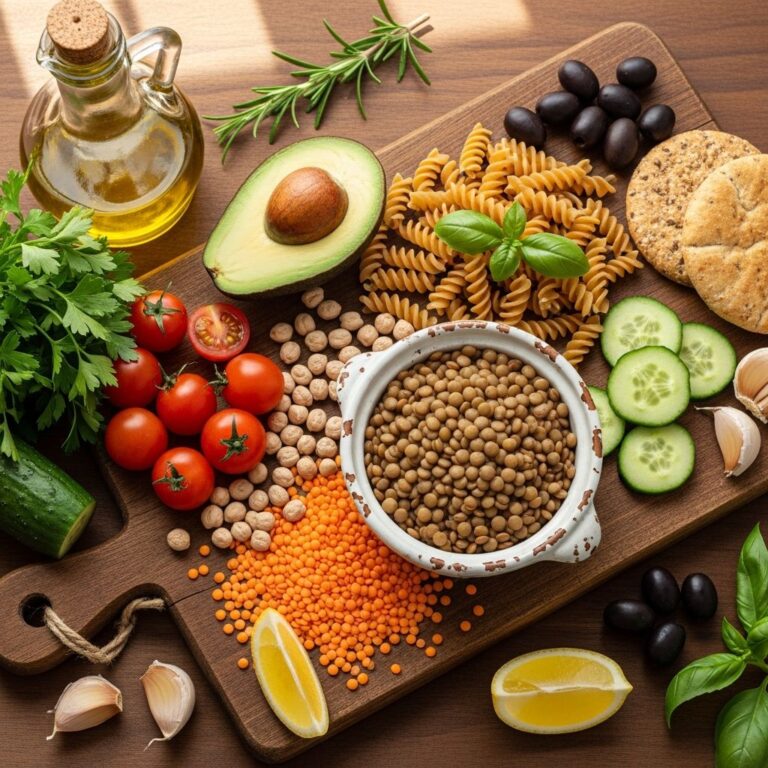
Food-first: Prioritize potassium-rich potatoes, magnesium-packed spinach, and fiber from oats.
Who Should Not Take a Multivitamin?
- Healthy eaters: If your diet includes diverse fruits, veggies, proteins, and grains, you likely meet needs.
- Those with deficiencies: Get tested first; targeted supplements are better.
- Medication users: Consult a doctor for interactions.
- Smokers: Avoid high beta-carotene formulas linked to lung risks.
Expert Advice on Multivitamins
“Multivitamins can fill gaps but won’t replace a poor diet. Focus on whole foods for fiber and phytonutrients.” — NIH Researchers
Registered dietitians recommend assessing diet via apps or logs before supplementing. Annual bloodwork checks for deficiencies like vitamin D or B12.
Frequently Asked Questions (FAQs)
Are multivitamins necessary for everyone?
No, only if diet gaps exist. NHANES data shows most adults benefit modestly in nutrient adequacy, but not health outcomes.
Can multivitamins help with energy or immunity?
They may correct deficiencies causing fatigue, but evidence for broad boosts is weak. Specialized formulas lack strong support.
Do multivitamins prevent heart disease or cancer?
Large studies and meta-analyses show no significant reduction in risk or mortality.
What’s the best time to take a multivitamin?
With a meal containing fat for absorption of A, D, E, K. Split doses if multiple pills.
Are gummy multivitamins as effective?
Often lower doses and added sugars; check labels for 100% DV.
Bottom Line: Should You Take a Multivitamin?
For most healthy adults eating a varied diet, multivitamins offer little proven benefit and no mortality advantage. They shine as insurance for nutrient shortfalls in at-risk groups. Prioritize colorful plates over pills, and consult professionals for personalized advice. Track your intake and get tested to decide wisely.
References
- Multivitamin/mineral Supplements – Health Professional Fact Sheet — Office of Dietary Supplements, NIH. 2023-07-11. https://ods.od.nih.gov/factsheets/MVMS-HealthProfessional/
- The Case for Taking a Daily Multivitamin — Consumer Healthcare Products Association. 2022-01-01. https://www.chpa.org/news/2022/01/case-taking-daily-multivitamin
- 5 signs you’ve chosen the right multivitamin — UT Southwestern Medical Center. 2023. https://utswmed.org/medblog/multivitamins-supplements/
- Multivitamin Use and Mortality Risk in 3 Prospective US Cohorts — JAMA Network Open. 2024-06-26. https://jamanetwork.com/journals/jamanetworkopen/fullarticle/2820369
- For healthy adults, taking multivitamins daily is not associated with lower risk of death — National Institutes of Health. 2024-06-26. https://www.nih.gov/news-events/news-releases/healthy-adults-taking-multivitamins-daily-not-associated-lower-risk-death
Similar Articles








Read full bio of medha deb