Dobutamine Stress Echocardiogram: Complete Guide
Understanding dobutamine stress echocardiography: purpose, procedure, and results.
What is a Dobutamine Stress Echocardiogram?
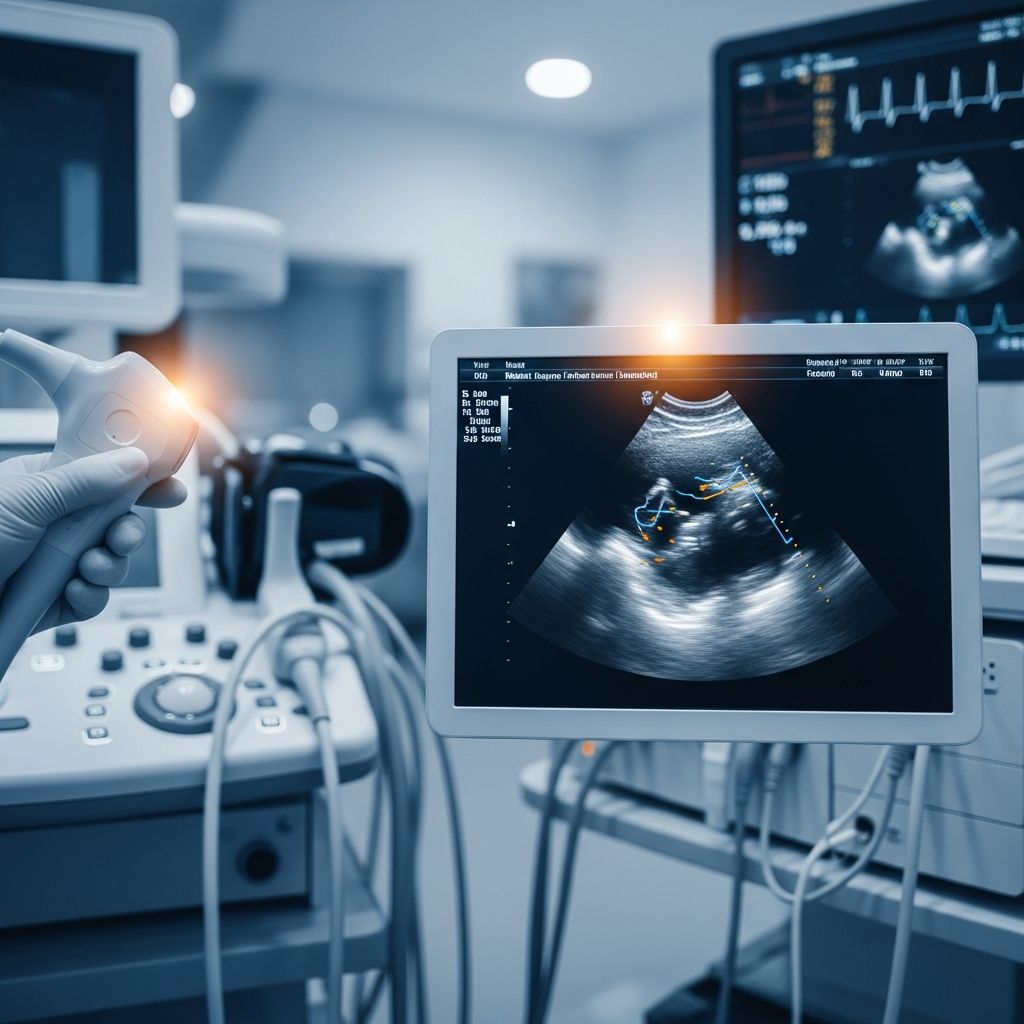
A dobutamine stress echocardiogram is a non-invasive diagnostic test that evaluates how your heart functions under stress conditions without requiring you to exercise on a treadmill or stationary bike. This test combines two important cardiac imaging techniques: echocardiography (ultrasound imaging of the heart) and pharmacologic stress testing using the medication dobutamine.
The test simulates the physical stress your heart experiences during exercise by administering a medication that increases your heart rate and the force of heart contractions. As your heart responds to this simulated stress, ultrasound images are captured to assess how well your heart muscle is pumping blood and whether all regions of the heart are receiving adequate blood supply.
For patients who are unable to exercise due to physical limitations, arthritis, or other medical conditions, the dobutamine stress echocardiogram provides an alternative way to evaluate cardiac function and detect potential heart problems that might not be apparent at rest.
Why Your Healthcare Provider May Order This Test
Your cardiologist or healthcare provider may recommend a dobutamine stress echocardiogram for several clinical reasons:
- You have new symptoms of angina or chest pain that needs evaluation
- Your existing angina symptoms are worsening or occurring more frequently
- You have recently experienced a heart attack and need cardiac assessment
- You are scheduled for surgery and have risk factors for heart disease that require pre-operative cardiac clearance
- You are beginning an exercise program and need to determine if your heart can safely tolerate increased physical activity
- You have heart valve problems that affect how blood flows through your heart
- Your healthcare provider suspects coronary artery disease or reduced blood flow to heart muscle
- You need to assess how well current heart medications or treatments are working
How the Test Works
Preparation and Setup
Before your dobutamine stress echocardiogram begins, your healthcare team will place several monitoring devices on your body. Electrodes (small conductive patches) will be attached to your chest, arms, and legs to record your heart’s electrical activity via an electrocardiogram (ECG). A blood pressure cuff will be placed on your arm to monitor your blood pressure throughout the procedure.
A cardiac sonographer will perform the actual echocardiogram, while a physician supervises the entire procedure to ensure your safety. The setting is typically a cardiac testing laboratory equipped with ultrasound equipment and cardiac monitoring systems.
The Dobutamine Infusion Protocol
The standard dobutamine stress testing protocol involves a graded infusion approach. A small intravenous (IV) line will be placed in your arm, typically in your hand or forearm. Through this IV, dobutamine is administered in progressively increasing doses at three-minute intervals. The typical protocol begins at 5 micrograms per kilogram of body weight per minute (mcg/kg/min), then increases to 10, 20, 30, and finally 40 mcg/kg/min as your heart rate climbs.
At each stage of the infusion, your blood pressure and heart rate are monitored, and ultrasound images of your heart are captured. The test continues until you reach your target heart rate (typically 85% of your maximum predicted heart rate based on your age), or until certain predetermined endpoints are reached such as significant symptoms, dangerous heart rhythms, or substantial blood pressure changes.
Related Stories



Image Acquisition and Monitoring
Echocardiographic images are obtained at baseline before any medication is given, at the end of each dobutamine infusion stage, and during the recovery phase after the infusion is stopped. These sequential images allow your cardiologist to observe how your heart wall contracts and whether any areas show reduced movement or thickening during stress compared to rest.
Throughout the procedure, your vital signs are continuously monitored including heart rate, blood pressure, and ECG tracings. The medical team watches carefully for any concerning symptoms or cardiac changes that would warrant stopping the test early.
What to Expect During the Procedure
Comfort and Sensation
Most patients experience minimal discomfort during a dobutamine stress echocardiogram. You may feel a slight poke when the IV needle is inserted to establish IV access. The blood pressure cuff may feel snug or create a squeezing sensation when it inflates every few minutes, but this is brief and not painful.
The ultrasound probe (transducer) is placed on your chest. You may feel some pressure from the probe, but the ultrasound itself is painless. Throughout the test, you will be able to communicate with the medical staff about how you are feeling.
Common Sensations and Side Effects
As the dobutamine enters your system and your heart rate increases, you may experience various sensations. Some patients report mild headaches as the medication takes effect. A slight drop in blood pressure is a common occurrence. You may notice your heart beating faster, irregularly, or feel extra or skipped heartbeats, which is an expected response to the medication. Some patients experience palpitations, dizziness, nausea, or shortness of breath.
These sensations are typically temporary and resolve once the dobutamine infusion is stopped and during the recovery period. It is important to inform your healthcare team immediately if you experience any symptoms so they can monitor your response and provide appropriate care.
Duration and Recovery
The entire appointment typically takes approximately one hour. The IV infusion itself lasts about 15 minutes, though the entire testing process including baseline imaging, staged infusions, and recovery imaging takes longer. After the procedure is complete, you should plan to remain in the waiting room for at least 30 minutes, or until your heart rate and any symptoms have returned to baseline levels and you feel fully recovered.
Because dobutamine can cause a temporary drop in blood pressure, it is advisable to have someone else drive you home after your appointment. You should not drive yourself immediately after the test.
Special Considerations
Pacemakers and Defibrillators
If you have a pacemaker or implantable cardioverter-defibrillator (ICD), it is essential that your healthcare provider knows about this before your test. These devices must be checked prior to the dobutamine stress echo to ensure they will function properly and safely during the procedure. Contact your provider in advance to inform them of any implanted cardiac devices.
Pre-Test Preparation
Your healthcare provider will give you specific instructions regarding medication use before your test. Some medications may need to be held temporarily, while others should be continued. Fasting requirements vary, so ask your provider whether you should eat or drink before your appointment. Wear comfortable, loose-fitting clothing that allows easy access to your chest and arms for electrode placement.
Understanding Your Test Results
Types of Results
Dobutamine stress echocardiogram results typically fall into three categories: normal, abnormal, or equivocal.
Normal Results
A normal result means that your heart wall contracts normally throughout the test, including when your heart rate was elevated by dobutamine. All regions of the heart show appropriate wall motion and thickening during stress, indicating that all parts of your heart muscle are receiving adequate blood supply. This result suggests that significant coronary artery disease or substantial blood flow restriction is unlikely.
Abnormal Results
An abnormal result indicates that one or more regions of your heart wall show reduced movement or fail to thicken appropriately during stress. This pattern, called a wall motion abnormality, suggests that the affected heart muscle region may not be receiving adequate blood flow and oxygen, possibly due to narrowing or blockage in a coronary artery supplying that area. Abnormal results may indicate coronary artery disease, previous heart attack, or other cardiac conditions affecting blood flow.
Equivocal Results
An equivocal or indeterminate result means the test findings are not clearly normal or abnormal, or the test was not technically adequate for complete interpretation. This may occur if image quality was suboptimal, the test was stopped before reaching the target heart rate, or findings are borderline. Additional testing may be recommended.
Accuracy of the Test
Stress echocardiography is highly accurate for detecting cardiac problems. In one study of 5,131 patients, the test accurately predicted heart problems in more than 95 percent of cases. Compared to standard exercise electrocardiography, stress echocardiography has superior specificity, meaning it is better at correctly identifying patients without disease. When compared to nuclear perfusion imaging studies, stress echocardiography demonstrates similar overall accuracy.
However, like all diagnostic tests, false positive and false negative results can occasionally occur. This is why it is important to discuss your results with your cardiologist in the context of your complete clinical picture, symptoms, and other test results.
After Your Test
After your cardiologist reviews your test, the results are entered into your electronic medical record. Your healthcare provider will check the results and contact you to discuss the findings. Typically, you should hear from your provider within one week of your test. If you do not receive results within this timeframe, contact your provider to follow up.
Advantages of Dobutamine Stress Echocardiography
The dobutamine stress echocardiogram offers several important advantages over alternative cardiac testing methods. Unlike exercise stress tests, it does not require you to be physically able to exercise, making it suitable for patients with arthritis, severe deconditioning, peripheral vascular disease, or other conditions limiting exercise capacity. It provides real-time visualization of heart wall motion and function, allowing direct assessment of myocardial performance. It has excellent specificity for detecting coronary artery disease. Both dobutamine infusion and the echocardiographic imaging are well tolerated and safe in most patients. The test delivers no radiation exposure, unlike nuclear cardiac imaging. It provides valuable information about valve function and overall cardiac structure in addition to blood flow assessment.
Tolerability and Safety
Dobutamine stress testing has been extensively studied and shows good overall tolerance and feasibility in diverse patient populations. Side effects are usually mild and resolve quickly once the infusion is stopped. The test is performed under medical supervision with continuous monitoring, allowing healthcare providers to stop the test immediately if concerning symptoms or cardiac changes develop. Serious complications are rare when appropriate patient selection and monitoring protocols are followed.
Frequently Asked Questions
Q: Is a dobutamine stress echocardiogram painful?
A: The test is generally painless. You may feel a slight poke when the IV is inserted and mild pressure from the ultrasound probe on your chest, but the actual procedure causes no pain. Some patients experience temporary sensations like palpitations, headache, or nausea as the medication takes effect, but these are usually mild and resolve quickly.
Q: Can I eat or drink before my test?
A: Fasting requirements vary. Contact your healthcare provider for specific pre-test instructions about eating, drinking, and medication use before your appointment.
Q: What should I wear to my test?
A: Wear comfortable, loose-fitting clothing that allows easy access to your chest and arms for electrode and ultrasound probe placement. Avoid wearing jewelry or body piercings on your chest or arms.
Q: How long does the entire appointment take?
A: Plan for approximately one hour total. The IV infusion lasts about 15 minutes, but the complete testing and recovery process takes longer. You should remain in the facility for at least 30 minutes after the procedure ends.
Q: Can I drive myself home after the test?
A: No, you should not drive immediately after your test. Dobutamine can cause temporary blood pressure changes, so arrange for someone else to drive you home.
Q: What if I have an implanted pacemaker or defibrillator?
A: Inform your healthcare provider in advance if you have any implanted cardiac devices. These devices need to be checked before your procedure to ensure they will function safely during testing.
Q: When will I receive my test results?
A: Your cardiologist will review the results and enter them into your medical record. Your healthcare provider should contact you within one week to discuss the findings. Contact your provider if you haven’t heard from them by then.
Q: What do the different test results mean?
A: Normal results indicate your heart is receiving adequate blood flow during stress. Abnormal results suggest reduced blood flow to part of your heart muscle, possibly from coronary artery disease. Equivocal results are inconclusive and may require additional testing.
References
- Stress Echocardiography — National Center for Biotechnology Information (NCBI) Bookshelf. 2024. https://www.ncbi.nlm.nih.gov/books/NBK448062/
- Dobutamine Stress Echocardiogram — Cleveland Clinic. 2024. https://my.clevelandclinic.org/health/diagnostics/16935-dobutamine-stress-echocardiogram
- Stress Echocardiography — MedlinePlus Medical Encyclopedia, U.S. National Library of Medicine. 2024. https://medlineplus.gov/ency/article/007150.htm
- Dobutamine Echocardiographic Stress Test Procedure — UC San Diego Health. 2020. https://health.ucsd.edu/
- Stress Echocardiography Guidelines — American Society of Echocardiography. 2020. https://www.asecho.org/
- Dobutamine Stress Echocardiogram — Massachusetts General Hospital. 2024. https://www.massgeneral.org/heart-center/treatments-and-services/dobutamine-stress-echocardiogram
Similar Articles








Read full bio of medha deb