Documenting TSW: Eczema Recovery Insights
Explore personal stories and medical insights on tracking Topical Steroid Withdrawal in eczema management for better recovery.
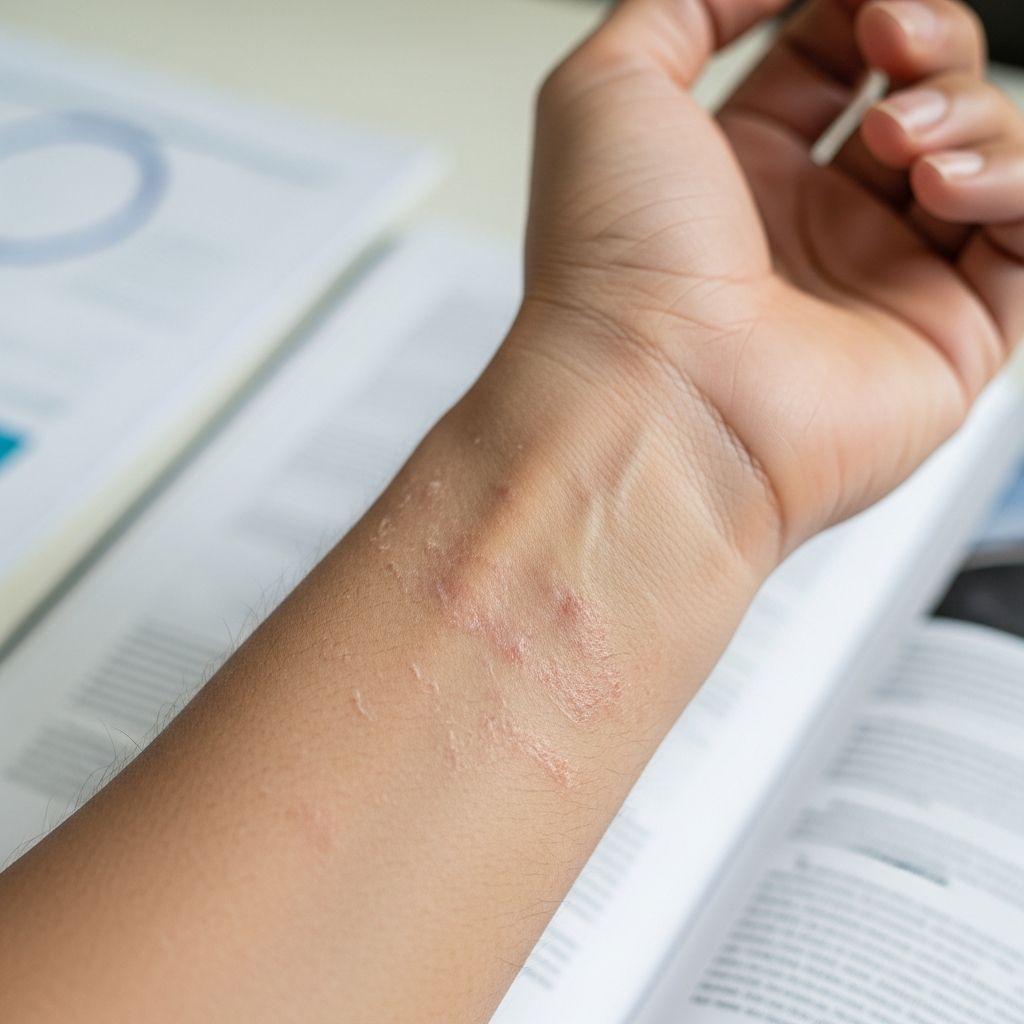
Topical Steroid Withdrawal (TSW), also known as Red Skin Syndrome, emerges as a critical concern for individuals managing chronic skin conditions like atopic dermatitis. When long-term use of topical corticosteroids leads to rebound symptoms upon cessation, patients often face intense challenges. Documenting these experiences plays a pivotal role in personal recovery and broader awareness. This article examines strategies for tracking TSW symptoms, integrates evidence-based eczema management guidelines, and highlights patient-driven documentation methods.
Understanding TSW in the Context of Eczema Care
Atopic dermatitis affects millions, characterized by itchy, inflamed skin that requires vigilant management. While topical corticosteroids remain a cornerstone treatment, prolonged or excessive application can trigger TSW. Symptoms include burning sensations, redness, oozing, and elephant-like skin thickening, often worsening after steroid discontinuation. The 2023 American Academy of Allergy, Asthma & Immunology (AAAAI) guidelines emphasize optimal topical therapies but caution on appropriate use to avoid such complications.
Patients documenting TSW report timelines varying from weeks to years, influenced by prior steroid potency and duration. Recognition begins with distinguishing TSW from eczema flares: TSW typically presents with widespread erythema and discomfort disproportionate to original symptoms. Early documentation aids in consulting dermatologists familiar with this phenomenon.
Why Track Your TSW Journey?
Maintaining a detailed log empowers patients to identify patterns, communicate effectively with healthcare providers, and contribute to research. Benefits include:
- Pattern Recognition: Noting triggers like weather changes or stress that exacerbate symptoms.
- Treatment Evaluation: Assessing non-steroid alternatives’ effectiveness over time.
- Provider Communication: Visual timelines and photos strengthen case discussions.
- Community Support: Shared logs foster online networks for mutual encouragement.
Structured tracking transforms subjective experiences into actionable data, aligning with guideline recommendations for proactive therapy in relapsing conditions.
Essential Tools for TSW Documentation
Effective logging requires simple, accessible tools. Start with a digital journal app or spreadsheet for daily entries.
| Category | Details to Log | Example Entry |
|---|---|---|
| Symptoms | Intensity (1-10 scale), location, type (burn, itch, etc.) | Day 45: Burning 8/10 on arms, redness spreading to torso. |
| Treatments | Products used, frequency, response | Applied moisturizer twice; no steroid. Mild relief after 2 hours. |
| Photos | Consistent lighting, body map overlays | Weekly full-body shots with scale reference. |
| Lifestyle | Diet, sleep, environment | High humidity day; symptoms eased 20%. |
| Mood/Impact | Daily function, emotional state | Sleep disrupted; work productivity 50%. |
Incorporate apps like Daylio for mood tracking or EczemaWise for symptom mapping. Visual aids, such as before-and-after photos under standardized conditions, prove invaluable during consultations.
Safe Eczema Management Without Prolonged Steroids
Guidelines from authoritative bodies prioritize steroid-sparing approaches. The AAAAI recommends moisturizers as first-line, followed by targeted anti-inflammatories. For moderate-to-severe cases, dilute bleach baths reduce bacterial load, suggested as adjunctive therapy.
- Daily Moisturization: Thick, fragrance-free emollients applied post-bath to lock in hydration.
- Wet Wraps: For flares, apply medication under damp gauze then dry layer; effective for severe eczema per Mayo Clinic protocols.
- Topical Alternatives: Calcineurin inhibitors (e.g., tacrolimus) for sensitive areas, safe for long-term use.
Related Stories



AAD guidelines endorse topical PDE-4 and JAK inhibitors, with updates reflecting 2025 systemic options. Avoid routine topical antimicrobials absent infection.
Patient Stories: Real-Life TSW Documentation
Anonymous accounts reveal diverse recoveries. One individual logged 18 months of TSW post-10-year steroid use: initial ‘elephant skin’ resolved by month 6 with emollient-only care, though insomnia persisted. Another used video diaries to track ‘rebound flares,’ correlating improvements with dietary adjustments and bleach baths.
These narratives underscore variability; some experience rapid improvement within months, others endure protracted phases. Consistent documentation helped secure referrals to TSW-aware specialists, emphasizing the power of patient advocacy.
Guideline-Driven Strategies to Minimize TSW Risk
Preventive use aligns with evidence. AAAAI advises proactive TCS or TCI application for relapsers, not continuous daily use. Texas Children’s Hospital protocols recommend ointments over creams for efficacy, tapering to maintenance.
- Assess severity weekly; escalate only if needed.
- Initiate lowest potent steroid for shortest duration.
- Monitor for early TSW signs like periorificial dermatitis.
- Integrate bleach baths: 1/2 cup bleach in full tub, 2-3 times weekly for moderate disease.
Royal Children’s Hospital stresses Eczema Treatment Plans, combining ongoing emollients with flare-specific interventions.
Challenges in TSW Diagnosis and Validation
TSW lacks formal diagnostic criteria, complicating recognition. Dermatologists may misattribute symptoms to eczema progression. Documentation bridges this gap, providing longitudinal evidence. Emerging research calls for standardized scales, but patient logs currently fill evidentiary voids.
Building a Support Network Through Documentation
Share anonymized logs on forums or via apps like ITSAN (International Topical Steroid Awareness Network). This not only aids personal coping but accelerates collective understanding. Collaborate with allergists for comprehensive plans, including allergen testing if indicated.
FAQs on TSW Documentation and Eczema Care
Q: How long does TSW typically last?
A: Durations vary; many report 1-3 years, per patient experiences and limited studies. Track individually for personalized insights.
Q: Are bleach baths safe for TSW?
A: Yes, as additive for bacterial control in moderate-severe AD, per AAAAI and AAD.
Q: What if steroids were my only relief?
A: Transition to TCIs, JAK inhibitors, or biologics under guidance; moisturizers essential.
Q: Best photo tips for logging?
A: Use natural light, full-body views, ruler for scale, same background weekly.
Q: When to seek emergency care?
A: Severe infection signs, uncontrolled pain, or dehydration from oozing.
Long-Term Outlook: From Documentation to Healing
Persistent logging fosters resilience, informing adjustments like phototherapy or systemic agents for refractory cases. Many achieve steroid-free remission, with skin barrier restoration central. Consult multidisciplinary teams for holistic care.
References
- Atopic dermatitis (eczema) guidelines: 2023 American Academy of Allergy, Asthma & Immunology/American College of Allergy, Asthma & Immunology Joint Task Force — AAAAI. 2023-07-31. https://www.aaaai.org/Aaaai/media/Media-Library-PDFs/Allergist%20Resources/Statements%20and%20Practice%20Parameters/JTF-Atopic-Dermatitis-Guideline-2023-07-31-2026.pdf
- Atopic dermatitis clinical guideline — American Academy of Dermatology (AAD). 2014 (Focused Update 2025). https://www.aad.org/member/clinical-quality/guidelines/atopic-dermatitis
- Atopic dermatitis (eczema) – Diagnosis and treatment — Mayo Clinic. Accessed 2026. https://www.mayoclinic.org/diseases-conditions/atopic-dermatitis-eczema/diagnosis-treatment/drc-20353279
- Atopic Dermatitis (Eczema) — Texas Children’s Hospital. Accessed 2026. https://www.texaschildrens.org/sites/default/files/uploads/documents/atopic%20dermatitis%20(eczema).pdf
- Eczema management – Nursing guidelines — Royal Children’s Hospital. Accessed 2026. https://www.rch.org.au/rchcpg/hospital_clinical_guideline_index/eczema_management/
Similar Articles








Read full bio of Sneha Tete