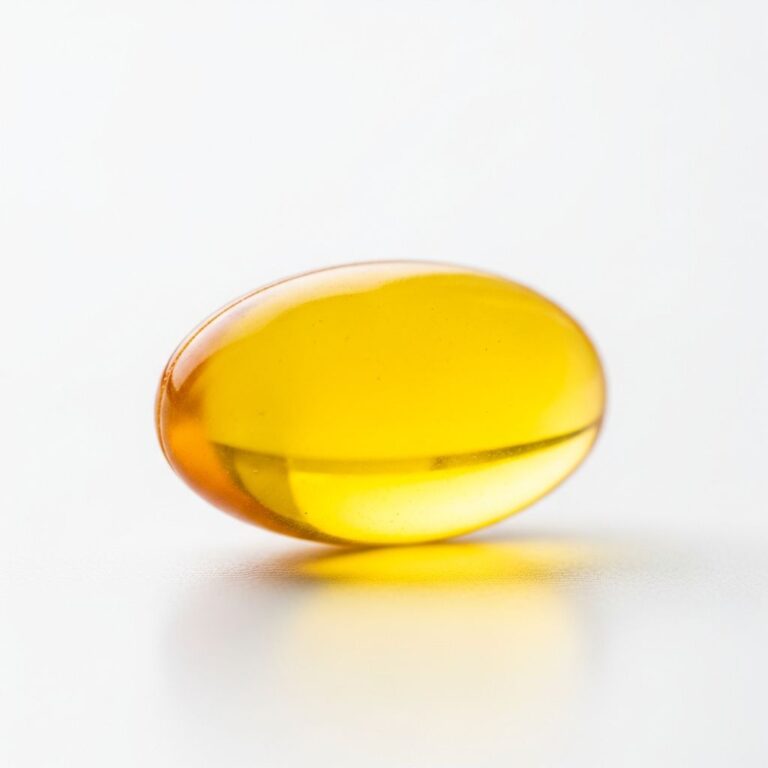
Docusate Sodium (Dioctyl, Dulcoease, Norgalax)
Comprehensive guide to docusate sodium: uses, dosage, side effects, and evidence-based insights for managing constipation effectively.
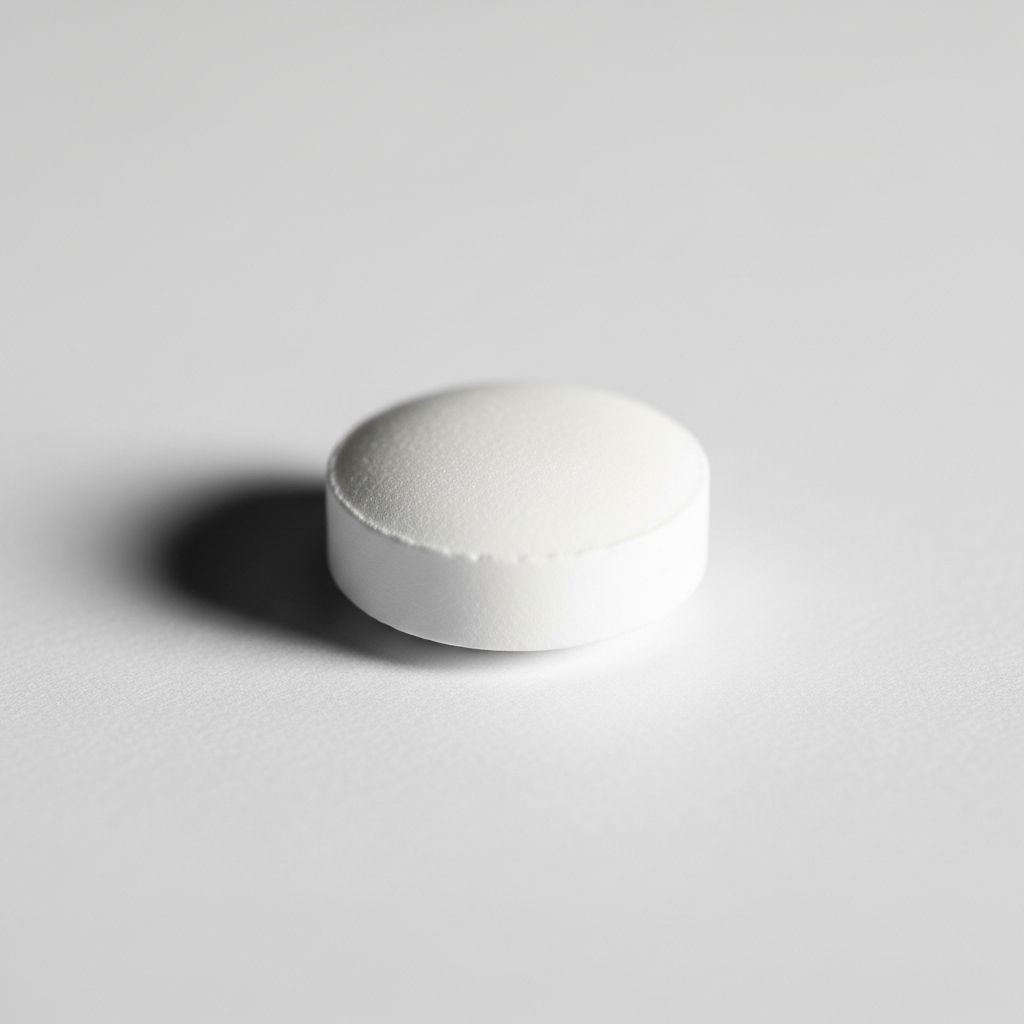
Docusate sodium, also known by brand names such as Dioctyl, Dulcoease, and Norgalax, is a widely used over-the-counter stool softener designed to relieve occasional constipation by making stools softer and easier to pass.
About Docusate Sodium
Docusate sodium belongs to the class of emollient laxatives or surfactant stool softeners. It works by reducing the surface tension between water and fat in the stool, allowing more water and lipids to penetrate the stool mass, which hydrates it and facilitates easier bowel movements. Unlike stimulant laxatives, docusate does not directly stimulate intestinal contractions but relies on natural peristalsis.
Available in oral forms such as capsules, tablets, liquids, syrups, and suspensions, as well as rectal forms like enemas (e.g., Norgalax), it typically produces a bowel movement within 12 to 72 hours of oral use or 2 to 15 minutes rectally. Docusate is on the World Health Organization’s List of Essential Medicines and is classified as an OTC product in many regions.
It is particularly useful post-surgery, after childbirth, or for those with conditions like hemorrhoids or anal fissures where straining should be minimized. Off-label, it may soften earwax as a cerumenolytic agent, though not officially approved for this.
Before Taking Docusate Sodium
Check if it’s suitable for you
Consult a healthcare provider before use if you have:
- Sudden changes in bowel habits lasting over 2 weeks
- Abdominal pain, nausea, or vomiting
- Intestinal blockage or obstruction
- Undiagnosed rectal bleeding
- Difficulty swallowing or throat issues (for oral liquids)
Use with caution in patients with cardiac comorbidities or painful anorectal conditions, as it helps avoid straining.
Age and use restrictions
- Adults and children over 12: Generally safe for short-term use.
- Children 2-11 years: Use under medical supervision; lower doses required.
- Under 2 years: Only as directed by a doctor; individualize dosing.
Not recommended for long-term use without medical advice, as dependency or electrolyte imbalances may occur.
Drug interactions
Docusate has minimal interactions but inform your doctor if taking:
- Mineral oil (may increase absorption)
- Other laxatives (risk of overuse)
- Opioids (limited added benefit over placebo)
Screen for contraindications like hypersensitivity to docusate salts.
How to Take Docusate Sodium
Dosage guidelines
Follow package instructions or doctor’s advice. Typical dosing:
| Form | Adults | Children (2-11 yrs) | Notes |
|---|---|---|---|
| Oral capsules/tablets (sodium) | 50-360 mg/day, divided 1-3 times daily (e.g., 100 mg BID) | 50-150 mg/day | Take with water or juice |
| Oral liquid (10 mg/mL) | 50-150 mg 1-2 times daily, mixed in 6-8 oz milk/juice | 50-150 mg once daily | Shake well |
| Docusate calcium | 240 mg once daily | Not typically for children | Alternative to sodium salt |
| Rectal enema (e.g., Norgalax) | One applicator as needed | Not for children | Effects in 2-15 min |
Start with the lowest effective dose. Effects may take 1-3 days orally.
How to use it
- Oral: Swallow capsules whole; mix liquids with milk, juice, or formula to mask taste. Drink plenty of fluids to enhance efficacy.
- Rectal: Lie on side, insert gently, retain 2-15 minutes.
- Combine with lifestyle measures: high-fiber diet, exercise, adequate hydration.
Related Stories



Getting the Most from Docusate Sodium
- Allow 12-72 hours for full effect; do not increase dose without advice.
- Pair with bulk-forming laxatives like psyllium if needed for better results, though evidence shows docusate alone may not outperform placebo.
- For opioid-induced constipation, consider alternatives like sennosides or polyethylene glycol, as docusate adds little benefit.
- Avoid routine hospital prescribing; assess need and discontinue if ineffective.
- Maintain bowel habits: respond promptly to urges, eat prunes or fiber-rich foods.
Side Effects of Docusate Sodium
Generally well-tolerated, but possible side effects include:
- Common (mild): Stomach cramps, diarrhea, nausea.
- Rare: Throat irritation (liquid), rash, electrolyte imbalance with overuse.
- Serious (seek immediate help): Rectal bleeding, bloody/black stools, severe abdominal pain, vomiting.
Incidence of severe effects is low; report to FDA or doctor. Studies note no significant superiority over placebo in stool softening for chronic constipation.
When Not to Take Docusate Sodium
- Acute abdominal pain or nausea.
- Suspected appendicitis or bowel obstruction.
- Chronic constipation without diagnosis.
- Within 1-2 hours of mineral oil.
Discontinue if no bowel movement in 72 hours or symptoms worsen.
Frequently Asked Questions
Q: How long does docusate sodium take to work?
A: Orally, 12-72 hours; rectally, 2-15 minutes.
Q: Is docusate safe for daily use?
A: Short-term yes, but not for chronic use without medical supervision to avoid dependency.
Q: Can I take docusate with other laxatives?
A: Possible, but consult a doctor to avoid overuse; evidence favors alternatives like psyllium or PEG.
Q: Is docusate effective for opioid constipation?
A: Limited evidence; no better than placebo or sennosides alone.
Q: What if I miss a dose?
A: Take as soon as remembered unless near next dose; do not double up.
Q: Can pregnant or breastfeeding women use it?
A: Generally considered safe, but consult healthcare provider.
Pregnancy and Breastfeeding
Docusate is category B/C (depending on source); minimal absorption suggests low risk, but use only if benefits outweigh risks. Limited data on breastfeeding; monitor infant for diarrhea.
Further Information
For persistent constipation, investigate underlying causes like diet, medications, or conditions (e.g., IBS, hypothyroidism). Evidence from multiple studies questions docusate’s efficacy beyond placebo, recommending alternatives like polyethylene glycol, lactulose, or senna. Hospital protocols should avoid automatic prescribing.
Store at room temperature, away from moisture. Discard unused portions after expiry.
References
- Docusate – StatPearls — NCBI Bookshelf, National Institutes of Health. 2023-10-01. https://www.ncbi.nlm.nih.gov/books/NBK555942/
- Docusate — Rehab My Patient. 2024-01-15. https://www.rehabmypatient.com/medications/docusate
- Docusate: Uses, Interactions, Mechanism of Action — DrugBank Online. 2025-05-20. https://go.drugbank.com/drugs/DB11089
- Docusate sodium (oral route) — Mayo Clinic. 2024-11-12. https://www.mayoclinic.org/drugs-supplements/docusate-sodium-oral-route/description/drg-80008470
- Docusate Sodium Liquid — MPR. 2024-03-05. https://www.empr.com/drug/docusate-sodium-liquid/
- Things We Do for No Reason: Prescribing Docusate for Constipation — Journal of Hospital Medicine (SHM). 2017-06-15. https://shmpublications.onlinelibrary.wiley.com/doi/10.12788/jhm.3124
Similar Articles








Read full bio of Sneha Tete