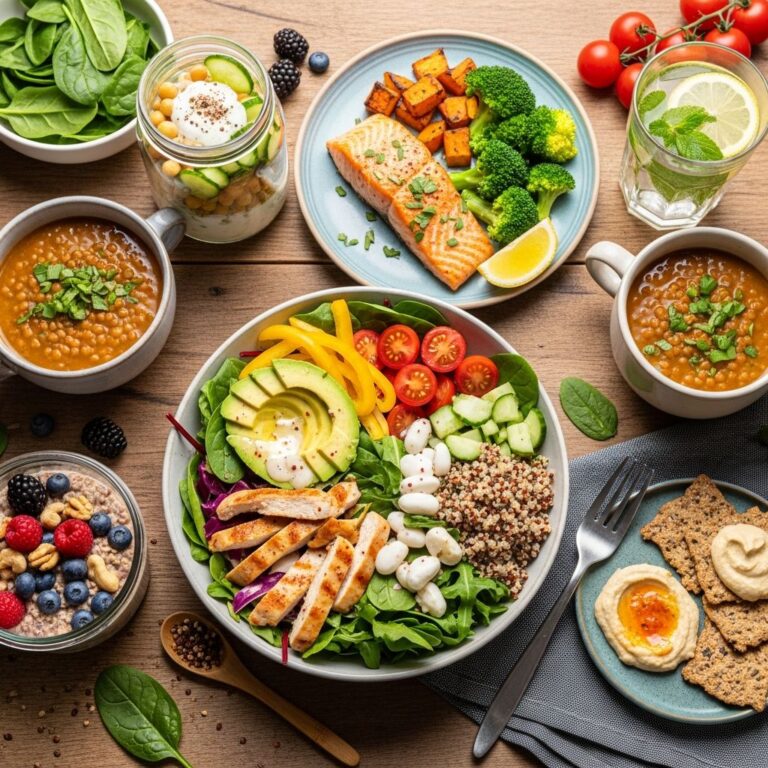
Does a Healthy Keto Meal Plan Even Exist?
Can the ketogenic diet be both healthy and sustainable? Discover balanced keto meal plans with nutrient-dense foods.
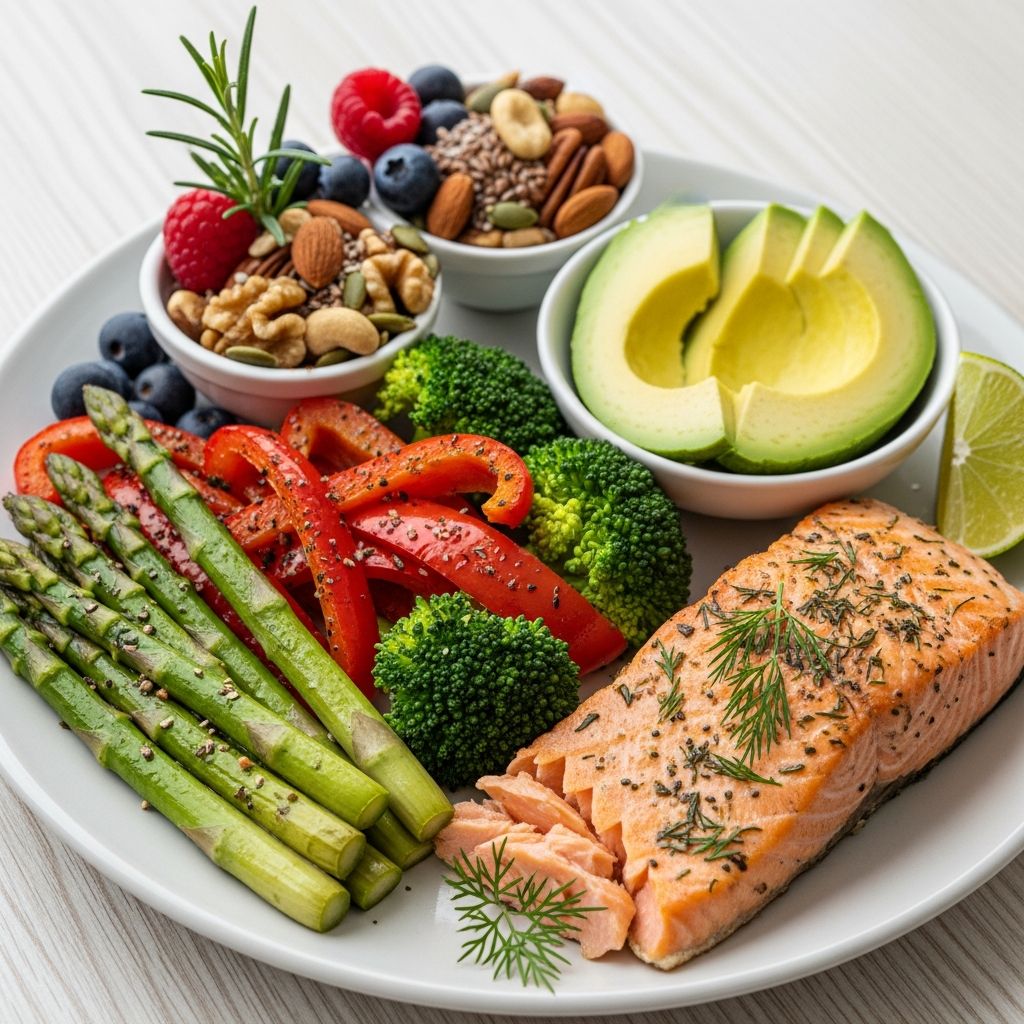
The ketogenic (keto) diet has surged in popularity for its potential to promote weight loss, improve blood sugar control, and enhance mental clarity by shifting the body into ketosis—a metabolic state where it burns fat for fuel instead of carbohydrates. But a common question lingers: can keto be healthy? Critics argue it lacks fiber, vitamins, and variety, potentially leading to nutrient deficiencies or heart health issues from high fat intake. Proponents counter that a well-planned keto emphasizes nutrient-dense foods like vegetables, healthy fats, and quality proteins, making it sustainable and beneficial.
This article dives deep into keto fundamentals, addresses health concerns, and provides a practical 7-day healthy keto meal plan averaging under 25g net carbs daily. Drawing from established guidelines, we’ll show how to construct keto meals that nourish without sacrificing ketosis.
What Is the Keto Diet?
The keto diet is a high-fat, moderate-protein, very low-carbohydrate eating pattern designed to induce ketosis. Typically, it breaks down as 60-75% calories from fat, 20-30% from protein, and 5-10% from carbs—often limiting net carbs (total carbs minus fiber) to 20-50g per day. In ketosis, the liver converts fat into ketones, providing energy for the brain and body.
Unlike standard low-fat diets, keto replaces carb calories with fats from sources like avocados, olive oil, nuts, fatty fish, and eggs. Foundation vegetables—leafy greens, broccoli, cauliflower—supply essential fiber and micronutrients while keeping carbs low. This structure supports steady energy, appetite control, and metabolic flexibility.
- Key Macros: 60-70% fat, 20-30% protein, 5-10% carbs.
- Net Carbs Goal: 20-40g daily for most people to maintain ketosis.
- Focus Foods: Eggs, cheese, meat, fish, non-starchy veggies, healthy oils.
Health Benefits of Keto
When done right, keto offers compelling advantages backed by research. It excels in rapid weight loss by depleting glycogen stores and promoting fat oxidation. Studies show improved insulin sensitivity, making it ideal for type 2 diabetes management. Keto may also reduce inflammation, support epilepsy treatment (its original purpose), and enhance cognitive function via ketones.
Athletes report better endurance once adapted (keto-adaptation takes 2-4 weeks). For overall health, prioritizing whole foods mitigates risks, providing antioxidants from veggies and omega-3s from salmon.
| Benefit | Description |
|---|---|
| Weight Loss | Accelerates fat burning; sustains fullness via high fat/protein. |
| Blood Sugar Control | Lowers insulin spikes; beneficial for prediabetes. |
| Brain Health | Ketones fuel neurons, potentially aiding focus and epilepsy. |
| Heart Health (with caveats) | Boosts HDL cholesterol if using healthy fats. |
Potential Risks and How to Mitigate Them
Keto isn’t flawless. ‘Keto flu’—fatigue, headaches—strikes early due to electrolyte shifts; combat with sodium, potassium, magnesium from broths, avocados, spinach. Long-term, fiber scarcity risks constipation—aim for 25g+ via veggies. High saturated fats may elevate LDL in some; opt for monounsaturated/polyunsaturated sources.
Nutrient gaps (vitamins C, K, folate) arise without variety—include berries sparingly, organ meats. Not ideal for everyone: pregnant individuals, those with kidney issues, or athletes needing quick carbs should consult doctors. Sustainability hinges on planning: rotate foods, meal prep, track macros initially.
- Tip: Hydrate aggressively (3-4L water/day) and supplement electrolytes.
- Monitor: Blood work for lipids, kidney function every 3-6 months.
Building a Healthy Keto Plate
A healthy keto meal prioritizes whole, unprocessed foods. Fill half your plate with low-carb veggies (spinach, zucchini, broccoli), a quarter with protein (chicken, salmon, eggs), and drizzle generously with fats (olive oil, butter, nuts). Avoid processed bars/shakes long-term; they’re convenient but lack phytonutrients.
Related Stories



Sample plate: Grilled salmon over sautéed kale with avocado slices and olive oil dressing—~5g net carbs, nutrient-packed.
7-Day Healthy Keto Meal Plan
This plan averages 20-25g net carbs daily, using simple, whole-food recipes. Each day includes breakfast, lunch, dinner, and snacks. Prep tips: Batch-cook proteins/veggies; shop for fresh produce mid-week. Adjust portions for your needs (e.g., 1,800-2,200 calories).
Day 1: Monday (Net Carbs: 21g)
- Breakfast (4g): Scrambled eggs with spinach, cheddar, and ½ avocado.
- Snack (2g): Handful almonds (1 oz).
- Lunch (6g): Turkey salad: 6oz turkey, mixed greens, cucumber, olives, blue cheese dressing.
- Snack (2g): Celery sticks with cream cheese.
- Dinner (7g): Pork chop with cauliflower mash and broccoli.
Day 2: Tuesday (Net Carbs: 20g)
- Breakfast (3g): Omelet with mushrooms, feta, and salsa.
- Snack (1g): Cheese stick.
- Lunch (6g): Tuna salad with mayo, celery, pickles over greens.
- Snack (2g): Cucumber slices with guacamole.
- Dinner (8g): Baked chicken thighs with zucchini noodles and pesto.
Day 3: Wednesday (Net Carbs: 19g)
- Breakfast (3g): Greek yogurt (full-fat, plain) with chia seeds and a few raspberries.
- Snack (2g): Hard-boiled eggs (2).
- Lunch (5g): Grilled chicken salad with avocado, tomato, spinach.
- Snack (2g): Ham rolls with cream cheese.
- Dinner (7g): Beef stir-fry with bell peppers, broccoli, soy sauce (low-sodium).
Day 4: Thursday (Net Carbs: 22g)
- Breakfast (5g): Smoothie: spinach, avocado, MCT oil, unsweetened almond milk.
- Snack (1g): Olives (10).
- Lunch (6g): Egg salad with mayo over lettuce wraps.
- Snack (3g): Zucchini sticks with ranch dip.
- Dinner (7g): Salmon with asparagus and hollandaise.
Day 5: Friday (Net Carbs: 21g)
- Breakfast (3g): Bacon and eggs with sautéed kale.
- Snack (2g): Pecans (1 oz).
- Lunch (6g): Shrimp ceviche with avocado and lime.
- Snack (2g): Cottage cheese (full-fat) with cucumber.
- Dinner (8g): Steak with cauliflower rice and green beans.
Day 6: Saturday (Net Carbs: 20g)
- Breakfast (4g): Chia pudding with coconut milk and walnuts.
- Snack (1g): Pork rinds.
- Lunch (5g): Cobb salad: bacon, eggs, avocado, blue cheese.
- Snack (2g): Bell pepper strips with hummus (cauliflower-based).
- Dinner (8g): Lamb chops with roasted Brussels sprouts.
Day 7: Sunday (Net Carbs: 23g)
- Breakfast (4g): Frittata with broccoli, cheese, sausage.
- Snack (2g): Macadamia nuts.
- Lunch (6g): Leftover lamb salad.
- Snack (3g): Cheese crisps and salami.
- Dinner (8g): Fatty fish like mackerel with spinach sauté.
Total Weekly Average: ~21g net carbs. Calories ~1,800-2,000. Customize with apps like Cronometer for precision.
Keto Shopping List
- Proteins: Eggs, chicken, beef, pork, salmon, tuna, turkey, bacon.
- Veggies: Spinach, broccoli, cauliflower, zucchini, avocado, cucumber, asparagus.
- Fats: Olive oil, coconut oil, butter, cheese, nuts (almonds, pecans), mayo.
- Dairy: Full-fat cheese, heavy cream, Greek yogurt.
- Other: Olives, pickles, salsa, herbs/spices.
Tips for Keto Success
- Meal prep Sundays: Cook proteins, chop veggies.
- Stay hydrated; add salt to meals.
- Experiment with recipes but track carbs.
- Include fermented foods (sauerkraut) for gut health.
- Refeed occasionally with targeted carbs if active.
Frequently Asked Questions (FAQs)
Is keto safe long-term?
Yes, for most healthy adults when nutrient-focused; monitor with a doctor.
Can I eat fruit on keto?
Limited: Berries (½ cup) occasionally; avoid high-sugar fruits.
How do I avoid keto flu?
Electrolytes: 4-5g sodium, 1g potassium, 300mg magnesium daily.
Is keto good for vegetarians?
Possible: Eggs, cheese, tofu, nuts; focus on variety.
What if I fall out of ketosis?
Resume low-carb eating; it takes 24-48 hours to re-enter.
References
- 7-Day Keto Diet Plan — Atkins. 2023. https://www.atkins.com/expertise/7-day-keto-meal-plan
- 14-Day Keto Meal Plan with Recipes & Shopping Lists — Diet Doctor. 2024-01-15. https://www.dietdoctor.com/low-carb/keto/diet-plan
- Dietary Guidelines for Americans, 2020-2025 — U.S. Department of Health and Human Services and U.S. Department of Agriculture. 2020-12-01. https://www.dietaryguidelines.gov/sites/default/files/2020-12/Dietary_Guidelines_for_Americans_2020-2025.pdf
- Ketogenic Diet for Weight Loss — National Institutes of Health (PubMed). 2022-05-10. https://pubmed.ncbi.nlm.nih.gov/35298847/
- Low-Carbohydrate Nutrition and Metabolism — Harvard T.H. Chan School of Public Health. 2023. https://www.hsph.harvard.edu/nutritionsource/carbohydrates/low-carbohydrate-diets/
Similar Articles








Read full bio of Sneha Tete