Do Humidifiers Help With Allergies? Expert Tips
Discover if humidifiers ease allergy symptoms, the best types to use, optimal humidity levels, and essential maintenance tips for safe relief.
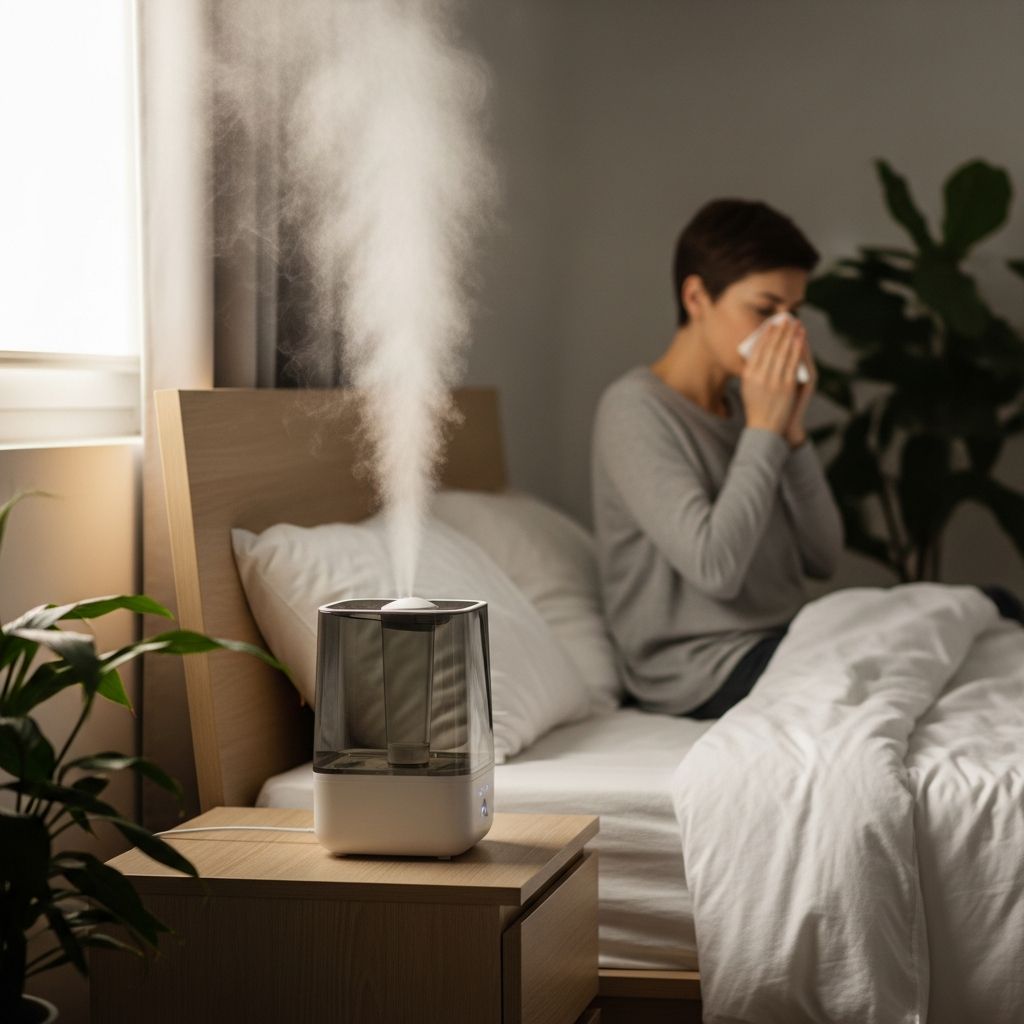
Humidifiers add moisture to dry indoor air, potentially easing allergy symptoms like nasal congestion, irritated throat, and dry eyes by soothing mucous membranes and helping clear irritants. However, they require proper use and maintenance to avoid worsening allergies through mold or dust mite growth, with ideal indoor humidity maintained at 30-50%.
What Is a Humidifier—and How Can It Help with Allergies?
Humidifiers are appliances that release water vapor or steam into the air to raise humidity levels, countering the dryness often exacerbated by heating systems in winter or arid climates. For allergy sufferers, particularly those with allergic rhinitis, dry air irritates nasal passages, causing inflammation, congestion, and discomfort. Adding humidity moistens these tissues, reduces swelling, thins mucus for easier drainage, and facilitates removal of allergens like pollen or dust.
Low humidity dries out the nose and throat, worsening symptoms such as itchy eyes, sinus headaches, and coughs. Higher, balanced humidity provides relief without promoting allergens. Studies and expert recommendations indicate this can improve breathing and sleep quality for those with allergies or asthma flare-ups triggered by dryness.
Do Humidifiers Help or Hurt Allergies?
Humidifiers help allergies when used correctly by alleviating dryness-related irritation but can harm if humidity exceeds safe levels or maintenance is neglected. Benefits include soothed airways and reduced inflammation; risks involve fostering dust mites (thriving at 70-80% humidity) and mold, common allergens.
- Helps by: Moisturizing nasal mucosa to ease congestion and irritation.
- Hurts if: Overly humid environments promote dust mites, mold, and bacteria growth, triggering or intensifying symptoms.
The American Academy of Allergy, Asthma & Immunology (AAAAI) notes that while moisture soothes sinuses, improper humidifier use can introduce dust and mold, outweighing benefits for indoor allergy patients. Mayo Clinic advises consulting a provider for those with asthma or allergies due to these dual effects.
How Does Humidity Affect Allergies?
Humidity influences allergy triggers in contrasting ways: low levels dry airways, intensifying irritation, while high levels encourage allergen proliferation. Optimal balance prevents both extremes.
| Humidity Level | Effects on Allergies | Sources |
|---|---|---|
| Below 30% | Dry skin, throat, eyes; worsened congestion and coughs. | |
| 30-50% | Ideal: Soothes tissues without mite/mold growth. | |
| Above 50-60% | Promotes dust mites, mold; stuffiness, breathing issues. |
Dust mites require 70%+ humidity to thrive, per environmental data, while mold spores multiply in damp conditions. Use a hygrometer to monitor levels precisely.
Best Types of Humidifiers for Allergies
Not all humidifiers suit allergy relief equally; cool-mist and steam vapor types predominate for safety and allergen control.
- Cool Mist (Ultrasonic or Evaporative): Releases room-temperature mist; evaporative versions use filters to trap minerals and allergens. Air washer variants purify air by removing bacteria, viruses, pollen via rotating discs.
- Steam Vapor: Boils water to kill bacteria/mold before dispersing steam; less risk of airborne contaminants but hot surface hazard.
Related Stories



Avoid warm-mist impeller models if children are present due to burn risks. For allergies, steam or filtered cool-mist offers superior hygiene. Healthline recommends air washers for dual humidifying and filtering benefits.
What Is the Best Humidity Level for Allergies?
The EPA recommends 30-50% indoor relative humidity to relieve allergy symptoms while inhibiting dust mites and mold. AAAAI suggests 40-50%; exceed 50% and mite populations surge.
Measure with a hygrometer; adjust humidifier output accordingly. In bedrooms, aim lower to prevent overnight allergen buildup.
How to Use a Humidifier for Allergies
- Select an appropriately sized unit for room square footage.
- Fill with distilled water to minimize mineral dust.
- Place on elevated, waterproof surface away from furniture.
- Run during peak symptom times, like night.
- Monitor humidity; shut off at 50%.
For asthma/allergies, central humidifiers integrated with HVAC provide whole-home coverage but demand professional maintenance.
Humidifier Cleaning and Maintenance for Allergy Safety
Dirty humidifiers breed bacteria, mold, and minerals that aerosolize, potentially causing flu-like illness or allergy flares—even in healthy individuals.
- Daily: Empty, rinse tank; air dry.
- Weekly: Disinfect with 3% hydrogen peroxide or white vinegar; clean base, filters.
- Replace filters per manufacturer (more if dirty); use demineralized water.
- Keep surrounding area dry to avoid condensation.
Mayo Clinic emphasizes evaporators/steam models release fewer allergens than cool-mist if cleaned. Neglect risks ‘humidifier lung’ from bacterial dispersion.
Who Shouldn’t Use a Humidifier for Allergies?
Avoid or use cautiously if allergic to dust mites/mold, as humidity fosters them. Those with asthma should consult doctors; cool-mist may soothe colds but dirty units worsen symptoms.
High-humidity regions may not need them; discontinue if symptoms worsen.
Alternatives to Humidifiers for Allergy Relief
- Nasal saline rinses to moisten passages.
- Air purifiers with HEPA filters for allergen capture.
- Steam inhalation or showers.
- Hydration and vapor rubs.
- Antihistamines/decongestants per physician.
Frequently Asked Questions (FAQs)
Do humidifiers help with allergies?
Yes, by adding moisture to soothe irritated airways and thin mucus, but only if kept clean and humidity stays 30-50%.
Can a dirty humidifier cause allergies?
Yes, it disperses mold, bacteria, causing respiratory issues or flares.
What humidity level is best for allergies?
30-50% prevents dryness and allergen growth.
Are cool-mist or warm-mist humidifiers better for allergies?
Steam vapor (warm) kills microbes better; filtered cool-mist also effective if maintained.
Can humidifiers worsen asthma?
Yes, if promoting mold/dust mites or unclean; consult a doctor.
References
- How Humidifiers Can Help Allergies — Healthline. 2023. https://www.healthline.com/health/allergies/humidity-humidifiers
- Humidifiers: Ease skin, breathing symptoms — Mayo Clinic. 2024-01-15. https://www.mayoclinic.org/diseases-conditions/common-cold/in-depth/humidifiers/art-20048021
- 5 humidifier uses: Benefits and risks — Medical News Today. 2023-05-10. https://www.medicalnewstoday.com/articles/322228
- Humidifiers and Indoor Allergies — AAAAI. 2024. https://www.aaaai.org/tools-for-the-public/conditions-library/allergies/humidifiers-and-indoor-allergies
- Can Humidifiers Help with Your Allergies? — Willamette ENT. 2023-10-20. https://entsalem.com/can-humidifiers-help-with-your-allergies/
Similar Articles








Read full bio of Sneha Tete