Does Alcohol Cause Inflammation: What You Need To Know
Uncover how alcohol triggers inflammation in the body, from gut damage to chronic disease risks, and learn moderation strategies.

Alcohol consumption, even in moderation, can trigger inflammatory responses throughout the body by generating reactive oxygen species (ROS) and disrupting gut barriers, leading to systemic effects that contribute to chronic diseases.
What Is Inflammation?
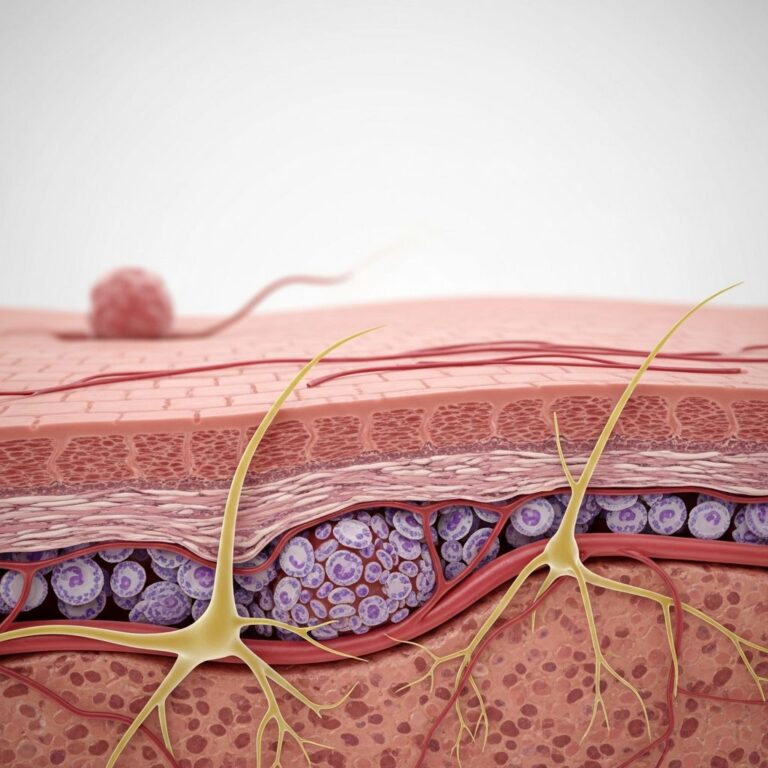
Inflammation is the body’s natural defense mechanism against injury or infection, involving immune cells releasing cytokines and other mediators to promote healing. Acute inflammation resolves quickly, but chronic inflammation—driven by persistent triggers like alcohol—damages tissues over time, contributing to conditions such as arthritis, heart disease, and cancer.
Key markers of inflammation include C-reactive protein (CRP), interleukin-6 (IL-6), and tumor necrosis factor-alpha (TNF-α). When alcohol is metabolized, it elevates these markers, shifting the body from protective to harmful inflammation.
Does Alcohol Cause Inflammation?
Yes, alcohol directly causes inflammation through its breakdown into toxic byproducts like acetaldehyde and acetate, which produce free radicals via enzymes such as alcohol dehydrogenase (ADH), cytochrome P450 2E1 (CYP2E1), and the microsomal ethanol-oxidizing system (MEOS).
Even small amounts activate inflammatory pathways, but exceeding moderate limits—defined by the CDC as up to 1 drink per day for women and 2 for men—amplifies ROS production, overwhelming antioxidants and causing cellular damage.
- Metabolic Pathway: Ethanol → Acetaldehyde (toxic, forms adducts with proteins/DNA) → Acetate, generating ROS.
- Systemic Spread: Inflammation starts in the liver and gut but spreads via bloodstream endotoxins like lipopolysaccharide (LPS).
How Does Alcohol Cause Inflammation?
Alcohol induces inflammation via oxidative stress, gut dysbiosis, and immune activation. During metabolism, ADH and CYP2E1 generate ROS, damaging lipids, proteins, and DNA while suppressing sirtuin 1 (SIRT1), a key regulator of inflammation.
In the gut, alcohol disrupts tight junctions (claudins, occludins), causing ‘leaky gut’ and allowing bacterial LPS to enter circulation, activating the NLRP3 inflammasome and releasing pro-inflammatory IL-1β.
Mitochondrial dysfunction from ROS further exacerbates this, impairing energy production and promoting cytokine storms in organs like the liver.
How Alcohol Affects Inflammatory Markers
Alcohol elevates CRP, fibrinogen, and adhesion molecules. Studies show heavy drinkers have 21% higher CRP than moderate drinkers or abstainers.
| Marker | Effect of Alcohol | Source |
|---|---|---|
| C-Reactive Protein (CRP) | Increased by 20-30% in heavy use; lowered in moderation | |
| IL-6 & TNF-α | Elevated via NLRP3 activation | |
| Fibrinogen | Higher in excess intake |
Moderate intake may transiently lower CRP via HDL boosts, but this benefit is outweighed by risks in heavier use.
Alcohol’s Effects on the Body
Liver Inflammation
The liver, primary alcohol metabolism site, suffers most. ROS and acetaldehyde trigger steatosis, hepatitis, and cirrhosis via Kupffer cell activation and IL-1β release.
Gut and Leaky Gut Syndrome
Alcohol kills beneficial bacteria, reduces short-chain fatty acids (SCFAs) like butyrate, and weakens the epithelial barrier, leading to endotoxemia. Binge drinking rapidly disrupts this, per Harvard research.
Brain and Neuroinflammation
Acetaldehyde crosses the blood-brain barrier, causing microglial activation and cognitive decline akin to Alzheimer’s inflammation.
Heart and Cardiovascular System
Chronic inflammation promotes atherosclerosis; endotoxins from gut damage endothelial function.
Immune System Impairment
Heavy use suppresses immunity, increasing infection risk, while inflammation weakens defenses.
Related Stories



Does the Type of Alcohol Matter?
Higher ethanol content (e.g., spirits >15% ABV) causes more inflammation than lower (beer/wine ~5-12%) due to greater acetaldehyde production.
Red wine’s polyphenols offer minor anti-inflammatory effects, but alcohol dominates; no type is inflammation-free.
- Beer: Lower ABV, but volume often higher.
- Wine: Polyphenols may mitigate slightly.
- Spirits: Highest risk per volume.
Alcohol and Chronic Inflammation-Related Diseases
Persistent inflammation links alcohol to:
- Arthritis: Worsens joint inflammation.
- Heart Disease: Elevates CRP, plaque buildup.
- Cancer: DNA damage from ROS.
- Diabetes: Impairs insulin sensitivity.
- IBD: Exacerbates gut flares.
Can Moderate Drinking Reduce Inflammation?
Some studies show moderate intake lowers CRP vs. abstainers/heavy drinkers, possibly via adiponectin and HDL. However, causality is unclear—’sick quitters’ may skew abstainer data. Recent evidence favors abstinence for inflammation control.
Benefits of Cutting Back on Alcohol
Reducing intake lowers inflammation rapidly: liver recovery in 2 weeks, reduced CRP in months. Long-term, it cuts chronic disease risk and boosts immunity.
- Week 1-2: Gut barrier strengthens.
- Month 1+: Systemic markers drop.
- Year+: Organ repair advances.
Alternatives to Alcohol That Don’t Cause Inflammation
Opt for:
- Non-alcoholic beers/wines (0.5% ABV or less).
- Herbal teas (chamomile, ginger—anti-inflammatory).
- Sparkling water with fruit.
- Kombucha (low-alcohol, probiotic benefits).
How to Enjoy Alcohol Responsibly
- Stick to CDC moderation limits.
- Hydrate between drinks.
- Eat antioxidant-rich foods (berries, greens).
- Alternate with water.
- Monitor intake via apps.
Frequently Asked Questions (FAQs)
Does alcohol cause inflammation immediately?
Yes, even single sessions produce ROS and gut permeability changes.
Is red wine less inflammatory?
Polyphenols help slightly, but ethanol effects prevail.
How long to reverse alcohol inflammation?
Liver improvements in 2 weeks; full recovery varies by damage.
Does beer cause less inflammation than liquor?
Lower ABV means less per drink, but total volume matters.
Can alcohol worsen autoimmune diseases?
Yes, it amplifies flares in IBD, allergies.
Is any alcohol anti-inflammatory?
Moderate amounts may lower CRP temporarily, but risks outweigh.
References
- Excessive alcohol consumption: a driver of metabolic dysfunction and inflammation — Frontiers in Toxicology. 2025. https://www.frontiersin.org/journals/toxicology/articles/10.3389/ftox.2025.1670769/full
- How Alcohol Causes Inflammation — GoodRx. 2023-10-10. https://www.goodrx.com/health-topic/alcohol/inflammation
- Does a bit of alcohol turn off inflammation and improve health? — Age and Ageing, Oxford Academic. 2016-11-01. https://academic.oup.com/ageing/article/45/6/747/2499235
- Alcohol’s Effects on the Body — National Institute on Alcohol Abuse and Alcoholism (NIAAA), NIH. 2023. https://www.niaaa.nih.gov/alcohols-effects-health/alcohols-effects-body
- Binge drinking triggers gut damage, finds new study — Harvard Gazette. 2026-01. https://news.harvard.edu/gazette/story/2026/01/binge-drinking-triggers-gut-damage-finds-new-study/
Similar Articles








Read full bio of medha deb