Does Alcohol Make You Gain Weight? 5 Strategies To Prevent It
Uncover how alcohol impacts your waistline: from empty calories and appetite changes to surprising research on moderate drinking.

Alcohol consumption adds significant calories to your diet—often called “empty calories” because they provide energy without substantial nutrients—and can influence weight through multiple pathways, including metabolism disruption, increased appetite, and poor food choices, though moderate intake shows mixed effects in long-term studies.
How Many Calories Are in Alcohol?
Alcohol itself contains about
7 calories per gram
, nearly as energy-dense as fat (9 calories per gram) but more than carbohydrates or protein (4 calories each). A standard drink—defined as 12 oz beer (5% ABV), 5 oz wine (12% ABV), or 1.5 oz spirits (40% ABV)—delivers roughly100-150 calories
from the alcohol alone, excluding mixers.- **Light beer (12 oz)**: 100 calories
- **Regular beer (12 oz)**: 150 calories
- **Wine (5 oz)**: 125 calories
- **Spirits (1.5 oz, straight)**: 97 calories
- **Cocktails with mixers**: 200-400+ calories (e.g., margarita ~250, piña colada ~500)
Mixers like soda, juice, or tonic amplify totals; sugary options can double or triple calories. Regular consumption without adjustment elsewhere contributes to positive energy balance and fat storage.
Why Does Alcohol Contribute to Weight Gain?
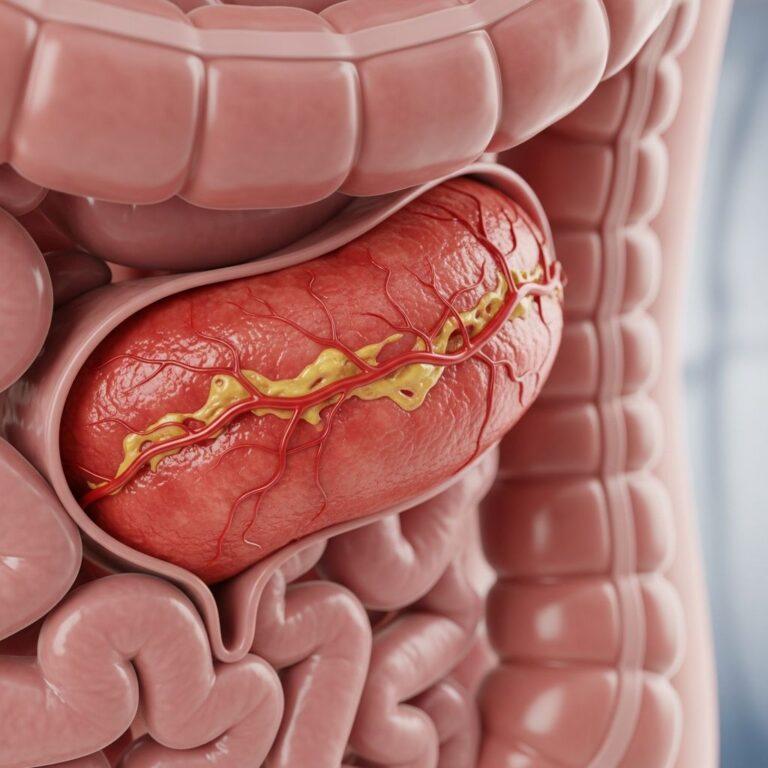
Beyond direct calories, alcohol affects weight via metabolic prioritization and behavioral changes. The body treats ethanol as a toxin, pausing fat oxidation to metabolize it first, leading to fat storage from other foods consumed simultaneously.
Alcohol stimulates appetite and lowers inhibitions, often resulting in high-calorie food intake—studies show drinkers consume ~250 extra calories daily from snacks. It also disrupts sleep and hormones like leptin (satiety) and ghrelin (hunger), promoting overeating.
Metabolism Effects
Alcohol metabolism produces acetate, used preferentially for energy, inhibiting fat breakdown. Chronic intake may elevate
de novo lipogenesis
(fat creation from carbs) and induce insulin resistance, favoring abdominal fat accumulation—a risk for metabolic syndrome.Appetite and Food Choices
Drinkers favor salty, fatty foods (e.g., pizza, fries). Heavy episodic drinking correlates with obesity, as it pairs high calories with poor decisions.
Research on Alcohol and Weight Gain
Studies yield mixed results: heavy drinking promotes gain, but light-to-moderate may not, or even inversely associate with BMI in some cohorts.
| Study/Source | Key Finding | Population/Details |
|---|---|---|
| JAMA Internal Medicine (2004) | Light-moderate drinkers (up to 30g/day) gained less weight (1.55kg over 12.9y) vs. abstainers (3.63kg); lower obesity risk (RR 0.29 for highest intake). | 19,220 normal-weight women, long-term follow-up. |
| National Academies (2024) | Inverse dose-response in women; moderate intake linked to less adiposity gain. Men: mixed, potential waist increase. | Multiple cohorts; sex differences noted. |
| PMC Study (2020) | No association between patterns/calories and short-term weight/waist changes after covariates. | Prospective, controlled for energy balance. |
| IAS Review (2021) | Short-term: +250 cal/day; long-term experimental: no weight difference. Observational: mixed, binge linked to obesity. | Reviews dozens of studies. |
Explanations for inverse findings: drinkers often exercise more, smoke (appetite suppressant), or eat less overall (alcohol displaces food calories). Associations hold post-adjustment, suggesting independent effects.
Does the Type of Alcohol Matter?
**Beer** (higher carbs) may promote more gain than
wine/spirits
in some data, but differences are minor vs. total intake/habits. Low-carb options (dry wine, spirits with soda water) minimize calories. Bingeing any type risks gain more than moderate sipping.Moderate Drinking vs. Abstaining: What the Science Says
U.S. guidelines: ≤1 drink/day women, ≤2 men. Moderate levels link to less gain in women, possibly due to efficiency or lifestyle. Exceeding promotes gain; zero may yield more gain if abstainers compensate calorically.
Related Stories



Does Alcohol Make You Gain Belly Fat?
Yes, preferentially: “beer belly” stems from cortisol elevation, central fat deposition, and liver fat (steatosis). Men show waist increases with rising intake; women accumulate visceral fat, raising CVD risk.
Can You Drink Alcohol and Still Lose Weight?
Possible with strategies:
- Track total calories; treat drinks as food.
- Opt low-cal: vodka soda, light beer, dry wine.
- Hydrate; eat protein/fiber first to curb appetite.
- Limit to 1-2/week; alternate with water.
- Exercise post-drink to boost metabolism.
Net deficit remains key; alcohol fits if balanced.
Frequently Asked Questions (FAQs)
What’s considered one standard drink?
A: 12 oz 5% beer, 5 oz 12% wine, 1.5 oz 80-proof spirits (~14g alcohol).
Is red wine better for weight loss?
A: Similar calories to white; resveratrol benefits unproven for weight. Moderation matters more.
Does alcohol bloat you or cause real fat gain?
A: Short-term water retention/bloat; chronic = fat via calories/metabolism.
Do light drinkers really gain less weight?
A: Per studies, yes in women—less gain, lower obesity risk vs. nondrinkers.
How much weight from weekend drinking?
A: 4 drinks = ~500 cal; weekly without offset = ~0.15kg fat/month.
Is quitting alcohol best for weight loss?
A: Often yes for heavy drinkers; light-moderate may not hinder.
References
- Alcohol Consumption, Weight Gain, and Risk of Becoming Overweight and Obese: 20-Year Follow-up of Healthy Nonsmoking Women of Normal Weight — JAMA Internal Medicine. 2004-06-28. https://jamanetwork.com/journals/jamainternalmedicine/fullarticle/415737
- Weight Change Related to Alcohol Intake — National Academies Press. 2024. https://www.nationalacademies.org/read/28582/chapter/6
- A prospective study of alcohol use patterns and short-term weight gain — PMC / Annals of Epidemiology. 2020. https://pmc.ncbi.nlm.nih.gov/articles/PMC7286110/
- Does a tipple topple the scales? The science on alcohol and body weight — Institute of Alcohol Studies. 2021-11-10. https://www.ias.org.uk/2021/11/10/does-a-tipple-topple-the-scales-the-science-on-alcohol-and-body-weight/
- FAQs about Alcohol Consumption and Weight Gain — Renaissance School of Medicine at Stony Brook University. 2024. https://renaissance.stonybrookmedicine.edu/surgery/blog/faqs-about-alcohol-consumption-and-weight-gain
- Alcohol and weight gain — Better Health Channel (Vic.gov.au). Accessed 2026. https://www.betterhealth.vic.gov.au/health/healthyliving/Alcohol-and-weight-gain
- Alcohol use: Weighing risks and benefits — Mayo Clinic. 2023-11-01. https://www.mayoclinic.org/healthy-lifestyle/nutrition-and-healthy-eating/in-depth/alcohol/art-20044551
Similar Articles








Read full bio of Sneha Tete