Does Breastfeeding Prevent Postnatal Depression?
Exploring the evidence on whether breastfeeding reduces the risk of postnatal depression for new mothers.
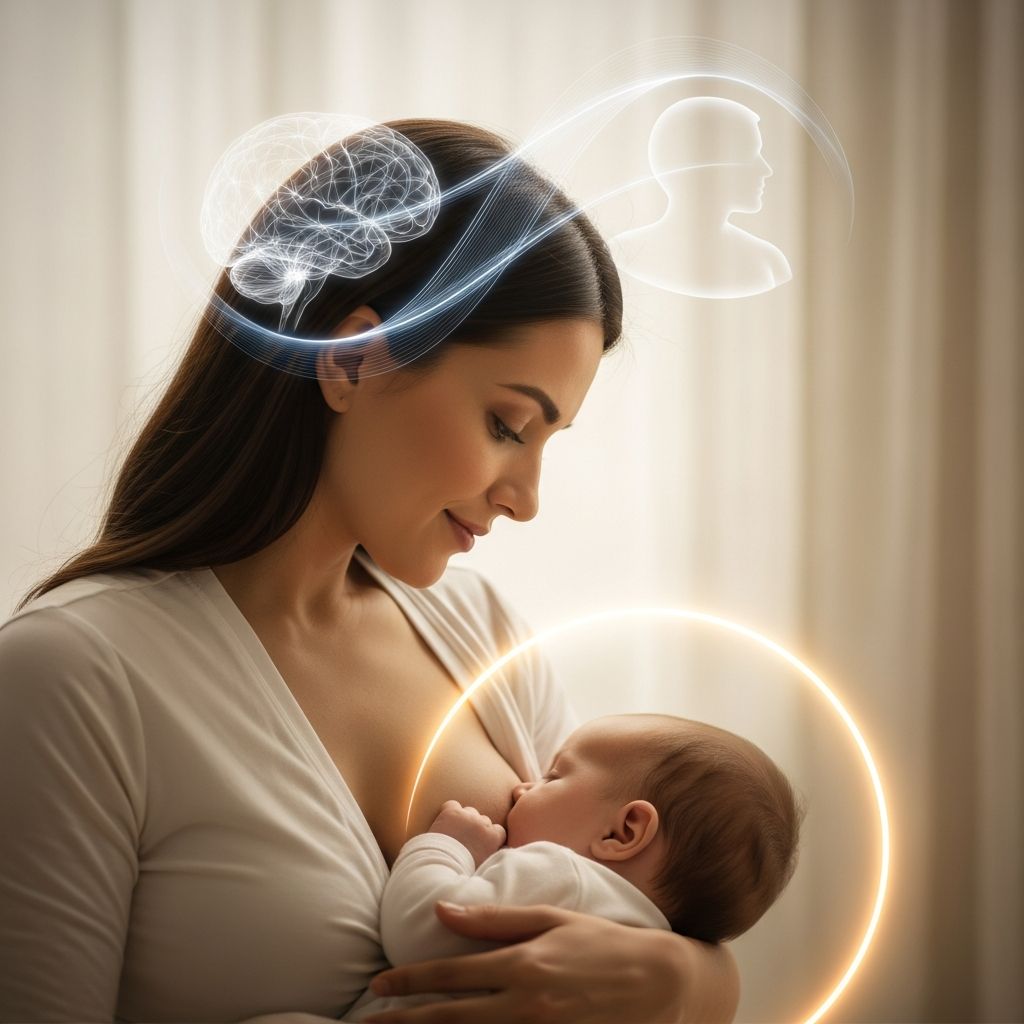
Postnatal depression (PND), also known as postpartum depression, affects approximately 10-15% of new mothers, characterized by persistent sadness, anxiety, and loss of interest in activities following childbirth. Emerging research suggests that
breastfeeding may significantly lower the risk of PND
, with studies showing reductions of up to 50% in depressive symptoms among breastfeeding mothers compared to those who do not breastfeed. This protective association holds even after accounting for pre-existing mental health conditions, socioeconomic factors, and delivery complications.While breastfeeding offers well-documented benefits for infant health, such as improved immunity and cognitive development, its impact on maternal mental health is equally compelling. Large-scale longitudinal studies indicate that mothers who plan and successfully breastfeed experience fewer depressive episodes, potentially due to hormonal changes, stress reduction, and enhanced mother-infant bonding. However, challenges like breastfeeding difficulties can increase depression risk if support is lacking. This article delves into the evidence, mechanisms, risk factors, and practical recommendations.
What is Postnatal Depression?
Postnatal depression is a serious mood disorder that typically emerges within the first year after birth, though most cases appear in the first few weeks. Symptoms include low mood, excessive crying, irritability, sleep disturbances, appetite changes, feelings of guilt or worthlessness, and difficulty bonding with the baby. Unlike the ‘baby blues,’ which resolve within two weeks and affect up to 80% of mothers due to hormonal shifts, PND lasts longer and requires intervention.
Risk factors encompass prenatal depression (affecting 1 in 12 women), history of mental health issues, stressful life events, lack of social support, and infant feeding challenges. In the UK, PND impacts about 1 in 8 mothers post-birth, with global rates varying from 6-13% in high-income countries. Untreated PND can impair mother-child interactions, leading to developmental delays in children and strained family dynamics.
Evidence Linking Breastfeeding to Lower PND Risk
A landmark study of over 10,000 UK mothers from the Avon Longitudinal Survey of Parents and Children (ALSPAC) found that women who planned to breastfeed and did so were
around 50% less likely to develop PND
than those who neither planned nor breastfed. Conversely, mothers who intended to breastfeed but could not were over twice as likely to experience depression, highlighting the psychological impact of unmet expectations. Depression was assessed using the Edinburgh Postnatal Depression Scale (EPDS) at multiple points: during pregnancy, 8 weeks postpartum, and up to 33 months.This research controlled for confounders like prior mental health, income, relationship status, delivery method, and prematurity, strengthening its validity. Similarly, a comprehensive review in Advances in Nursing and Midwifery analyzed bidirectional links: while PND can hinder breastfeeding initiation,
not breastfeeding elevates PND risk
, with breastfeeding mothers showing symptom alleviation over time. For instance, breastfeeding duration correlated with decreased EPDS scores from birth to 3 months postpartum.Mechanisms: How Breastfeeding Protects Maternal Mental Health
Several biological and psychological pathways explain breastfeeding’s protective role. During breastfeeding,
oxytocin release promotes relaxation and reduces stress
, countering cortisol spikes common in new motherhood. Prolactin, another hormone, fosters nurturing behaviors and mood stabilization. Acute effects include improved mood post-feeding: breastfeeding mothers report less negativity, unlike formula-feeding mothers who experience positive mood dips.Related Stories



Enhanced mother-infant interaction is key—breastfeeding encourages skin-to-skin contact, eye gaze, and responsive touching, which buffers against depression even in at-risk groups like sexual assault survivors. Long-term, frequent breastfeeding at 3 months predicted declining depressive symptoms up to 2 years postpartum. Prenatal depressive symptoms predict shorter breastfeeding duration, creating a feedback loop where support is crucial.
Dose-Response Effect: More Breastfeeding, Less Depression
Research supports a
dose-response relationship
: exclusive breastfeeding yields the strongest protection. A study of women 8-12 weeks postpartum showed exclusively breastfeeding mothers had the lowest depressive scores, outperforming partial breastfeeders. At 6 months, exclusive breastfeeding outperformed partial or none, even after adjusting for prenatal anxiety.- Exclusive breastfeeding: Lowest EPDS scores; inverse link with PND as early as 1 week postpartum.
- Partial breastfeeding: Moderate protection, better than formula-only.
- Formula-only: Highest depression risk, linked to stable or worsening symptoms.
These findings persisted across high-risk groups, suggesting breastfeeding intensity matters for mental health resilience.
Challenges: When Breastfeeding Increases PND Risk
Not all experiences are positive. Early negative breastfeeding encounters—such as latch issues, pain, or low milk supply—can heighten PND vulnerability. Mothers who plan to breastfeed but fail due to insufficient support face elevated depression (over 2x risk). UK breastfeeding rates drop sharply: 73% initiate, but only 47% continue to 6-8 weeks. Factors include inadequate hospital support, returning to work, and societal stigma.
Prenatal depression does not predict initiation failure, but postnatal barriers do. Complications in mother-infant dynamics, like excessive stimulation during feeds, may exacerbate issues, though breastfeeding generally improves interactions.
Interventions: Supporting Breastfeeding to Prevent PND
**Psychosocial breastfeeding support interventions show promise in preventing PND**. A Cochrane review of 10 trials (1,573 mothers) found low-certainty evidence that such supports reduce short-term PND incidence (RR 0.37 at 1-3 months) and boost long-term breastfeeding duration. Interventions included counseling, peer support, and education targeting depression risk.
| Intervention Type | Effect on PND | Effect on Breastfeeding | Evidence Certainty |
|---|---|---|---|
| Psychosocial support (e.g., counseling) | May prevent cases short-term (RR 0.37) | Increases duration at 7-12 months | Low |
| Alternative interventions | Very uncertain | Very uncertain | Very low |
Health authorities should prioritize accessible lactation consultants, community groups, and policy changes like paid maternity leave. Antidepressants are often safe during breastfeeding, per CDC guidelines, allowing dual management.
Practical Tips for New Mothers
To harness breastfeeding’s benefits:
- Seek prenatal breastfeeding education and set realistic expectations.
- Build a support network: partners, family, or La Leche League.
- Address issues early with certified consultants; persist beyond initial pain.
- Monitor mood with EPDS; consult GPs if scores exceed 13.
- Combine with self-care: rest, nutrition, and light exercise.
Encouraging initiation and continuation could avert PND cases, benefiting families holistically.
Frequently Asked Questions (FAQs)
Does breastfeeding guarantee no postnatal depression?
No, but evidence shows it halves the risk for planners who succeed.
Can I take antidepressants while breastfeeding?
Yes, many are safe with low transfer to milk; consult healthcare providers.
What if I can’t breastfeed?
Formula is nutritionally complete; focus on bonding and seek mental health support to mitigate risks.
How long should I breastfeed for mental health benefits?
Exclusive for 6 months yields strongest effects; any duration helps.
Is support effective?
Psychosocial interventions may prevent PND short-term and extend breastfeeding.
References
- Breastfeeding linked to lower risk of postnatal depression — University of Cambridge. 2014-06-24. https://www.cam.ac.uk/research/news/breastfeeding-linked-to-lower-risk-of-postnatal-depression
- Breastfeeding and Postpartum Depression: An Overview and Critical Review — National Library of Medicine (PMC). 2016-04-21. https://pmc.ncbi.nlm.nih.gov/articles/PMC4842365/
- Can breastfeeding support interventions that target depression prevent the development of depression after childbirth? — Cochrane Library. 2024-05-29. https://www.cochrane.org/evidence/CD014833_can-breastfeeding-support-interventions-target-depression-prevent-development-depression-after
- Postpartum Depression — Centers for Disease Control and Prevention (CDC). 2023-08-15. https://www.cdc.gov/breastfeeding-special-circumstances/hcp/illnesses-conditions/postpartum-depression.html
Similar Articles








Read full bio of Sneha Tete