Does CBD Oil Really Work? Evidence and Effectiveness
Exploring the scientific evidence behind CBD oil's effectiveness for mental health and medical conditions.
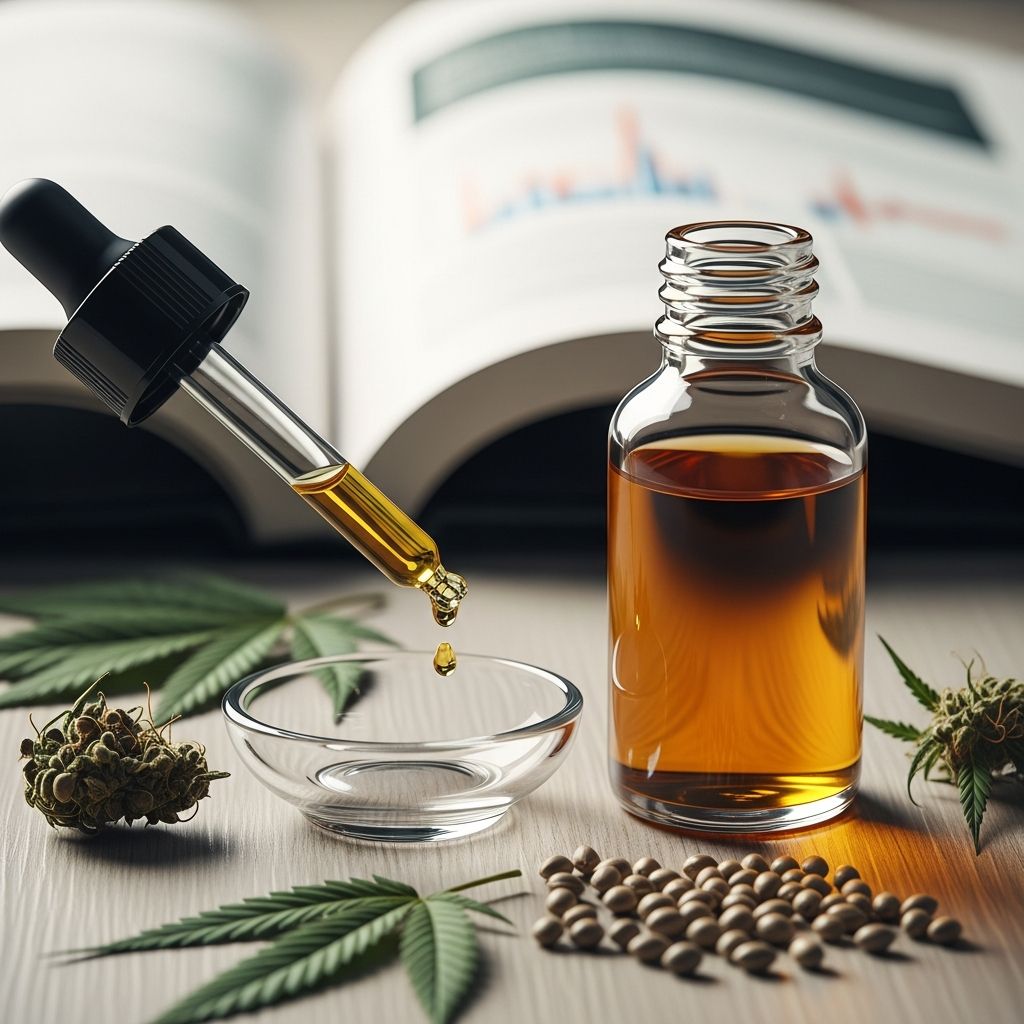
Does CBD Oil Really Work?
Cannabidiol, commonly known as CBD, has become increasingly popular as a natural remedy for various health conditions. Unlike tetrahydrocannabinol (THC), the psychoactive compound in cannabis, CBD does not produce a “high” or alter mental state. Instead, it is claimed to have therapeutic properties that may help reduce pain, anxiety, and other mental health symptoms. But does the scientific evidence support these claims? This article examines what research tells us about CBD oil’s effectiveness.
What is CBD?
CBD is a naturally occurring cannabinoid extracted from the cannabis plant. It works by interacting with receptors in the brain and body, but unlike THC, it does not produce psychoactive effects. The compound has been studied for its potential therapeutic applications across multiple conditions, from anxiety disorders to epilepsy. In 2018, the U.S. Food and Drug Administration (FDA) approved CBD under the brand name Epidiolex to treat two rare forms of childhood epilepsy: Dravet syndrome and Lennox-Gastaut syndrome. This marked the first major regulatory approval of a CBD product for medical use.
CBD and Anxiety Disorders
Anxiety is one of the most commonly cited reasons people use CBD. Animal studies have demonstrated promising results, showing that CBD administration decreases neurons associated with fear and reduces anxiety-related behaviors when administered directly to brain regions involved in anxiety processing, such as the amygdala. Brain imaging studies in humans have similarly shown decreased amygdala activation following CBD administration.
Several human clinical trials have explored CBD’s effects on anxiety:
- A placebo-controlled study by Crippa and colleagues involving 10 patients showed decreased social anxiety symptoms, though some participants also experienced sedation.
- A study by Bergamaschi of 24 treatment-naive patients found that 600 mg of CBD during a public speaking test reduced anxiety, cognitive impairment, and speech performance discomfort.
- Research by Das and colleagues involving 48 healthy volunteers showed that CBD increased extinction learning, which may help in therapeutic approaches for anxiety disorders.
While these studies suggest potential benefits, it is important to note that many were small in scale and involved treatment-naive participants. Larger, longer-term studies are needed to establish efficacy more definitively.
CBD for Post-Traumatic Stress Disorder (PTSD)
PTSD affects approximately 6.1% of the U.S. population at some point in their lifetime. Traditional treatments typically include antidepressants and medications like Prazosin for managing nightmares. Case-control studies have reported that CBD may be beneficial for nightmare symptoms associated with PTSD.
In a small open-labeled study of 11 PTSD patients, oral CBD was administered and symptoms were evaluated for up to 8 weeks using the PCL-5 assessment tool. The results were encouraging: 91% of patients reported a decrease in nightmare symptoms, and none reported experiencing side effects. However, the small sample size and lack of a control group limit the strength of these findings. Additional research with larger sample sizes and longer follow-up periods is necessary to confirm these preliminary results.
CBD and Depression
CBD is theorized to have antidepressant potential through multiple mechanisms. The compound can influence the cerebral neurotransmission of serotonin and norepinephrine, and it binds to serotonin receptors (specifically 5-HT1A receptors). Additionally, CBD stimulates synaptic plasticity and neurogenesis, both of which are involved in depression development and treatment.
However, human evidence remains limited. Only a few case studies of individual patients have been published, describing individuals previously treated with selective serotonin reuptake inhibitors (SSRIs) who switched to CBD-containing products and reported significant improvement in depressive symptoms. Notably, some concerning reports have associated CBD use with increased depression and even suicidal ideation. These findings suggest that while CBD may benefit some individuals, caution is warranted, and more rigorous clinical trials are essential before recommending CBD as a depression treatment.
Related Stories



CBD and Psychotic Disorders
Animal models of schizophrenia have shown that CBD may improve psychotic symptoms. Studies in rodents found that CBD decreased symptoms similar to the antipsychotic medication haloperidol. In mice, CBD was comparable to haloperidol and clozapine in inhibiting hyperlocomotion induced by amphetamines and ketamines.
Human studies, however, are extremely limited. One study examining 600 mg of CBD in schizophrenia patients reported that the medication was well-tolerated and did not worsen mood or increase suicidality. Unfortunately, it was ineffective in treating cognitive impairment and other neuropsychiatric complications of schizophrenia. The scarcity of human data means conclusions cannot yet be drawn about CBD’s efficacy for psychotic disorders.
CBD for Pain Management
Pain relief is another commonly cited use for CBD. Research suggests that CBD reduces pain by as much as 30% after two weeks, but notably, this benefit appears only when CBD is combined with THC. Pure CBD alone has not demonstrated the same level of pain reduction in clinical trials. This distinction is important for consumers considering CBD products, as many available products contain only CBD without THC.
FDA-Approved CBD Products
Currently, Epidiolex is the only CBD product approved by the FDA for medical use. It is indicated specifically for treating Dravet syndrome and Lennox-Gastaut syndrome, two rare and severe forms of childhood epilepsy. This approval was based on clinical trial evidence demonstrating the drug’s safety and efficacy in reducing seizure frequency in pediatric patients. Most other CBD products available over-the-counter lack this level of regulatory scrutiny and scientific validation.
Potential Side Effects of CBD
While CBD is often marketed as a safe, natural alternative, it does carry potential risks and side effects that consumers should understand:
- Drowsiness and Sedation: The most commonly reported side effect, particularly when CBD is combined with alcohol or other central nervous system depressants such as anxiety medications or sleep aids.
- Mood Changes: Some users experience irritability, agitation, or mood swings following CBD use.
- Gastrointestinal Issues: CBD may cause decreased appetite, nausea, or diarrhea.
- Drug Interactions: CBD can interfere with the metabolism of prescription medications, potentially affecting their efficacy or safety.
- Liver Injury: Liver problems have been noted during clinical trials of Epidiolex, suggesting that liver function monitoring may be necessary for some users.
- Fertility Concerns: Some evidence suggests CBD may affect sperm function and male fertility.
- Cognitive Effects: CBD may produce cognitive impairment or psychotic effects in individuals who also use THC-containing products.
Important Considerations Before Using CBD
Several critical factors should be considered before starting CBD:
- Limited Regulation: Most CBD products are not FDA-approved and lack rigorous testing for safety and purity. Many products may not contain the advertised amount of CBD or may contain harmful contaminants.
- Small Clinical Studies: Most human research on CBD involves small sample sizes and relatively short follow-up periods, limiting the ability to draw strong conclusions.
- Quality and Variability: Over-the-counter CBD products vary significantly in quality, concentration, and composition.
- Medical Supervision: CBD should not replace established medical treatments without professional guidance. Anyone considering CBD should consult with their healthcare provider, especially if they take other medications.
- Potential Harms: The Substance Abuse and Mental Health Services Administration (SAMHSA) has documented adverse events and side effects associated with CBD use, including mood changes and decreased alertness.
Current Research Gaps
Despite growing interest in CBD, significant research gaps remain. Most human studies are small, lack proper control groups, or have short follow-up periods. Long-term safety data is limited, and the optimal dosage for various conditions has not been established. Additionally, interactions between CBD and other medications need further investigation. The quality and consistency of CBD products available on the market also present challenges for both researchers and consumers.
Frequently Asked Questions
Q: Is CBD legal?
A: CBD legality varies by jurisdiction. In the United States, CBD derived from hemp containing less than 0.3% THC is federally legal, but state laws differ. Always check your local regulations before purchasing or using CBD products.
Q: Can CBD get you high?
A: No. Unlike THC, CBD does not produce psychoactive effects or a “high.” However, some CBD products may contain small amounts of THC, which could produce psychoactive effects in some individuals.
Q: Is CBD safe for everyone?
A: CBD is not safe for everyone. It can cause side effects, interact with medications, and may be particularly risky for pregnant women, nursing mothers, and individuals with liver disease. Medical consultation is strongly recommended before use.
Q: How long does it take for CBD to work?
A: The timeline varies depending on the condition being treated, the dosage, and the individual. Some studies show effects within two weeks, while others may require longer periods. Consistent use over several weeks may be necessary to assess effectiveness.
Q: Can CBD replace my current medications?
A: No. CBD should not replace prescribed medications without explicit approval from your healthcare provider. Stopping or changing medications without medical guidance can be dangerous. Always discuss CBD use with your doctor before making any changes to your treatment plan.
Q: What is the difference between CBD and hemp oil?
A: Hemp oil (also called hemp seed oil) is extracted from hemp seeds and contains little to no CBD. CBD products are extracted from the flowers, leaves, and stalks of the cannabis plant and contain concentrated cannabidiol. These are distinct products with different compositions.
Q: How should I choose a CBD product?
A: Look for third-party tested products with transparent labeling showing the CBD content. Verify the source, check for certifications, and avoid products making exaggerated health claims. Consult your healthcare provider for personalized recommendations.
Conclusion
While CBD shows promise for certain conditions, particularly anxiety and PTSD, the current scientific evidence remains limited. Most human studies are small and short-term, and larger, well-designed clinical trials are needed to establish efficacy and long-term safety. The only FDA-approved CBD product is Epidiolex for specific epilepsy types, reflecting the limited regulatory approval to date.
CBD is not a cure-all, and it carries potential side effects and drug interactions that should not be overlooked. Anyone considering CBD should consult with their healthcare provider, particularly if they take other medications or have underlying health conditions. While continued research may ultimately reveal beneficial uses for CBD, consumers should approach over-the-counter CBD products with caution and realistic expectations about their effectiveness.
References
- The Impact of Cannabidiol on Psychiatric and Medical Conditions — National Center for Biotechnology Information (NCBI). 2020-07-20. https://pmc.ncbi.nlm.nih.gov/articles/PMC7331870/
- Considering CBD? What you need to know — UCLA Health. 2025-01-01. https://www.uclahealth.org/news/article/considering-cbd-what-you-need-know
- Cannabidiol (CBD) – Potential Harms, Side Effects, and Unknowns — Substance Abuse and Mental Health Services Administration (SAMHSA). 2022-06-04. https://library.samhsa.gov/sites/default/files/pep22-06-04-003.pdf
- Cannabis-based medicinal products — Patient.info. 2024-01-01. https://patient.info/treatment-medication/cannabis-based-medicinal-products-medicinal-marijuana
- Cannabis use and abuse — Patient.info. 2024-01-01. https://patient.info/doctor/mental-health/cannabis-use-and-abuse
- The health problems cannabis could treat in the future — Patient.info. 2024-01-01. https://patient.info/features/general-health/the-health-conditions-cannabis-could-treat
Similar Articles








Read full bio of medha deb