Does Cold Weather Boost Weight Loss: What Science Shows
Explore if winter chills can rev up your metabolism and help shed pounds, backed by science on brown fat and energy burn.
Cold weather may modestly boost calorie burning through mechanisms like brown fat activation and shivering, but it does not consistently lead to significant weight loss on its own. Scientific evidence shows acute cold exposure increases energy expenditure and brown adipose tissue (BAT) activity, offering potential metabolic benefits against obesity.
What is brown fat and how does it work?
Brown adipose tissue (BAT), or brown fat, is a specialized fat that generates heat through non-shivering thermogenesis, burning calories to maintain body temperature in cold conditions. Unlike white fat, which stores energy, BAT is rich in mitochondria packed with uncoupling protein 1 (UCP1), enabling it to dissipate energy as heat rather than ATP.
Acute cold exposure activates BAT by increasing glucose and free fatty acid uptake, enhancing oxygen consumption and blood perfusion in these tissues. Meta-analyses confirm BAT volume and activity rise after short-term cold (1-48 hours), promoting energy metabolism improvements like better insulin sensitivity. In humans, BAT is more active in colder months, with genetic markers suggesting higher calorie burn potential during winter.
Chronic exposure can remodel white adipose tissue (WAT) into beige fat, which shares thermogenic properties with BAT, potentially aiding metabolic health even if body weight changes are inconsistent.
Does cold exposure activate brown fat?
Yes, cold exposure reliably activates BAT. Studies show increased BAT glucose uptake and fatty acid metabolism post-cold, with one meta-analysis reporting elevated energy expenditure (EE) in lean subjects. For instance, PET-CT scans reveal heightened BAT activity after acute cold, outperforming resting states.
- Acute cold (1-48h): Boosts BAT activity, volume, and non-esterified fatty acid (NEFA) intake.
- Intermittent cold exposure (ICE): Induces BAT recruitment, especially in low-BAT individuals; 6 weeks of cold air exposure activated BAT in 50% of non-detectable cases.
- Exercise in cold: Amplifies BAT transformation from white fat, improving insulin sensitivity.
However, responses vary by individual factors like age, sex, and baseline BAT levels. Obese individuals may recruit more BAT with repeated exposure.
Does cold make you burn more calories?
Cold triggers two main calorie-burning processes: shivering and non-shivering thermogenesis. Shivering can increase calorie burn up to five times baseline as muscles contract to generate heat. Non-shivering thermogenesis via BAT burns energy without overt shivering.
Research confirms acute cold elevates EE and NEFA uptake, key for fat metabolism. Exercising in cold enhances this, allowing longer sessions and higher total burn due to better temperature regulation. One study noted genetic upregulation of brown fat markers in winter, implying seasonal calorie burn advantages.
| Mechanism | Calorie Burn Effect | Evidence |
|---|---|---|
| Shivering | Up to 5x baseline | Muscle heat production |
| BAT Thermogenesis | Increased EE post-cold | Meta-analysis of human studies |
| Cold + Exercise | Prolonged workouts | Improved temp regulation |
Related Stories



Yet, real-world weight loss is limited; cold alone rarely reduces body fat significantly without diet or exercise.
Can you lose weight by getting cold?
Not reliably as a standalone method. While acute cold boosts metabolism, chronic or intermittent exposure shows mixed body weight results: some human studies report no change, others modest fat loss. Rodent data varies, but intense ICE (e.g., -20°C) reduced weight gain.
Benefits skew toward metabolic improvements: better glucose tolerance, insulin sensitivity, and reduced waist circumference. Combining cold with exercise or diet holds promise; for example, cold-enhanced workouts burn more via BAT. Behavioral data shows colder weather (<20°C) reduces weight loss efforts like dieting.
- Pros: Metabolic health gains, potential fat browning.
- Cons: Inconsistent weight loss, discomfort, risk of overeating.
Cold showers for weight loss
Cold showers mimic mild cold exposure, potentially activating BAT and boosting NEFA metabolism. Anecdotal claims abound, but evidence is indirect; short cold water immersion increases EE briefly. Winter swimmers show higher fat mass but less visceral WAT, suggesting body composition shifts.
A 30-day routine might include 2-5 min daily at 10-15°C, but primary benefits are hydration-related if replacing caloric drinks. Not a magic bullet—combine with lifestyle changes.
Best ways to get cold exposure
Safe, practical methods leverage science without extremes:
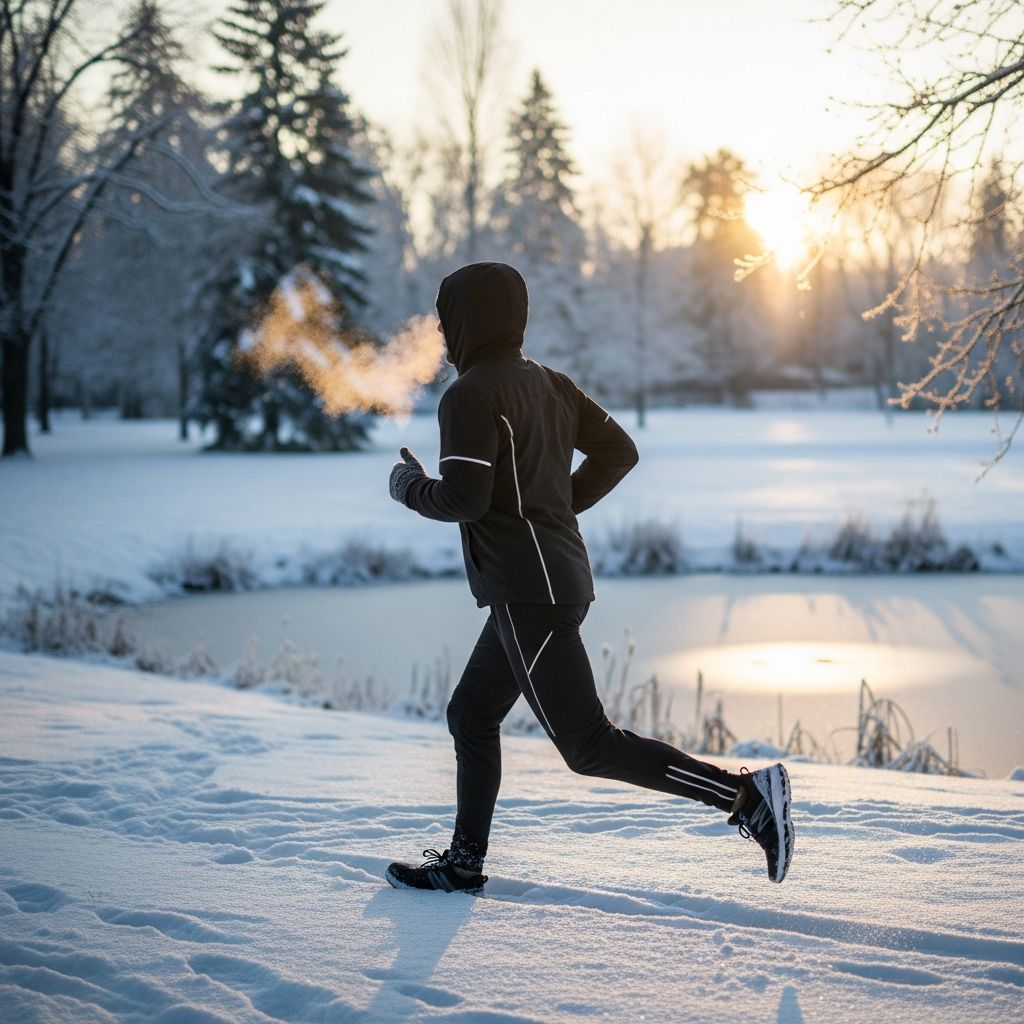
- Outdoor exercise: Walk/run in cold; amplifies BAT and calorie burn.
- Cold showers/ice baths: 1-5 min daily to stimulate thermogenesis.
- Lower thermostat: 15-18°C room temp for ICE; 6 weeks activates BAT.
- Cold vests: Targeted cooling during sedentary time.
- Winter acclimation: Gradual exposure builds BAT recruitment.
Start slow to avoid hypothermia; consult doctors for heart conditions.
Risks of cold exposure
Potential downsides include:
- Hypothermia: Core temp drop below 35°C; monitor in extremes.
- Cold injuries: Frostbite on exposed skin.
- Behavioral rebound: Cold weather curbs exercise/diet motivation.
- Cardiovascular strain: Blood pressure spikes in vulnerable groups.
Acute benefits outweigh risks for healthy adults, but chronic extreme cold may not sustain weight loss.
Does cold weather make you lose weight: the evidence
Meta-evidence supports metabolic perks over direct weight loss. Acute cold: +BAT activity, +EE. ICE: Improves insulin signaling, no consistent BW drop. Seasonal data: Colder temps link to less weight loss behavior, but potential higher burn.
Promising for obesity combat via BAT therapies, especially combined interventions. No large RCTs confirm substantial loss solely from cold.
Conclusion
Cold exposure offers metabolic boosts via BAT and thermogenesis but isn’t a weight loss panacea. Integrate with diet/exercise for best results. Future research may unlock cold-mimicking diets or drugs. Stay warm, stay active.
Frequently Asked Questions (FAQs)
Q: Does acute cold exposure promote weight loss?
A: It boosts energy expenditure and BAT activity, aiding metabolic health, but chronic effects on weight are inconsistent.
Q: Is exercising in cold better for fat loss?
A: Yes, it activates brown fat more and allows longer workouts, burning extra calories.
Q: How much calorie burn from shivering?
A: Up to 5 times baseline, via muscle heat production.
Q: Can cold showers help lose weight?
A: Mildly via thermogenesis, but mainly supports habits; not primary driver.
Q: What’s the safest cold exposure method?
A: Gradual outdoor activity or cooler rooms; avoid extremes.
References
- Effect of Acute Cold Exposure on Energy Metabolism and Activity of Brown Adipose Tissue in Humans: A Systematic Review and Meta-Analysis — Zhang Y et al. 2022-07-08. https://pmc.ncbi.nlm.nih.gov/articles/PMC9273773/
- Is Exercising in Cold Weather a Better Workout? — University Hospitals. 2023-02-01. https://www.uhhospitals.org/blog/articles/2023/02/is-exercising-in-cold-weather-a-better-workout
- Cold Weather Chills Intentions to Lose Weight — UMass Amherst. 2023 (approx). https://www.umass.edu/news/article/cold-weather-chills-intentions-lose-weight
- The Effects of Intermittent Cold Exposure on Adipose Tissue — Barnstable AD et al. 2023-12-20. https://pmc.ncbi.nlm.nih.gov/articles/PMC10778965/
Similar Articles








Read full bio of Sneha Tete