Does Creatine Cause Acne? What Science Really Shows
Discover the truth about creatine and acne: separating scientific facts from fitness myths.
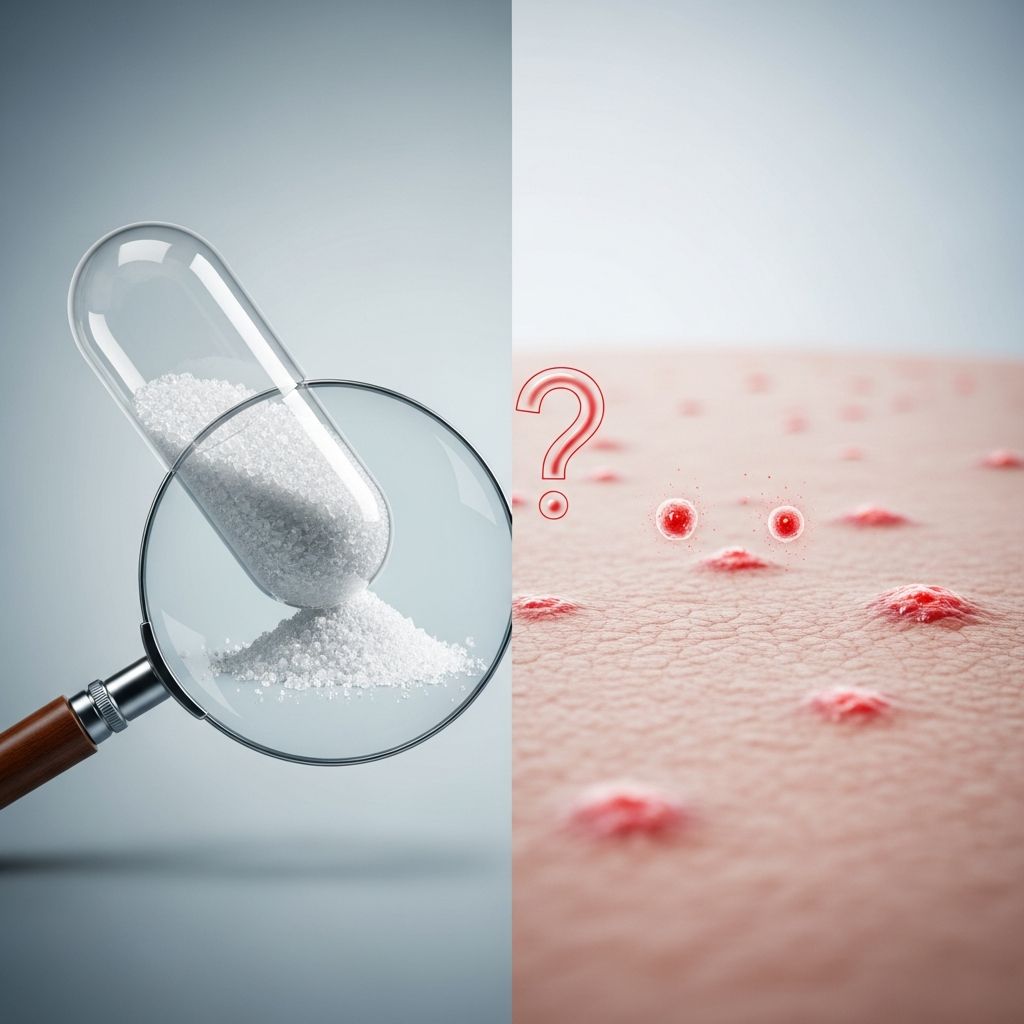
Creatine is one of the most popular and well-researched supplements in the fitness industry, used by millions of athletes and fitness enthusiasts worldwide to enhance muscle growth and athletic performance. However, a persistent concern lingers among potential users: does creatine cause acne? This question has generated considerable discussion in fitness communities, with anecdotal reports creating confusion about the supplement’s safety profile. Understanding the relationship between creatine and acne requires examining both scientific evidence and the various indirect factors that might influence skin health during supplementation.
The Scientific Evidence: Direct Connection
There is no direct scientific evidence establishing a proven connection between creatine supplementation and acne breakouts. Despite widespread anecdotal reports from individuals claiming that creatine caused their acne to worsen, rigorous scientific studies have failed to demonstrate this causal relationship. This distinction between anecdotal experience and scientific evidence is crucial when evaluating supplement safety.
Extensive research has consistently demonstrated that creatine, whether obtained through natural dietary sources or as a supplement, is safe and effective for improving athletic performance in most healthy individuals. In fact, emerging research suggests that topical application of creatine may even possess anti-aging properties, potentially aiding in the delay of visible signs of skin aging. This surprising finding challenges the narrative that creatine is universally harmful to skin health.
Many misconceptions about creatine causing acne stem from confusion between creatine and anabolic steroids. Creatine is an amino acid naturally produced by the body and found in foods like red meat and fish, whereas anabolic steroids are synthetic drugs chemically similar to testosterone. Steroids are known to cause acne, and this confusion between the two substances has perpetuated the myth about creatine’s effects on skin.
Indirect Mechanisms: How Creatine Might Influence Acne
While direct causation remains unproven, researchers have identified several indirect mechanisms through which creatine supplementation might theoretically contribute to acne development in susceptible individuals. Understanding these potential pathways helps users make informed decisions about supplementation.
Hormonal Changes and DHT Levels
One of the most frequently cited hypotheses concerns creatine’s impact on dihydrotestosterone (DHT), a hormone involved in acne development. A notable study involving male college rugby players who took creatine for 21 days showed a significant increase in DHT levels of up to 56 percent. This substantial hormonal shift could theoretically trigger more frequent breakouts in individuals naturally predisposed to hormone-driven acne.
However, it is important to note that critics have pointed out flaws in this study, highlighting the need for more comprehensive research. The single study showing DHT increases is insufficient to establish a definitive causal link between creatine supplementation and acne. Additionally, not all individuals experience acne in response to elevated DHT levels; susceptibility varies significantly based on genetic factors and individual skin chemistry.
Insulin-Like Growth Factor (IGF-1) Elevation
Another theoretical mechanism involves creatine’s potential impact on insulin-like growth factor (IGF-1), which is linked to sebum production and hormonal imbalances that can contribute to acne development. Although creatine does not directly cause acne, it could potentially influence IGF-1 levels, thereby indirectly affecting skin health. Research has similarly associated whey protein with increased IGF-1 levels, raising similar concerns about dietary choices and their influence on skin condition.
Related Stories



Exercise-Related Factors and Sweating
Beyond hormonal considerations, the connection between creatine and acne may actually relate more to lifestyle factors associated with supplementation rather than the supplement itself. The primary benefit of creatine is that it allows users to exercise harder and for longer periods. This enhanced capacity for training naturally leads to increased sweating during workouts.
Enhanced sweating resulting from increased exercise intensity with creatine supplementation might contribute to acne development. Exercise-induced perspiration can cause a buildup of bacteria and dirt on the skin, creating an environment conducive to acne breakouts. This relationship exists independent of creatine itself—any supplement or training protocol that enables longer, more intense workouts could theoretically produce the same effect.
The key distinction is that acne in this scenario would result from poor post-workout hygiene and sweat accumulation rather than from creatine’s direct biochemical effects. This understanding suggests that proper cleansing practices could mitigate this particular risk factor.
Dosage Considerations and Safety
Another important factor in the creatine-acne discussion involves dosage compliance. Research indicates that individuals taking excessive amounts of creatine beyond recommended guidelines experience higher rates of reported acne occurrence. Current scientific guidelines recommend a daily dosage of three to five grams of creatine, approximately 0.1 grams per kilogram of body weight.
Users who exceed these recommended amounts in pursuit of greater muscle gains appear more likely to report acne breakouts. This correlation suggests that following proper supplementation protocols may help minimize potential skin-related side effects. The principle of taking supplements as directed, rather than assuming that more leads to better results, applies directly to creatine safety.
Practical Strategies to Maintain Clear Skin While Using Creatine
For individuals concerned about potential acne while taking creatine, several practical strategies can help maintain skin health:
- Maintain consistent post-workout hygiene: Shower immediately after exercise and change out of sweaty clothes quickly to prevent bacterial buildup on the skin
- Stay adequately hydrated: Proper hydration supports overall skin health and helps flush toxins from the body
- Use non-comedogenic skincare products: Choose skincare items specifically formulated to avoid clogging pores
- Follow recommended dosages: Adhere to the standard 3-5 gram daily dosage rather than taking excessive amounts
- Maintain a balanced diet: Ensure adequate nutrition to support skin health alongside supplementation
- Monitor individual response: Pay attention to your skin’s reaction and discontinue use if you experience adverse effects
Potential Skin Benefits of Creatine
Interestingly, research suggests that creatine may actually provide benefits for skin health in certain contexts. Some evidence indicates that creatine supplementation can help reduce the appearance of sagging skin, minimize wrinkles, and help combat sun damage. These anti-aging properties add another dimension to the creatine and skin health conversation, suggesting that the relationship is more nuanced than simply “does it cause acne?”
The topical application of creatine shows particularly promising results for anti-aging purposes. This emerging research opens possibilities for creatine in skincare formulations, indicating that the compound may have dermatological benefits beyond its well-established role in muscle performance.
Understanding Individual Variability
A critical consideration in the creatine-acne discussion is the significant variability in individual responses to supplementation. While some users report no skin changes whatsoever, others claim to experience breakouts. This individual variation likely reflects differences in genetic predisposition, existing skin conditions, hormonal sensitivity, hygiene practices, and overall lifestyle factors.
Someone with a genetic predisposition to hormone-driven acne may experience more frequent breakouts when taking creatine, while another person with different skin chemistry might see no change. This individual variability makes universal statements about creatine’s effects on acne impossible and highlights the importance of personal monitoring when starting any new supplement.
Distinguishing Creatine from Other Supplements
It is worth noting that different supplements have different relationships with skin health. Whey protein, for example, has also been associated with increased IGF-1 levels and potential acne concerns. However, like creatine, the evidence for whey protein directly causing acne remains inconclusive. Many fitness supplements share theoretical mechanisms for potentially affecting skin health, yet direct scientific evidence remains limited across the board.
This broader context helps place creatine within the larger supplement landscape and suggests that if acne concerns exist, they may relate to multiple factors within a supplement and training regimen rather than to creatine alone.
Frequently Asked Questions
Q: Does creatine cause acne breakouts?
A: No, there is no direct scientific evidence linking creatine supplementation to acne breakouts. However, some individuals report experiencing acne while taking creatine, likely due to indirect factors such as increased sweating from more intense exercise or potential hormonal influences. If you experience breakouts after starting creatine, discontinuing use can help determine if the supplement is the cause.
Q: Can creatine affect hormone levels and contribute to acne?
A: While one study showed that creatine may increase DHT levels by approximately 50 percent in some users, research remains limited and inconclusive. The potential hormonal shift could theoretically affect individuals predisposed to hormone-driven acne, but more comprehensive studies are needed to establish a definitive connection. Following recommended dosages appears to minimize this risk.
Q: Is creatine an anabolic steroid?
A: No, creatine is not an anabolic steroid. Creatine is a naturally occurring amino acid produced by the body and found in foods, while anabolic steroids are synthetic drugs chemically similar to testosterone. This distinction is important because steroids are known to cause acne, and confusion between the two substances has contributed to myths about creatine.
Q: What dosage of creatine is considered safe?
A: Scientific guidelines recommend a daily dosage of 3-5 grams of creatine, or approximately 0.1 grams per kilogram of body weight. Individuals taking excessive amounts beyond these recommendations have reported higher rates of acne occurrence, suggesting that following proper protocols helps minimize potential side effects.
Q: How can I prevent acne while taking creatine?
A: Shower immediately after workouts, change into clean clothes quickly, stay well-hydrated, use non-comedogenic skincare products, follow recommended dosages, and maintain good overall hygiene. These practices address the indirect factors most likely to cause acne during supplementation.
Q: Does creatine have any benefits for skin health?
A: Yes, emerging research suggests that creatine may help reduce the appearance of sagging skin, minimize wrinkles, and combat sun damage. Topical application of creatine shows particularly promising anti-aging properties, indicating that creatine may have dermatological benefits beyond its use for muscle performance.
Conclusion: The Bottom Line
The evidence surrounding creatine and acne demonstrates that no direct, scientifically proven connection exists between creatine supplementation and acne breakouts. While anecdotal reports suggest some individuals experience skin issues while taking creatine, rigorous scientific research has not established causation. The supplement remains widely recognized as one of the safest and most effective supplements for muscle building and athletic performance enhancement.
Any potential relationship between creatine and acne appears to operate through indirect mechanisms such as increased sweating from more intense exercise, potential hormonal fluctuations, or excessive dosing beyond recommended amounts. By maintaining proper hygiene, following recommended dosages, and monitoring individual responses, users can minimize any theoretical risks while benefiting from creatine’s well-established performance-enhancing properties.
As with any supplement, consulting with a healthcare provider before beginning creatine supplementation is advisable. They can help ensure that supplementation is appropriate for your individual health status and circumstances, and can monitor for any adverse effects. The safety profile of creatine, supported by decades of research, indicates that it can be used confidently by most healthy individuals when taken as directed.
References
- Creatine in Health and Disease — Kreider, R. B., et al., Nutrients. February 2021. https://pubmed.ncbi.nlm.nih.gov/33525403/
- Clinical Pharmacology of the Dietary Supplement Creatine Monohydrate — Persky, A. M., et al., Pharmacology Reviews. June 2001. https://pubmed.ncbi.nlm.nih.gov/11372572/
- Common Questions and Misconceptions About Creatine Supplementation — National Institutes of Health. https://pmc.ncbi.nlm.nih.gov/articles/PMC7871530/
- Does Creatine Cause Acne? What the Science Says — Healthline. https://www.healthline.com/health/does-creatine-cause-acne
- Does Creatine Cause Acne? Keep Your Skin Healthy — Stryx. https://www.stryx.com/blogs/skincare/does-creatine-cause-acne
- Does Creatine Cause Acne or Make It Worse? — Aventus Clinic. https://aventusclinic.com/does-creatine-cause-acne/
Similar Articles








Read full bio of Sneha Tete