Does Creatine Cause Bloating? 7 Ways To Prevent It
Uncover the truth about creatine and bloating: causes, science, prevention tips, and expert advice for safe supplementation.
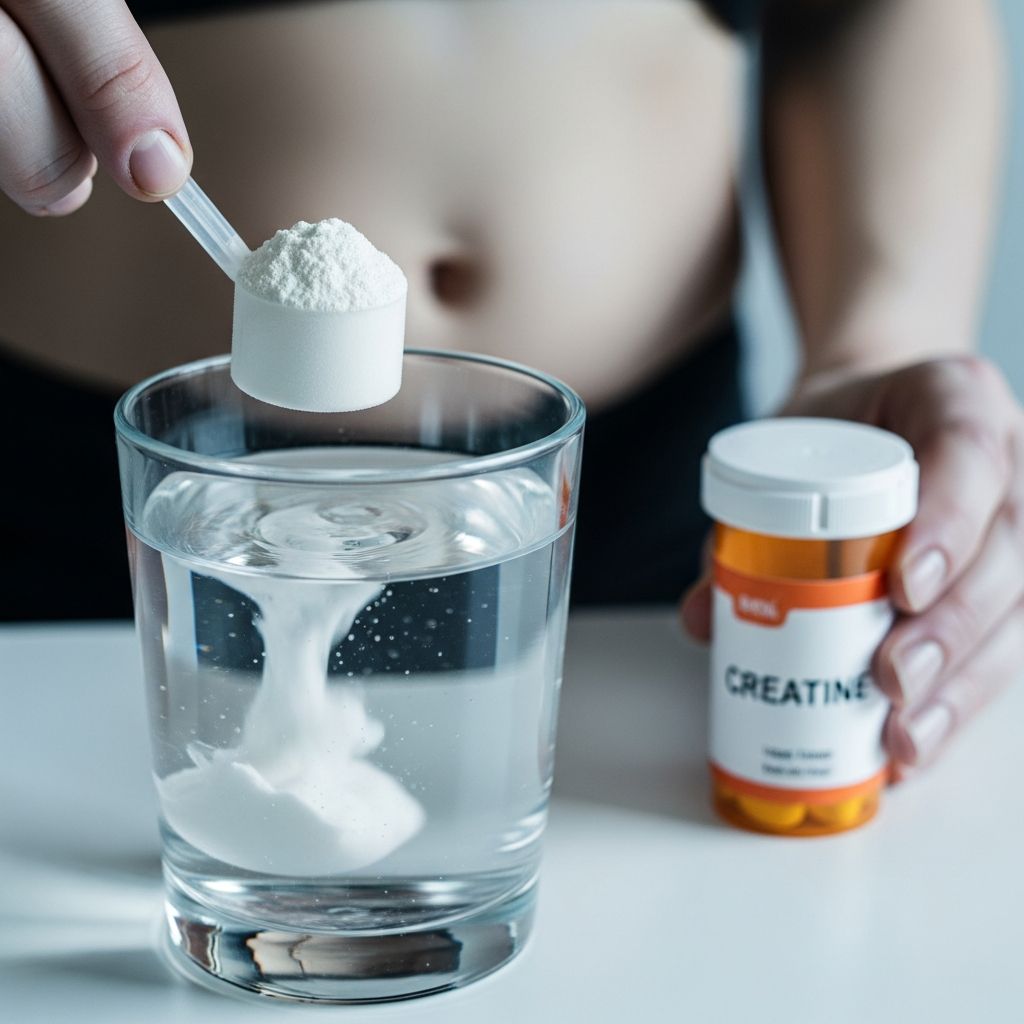
Creatine is one of the most researched and effective supplements for enhancing athletic performance, muscle growth, and strength. However, a common concern among users is whether it causes
bloating
. The short answer: Creatine can lead to temporary bloating, primarily during the loading phase or with certain forms like monohydrate, but it’s often confused with normal water retention in muscles. True digestive bloating stems from poor solubility, high doses, or individual gut sensitivity, affecting only some people.This article dives deep into the science, distinguishes myths from facts, and provides practical strategies to supplement without discomfort. Whether you’re a beginner or experienced lifter, understanding these nuances ensures you reap creatine’s benefits safely.
What Is Creatine and How Does It Work?
Creatine is a naturally occurring compound found in foods like red meat and fish, and produced by the body in small amounts. It plays a crucial role in energy production during high-intensity exercise by replenishing
adenosine triphosphate (ATP)
, the muscle’s primary energy currency.As a supplement, creatine—most commonly in
monohydrate
form—increases muscle phosphocreatine stores by 20-40%, leading to improved power output, faster recovery, and greater muscle gains over time. Daily supplementation saturates these stores, but the process can involve a ‘loading phase’ of 20-25 grams per day for 5-7 days, followed by a 3-5 gram maintenance dose.While highly effective, this saturation draws water into muscle cells (intracellular hydration), which some mistake for bloating. True
bloating
refers to abdominal distension, gas, cramping, or GI discomfort, not muscle fullness.Creatine Bloating vs. Water Retention: Key Differences
Many users report ‘bloating’ when starting creatine, but it’s essential to differentiate:
- Water Retention: Creatine pulls water into muscles, increasing cell volume. This can cause a 2-4 pound weight gain and a fuller look, especially in the first week. It’s beneficial for performance and temporary, resolving as the body adapts.
- Bloating (GI Distress): A puffy stomach, gas, cramps, or discomfort from undissolved creatine fermenting in the gut or osmotic water shifts in the intestines. This is less common and linked to monohydrate’s poor solubility in some cases.
Research shows loading phases amplify both: A 1999 study noted a 2% body weight increase from water, but GI symptoms vary by individual tolerance. Muscle water retention enhances hypertrophy signals, while gut bloating is avoidable.
Why Does Creatine Monohydrate Cause Bloating in Some People?
**Creatine monohydrate** is the gold standard—affordable, effective, and backed by thousands of studies—but not without potential downsides for sensitive guts.
Main Causes:
- Poor Solubility: Monohydrate doesn’t dissolve fully in water, leaving particles that linger in the stomach, ferment, and pull excess water into the intestines via osmosis. This triggers gas, cramping, and distension.
- High Loading Doses: 20-25g/day overwhelms the gut, especially if taken at once. Maintenance at 5g is better tolerated but still burdensome for some.
- Osmotic Effects: Larger particles create a bigger ‘pull’ of water into the colon, mimicking IBS symptoms in sensitive individuals.
Related Stories



These effects are temporary (1-3 days to weeks) and affect a minority. Dietitians note clients with IBS or sensitive stomachs report more issues.
Does Creatine HCL Cause Less Bloating? Science and User Insights
**Creatine hydrochloride (HCL)** is a newer form designed for better absorption. It requires smaller doses (1-2g/day), dissolves 38x better than monohydrate, and clears the stomach faster, reducing GI load.
Advantages Over Monohydrate:
| Aspect | Monohydrate | HCL |
|---|---|---|
| Dose | 3-5g maintenance (20g load) | 1-2g (no load needed) |
| Solubility | Lower; particles remain | High; rapid dissolution |
| GI Risk | Higher bloating/gas risk | Minimal; gentler on gut |
| Cost | Cheaper | Higher per serving |
Users and experts (dietitians, trainers) consistently report HCL as ‘easier on the stomach,’ especially for those who quit monohydrate due to discomfort. No loading phase means steady uptake without overload.
How to Take Creatine Without Bloating: Proven Tips
Minimize side effects with these evidence-based strategies:
- Skip the Loading Phase: Start with 3-5g/day. Saturation takes 28 days but avoids acute bloating.
- Mix Properly: Use warm water or juice; stir 1-2 minutes until clear. Micronized monohydrate dissolves best.
- Split Doses: Divide 5g into 2-3 servings to ease gut burden.
- Timing: Post-workout with carbs/protein enhances uptake without GI spikes. Consistency matters more than exact time.
- Stay Hydrated: Drink 3-4L water daily to balance intracellular shifts.
- Switch Forms: Try HCL if monohydrate bothers you.
- Diet Tweaks: Avoid taking with high-fiber meals; pair with simple carbs.
These steps make creatine tolerable for 95%+ of users. Symptoms usually resolve in days as the body adapts.
Is Creatine Bloating Dangerous? Safety Profile
Creatine has an excellent safety record at recommended doses (up to 30g/day short-term). Mild GI upset is the main issue, not health risks. No evidence links it to long-term harm in healthy adults.
Who Should Be Cautious:
- Those with kidney issues (consult doctor).
- Adolescents/kids (limited data).
- Pregnant/breastfeeding individuals.
The FDA doesn’t regulate supplements strictly, so choose third-party tested brands (NSF, Informed-Sport).
Who Might Experience Creatine Bloating More?
- Sensitive Stomachs/IBS: Osmotic sensitivity amplifies effects.
- New Users: Gut adaptation takes time.
- Poor Hydrators: Dehydration worsens retention feel.
- High-Dose Loaders: 20g+ hits hardest.
Frequently Asked Questions (FAQs)
Does creatine HCL cause bloating like monohydrate?
Far less likely due to superior solubility and lower doses (1-2g). Most users report no issues, even with prior monohydrate intolerance.
Why does creatine cause bloating during loading?
High 20-25g doses overwhelm the gut, causing osmotic water pull and fermentation of undissolved particles.
How long does creatine bloating last?
Typically 1-3 days during loading or adaptation; resolves fully in 1-4 weeks. Switch forms if persistent.
Can I avoid bloating entirely?
Yes, by skipping loading, using 3-5g daily, proper mixing, and hydration. HCL is a top alternative.
Is creatine bloating just water weight?
Often yes (muscle hydration), but GI bloating is digestive. Distinguish by symptoms: fullness vs. gas/cramps.
Should I stop creatine if bloated?
No—adjust protocol first. Consult a doctor if symptoms persist beyond 1 week.
Creatine bloating is manageable and shouldn’t deter you from its proven benefits. Tailor your approach for optimal results.
References
- Does Creatine HCL Cause Bloating? What Science and Users Say — Naked Nutrition. 2023. https://nakednutrition.com/blogs/supplements/does-creatine-hcl-cause-bloating
- Does creatine cause bloating? Research and more — Medical News Today. 2023-10-12. https://www.medicalnewstoday.com/articles/does-creatine-cause-bloating
- Creatine Bloating: What It Is and How to Avoid It — Healthline. 2023. https://www.healthline.com/nutrition/creatine-bloating
- Why everyone’s talking about creatine — UCLA Health. 2024-05-20. https://www.uclahealth.org/news/article/why-everyones-talking-about-creatine
Similar Articles








Read full bio of Sneha Tete