Does Creatine Make You Gain Weight? 1-3kg Water Gain Explained
Unpacking the truth about creatine supplementation, water retention, and whether it leads to fat gain or muscle benefits.
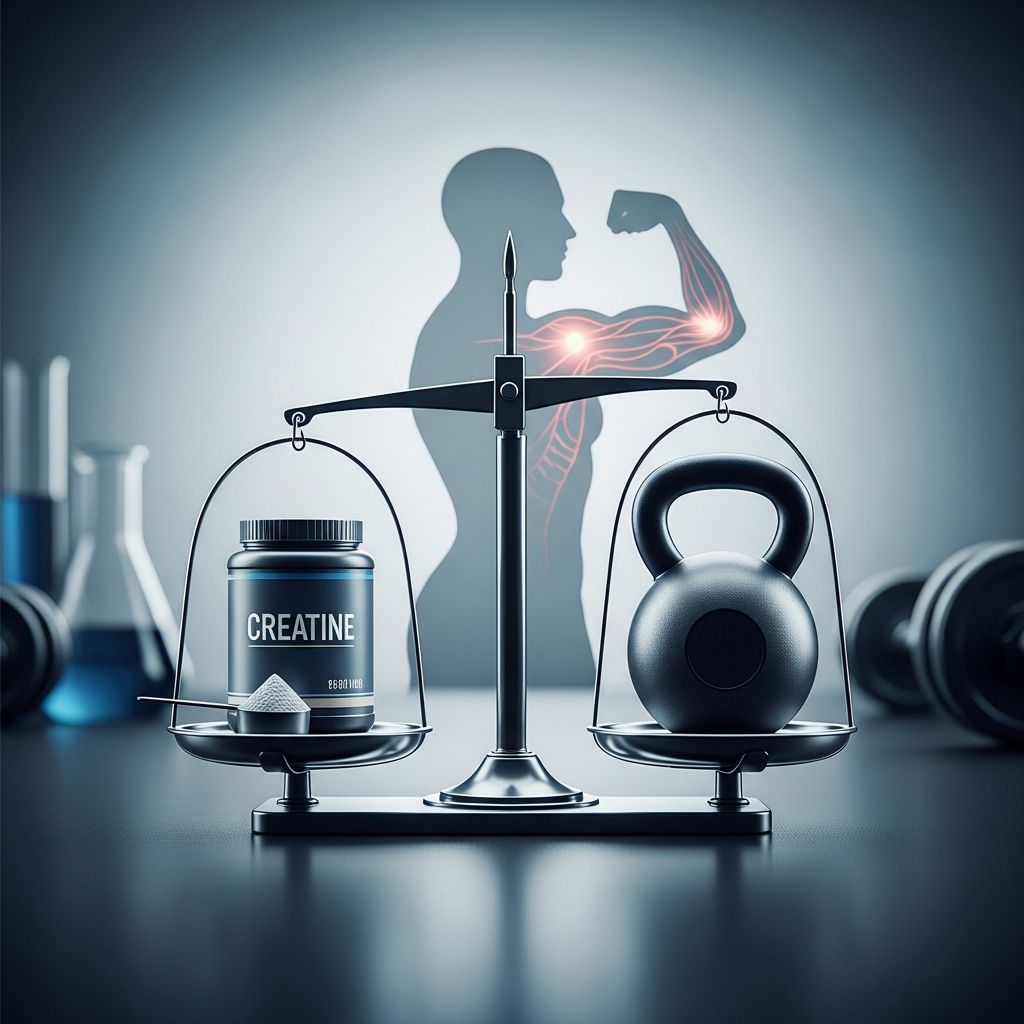
Creatine is one of the most researched and popular supplements among athletes, bodybuilders, and fitness enthusiasts. It helps boost high-intensity exercise performance by replenishing ATP energy stores in muscles. However, a common concern is whether creatine leads to unwanted weight gain. The short answer: Yes, creatine often causes a temporary increase in body weight, primarily due to water retention in muscle cells rather than fat accumulation. This effect is well-documented and typically ranges from 1-3 kg (2-6 lbs) during the initial loading phase.
Understanding this weight shift is crucial for setting realistic expectations. Creatine draws water into muscle cells (intracellular retention), which can make muscles appear fuller and support greater training volume. Unlike fat gain, this water weight is not harmful and often reverses upon discontinuation. Studies confirm that creatine supplementation increases total body water (TBW) and body mass without altering fluid distribution or body fat percentage.
What Is Creatine?
Creatine is a naturally occurring compound made from amino acids (glycine, arginine, and methionine) primarily in the liver, kidneys, and pancreas. About 95% of the body’s creatine is stored in skeletal muscles as phosphocreatine, which regenerates adenosine triphosphate (ATP) during short, explosive activities like weightlifting or sprinting.
Daily creatine needs are 1-2 grams from diet (mainly red meat and fish) plus endogenous production. Muscles are naturally 60-80% saturated; supplementation can boost this by 20-40%, enhancing performance and recovery. Vegetarians and vegans, who consume less dietary creatine, may benefit more from supplements.
How Does Creatine Work?
Creatine functions as an osmotically active substance. When supplemented, it increases intramuscular creatine concentrations, pulling water into cells via osmosis. This leads to cell volumization, which may stimulate protein synthesis and muscle growth over time.
Research shows supplementation protocols (e.g., 20-25g/day loading for 5-7 days, followed by 3-5g/day maintenance) effectively raise muscle creatine levels. Gains in body mass are linked to TBW increases: one study noted a 2.04L TBW rise after 28 days, correlating with 0.47-3.92kg body mass gains. Importantly, this is intracellular water, not bloating or extracellular edema.
Does Creatine Cause Weight Gain—And Is It Fat?
No, creatine does not cause fat gain. The observed weight increase is almost entirely water retention. In a controlled study, participants gained 0.75kg by day 7 (non-significant) and more by day 28, with TBW accounting for the majority. One subject gained 4.8kg in the first week, 90% from TBW.
This effect peaks during loading and stabilizes with maintenance dosing. Factors influencing gain include:
- Loading phase intensity: Higher doses (20g/day) cause faster saturation and more water pull.
- Individual response: About 20-30% are ‘non-responders’ with already high baseline creatine, seeing minimal gain.
- Diet and training: Higher carbs enhance uptake via insulin, potentially amplifying retention.
Long-term, any additional weight often reflects lean mass gains from improved workouts, not fat. Caloric intake remained stable or decreased in studies, ruling out overeating as a cause.
Creatine and Water Retention: What to Expect
Creatine monohydrate, the most studied form, is hydrophilic. Elevated muscle creatine raises osmotic pressure, shifting fluid intracellularly. Expect:
Related Stories



| Phase | Typical Weight Gain | TBW Increase | Duration |
|---|---|---|---|
| Loading (5-7 days) | 1-3kg (2-6lbs) | 1-2L | Immediate |
| Maintenance (3-5g/day) | Stabilizes or +0.5-1kg | Minimal additional | Ongoing |
| Upon Stopping | Loss of 1-2kg | Reverses in 4-6 weeks | Gradual |
Data from NIH research confirms no change in fluid distribution or extracellular water, dispelling bloating myths. Hydration is key—drink extra water to support this process and avoid cramps.
Benefits of Creatine Beyond Muscle
Creatine shines for high-intensity performance:
- Strength and power: 5-15% increases in lifts, reps.
- Muscle growth: Enhanced training volume promotes hypertrophy.
- Recovery: Faster between sets/bouts.
Emerging benefits include cognitive support (memory, fatigue resistance, especially in sleep-deprived or vegetarians), sarcopenia prevention in older adults (>65), and potential bone health in postmenopausal women when paired with resistance training.
Who Should Take Creatine?
Ideal candidates:
- Athletes in strength/power sports (weightlifting, sprinting, HIIT).
- Older adults combating muscle loss with protein and training.
- Vegetarians/vegans for muscle and brain support.
- Anyone seeking performance edges with consistent training.
Avoid or consult doctor if:
- Kidney disease or medications affecting kidneys.
- Adolescents under 18 (limited data).
- Pregnant/breastfeeding.
Women see similar benefits without masculinizing effects—myths debunked.
How to Take Creatine: Dosing Guide
- Standard maintenance: 3-5g daily, anytime (post-workout with carbs optimal).
- Optional loading: 20g/day (4x5g) for 5-7 days to saturate faster, then 3-5g.
- Cycling: Not necessary; long-term use safe.
- Form: Creatine monohydrate—cheapest, most effective. Mix in water/juice.
Start low to minimize GI upset. No need for ‘pure’ or exotic forms.
Side Effects and Safety
Creatine is safe for healthy adults; only confirmed side effect is weight gain from water. Mild issues:
- GI discomfort (bloating, diarrhea)—reduce dose, skip loading.
- Potential cramps—hydrate well.
Kidney myths: No damage in healthy users; elevated creatinine is from creatine, not impairment. Long-term studies (up to 5 years) show safety.
Does Creatine Cause Fat Gain? Myths Busted
Myth 1: Creatine is a steroid. Fact: Naturally occurring, non-hormonal.
Myth 2: Harms kidneys. Fact: Safe in healthy; monitor if at risk.
Myth 3: Causes fat/dehydration. Fact: Promotes hydration; weight is water/lean mass.
Frequently Asked Questions (FAQs)
What is the main reason creatine causes weight gain?
Water retention in muscle cells due to osmotic pull; typically 1-3kg, temporary.
Is the weight gain from creatine fat?
No—it’s intracellular water and potential lean mass, not fat.
Will I lose the weight if I stop creatine?
Yes, water weight sheds in 4-6 weeks as stores normalize.
Is creatine safe for women?
Yes, supports muscle/bone health without hormonal effects.
How much water should I drink on creatine?
At least 3-4L daily to support retention and performance.
Can vegetarians benefit more?
Yes, due to lower baseline from diet.
Integrate creatine with balanced nutrition, hydration, sleep, and training for best results—not as a magic pill.
References
- Creatine Supplementation Increases Total Body Water Without Altering Fluid Distribution — Powers ME et al. National Institutes of Health (PMC). 2003-07-01. https://pmc.ncbi.nlm.nih.gov/articles/PMC155510/
- Why everyone’s talking about creatine — UCLA Health. 2023-10-10. https://www.uclahealth.org/news/article/why-everyones-talking-about-creatine
Similar Articles








Read full bio of medha deb