Does Dandruff Cause Hair Loss? What Science Says
Uncover the truth about dandruff and hair loss: Explore causes, connections, treatments, and prevention strategies for a healthier scalp.
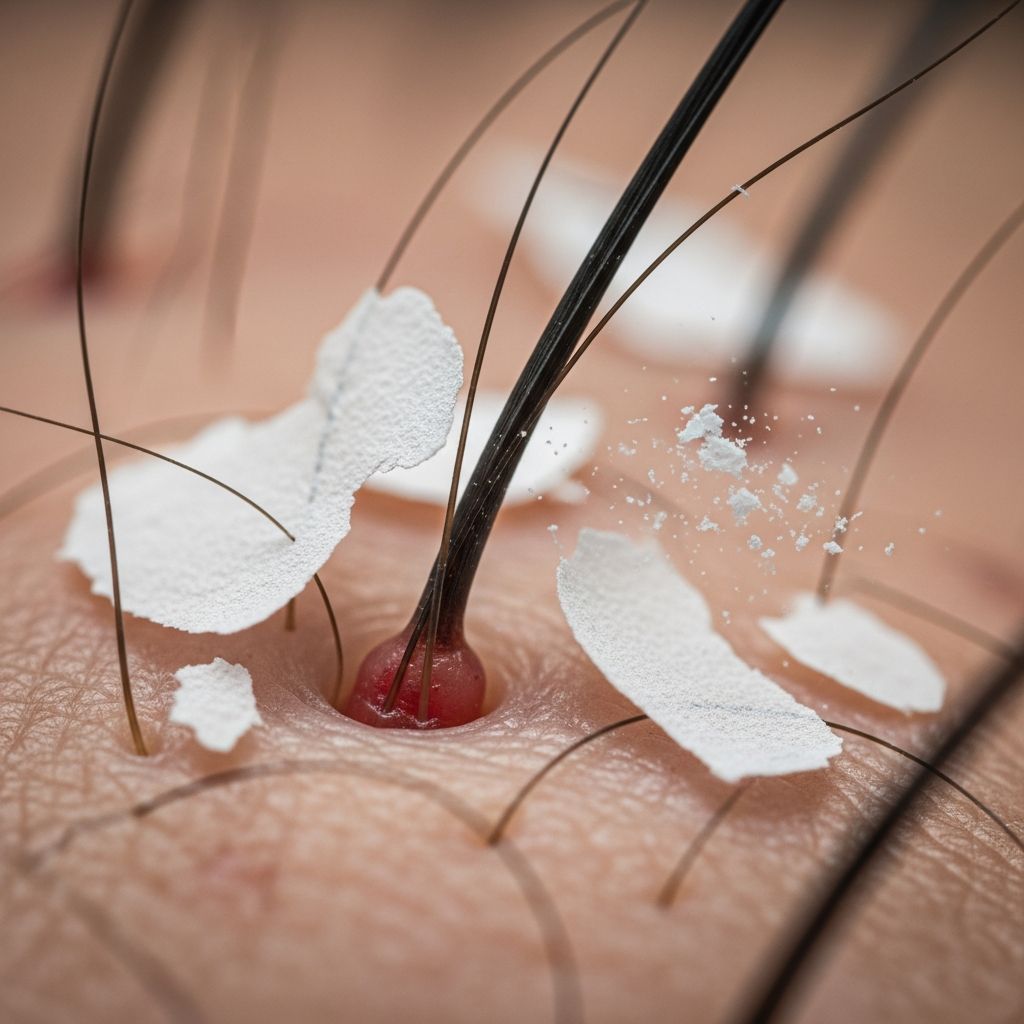
Dandruff does not directly cause hair loss in most cases, but severe or untreated scalp conditions associated with it, like seborrheic dermatitis, can contribute to temporary hair shedding through inflammation and oxidative stress.
What Is Dandruff?
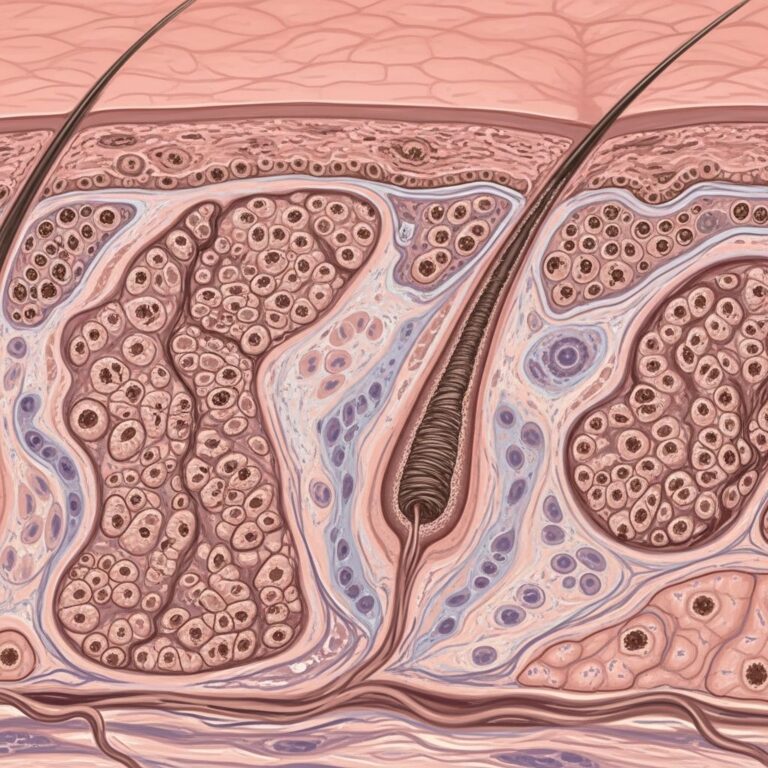
Dandruff is a common scalp disorder characterized by flaking of the skin on the scalp, often accompanied by itching. It affects up to 50% of the population at some point and results from accelerated proliferation of epidermal cells in the scalp microenvironment. The scalp’s unique anatomy, with numerous hair follicles and enlarged epidermal surface area due to hair canals, promotes higher exfoliation rates. Even healthy scalps flake within 1-2 weeks without washing, but pathological dandruff involves excessive cell turnover.
The primary culprit is the yeast-like fungus Malassezia, a commensal organism on the scalp that feeds on sebum (scalp oils). This process generates irritants like oleic acid and oxidative byproducts, triggering immune responses that speed up skin cell shedding. Symptoms include visible white or yellowish flakes, itchiness, and sometimes redness. Dandruff is distinct from dry scalp, which lacks the fungal involvement and excessive oiliness.
Does Dandruff Cause Hair Loss?
While mild dandruff rarely leads to noticeable hair loss, chronic or severe forms can indirectly contribute by creating a hostile scalp environment. Research shows that scalp conditions like dandruff and seborrheic dermatitis are linked to premature hair loss through oxidative stress and disrupted hair follicle anchoring. Studies comparing hair from affected individuals to healthy controls reveal increased telogen (resting) and catagen (regression) hairs, as well as dysplastic anagen hairs lacking proper sheaths, weakening hair retention.
Oxidative stress markers, such as elevated lipid peroxidation and perturbed antioxidant enzymes, are evident in dandruff scalps. Malassezia contributes by producing damaging free radicals. However, hair loss is typically diffuse and reversible once the scalp condition is managed, unlike genetic androgenetic alopecia.
Understanding the Link Between Dandruff and Hair Loss
The connection hinges on scalp health’s impact on hair growth cycles. Hair follicles are highly sensitive to their microenvironment. In dandruff, inflammation shortens the anagen (growth) phase and pushes follicles prematurely into telogen, leading to shedding. Epidemiological data confirm higher hair loss rates in dandruff, seborrheic dermatitis, and psoriasis patients.
Poor scalp health alters the anchoring force of hair fibers, increasing fallout. Trichograms (hair pluck tests) from affected scalps show disproportionate telogen/catagen hairs. Importantly, this effect occurs pre-emergence, damaging hairs before they surface.
Other Scalp Conditions That Can Cause Hair Loss
- Seborrheic Dermatitis: A more severe form of dandruff with greasy scales, redness, and inflammation. It elevates oxidative stress and Malassezia levels, correlating with hair thinning.
- Psoriasis: Scalp psoriasis causes thick, silvery plaques and is associated with hair loss via inflammation and oxidative damage.
- Atopic Dermatitis: Eczema on the scalp disrupts barrier function, promoting shedding.
- Fungal Infections: Beyond Malassezia, tinea capitis can cause patchy alopecia.
- Folliculitis: Bacterial or fungal inflammation of follicles leads to scarring and permanent loss if untreated.
Related Stories



When to See a Dermatologist
Consult a dermatologist if dandruff persists despite over-the-counter treatments, or if accompanied by severe itching, redness, pus, patchy bald spots, or significant hair thinning. Sudden hair loss exceeding 100-150 strands daily warrants evaluation to rule out telogen effluvium, alopecia areata, or underlying issues like thyroid disorders. A professional can perform a scalp biopsy or trichogram for diagnosis.
How To Treat Dandruff To Prevent Hair Loss
Effective treatment targets Malassezia and inflammation, restoring scalp health and reducing shedding. Key strategies include:
- Antifungal Shampoos: Zinc pyrithione, ketoconazole (2%), or selenium sulfide reduce yeast populations and oxidative stress. Use 2-3 times weekly.
- Anti-Inflammatory Agents: Salicylic acid exfoliates flakes; coal tar slows cell turnover.
- Medicated Options: Prescription ketoconazole or corticosteroids for severe cases.
- Ketoconazole vs. Minoxidil: Studies show 2% ketoconazole shampoo improves hair density and anagen proportions similarly to minoxidil, even without dandruff.
| Shampoo Type | Active Ingredient | Benefits | Frequency |
|---|---|---|---|
| Zinc Pyrithione | ZPT | Antifungal, anti-inflammatory | 2-3x/week |
| Ketoconazole | 2% Keto | Reduces Malassezia, boosts hair growth | 2x/week |
| Selenium Sulfide | Selenium | Cytostatic, antifungal | 1-2x/week |
| Salicylic Acid | SA | Exfoliates flakes | Daily if needed |
Combine with gentle washing, avoiding hot water, and moisturizing conditioners. Results appear in 2-4 weeks; persistence beyond 4 weeks requires medical advice.
Prevention Tips for Dandruff and Hair Loss
Maintain scalp health proactively:
- Wash hair regularly (2-4 times weekly) with medicated shampoos if prone to dandruff.
- Avoid irritants like harsh sulfates, excessive styling products, or tight hairstyles.
- Manage stress, as it exacerbates conditions.
- Eat a balanced diet rich in zinc, omega-3s, and biotin for scalp support.
- Use lukewarm water and pat dry gently.
Frequently Asked Questions (FAQs)
Can dandruff cause permanent hair loss?
No, dandruff-related loss is typically temporary and reverses with treatment. Permanent loss signals scarring conditions like folliculitis decalvans.
How long does it take for dandruff treatment to stop hair loss?
Improvement in shedding occurs within 4-6 weeks of consistent antifungal shampoo use.
Is dandruff contagious?
No, it’s not contagious; Malassezia is naturally present but overgrows in susceptible individuals.
Does stress worsen dandruff and hair loss?
Yes, stress disrupts the scalp microbiome and hair cycles, amplifying both issues.
Are there home remedies for dandruff?
Tea tree oil and apple cider vinegar have mild antifungal properties, but medicated shampoos are more effective.
This article synthesizes evidence showing that while dandruff itself isn’t a primary hair loss driver, addressing underlying scalp pathology is crucial for hair retention. Prioritize scalp care in your routine for optimal hair health.
References
- Scalp Condition Impacts Hair Growth and Retention via Oxidative Stress — Trüeb RM. Int J Trichology. 2019-02-28. https://pmc.ncbi.nlm.nih.gov/articles/PMC6369642/
- Exploration of scalp surface lipids reveals squalene peroxide as a potential actor in dandruff condition — Jourdain R et al. Arch Dermatol Res. 2016-02-01. https://doi.org/10.1007/s00403-016-1623-1
- Seborrheic Dermatitis and Dandruff: A Comprehensive Review — Borda LJ, Wikramanayake TC. J Clin Investig Dermatol. 2015-12-01. https://pmc.ncbi.nlm.nih.gov/articles/PMC4852869/
- Oxidative Stress in Scalp Disorders — Piérard-Franchimont C et al. Dermatology. 2002. https://doi.org/10.1159/000064742
Similar Articles








Read full bio of medha deb