Does Dehydration Cause High Blood Sugar?
Understand how dehydration affects blood glucose levels and why staying hydrated matters for metabolic health.
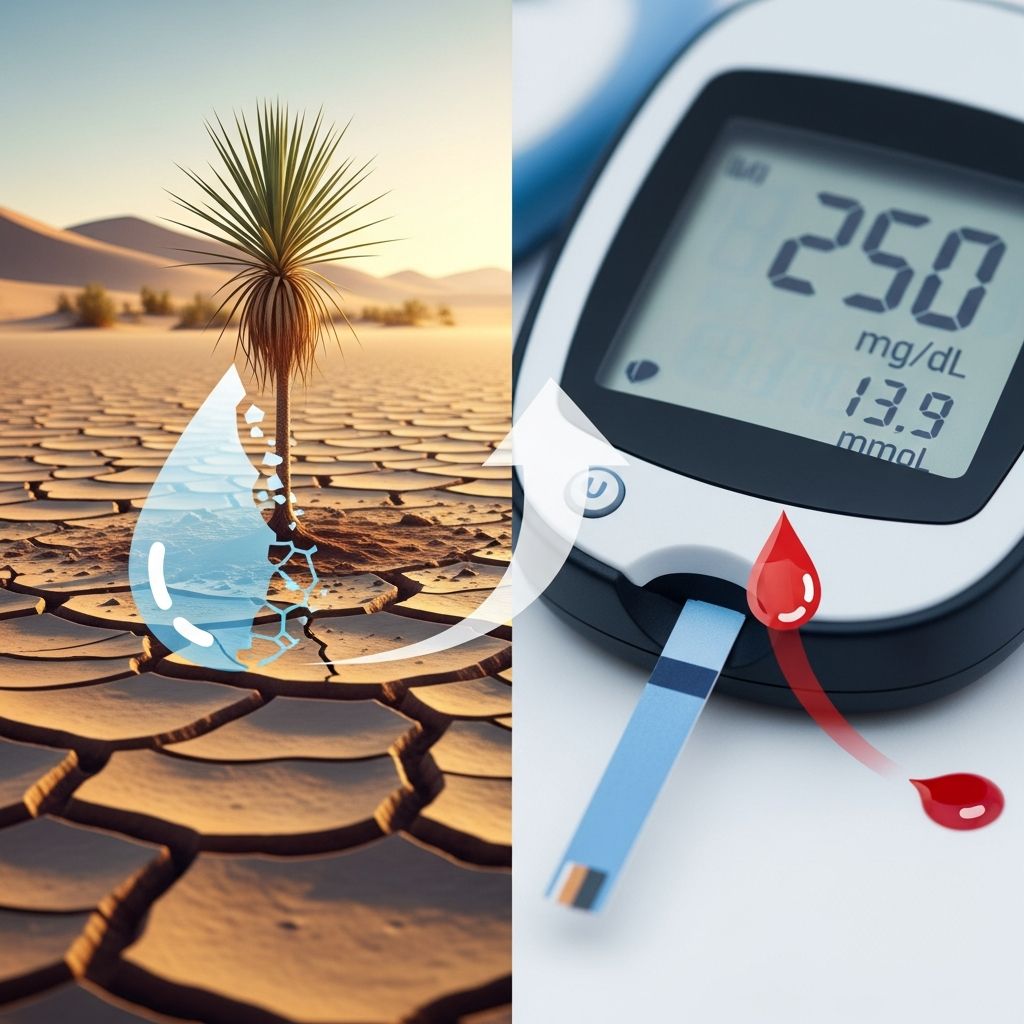
Yes, dehydration can cause blood sugar levels to rise. When your body loses water, the concentration of glucose in your bloodstream increases, leading to higher blood sugar readings. This happens not because there is more sugar in your blood, but because there is less water to dilute it. Understanding this relationship is crucial for managing your overall health, especially if you have diabetes or prediabetes.
How Dehydration Affects Blood Sugar Levels
When you become dehydrated, the amount of water in your bloodstream decreases significantly. This reduction in water volume causes the glucose already present in your blood to become more concentrated. The key point to understand is that dehydration doesn’t create additional blood sugar—rather, it changes the ratio of glucose to water in your blood.
Think of it like dissolving sugar in a glass of water. If you have one teaspoon of sugar dissolved in eight ounces of water, the solution has a certain sweetness. But if you remove half the water and still have that same teaspoon of sugar, the remaining four ounces will taste much sweeter because the sugar is more concentrated. Your blood works the same way.
Research has shown that low daily water intake is associated with increased diagnoses of hyperglycemia, or high blood sugar. The impact can range from mild to significant, depending on the severity of dehydration and individual factors.
The Mechanism Behind Dehydration and Blood Sugar
The physiological mechanism connecting dehydration to elevated blood glucose involves several hormonal pathways. When water intake is restricted, your body experiences changes in hormone levels, particularly cortisol, which affects glucose regulation. Additionally, when you’re dehydrated, your kidneys must work harder to filter and regulate blood composition, which can affect how your body manages glucose.
For people with diabetes, this relationship becomes even more significant. High blood sugar can actually lead to dehydration in a vicious cycle. When glucose levels are elevated, your kidneys attempt to eliminate excess sugar through urine, which increases urination frequency and causes further fluid loss.
Common Causes of Dehydration
Understanding what causes dehydration is the first step in prevention. Dehydration occurs when water losses from your body exceed water intake. Several factors can contribute to this imbalance:
- Insufficient water intake: Not drinking enough water during regular daily activities
- Intense exercise: Excessive sweating during or after physical activity depletes body fluids
- Hot weather: High temperatures increase water loss through perspiration
- Illness: Fever, vomiting, and diarrhea all cause significant fluid loss
- Excessive alcohol consumption: Alcohol acts as a diuretic, increasing urination
- Certain medications: Diuretics and other drugs can increase water loss through the kidneys
- Medical conditions: Kidney disease, thyroid disorders, and other health issues can impair water balance
Related Stories



Recognizing Dehydration Symptoms
Dehydration can range from mild to severe, and recognizing the symptoms early is important for preventing complications. Common signs of dehydration include:
- Feeling thirsty
- Dry skin and lips
- Fatigue and weakness
- Dark urine or decreased urine output
- Headaches
- Lightheadedness or dizziness
- Muscle cramps
- Fainting in severe cases
It’s important to note that dehydration can be subtle. You might experience mild dehydration from not drinking enough water during a regular day without even realizing it.
Hyperglycemia: When High Blood Sugar Becomes Serious
Hyperglycemia is the medical term for high blood sugar levels. When dehydration causes significant blood sugar spikes, it may progress to hyperglycemia. Symptoms of hyperglycemia include:
For individuals with diabetes, even mild dehydration can cause significant blood sugar increases of 50-110 mg/dL or higher. This is why people with diabetes need to be especially vigilant about maintaining proper hydration.
Special Concern: Diabetic Ketoacidosis
While rare, untreated hyperglycemia can lead to a serious condition called diabetic ketoacidosis (DKA). This occurs when the body doesn’t produce enough insulin or when cells stop responding to it. Without sufficient insulin, the body cannot use blood sugar for energy and instead breaks down fat into acids called ketones.
The resulting buildup of ketones makes the blood too acidic, creating a potentially life-threatening situation. While DKA is more common in people with type 1 diabetes, it can occur in type 2 diabetes as well. Seek immediate medical care if you experience shortness of breath, fruity-smelling breath, nausea and vomiting, or an extremely dry mouth.
Dehydration’s Impact on People with Diabetes
People with diabetes face a unique challenge when it comes to dehydration and blood sugar management. Because high blood sugar causes the kidneys to excrete more glucose through urine, this increases urination frequency and leads to further dehydration. This creates a dangerous cycle that can be difficult to break without proper hydration.
Research indicates that individuals with low hydration levels are significantly more likely to have diabetes compared to those who maintain proper hydration. This suggests that maintaining adequate hydration may be protective against developing diabetes.
For people with diabetes, it’s particularly important to monitor blood sugar levels when exercising, during illness, or in warm climates—all situations that increase dehydration risk.
Does Drinking Water Lower Blood Sugar?
While drinking water doesn’t directly lower blood sugar, proper hydration helps maintain the correct concentration of glucose in your blood. Water restores the fluid balance, diluting the glucose and returning your blood sugar readings to more normal levels. Being properly hydrated helps your kidneys function optimally and supports overall metabolic health.
The relationship between hydration and blood sugar is complex. While your level of hydration after eating doesn’t necessarily change your blood sugar response, maintaining consistent hydration throughout the day supports better overall glucose regulation.
Strategies to Maintain Proper Hydration
Preventing dehydration-related blood sugar spikes requires intentional effort, especially for those with diabetes. Consider implementing these strategies:
- Drink water consistently throughout the day: Don’t wait until you’re thirsty to drink
- Monitor urine color: Pale yellow urine indicates good hydration; dark urine suggests you need more water
- Increase water intake during exercise: Drink before, during, and after physical activity
- Stay hydrated in hot weather: Increase water consumption on warm days
- Drink water when ill: Especially important if experiencing fever, vomiting, or diarrhea
- Choose water over sugary beverages: Avoid sports drinks and sodas that can further spike blood sugar
- Limit alcohol consumption: Alcohol increases urination and fluid loss
- Check medication side effects: If taking diuretics, discuss hydration needs with your doctor
General Blood Sugar Management Tips
While maintaining hydration is important for blood sugar control, it’s one component of comprehensive diabetes management. Additional strategies include:
- Eating a nutritious diet containing plenty of fruits and vegetables
- Maintaining a moderate, healthy weight
- Getting regular physical exercise
- Monitoring blood sugar levels to understand personal triggers
- Eating meals at regular times and avoiding skipping meals
- Choosing foods lower in calories, saturated fat, trans fat, sugar, and salt
- Limiting sugary beverages and alcohol
- Controlling food portions appropriately
Frequently Asked Questions
Q: How much water should I drink daily to prevent dehydration?
A: While the standard recommendation is about eight glasses (64 ounces) per day, individual needs vary based on activity level, climate, and health status. People with diabetes should consult their healthcare provider for personalized hydration recommendations.
Q: Can dehydration cause diabetes?
A: Chronic dehydration is associated with increased risk of hyperglycemia and diabetes, but dehydration alone doesn’t directly cause diabetes. It’s one of several factors that can contribute to blood sugar dysregulation.
Q: How quickly can dehydration spike blood sugar?
A: Blood sugar can spike relatively quickly with dehydration, sometimes within hours depending on the severity of fluid loss and individual factors. This is why monitoring hydration is important, especially during illness or intense exercise.
Q: Is dehydration dangerous for people without diabetes?
A: Yes, dehydration affects everyone and can have serious health consequences beyond blood sugar effects. However, people with diabetes face additional complications related to blood glucose management.
Q: What’s the difference between dehydration and hyperglycemia?
A: Dehydration is a condition of insufficient water in the body. Hyperglycemia is elevated blood sugar. Dehydration can cause or worsen hyperglycemia by concentrating glucose in the blood.
References
- Can dehydration cause blood sugar to rise? — Medical News Today. 2024. https://www.medicalnewstoday.com/articles/can-dehydration-cause-blood-sugar-to-rise
- How Does Dehydration Affect Type 2 Diabetes? — Virta Health. 2024. https://www.virtahealth.com/blog/dehydration-and-blood-sugar
- Sports Drinks Impact on Glucose (Blood Sugar) — American Diabetes Association. 2024. https://diabetes.org/health-wellness/fitness/sports-drinks-impact-on-glucose-blood-sugar
- Reduced water intake deteriorates glucose regulation — PubMed/National Center for Biotechnology Information. 2017. https://pubmed.ncbi.nlm.nih.gov/28739050/
- Does Drinking Water Lower Blood Sugar? — ZOE. 2024. https://zoe.com/learn/does-drinking-water-lower-blood-sugar
- Staying Hydrated When You Have Diabetes — University of Massachusetts Medical School. 2023. https://health.umms.org/2023/02/15/staying-hydrated-when-you-have-diabetes/
Similar Articles








Read full bio of medha deb