Does Diet Coke Raise Blood Sugar? What Science Says
Uncover the truth about diet soda's impact on blood sugar, diabetes risk, and metabolic health for informed choices.
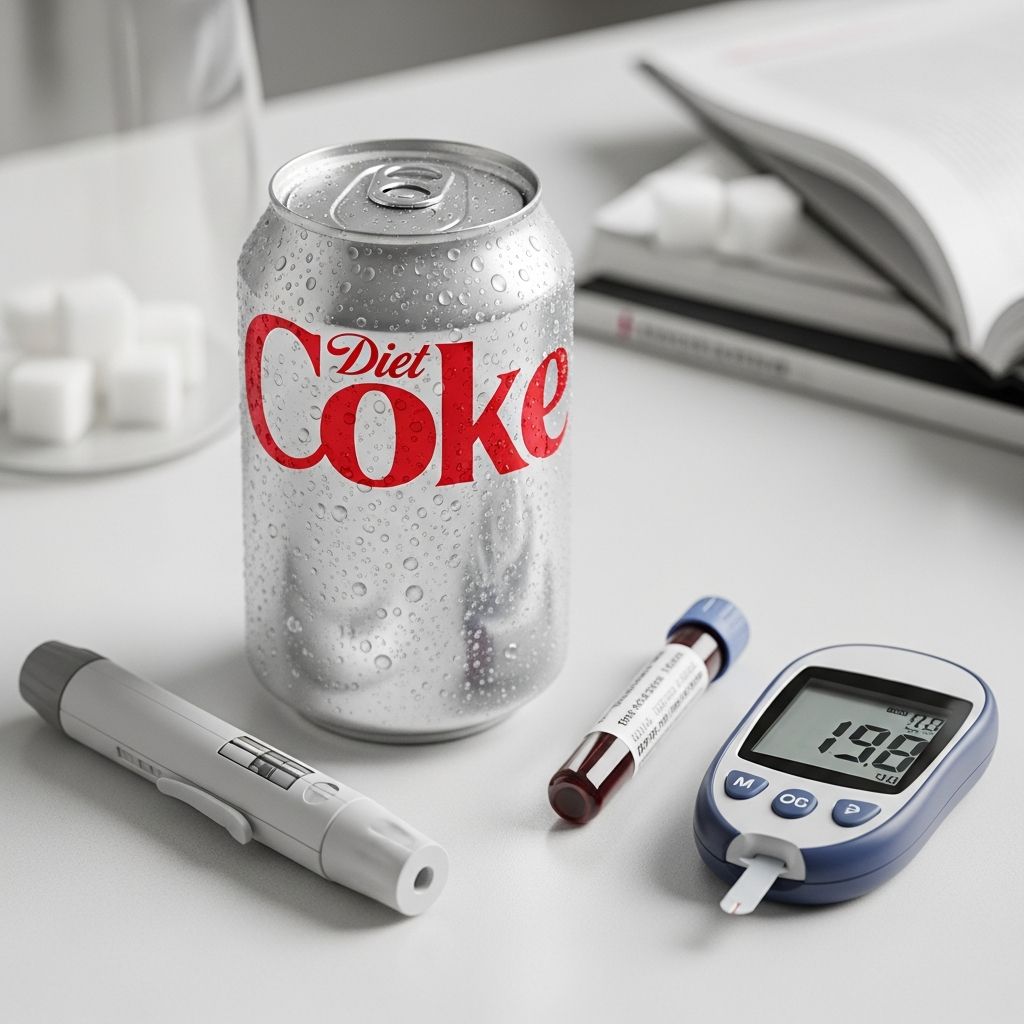
Diet Coke, a popular zero-calorie soda sweetened with aspartame, does not directly raise blood sugar levels in most people due to the absence of sugar and carbohydrates. However, emerging research suggests potential indirect effects through insulin responses, gut microbiome changes, and associations with higher diabetes risk, particularly in those with type 2 diabetes or metabolic issues.
While artificial sweeteners like aspartame are FDA-approved and considered safe for blood sugar in moderation, studies show mixed results: some indicate no acute glucose spikes, while others link frequent consumption to metabolic disruptions that could elevate long-term blood sugar control challenges.
What Is Diet Coke?
Diet Coke is a low-calorie version of Coca-Cola, introduced in 1982, sweetened primarily with aspartame and acesulfame potassium (Ace-K). It contains no sugar, fewer than 1 calorie per serving, carbonated water, caramel color, phosphoric acid, natural flavors, and caffeine (about 46 mg per 12 oz can).
- Key ingredients: Aspartame (provides intense sweetness, 200 times sweeter than sugar), Ace-K, citric acid for tartness.
- Nutritional profile: 0g carbs, 0g sugar, suitable for keto or low-carb diets on paper.
- Popularity: Millions consume it daily as a sugar-free alternative, especially those managing diabetes or weight.
Unlike regular Coke (39g sugar per can, causing rapid blood sugar spikes), Diet Coke aims to mimic taste without calories. However, its sweeteners trigger sweet taste receptors, potentially confusing metabolic signals.
Does Diet Soda Raise Blood Sugar?
Directly, no—diet sodas like Diet Coke do not contain carbohydrates to elevate blood glucose immediately. The Mayo Clinic states artificial sweeteners have minimal impact on blood sugar, as they pass through the body unmetabolized.
However, nuances exist:
- In healthy individuals, aspartame does not significantly alter postprandial glucose.
- In type 2 diabetes patients, diet soda failed to boost GLP-1 (a hormone aiding glucose control), unlike in healthy or type 1 subjects, potentially worsening glycemic response.
- Some sweeteners may provoke cephalic phase insulin release—anticipatory insulin from sweet taste without calories—leading to minor dips or dysregulation over time.
A study in healthy men found no glucose rise from artificially sweetened sodas, contrasting sugar-sweetened versions that spiked insulin for 90 minutes. Yet, chronic effects raise concerns.
Artificial Sweeteners in Diet Coke
Diet Coke uses aspartame (primary) and Ace-K. Aspartame breaks down into phenylalanine, aspartic acid, and methanol—none raise blood sugar directly.
| Sweetener | Sweetness vs. Sugar | Calories | Blood Sugar Effect |
|---|---|---|---|
| Aspartame | 200x | ~4 kcal/g (negligible dose) | Minimal; no carbs |
| Ace-K | 200x | 0 | Zero impact; not metabolized |
These are non-nutritive sweeteners (NNS), GRAS by FDA. Concerns include gut microbiome alterations: saccharin-like sweeteners shift bacteria, potentially impairing glucose tolerance. Aspartame may reduce protective gut enzymes against type 2 diabetes.
Research on Diet Soda and Blood Sugar
Observational studies link frequent diet soda intake to metabolic issues, though causation is debated due to reverse causation (e.g., diabetics switching to diet drinks).
Related Stories



- MESA Study (2009): Daily diet soda linked to 67% higher type 2 diabetes risk and 36% metabolic syndrome risk vs. non-consumers, independent of baseline adiposity.
- MESA Follow-up: Among overweight/obese, daily consumers had 63% increased diabetes rate post-BMI adjustment.
- 2018 Cohort (2,019 participants): Artificially sweetened soda drinkers showed diabetes risk similar to sugar-sweetened.
- GLP-1 Study: Diet soda + glucose didn’t raise GLP-1 in type 2 diabetics, unlike controls, suggesting blunted response.
Prospective data from multiethnic cohorts confirm regular soda harms, but diet soda associations weaken with BMI adjustment—yet persist in sensitivity analyses excluding early follow-up. Brain imaging shows long-term use dulls caudate activity, possibly driving sweet cravings.
Diet Soda and Diabetes Risk
Frequent diet soda consumption correlates with higher type 2 diabetes incidence, potentially via weight gain, insulin resistance, or microbiome changes.
- Daily drinkers: Up to 1.9-fold diabetes rate pre-BMI adjustment; 63% higher post-adjustment in obese.
- Mechanisms: Sweet taste-calorie mismatch dysregulates metabolism; gut changes promote intolerance.
- ADA notes: Water over diet drinks doubles diabetes remission rates in women.
Not all studies agree—some find no link post-confounder control—but consensus urges caution for at-risk groups.
Effects on Insulin and Hormones
Sweeteners trigger sweet taste receptors (T1R2/T1R3), prompting incretin release like GLP-1, but inconsistently.
- Healthy/type 1: 34-43% GLP-1 rise with diet soda.
- Type 2: No GLP-1 increase, risking poor glucose handling.
- Insulin: Possible cephalic response, but no sustained spikes in healthy.
Chronic exposure may desensitize responses, mimicking “reconditioning” where brain expects calories, leading to overeating.
Healthier Alternatives to Diet Coke
Opt for beverages minimizing artificial additives:
- Sparkling water with lemon/lime—hydrating, zero calories.
- Unsweetened tea/coffee—antioxidants aid metabolic health.
- Stevia-sweetened drinks—plant-based, less gut impact.
- Infused water (cucumber, berries)—natural flavor without risks.
- Kombucha (low-sugar)—probiotics support gut health.
University Hospitals warns diet soda isn’t healthy; prioritize water.
Expert Recommendations
Experts like Mayo Clinic endorse moderate NNS use but favor whole foods. For diabetes:
- Limit to <1 serving/day.
- Monitor personal glucose response.
- Prioritize water; ADA links it to better remission.
Consult RD for tailored advice, especially if metabolic syndrome present.
Frequently Asked Questions (FAQs)
Can people with diabetes drink Diet Coke?
In moderation, yes—it’s carb-free. But monitor blood sugar; some experience indirect effects via hormones.
Does aspartame spike insulin?
Minimal in healthy; possible cephalic response, but no major glucose impact.
Is Diet Coke better than regular Coke for blood sugar?
Yes, acutely—no sugar spike. Long-term, both linked to risks; water superior.
How much diet soda is safe?
FDA: 50 mg/kg aspartame daily (18-19 cans for 150lb adult). Limit for metabolic health.
Does diet soda cause weight gain?
Associations exist via cravings/metabolic confusion; not causal but concerning.
(Word count: 1728)
References
- In patients with type 2 diabetes, does diet soda consumption… — NIH/PMC. 2017-06-19. https://pmc.ncbi.nlm.nih.gov/articles/PMC5484596/
- Diet Soda and Sugar-Sweetened Soda Consumption in Relation to… — NIH/PMC. 2018-07-07. https://pmc.ncbi.nlm.nih.gov/articles/PMC5998368/
- Diet Soda Intake and Risk of Incident Metabolic Syndrome and Type… — Diabetes Care. 2009-04-01. https://diabetesjournals.org/care/article/32/4/688/29040/Diet-Soda-Intake-and-Risk-of-Incident-Metabolic
- Diet soda and diabetes: Research and considerations — Medical News Today. 2018-12-12. https://www.medicalnewstoday.com/articles/310909
- Diet Soda May Be Hurting Your Diet — University of Michigan SPH. 2018-01-01. https://sph.umich.edu/pursuit/2018posts/diet-soda.html
- Water Instead of Diet Drinks Associated with Two-Fold Rate of… — American Diabetes Association. N/A. https://diabetes.org/newsroom/press-releases/water-instead-diet-drinks-associated-two-fold-rate-diabetes-remission-women
- Blood glucose and insulin response to artificially- and sugar-sweetened sodas… — OAText. N/A. https://www.oatext.com/Blood-glucose-and-insulin-response-to-artificially–and-sugar-sweetened-sodas-in-healthy-men.php
- Artificial sweeteners: Any effect on blood sugar? — Mayo Clinic. 2023-05-31. https://www.mayoclinic.org/diseases-conditions/diabetes/expert-answers/artificial-sweeteners/faq-20058038
- Think Diet Soda Is a Healthy Choice? Think Again — University Hospitals. 2024-06-01. https://www.uhhospitals.org/blog/articles/2024/06/think-diet-soda-is-a-healthy-choice-think-again
Similar Articles








Read full bio of medha deb