Does Eating Fat Make You Fat? 5 Fatty Foods Aid Weight Loss
Unraveling the myths about dietary fat and weight gain: Science shows it's not as simple as 'fat makes you fat'.
The idea that “fat makes you fat” has dominated nutrition advice for decades. Low-fat diets became the gold standard in the 1980s and 1990s, with food manufacturers stripping fat from everything—from yogurt to cookies—replacing it with sugar and refined carbs. But does science support this? The short answer: No. Recent research shows that dietary fat doesn’t inherently cause weight gain. In fact, healthy fats can aid weight loss and improve health when consumed properly.
This article dives deep into the science, history, and practical advice surrounding dietary fat. We’ll explore why the low-fat dogma emerged, what studies reveal about fat’s role in metabolism, the difference between healthy and unhealthy fats, and how to build a fat-inclusive diet for lasting weight management.
The Low-Fat Myth: How We Got Here
The low-fat era began with Ancel Keys’ Seven Countries Study in the 1950s, which linked saturated fat intake to heart disease. This sparked widespread recommendations to cut total fat to under 30% of calories. By the 1990s, 75% of Americans followed low-fat guidelines, yet obesity rates skyrocketed from 15% to over 40%.
Why the disconnect? Removing fat made foods less satiating. Manufacturers added sugar and flour to compensate, leading to overeating. A landmark 2000 study in the Journal of the American Medical Association found low-fat diets didn’t outperform balanced ones for weight loss—and often led to more hunger.
The Science: Fat, Calories, and Weight Gain
Weight gain boils down to energy balance: calories in vs. calories out. Fat provides 9 calories per gram (vs. 4 for carbs/protein), so it’s calorie-dense. But eating fat doesn’t automatically store as body fat. Your body metabolizes dietary fat similarly regardless of source.
- Metabolic reality: Carbs and protein can convert to fat via de novo lipogenesis, but this is inefficient. Dietary fat is stored more directly—but only in calorie excess.
- Satiety factor: Fats slow digestion, reducing hunger hormones like ghrelin. A 2013 meta-analysis in Obesity Reviews showed high-fat meals promote fullness better than high-carb ones.
- Hormonal effects: Low-fat diets spike insulin, promoting fat storage. Higher-fat, lower-carb diets stabilize blood sugar.
Key evidence comes from randomized controlled trials (RCTs). A 2021 systematic review by the Cochrane Collaboration analyzed 61 studies: Low-carb/high-fat diets led to 2-4 kg more weight loss than low-fat diets over 6-12 months, with better adherence.
Healthy Fats vs. Unhealthy Fats: It’s About Quality
Not all fats are equal. Focus on types and sources:
| Fat Type | Sources | Health Impact |
|---|---|---|
| Saturated | Butter, red meat, coconut oil | Neutral in moderation; recent data questions heart disease link |
| Monounsaturated | Avocados, olive oil, nuts | Heart-protective; improves cholesterol |
| Polyunsaturated (Omega-3/6) | Fatty fish, walnuts, flaxseeds | Anti-inflammatory; essential for brain health |
| Trans Fats | Processed foods, margarine | Avoid: Strongly linked to heart disease |
Related Stories



Harvard’s T.H. Chan School of Public Health reports replacing saturated fats with unsaturated ones cuts heart disease risk by 30%. A 2022 American Journal of Clinical Nutrition study found high olive oil intake correlates with lower BMI.
High-Fat Foods That Aid Weight Loss
Counterintuitively, fat-rich foods can help shed pounds by curbing appetite. Here are evidence-backed examples:
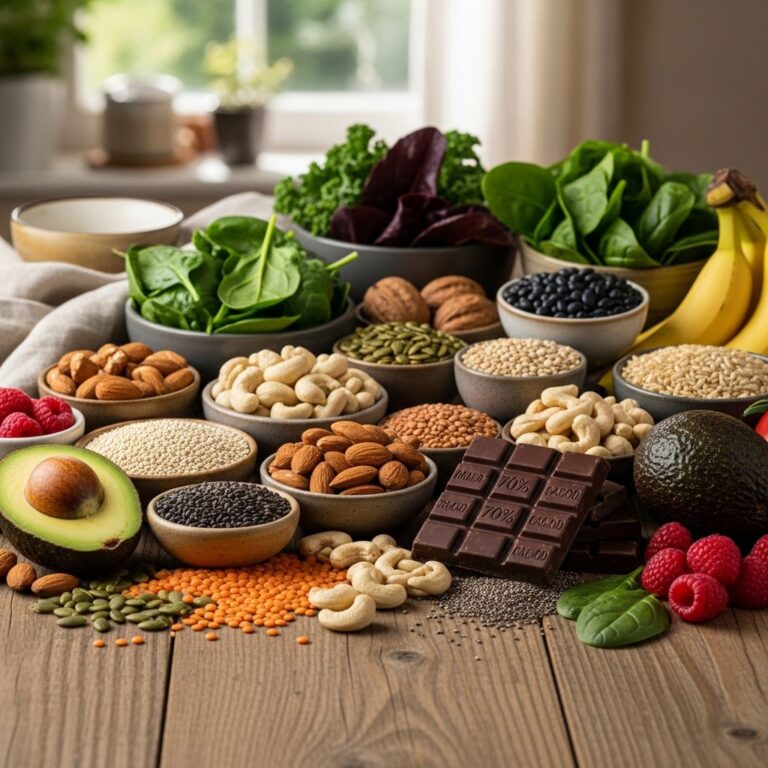
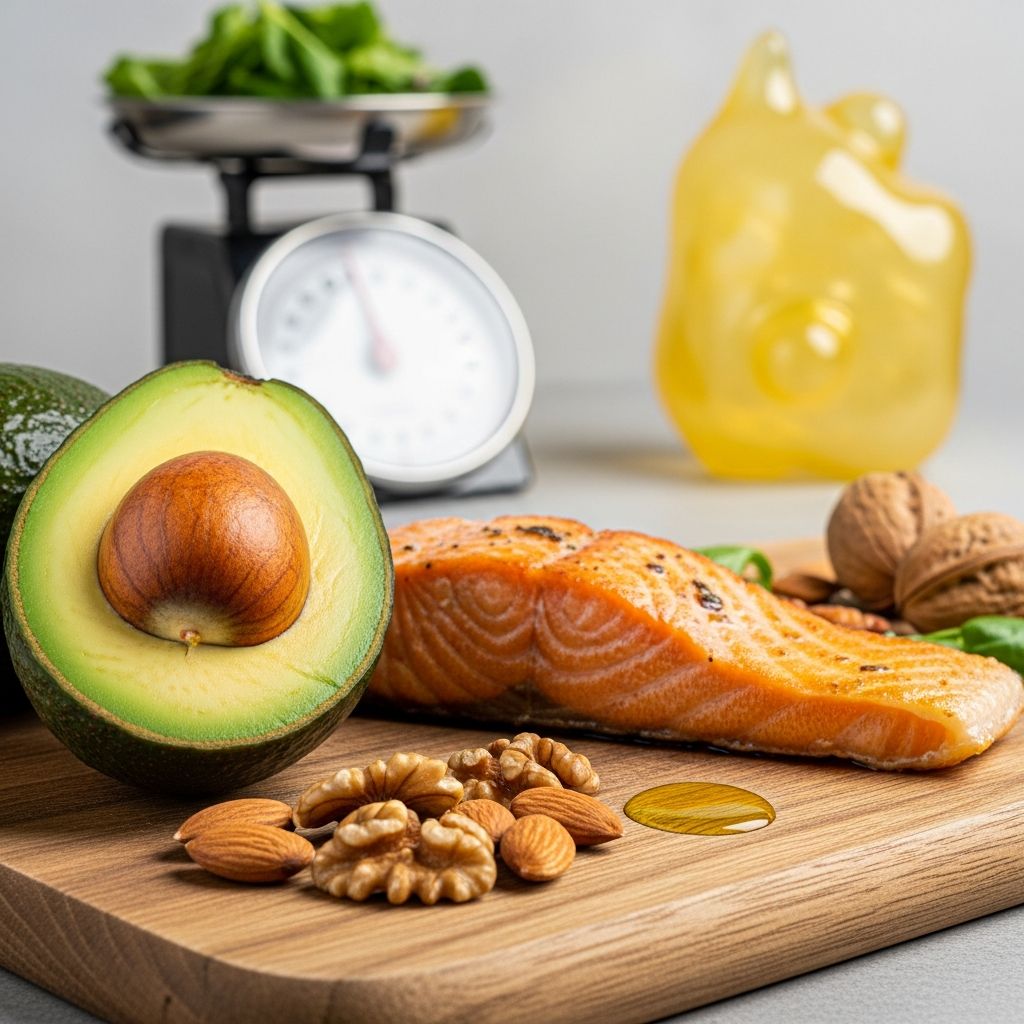
- Avocados: Half an avocado (160 cal, 15g fat) boosts meal satisfaction. A 2019 Nutrients study showed avocado eaters reduced calorie intake by 23% next meal.
- Nuts: Almonds/walnuts (handful = 7g fat) link to 1-2 lb loss yearly per meta-analyses.
- Olive oil: 1-2 tbsp daily improves gut health, per 2023 EUFIC review.
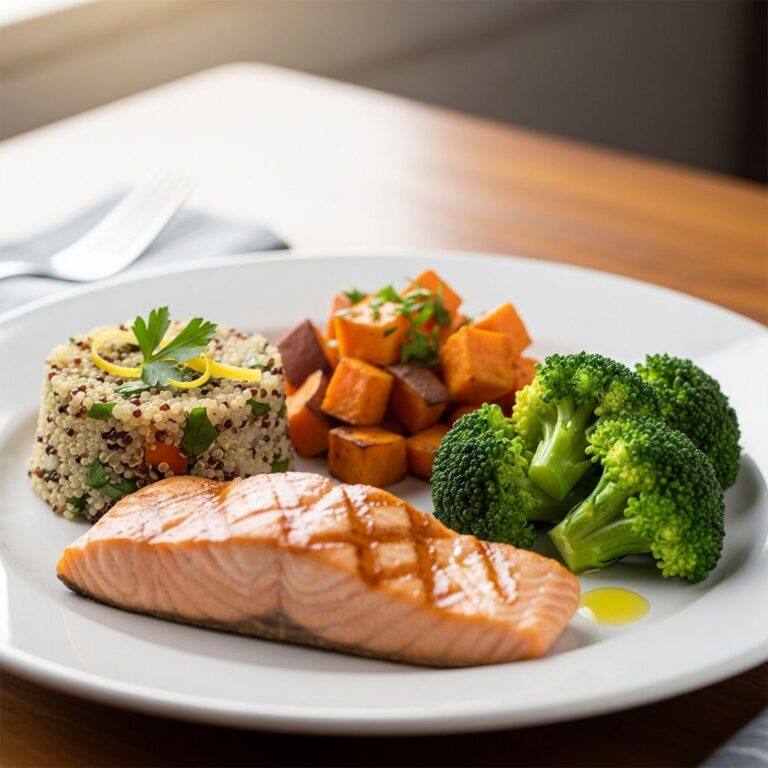
- Fatty fish: Salmon provides omega-3s, reducing inflammation-driven weight gain.
- Full-fat dairy: Greek yogurt/cheese; 2020 European Journal of Nutrition found full-fat versions aid more weight loss than low-fat.
Keto and Low-Carb: Fat’s Role in Popular Diets
Low-carb/high-fat (LCHF) diets like keto (70-80% fat) force ketone production, burning fat for fuel. RCTs show superior short-term weight loss:
- 2022 BMJ meta-analysis: Keto beat low-fat by 5kg at 6 months.
- Mechanism: Suppresses appetite via high protein/fat; elevates metabolic rate by 200-300 cal/day.
Long-term? A 2024 NIH-funded trial found sustained benefits if carbs stay under 100g/day. Sustainability matters—focus on whole foods over strict keto.
Practical Tips: Eating Fat Without Gaining Weight
- Portion mindfully: Track calories initially; fats pack energy.
- Prioritize whole sources: Nuts over nut butter; whole avocado over guac.
- Balance macros: Aim 30-50% fat, 20-30% protein, rest complex carbs.
- Cook smart: Sauté veggies in olive oil; dress salads with avocado oil.
- Avoid processed fats: Skip fried foods, check labels for seed oils high in omega-6.
Sample day (1,800 cal): Breakfast—eggs + avocado (500 cal); Lunch—salmon salad w/olive oil (600 cal); Dinner—chicken thighs + veggies (500 cal); Snack—handful almonds (200 cal).
Common Myths Debunked
- Myth: All saturated fat clogs arteries. Reality: 2020 Journal of the American College of Cardiology re-analysis: No link when replacing carbs.
- Myth: Fat-free = healthy. Reality: Often sugar-laden; linked to metabolic syndrome.
- Myth: Carbs are always better. Reality: Excess carbs drive insulin resistance more than moderate fat.
Frequently Asked Questions (FAQs)
Does eating fat turn directly into body fat?
No. Only excess calories do. Fat is digested like other macros, stored if surplus.
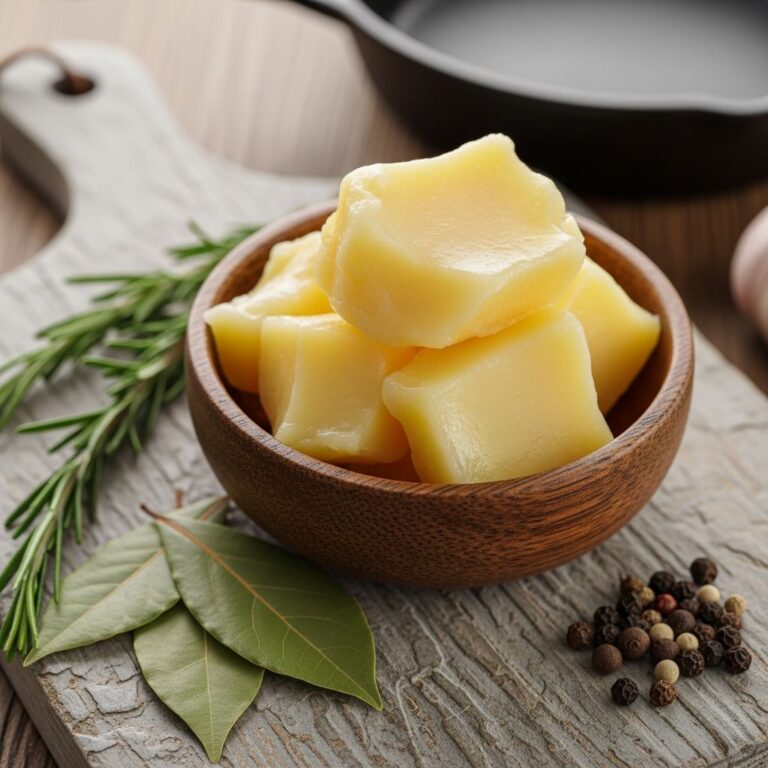
Can I eat butter on a weight-loss diet?
Yes, in moderation (1-2 tsp/day). Grass-fed is ideal for nutrients like CLA, which aids fat burning.
Are low-fat diets ever useful?
For some with fat malabsorption (e.g., gallbladder issues), but most thrive on balanced fat intake.
How much fat should I eat daily?
0.4-0.6g per lb bodyweight, per ISSN guidelines—e.g., 80-120g for 200lb person.
Will high-fat diets raise cholesterol?
Often improves HDL/triglycerides. Saturated fat minimally impacts LDL in healthy people, per recent meta-analyses.
In summary, fat doesn’t make you fat—poor food choices do. Embrace quality fats for satiety, health, and sustainable weight control. Consult a doctor for personalized advice.
References
- Effects of low-carbohydrate vs low-fat diets on weight loss and cardiovascular risk factors — Cochrane Database of Systematic Reviews. 2021-10-28. https://www.cochranelibrary.com/cdsr/doi/10.1002/14651858.CD003507.pub5/full
- Dietary fat and cardiometabolic health: evidence from observational and intervention studies — Harvard T.H. Chan School of Public Health. 2023-05-15. https://nutritionsource.hsph.harvard.edu/what-should-you-eat/fats-and-cholesterol/types-of-fat/
- Low carbohydrate versus eucaloric balanced diets for weight loss in adults with overweight and obesity — BMJ. 2022-03-09. https://www.bmj.com/content/376/bmj-2021-067033
- Avocado consumption and risk factors for heart disease — Nutrients (MDPI). 2019-07-02. https://doi.org/10.3390/nu11071540
- Saturated Fats and Health: A Reassessment and Proposal for Food-Based Recommendations — Journal of the American College of Cardiology. 2020-07-21. https://doi.org/10.1016/j.jacc.2020.05.077
- International Society of Sports Nutrition Position Stand: Diets and body composition — Journal of the International Society of Sports Nutrition. 2018-02-16. https://doi.org/10.1186/s12970-018-0209-9
Similar Articles








Read full bio of medha deb