Does Emergen-C Work? Evidence-Based Guide
Does Emergen-C prevent or shorten colds? Experts examine the evidence on vitamin C supplements for immune support.
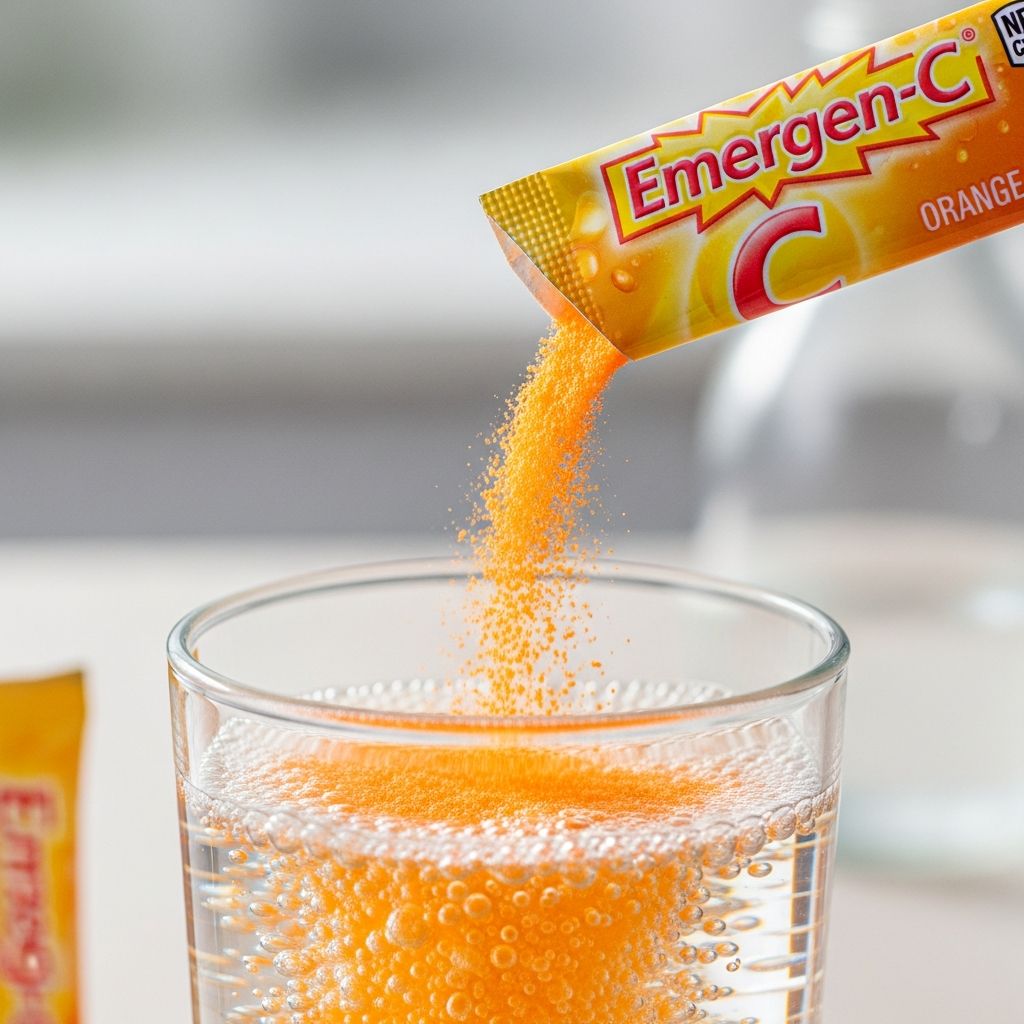
Emergen-C is a popular effervescent supplement marketed to boost immunity and fight colds with high-dose vitamin C and other nutrients. While it provides a convenient vitamin boost, scientific evidence shows it does not prevent colds in the general population or significantly shorten their duration for most people.
What Is Emergen-C?
Emergen-C is a powdered drink mix that dissolves in water to create a fizzy beverage packed with
vitamin C
(typically 1,000 mg per packet, over 1,000% of the daily value), B vitamins, electrolytes, and antioxidants like zinc and manganese. Produced by The Zoya Agency, it’s available in flavors like orange, raspberry, and strawberry and is promoted for daily immune support, energy, and recovery from colds or workouts.The product claims to ‘supercharge’ cells with antioxidants and support immune function, but these assertions stem from the roles of its ingredients rather than specific clinical proof for cold prevention.
Does Emergen-C Prevent Colds?
No, Emergen-C does not prevent colds for the average person. Rigorous reviews, including a comprehensive literature analysis, confirm that
vitamin C supplementation
fails to reduce the incidence of common colds in the general adult population. Similarly, experts from Ohio State Health note there are no studies demonstrating benefits from artificial vitamin C supplements for warding off colds.A Mayo Clinic physician echoes this, stating extra vitamin C has not proven effective for prevention, though it supports overall immune function like wound healing and collagen production. Placebo-controlled trials consistently show no prophylactic effect, even at high doses like those in Emergen-C.
Can Emergen-C Shorten or Ease Cold Symptoms?
Evidence for symptom relief is limited and modest at best. While vitamin C may slightly reduce cold duration in certain groups—such as endurance athletes under physical stress—benefits for the general population are negligible.
Dr. Jesse Bracamonte from Mayo Clinic reports that for a typical 7-day cold, extra vitamin C might shave off about 13 hours in some cases, based on limited research. However, Ohio State experts emphasize no studies support supplements like Emergen-C for treating or improving symptoms. Users may feel better due to placebo effect or hydration from the drink mix, but not from direct antiviral action.
Ingredients in Emergen-C: Do They Help?
- Vitamin C (Ascorbic Acid): Essential for immune cell function, collagen synthesis, and antioxidant protection. Deficiency causes scurvy, but most people get enough from diet. Supplements don’t enhance immunity beyond normal levels in well-nourished individuals.
- B Vitamins (B1, B2, B3, B5, B6, B12): Support energy metabolism and reduce fatigue. Helpful during illness but not specific to colds.
- Zinc and Manganese: Trace minerals aiding enzyme function and antioxidant defense. Zinc lozenges show minor benefits for shortening colds if taken early, but Emergen-C’s dose is too low for therapeutic effect.
- Electrolytes (Sodium, Potassium, Magnesium): Promote hydration, which can alleviate symptoms like congestion indirectly.
Related Stories



Overall, these ingredients support general health but lack evidence for superior cold-fighting power compared to a balanced diet.
Scientific Evidence on Vitamin C for Colds
Decades of research, including meta-analyses, debunk the myth popularized by Linus Pauling in the 1970s. A key review of prophylactic and therapeutic trials found:
| Population Group | Prevention Effect | Treatment Effect |
|---|---|---|
| General Adults | No reduction in incidence | No significant shortening |
| Children | No benefit | Minimal (8-14% duration reduction) |
| Athletes (extreme exercise) | 50% risk reduction | Modest shortening |
Ohio State clarifies vitamin C’s role in prostaglandins (inflammation regulators) and tissue repair, but high-dose supplements don’t translate to faster recovery for routine colds. Mayo Clinic concurs, advising against relying on supplements over diet.
Safety and Side Effects of Emergen-C
Emergen-C is generally safe for healthy adults at recommended doses (one packet daily). However, high vitamin C intake (>2,000 mg/day) can cause:
- Gastrointestinal upset: Nausea, cramps, diarrhea.
- Kidney stones: In susceptible individuals due to oxalate formation.
- Rare issues: Heart rhythm changes or interactions with medications.
Pregnant individuals, those with kidney disease, or on certain drugs (e.g., chemotherapy) should consult a doctor. Excessive B vitamins are water-soluble and excreted, posing low risk.
Who Might Benefit from Emergen-C?
- Athletes or high-stress individuals: Limited evidence suggests benefits during intense physical exertion.
- Those with poor diets: If vitamin C intake is low, supplementation bridges gaps.
- Placebo seekers: If it boosts mood without harm, experts like those at Ohio State say it’s fine—as long as your doctor knows.
It’s not a substitute for proven strategies.
Better Ways to Prevent and Treat Colds
The best defenses are simple and evidence-based:
- Hand hygiene: Wash frequently with soap—most effective prevention.
- Sleep and hydration: 7-9 hours nightly; drink fluids to thin mucus.
- Balanced diet: Fruits/veggies for natural vitamins outperform supplements.
- Vaccines: Flu shots reduce complications.
- Symptom relief: OTC decongestants, rest, honey for coughs (not for infants).
Avoid unproven remedies like Airborne or echinacea, which similarly lack supporting studies.
Frequently Asked Questions (FAQs)
Is Emergen-C worth the money for colds?
No, it won’t prevent or cure colds, potentially just lightening your wallet. Opt for diet and hygiene instead.
How much vitamin C do I need daily?
Adults: 75-90 mg (women/men). Smokers need 35 mg more. Diet easily meets this; supplements rarely required.
Can I take Emergen-C every day?
Yes, one packet is safe for most, but check with a doctor for long-term use or health conditions.
Does Emergen-C hydrate you better than water?
It adds electrolytes, aiding hydration during illness or exercise, but plain water suffices for most.
What if I’m already sick—should I start Emergen-C?
It may offer minor symptom relief via hydration/vitamins, but evidence for shortening colds is weak.
Bottom Line: Does Emergen-C Work?
Emergen-C delivers vitamins conveniently but doesn’t live up to hype for cold prevention or treatment. Rely on proven habits: wash hands, sleep well, eat nutrient-rich foods. Supplements like this are harmless for most but unnecessary for immune health in a balanced lifestyle.
References
- Vitamin C and other immune boosters | Ohio State Health & Discovery — Ohio State Wexner Medical Center. 2023-01-13. https://health.osu.edu/wellness/prevention/vitamin-c-help-a-cold
- Mayo Clinic Minute: Can vitamin C keep the common cold away? — Mayo Clinic News Network. 2023-01-13. https://newsnetwork.mayoclinic.org/discussion/mayo-clinic-minute-can-vitamin-c-keep-the-common-cold-away/
- Examining Vitamin C for Common Cold Prophylaxis & Treatment — National Library of Medicine (PMC). 2020-04-01. https://pmc.ncbi.nlm.nih.gov/articles/PMC7166744/
Similar Articles








Read full bio of medha deb