Does Exercising at Night Affect Sleep Quality?
Discover how evening workouts impact your sleep and learn optimal exercise timing.
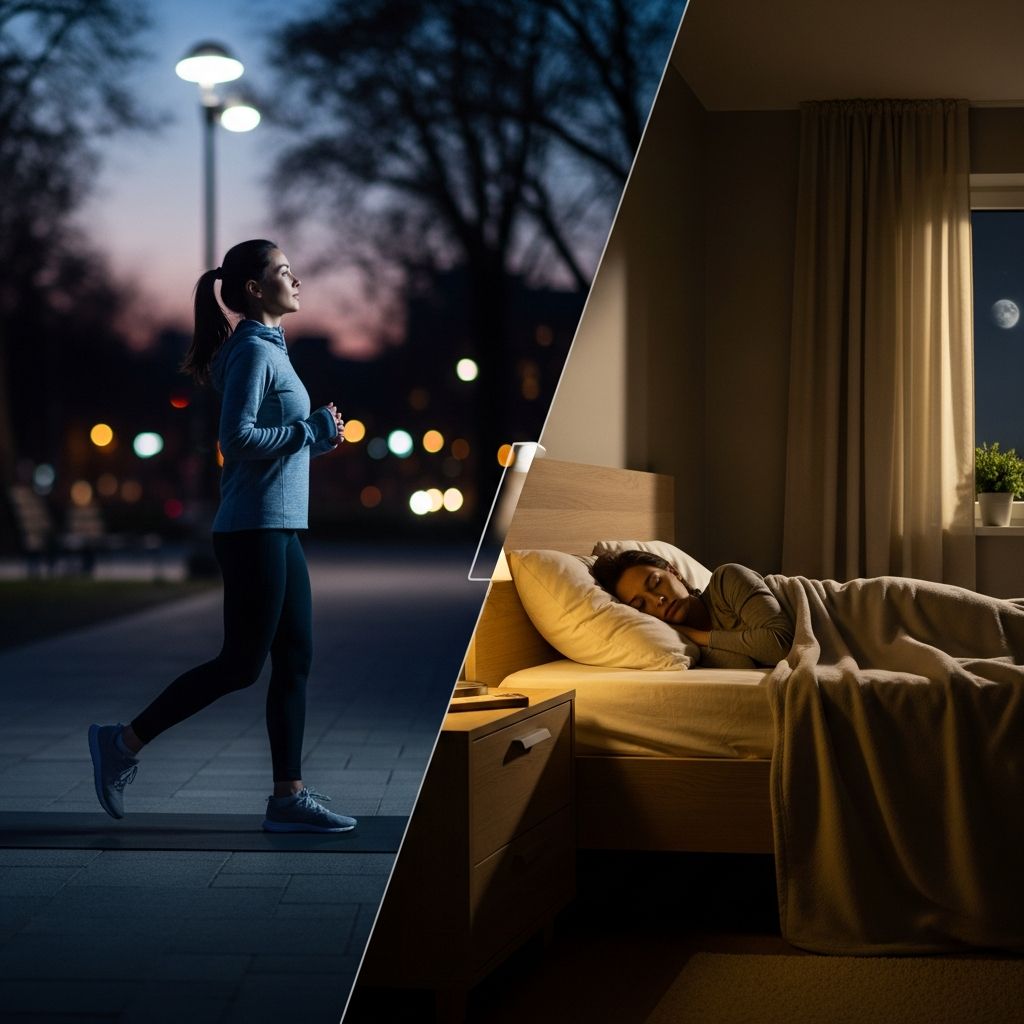
Does Exercising at Night Affect Sleep?
Many people struggle with finding time to exercise during their busy days, leading them to work out in the evening hours. However, a common concern arises: does exercising at night negatively impact sleep quality? The relationship between physical activity and sleep is complex and multifaceted, influenced by numerous factors including exercise intensity, timing, duration, and individual fitness levels. Understanding this connection can help you optimize your fitness routine while protecting your sleep quality.
The Connection Between Evening Exercise and Sleep
Research demonstrates that the timing of physical activity plays a significant role in how it affects sleep. Evening exercise, particularly high-intensity workouts, can stimulate the central nervous system and elevate core body temperature, potentially making it harder to fall asleep. When you exercise vigorously, your body releases adrenaline and other stimulating hormones that can keep you alert and energized long after your workout ends. This physiological response is most pronounced when vigorous exercise occurs close to bedtime.
Studies have found that engaging in vigorous evening physical exercise sessions lasting more than 90 minutes was significantly correlated with poor sleep quality, as measured by standardized sleep quality indices. This suggests that the intensity and duration of evening workouts are critical factors in determining their impact on nighttime rest. However, not all evening exercise is equally problematic for sleep.
How Exercise Intensity Affects Sleep
The intensity of your workout matters considerably when exercising in the evening. Research consistently shows that moderate-intensity physical activity is more beneficial for sleep than vigorous exercise, particularly when performed close to bedtime. Moderate exercise appears to promote better sleep quality by decreasing sleep latency (the time it takes to fall asleep), increasing total sleep time, and reducing the number of nighttime awakenings.
In contrast, high-intensity physical activities performed in the evening can lead to difficulties in falling asleep and poor overall sleep quality. Studies have found that high-intensity physical exercises are more likely to disrupt sleep than moderate-intensity exercises, especially when performed within three hours before bedtime. The stimulating effect of vigorous activity simply requires more time for your body to return to a calm state suitable for sleep.
The good news is that for individuals who are endurance-trained, high-intensity exercise performed in the early evening may not interrupt sleep and might even provide benefits for nocturnal rest. This suggests that your body’s adaptation level to intense physical activity influences how evening workouts affect your sleep.
Timing: When You Exercise Matters
The timing of your workout is one of the most crucial factors in determining its impact on sleep. Research indicates that morning or afternoon exercise may be more beneficial for sleep than nighttime or evening vigorous exercise. If you must exercise in the evening, strategic timing can minimize sleep disruption.
Consider these timing guidelines based on current research:
- Morning exercise: Ideal for promoting better sleep quality without any negative effects
- Afternoon exercise: Generally beneficial for sleep, with minimal disruption risk
- Early evening exercise: Acceptable for moderate-intensity workouts; high-intensity exercise should be completed at least 3 hours before bedtime
- Late evening exercise: Best avoided, especially for vigorous or high-intensity workouts
Related Stories



Light exercises of just 10 minutes in the morning can improve sleep quality, while evening exercise lasting more than 90 minutes at high intensity has been associated with difficulty sleeping. This demonstrates the importance of both timing and duration in your exercise routine.
Duration and Its Role in Sleep Quality
How long you exercise significantly influences its effect on your sleep. Regular moderate-intensity physical activities that are appropriately timed and of reasonable duration are the most effective for improving sleep quality. Short, moderate sessions tend to be more beneficial than extended vigorous workouts, particularly in the evening.
Research has found that light exercises of 10 minutes per day in the morning improved sleep quality substantially. At the other end of the spectrum, high-intensity exercises exceeding 90 minutes in the evening have been associated with sleep difficulties. For people with insomnia specifically, exercising six or more times a week could paradoxically lead to poor sleep quality, whereas shorter-duration training appears more effective for sleep improvement.
The duration of your training program also matters. Studies have shown that three months or less of physical exercise is more effective in improving sleep quality than more than three months of physical exercise, suggesting that consistency might be more important than extended duration.
Types of Exercise and Sleep Benefits
Different types of exercise have varying effects on sleep quality. Moderate-intensity aerobic exercise, strength training, and mind-body activities like yoga and tai chi are all beneficial for sleep improvement. Mind-body exercises have been shown to have more significant effects on sleep outcomes than other types of physical activity.
Studies evaluating yoga, tai chi, and qigong specifically found that they improve sleep outcomes and decrease insomnia symptoms. These exercises combine physical activity with relaxation and breathing techniques, making them particularly suitable for evening practice without disrupting sleep. Aerobic exercises have also been proven to improve sleep quality and are effective in treating patients with insomnia.
What Makes Evening Exercise Problematic
Evening exercise can affect sleep through several physiological mechanisms. When you exercise, especially at high intensity, your body temperature rises and your nervous system becomes stimulated. Your heart rate increases, adrenaline and cortisol levels rise, and blood flow is redirected to support your muscles. All of these changes require time to reverse before your body is ready for sleep.
High exercise strain during evening workouts may disrupt subsequent sleep and nocturnal autonomic function, affecting both the quality and structure of your sleep. The autonomic nervous system, which controls your heart rate and breathing during sleep, remains activated longer after intense evening exercise, preventing the natural transition to a restful state.
Additionally, the mental stimulation from an intense workout can leave your mind racing, making it difficult to fall asleep even if your body is physically tired. This combination of physical activation and mental stimulation creates the perfect storm for sleep disruption.
Benefits of Regular Physical Activity on Sleep
Despite concerns about evening exercise, it’s important to recognize that regular physical activity offers tremendous sleep benefits overall. Physical activity can lead to improved sleep quality, reduced sleep latency, and better overall sleep architecture. The key is finding the right balance of timing, intensity, and duration that works for your lifestyle.
Consistent physical exercise has been shown to have positive impacts on total sleep time and efficiency, with modest positive effects on sleep onset latency and significant effects on sleep quality improvement. Physical activity has also shown promise in managing sleep disorders like insomnia, making it a valuable therapeutic tool when used appropriately.
Optimizing Your Evening Exercise Routine
If you must exercise in the evening, several strategies can help minimize sleep disruption:
- Choose moderate-intensity activities over vigorous workouts
- Finish intense exercise at least 3 hours before bedtime
- Consider mind-body exercises like yoga, tai chi, or qigong for evening workouts
- Keep evening sessions shorter than 60 minutes
- Avoid caffeine before and after evening workouts
- Allow time for your body to cool down after exercise
- Establish a relaxing post-workout routine to transition to sleep
These strategies acknowledge that life circumstances often require evening exercise while still protecting your sleep quality.
Individual Factors That Influence the Effect
The relationship between evening exercise and sleep is not uniform across all individuals. Factors such as age, gender, baseline fitness level, and individual fitness adaptation all influence how evening exercise affects sleep. Someone who is accustomed to vigorous training may tolerate evening high-intensity workouts better than a sedentary individual beginning an exercise program.
Your body’s degree of endurance adaptation significantly affects how exercise impacts your sleep. Regular exercisers’ bodies become more efficient at managing the physiological stress of workouts, potentially reducing sleep disruption compared to less active individuals. This adaptation develops over time with consistent training.
Special Considerations for Specific Populations
For individuals with insomnia, the exercise recommendations differ slightly from the general population. While exercise is beneficial for insomnia management, exercising six or more times weekly may paradoxically worsen sleep quality in this group. A more moderate approach—perhaps 3-4 times weekly—combined with attention to timing and intensity may be more effective for improving sleep in people with diagnosed sleep disorders.
Younger and older individuals both benefit from moderate-intensity physical activity for sleep improvement, though individual preferences and physical capabilities may vary. Similarly, men and women may experience different effects from evening exercise, though research suggests the basic principles of timing and intensity apply across genders.
Creating a Balanced Exercise Schedule
The ideal approach combines the sleep and health benefits of regular exercise with strategic timing to protect sleep quality. If possible, prioritize morning and afternoon workouts, especially for vigorous exercise. If evening exercise is necessary, shift to moderate-intensity activities and allow adequate recovery time before bedtime.
Remember that the overall benefits of regular physical activity for sleep typically outweigh the risks of evening exercise when done thoughtfully. Consistency in your exercise routine matters more than choosing the absolute perfect time slot. A person who exercises regularly in the evening may eventually adapt better than someone who exercises inconsistently at various times.
Key Takeaways
The relationship between evening exercise and sleep is nuanced but manageable. While vigorous workouts close to bedtime can disrupt sleep, moderate-intensity evening exercise, properly timed mind-body activities, and overall regular physical activity all support better sleep quality. The intensity, duration, timing, and type of exercise all play important roles in determining whether your evening workout helps or hinders your sleep.
Frequently Asked Questions
Q: Can I exercise at night without affecting my sleep?
A: Yes, you can exercise at night without significantly affecting sleep if you choose moderate-intensity activities, keep workouts under 60 minutes, and finish at least 3 hours before bedtime. Mind-body exercises like yoga are particularly suitable for evening practice.
Q: What is the best time to exercise for sleep quality?
A: Morning or afternoon exercise is ideal for sleep quality. If you must exercise in the evening, complete moderate-intensity workouts at least 3 hours before bedtime to allow your body to return to a calm state.
Q: How long after evening exercise should I wait before bed?
A: For vigorous or high-intensity exercise, wait at least 3 hours before bedtime. For moderate-intensity workouts, 1-2 hours may be sufficient. Light exercises can be performed closer to bedtime without significant sleep disruption.
Q: Does the type of evening exercise matter?
A: Yes, significantly. Moderate-intensity aerobic exercise, strength training, and especially mind-body activities like yoga and tai chi are better choices for evening workouts than high-intensity interval training or vigorous exercise.
Q: Can evening exercise help with insomnia?
A: Physical activity can help manage insomnia, but for people with insomnia, exercising 3-4 times weekly with attention to timing and moderate intensity is more effective than daily vigorous workouts.
Q: Is there a maximum duration for evening workouts?
A: Keep evening workouts under 60 minutes, and avoid high-intensity sessions lasting more than 90 minutes close to bedtime. Short, consistent sessions are more beneficial for sleep than extended evening workouts.
References
- The Effect of Physical Activity on Sleep Quality and Sleep Disorder — National Center for Biotechnology Information (NCBI). 2023. https://pmc.ncbi.nlm.nih.gov/articles/PMC10503965/
- Dose-response relationship between evening exercise and sleep — Nature. 2025. https://www.nature.com/articles/s41467-025-58271-x
Similar Articles








Read full bio of Sneha Tete