Does Fiber Make You Gassy? 6 Proven Tips To Cut Bloating
Uncover why fiber causes gas, how to minimize bloating, and tips for boosting intake without digestive discomfort.
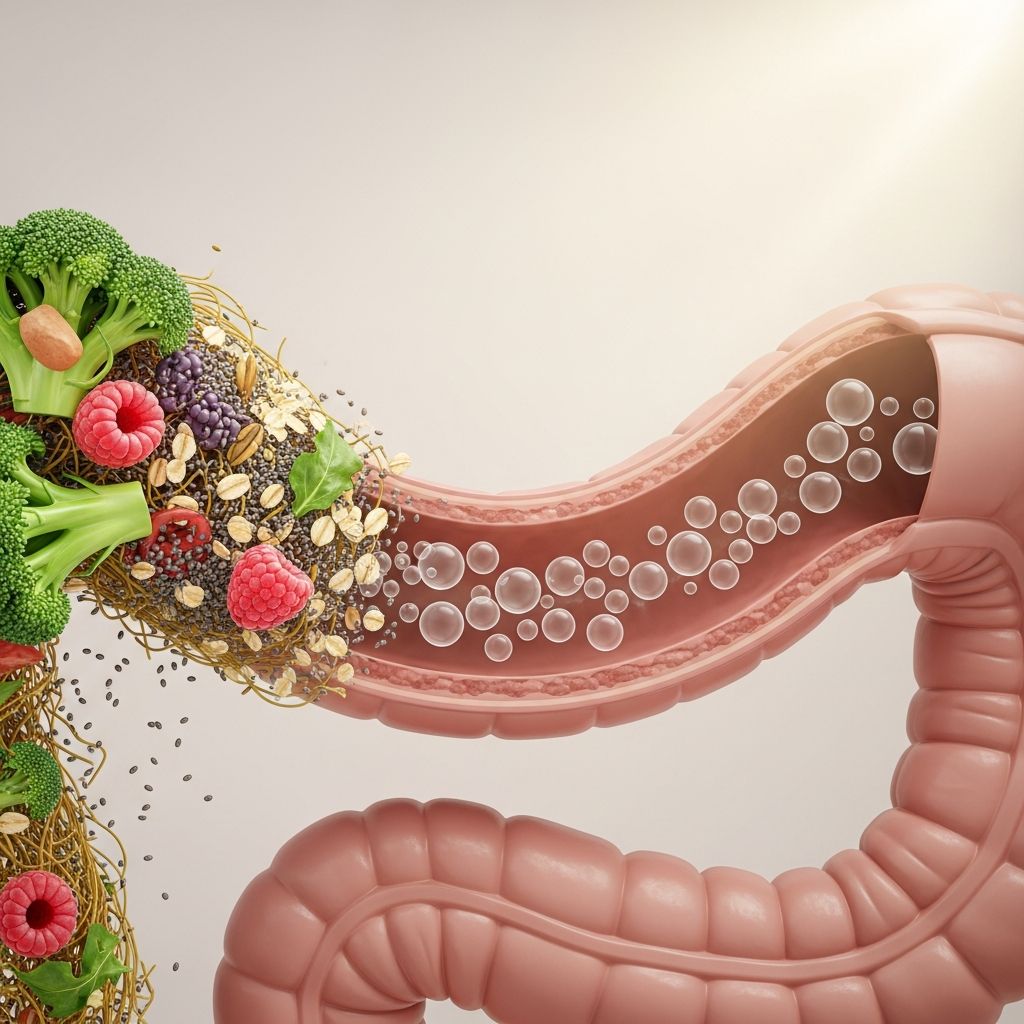
Fiber is a crucial nutrient for digestive health, heart health, and blood sugar control, but a common side effect of increasing fiber intake is gas and bloating. This occurs primarily because gut bacteria ferment undigested fiber in the colon, producing gases like hydrogen, methane, and carbon dioxide. While temporary and usually harmless, this discomfort can deter people from meeting the recommended 25-38 grams daily. Understanding fiber types, gradual introduction, and supportive habits can help minimize gassiness while reaping fiber’s benefits.
What Is Fiber and Why Does It Cause Gas?
Dietary fiber refers to plant-based carbohydrates that resist digestion in the small intestine, passing to the large intestine where gut bacteria ferment them. This fermentation process breaks down fiber into short-chain fatty acids (SCFAs) beneficial for colon health, but it also generates gas as a byproduct. Soluble fiber, which dissolves in water to form a gel, is more fermentable and thus more likely to produce gas than insoluble fiber, which adds bulk without much fermentation.
Gas production varies by individual gut microbiome, fiber source, and intake speed. Sudden high-fiber meals overwhelm bacteria, leading to excess gas, bloating, cramps, or flatulence. Studies show soluble fibers like pectins in fruits and beta-glucans in oats ferment more readily, increasing gas volume.
Types of Fiber: Soluble vs. Insoluble
Fiber comes in two main types, each with distinct roles in digestion and gas production.
- Soluble Fiber: Dissolves in water, forming a viscous gel that slows digestion, binds cholesterol, and stabilizes blood sugar. Sources include oats, beans, lentils, apples, carrots, and psyllium. It’s highly fermentable, feeding gut bacteria and producing SCFAs but also more gas.
- Insoluble Fiber: Does not dissolve; adds bulk to stool, speeds transit time, and prevents constipation. Found in whole grains, nuts, seeds, leafy greens like spinach, broccoli, and cauliflower skins. Less fermentable, so it causes less gas.
Both types support health: soluble lowers cholesterol and glucose spikes, insoluble promotes regularity. A balanced intake—about one-third soluble, two-thirds insoluble—optimizes benefits while reducing gas risk.
Health Benefits of Fiber (Beyond the Gas)
Despite gassiness, fiber’s advantages are substantial and backed by extensive research.
- Digestive Health: Increases stool bulk and softness, preventing constipation, hemorrhoids, and diverticulitis. Fermentable fiber nourishes gut bacteria, fostering a diverse microbiome that produces SCFAs for colon protection.
- Heart Health: Soluble fiber binds bile acids, reducing cholesterol absorption and lowering LDL levels, decreasing cardiovascular disease risk.
- Blood Sugar Control: Slows carbohydrate absorption, attenuating glucose and insulin spikes, aiding diabetes management.
- Weight Management: Promotes satiety, reducing calorie intake and supporting weight loss or maintenance.
- Disease Prevention: Linked to lower risks of colorectal cancer, type 2 diabetes, and inflammation via microbiome support and toxin elimination.
The CDC notes fiber cleanses the digestive tract like a scrub brush, while Harvard’s Nutrition Source highlights its role in hunger reduction.
Why Does Fiber Make Some People More Gassy Than Others?
Individual factors influence gas response:
- Gut Microbiome: Diverse, fiber-adapted bacteria ferment efficiently with less gas; low-fiber diets lead to imbalances causing excess production.
- Increase Pace: Rapid jumps from low to high fiber overwhelm the system.
- Fiber Source: Beans and cruciferous veggies (broccoli, cabbage) contain raffinose, a complex sugar fermented into gas.
- Hydration and Activity: Insufficient water hardens fiber, slowing transit; inactivity traps gas.
- Underlying Conditions: IBS, SIBO, or FODMAP sensitivity amplify symptoms.
Related Stories



Women and those with slower transit may experience more bloating. Adaptation takes 2-4 weeks as bacteria adjust.
How Much Fiber Do You Need—and From Where?
Adults need 25g (women) to 38g (men) daily, per Mayo Clinic, yet most consume under 15g. Aim for variety:
| Fiber Type | Food Examples (per serving) | Fiber Amount |
|---|---|---|
| Soluble | Oats (1/2 cup cooked) | 2-4g |
| Soluble | Black beans (1/2 cup) | 6-8g |
| Soluble | Apple (medium with skin) | 4g |
| Insoluble | Whole wheat bread (1 slice) | 2g |
| Insoluble | Broccoli (1 cup) | 5g |
| Insoluble | Almonds (1 oz) | 3.5g |
Incorporate gradually: add 5g weekly. Whole foods outperform supplements for microbiome diversity.
6 Tips to Reduce Gas and Bloating from Fiber
Minimize discomfort with these evidence-based strategies:
- Increase Gradually: Add 5g every 3-4 days to allow microbiome adaptation.
- Drink Plenty of Water: Fiber absorbs water; 8-10 cups daily softens stool and eases passage.
- Chew Thoroughly: Breaks down fiber, reducing air swallowing and fermentation load.
- Exercise Regularly: Speeds transit, expelling gas faster.
- Choose Low-Gas Sources First: Start with oats, psyllium over beans; cook veggies to break down raffinose.
- Consider Beano or Enzymes: Alpha-galactosidase aids raffinose digestion in gas-prone foods.
Track symptoms with a food diary to identify triggers.
When to See a Doctor About Fiber-Related Gas
Mild gas resolves with adaptation, but consult a doctor if:
- Bloating persists >2 weeks despite gradual increase.
- Severe pain, diarrhea, constipation, or blood in stool occurs.
- Weight loss or fatigue accompanies symptoms.
- Suspected IBS, celiac, or SIBO.
High-fiber diets benefit most, but personalized advice from a gastroenterologist or dietitian ensures safety.
Frequently Asked Questions (FAQs)
Does all fiber cause gas?
No, insoluble fiber causes less gas than soluble. Balance both for optimal health with minimal discomfort.
How long until gas from fiber goes away?
Typically 1-4 weeks as your gut microbiome adapts to higher fiber.
Can fiber supplements cause less gas than food?
Psyllium or inulin supplements ferment less if introduced slowly, but whole foods provide broader benefits.
Is it okay to take a fiber supplement if whole foods cause too much gas?
Yes, temporarily, but prioritize foods for nutrients and microbiome support.
What foods are highest in fiber but lowest in gas potential?
Oats, barley, carrots, psyllium, and bran cereals. Avoid raw cruciferous veggies initially.
Does cooking fiber-rich foods reduce gas?
Yes, heat breaks down complex carbs like raffinose in beans and broccoli.
Can too much fiber cause constipation?
Yes, without enough water; insoluble fiber prevents this when hydrated.
In summary, fiber’s gassiness is a temporary hurdle to profound health gains. Patience, strategy, and balance turn it into a digestive ally.
References
- The Importance of Fiber in Maintaining Digestive Health — SGS Gastroenterology. 2023. https://www.sgsgastro.com/blog/1283966-the-importance-of-fiber-in-maintaining-digestive-health/
- Effects of Dietary Fiber and Its Components on Metabolic Health — PMC (National Library of Medicine). 2012-01-31. https://pmc.ncbi.nlm.nih.gov/articles/PMC3257631/
- 4 Ways Fiber Benefits Your Health — University of Michigan School of Public Health. 2017. https://sph.umich.edu/pursuit/2017posts/fiber-benefits.html
- Pros and Cons of a High-Fiber Diet for Digestive Health — Austin Gastroenterology. 2022-03-14. https://www.austingastro.com/2022/03/14/pros-and-cons-of-a-high-fiber-diet-for-digestive-health/
- Dietary Fiber: Essential for a Healthy Diet — Mayo Clinic. Accessed 2026. https://www.mayoclinic.org/healthy-lifestyle/nutrition-and-healthy-eating/in-depth/fiber/art-20043983
- Fiber: The Carb That Helps You Manage Diabetes — Centers for Disease Control and Prevention (CDC). Accessed 2026. https://www.cdc.gov/diabetes/healthy-eating/fiber-helps-diabetes.html
- 7 Benefits of Fiber That Should Convince You to Eat Enough of It — Houston Methodist. 2022-09. https://www.houstonmethodist.org/blog/articles/2022/sep/7-benefits-of-fiber-that-should-convince-you-to-eat-enough-of-it/
Similar Articles








Read full bio of Sneha Tete