Does Fruit Juice Spike Blood Sugar? Evidence-Based Guide
Uncover why fruit juice can rapidly elevate blood sugar levels despite its healthy image, and discover smarter ways to enjoy fruit benefits.
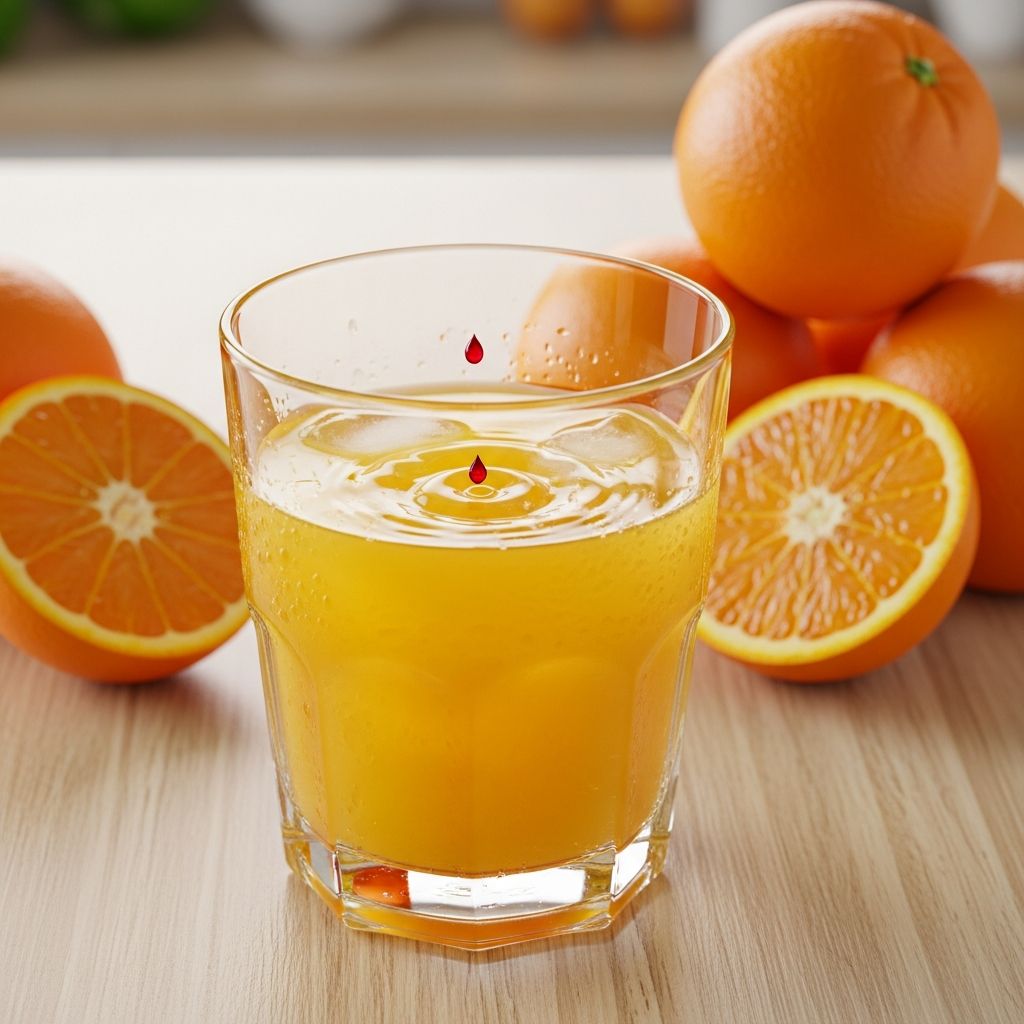
Fruit juice can indeed cause significant spikes in blood sugar levels due to its high concentration of natural sugars and absence of fiber found in whole fruits. While marketed as a healthy option, 100% fruit juice metabolizes similarly to sugar-sweetened beverages, leading to rapid glucose absorption and potential health risks like type 2 diabetes and weight gain.
What Is Fruit Juice—and How Does It Compare Nutritionally to Whole Fruit?
Fruit juice is typically made by extracting liquid from fruits, resulting in a product rich in natural sugars like fructose but stripped of most fiber, which is crucial for slowing sugar absorption. A standard 8-ounce serving of orange juice contains about 24 grams of sugar and 110 calories, comparable to a soda, without the fiber that whole oranges provide—roughly 3 grams per fruit.
Whole fruits retain their fiber, vitamins, minerals, and polyphenols, promoting slower digestion and steadier blood sugar release. Juicing removes this fiber, accelerating the glycemic response. For instance, apples in whole form release glucose gradually due to fiber, but apple juice spikes blood sugar faster, similar to high-glycemic foods.
- Fiber content: Whole apple: 4g; apple juice (8 oz): <1g.
- Sugar content: Both equivalent, but fiber in whole fruit mitigates impact.
- Nutrients: Whole fruits offer chewing benefits and phytochemicals that juice processing diminishes.
Understanding Blood Sugar Spikes and the Glycemic Index
Blood sugar spikes occur when foods cause rapid glucose release into the bloodstream, prompting insulin surges. The glycemic index (GI) measures this: low-GI foods (under 55) release sugar slowly; high-GI (over 70) cause quick spikes. Whole fruits like strawberries (GI ~40) are low, but juices like grape juice (GI ~50-60) rank higher due to fiber loss.
High-GI foods like fruit juice resemble ‘glucose bombs,’ unlike fiber-rich whole fruits or even nut-paired candies that slow absorption. Post-meal glucose can rise 50-100 mg/dL faster with juice than whole fruit.
| Food Item | Glycemic Index (GI) | Fiber (per serving) | Sugar (per 8 oz/medium fruit) |
|---|---|---|---|
| Apple (whole) | 36 | 4g | 19g |
| Apple juice | 44 | 0.5g | 24g |
| Orange (whole) | 43 | 3g | 12g |
| Orange juice | 50 | 0.5g | 21g |
| Coca-Cola (8 oz) | 63 | 0g | 27g |
This table illustrates how fruit juices bridge the gap between whole fruits and sodas in GI impact.
Why Does Fruit Juice Raise Blood Sugar So Quickly?
The primary reason is liquefaction: Juicing breaks down cell walls, removing fiber that normally delays gastric emptying and glucose uptake. Fructose in juice, while natural, floods the liver similarly to added sugars, contributing to insulin resistance over time.
Without fiber, 90-100% of juice sugars absorb within 30-60 minutes, versus 1-2 hours for whole fruits. Chewing whole fruit also triggers satiety hormones, reducing overconsumption. Studies show postprandial glucose peaks higher with juice: one serving can elevate levels comparably to SSBs.
Related Stories



- No fiber barrier: Allows rapid small intestine absorption.
- High fructose load: Liver processes excess, risking fatty liver.
- Liquid form: Empties stomach faster than solids.
Health Risks of Frequent Fruit Juice Consumption
Regular intake links to weight gain, type 2 diabetes, cardiovascular disease, and dental issues. A REGARDS study of 13,440 adults found each additional 12 oz of fruit juice raised all-cause mortality hazard by 24% (HR 1.24, 95% CI 1.09-1.42), akin to sugary drinks.
Prospective data from 187,382 participants showed fruit juice increased type 2 diabetes risk, contrasting protective whole-fruit effects. Meta-analyses confirm: daily juice serving raises diabetes odds by 7-8%.
Other risks include non-alcoholic fatty liver from fructose overload and tooth decay from prolonged acid-sugar exposure.
Is There Any Benefit to Drinking Fruit Juice?
Moderate 100% juice (≤7 small glasses/week) may offer antioxidants like polyphenols, potentially lowering stroke risk by 24% in some studies. However, these benefits rarely outweigh sugar harms, especially for blood sugar control. Nutrients are better from whole fruits.
Healthier Alternatives to Fruit Juice for Managing Blood Sugar
- Whole fruits: Eat apples, berries, oranges—fiber stabilizes glucose.
- Infused water: Add fruit slices for flavor without sugars.
- Smoothies with fiber: Blend whole fruits, veggies, nuts; retain pulp unlike strained juice.
- Vegetable juices: Lower sugar, like tomato or celery (check labels).
- Sparkling water + lemon: Zero-calorie refreshment.
Dilute juice 50/50 with water if craving it, limiting to 4-6 oz daily.
Expert Tips for People with Diabetes or Prediabetes
For diabetes management, prioritize low-GI whole fruits (berries, citrus) over juice. Monitor carbs: 15g per fruit serving. Pair with protein/fat (e.g., apple + nuts) to blunt spikes. Diabetes UK advises treating juice like free sugars, not whole fruit.
AusDiab study: High fruit intake boosted insulin sensitivity; juice did not. Limit to occasional small servings, adjusting meals (e.g., less bread if adding juice).
How Much Fruit Juice Is Safe to Drink?
Guidelines: ≤4-6 oz/day for adults, ideally none for blood sugar concerns. Children: 4 oz max. American Heart Association equates it to SSBs in calorie/sugar load. Prioritize whole fruits: 2-3 servings daily.
Frequently Asked Questions (FAQs)
Is 100% fruit juice healthier than soda?
No, both spike blood sugar similarly due to high sugar and no fiber. Juice has natural sugars but equivalent metabolic impact.
Does blending fruit into smoothies spike blood sugar like juice?
Less so if pulp/fiber included; better than juice but whole fruit optimal.
Can fruit juice be part of a balanced diet?
In very small amounts (4 oz), yes, but whole fruits superior for nutrients without spikes.
Why is whole fruit better for diabetes than juice?
Fiber slows sugar absorption, reducing post-meal glucose peaks and diabetes risk.
Are all fruit juices the same for blood sugar?
No; clearer juices (apple, grape) spike more than pulpy ones, but all high-GI without fiber.
References
- Are Fruit Juices Just as Unhealthy as Sugar-Sweetened Beverages? — JAMA Network Open. 2020-04-01. https://jamanetwork.com/journals/jamanetworkopen/fullarticle/2733417
- Ask the Doctors: Which spikes blood glucose more? Sugar in fruit or food? — UCLA Health. 2023-01-15. https://www.uclahealth.org/news/article/ask-the-doctors-which-spikes-blood-glucose-more-sugar-in-fruit-or-food
- Eating whole fruit, not drinking fruit juice, may reduce the risk of type 2 diabetes — PMC / Wiley. 2021-09-15. https://pmc.ncbi.nlm.nih.gov/articles/PMC8504907/
- Fruit juices and smoothies — Diabetes UK. 2024-06-10. https://www.diabetes.org.uk/guide-to-diabetes/enjoy-food/what-to-drink-with-diabetes/fruit-juices-and-smoothies
- Can eating too much fruit cause type 2 diabetes? — Medical News Today. 2023-05-20. https://www.medicalnewstoday.com/articles/323310
Similar Articles








Read full bio of Sneha Tete